
The landscape of veterinary diagnostics has undergone a profound transformation, driven largely by advancements in biochemical analysis and digital technology. Among the most impactful innovations is the widespread adoption of Symmetric Dimethylarginine (SDMA) testing. While seemingly a simple blood test, SDMA represents a sophisticated confluence of high-precision laboratory techniques, advanced data processing, and integrated software solutions, fundamentally altering how kidney health is monitored in canine companions. Understanding “what is SDMA in dogs” necessitates a deep dive into the technological ecosystem that enables its accuracy, accessibility, and utility, positioning it as a cornerstone of modern veterinary tech.

The Technological Underpinnings of SDMA Testing
The journey from a biological sample to a clinically actionable SDMA result involves intricate technological processes that ensure accuracy and efficiency. This evolution marks a significant leap from traditional diagnostic methods, driven by a quest for earlier and more precise disease detection.
From Creatinine to Biomarkers: A Paradigm Shift in Diagnostic Tools
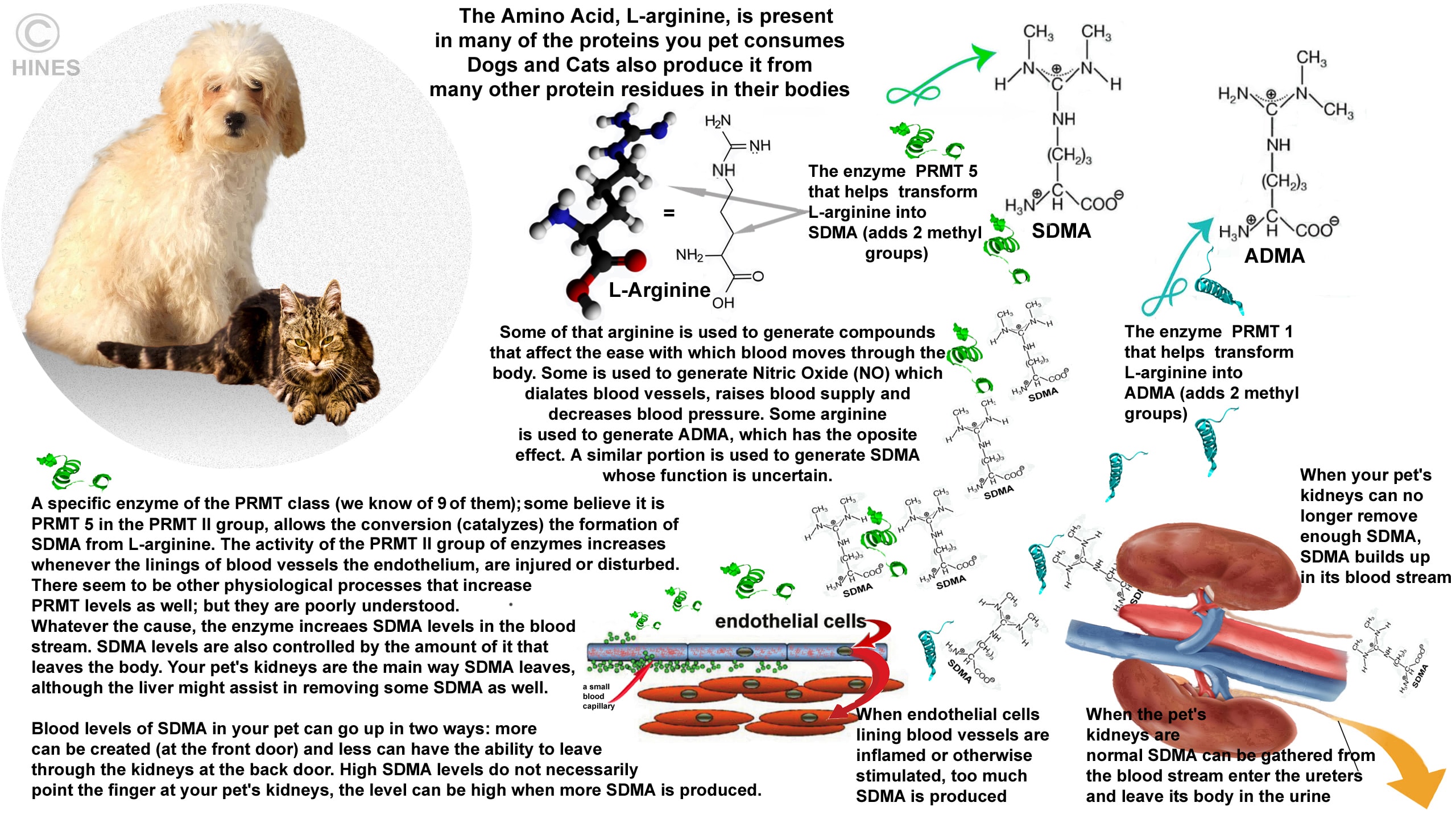
For decades, creatinine served as the primary biomarker for assessing kidney function. While valuable, creatinine levels are influenced by factors like muscle mass, diet, and hydration, and often only elevate significantly after substantial kidney damage (typically 75% loss of function). The advent of SDMA represents a move towards more sensitive and specific biomarkers. SDMA is a methylated arginine compound produced continuously and excreted almost exclusively by the kidneys. Its concentration in the blood is less affected by non-renal factors compared to creatinine, making it a more reliable indicator, particularly for early-stage renal dysfunction. This shift wasn’t merely a discovery but a technological triumph, requiring sophisticated analytical methods to isolate, quantify, and validate such a precise marker at very low concentrations in complex biological matrices. It embodies a tech-driven push for diagnostic precision, akin to advancements seen in human medicine where highly specific biomarkers are increasingly preferred.
Precision Diagnostics: Mass Spectrometry and Immunoassays
The accurate measurement of SDMA in canine blood samples relies on advanced laboratory instrumentation. The two primary technological approaches are liquid chromatography-mass spectrometry (LC-MS) and immunoassay platforms.
LC-MS, often considered the gold standard for its unparalleled sensitivity and specificity, separates SDMA from other compounds in the sample and then identifies and quantifies it based on its molecular mass. This technology involves highly calibrated instruments, sophisticated software for data acquisition and analysis, and expert operators. The intricate processes of sample preparation, chromatographic separation, and mass spectrometric detection represent a pinnacle of analytical chemistry and hardware engineering. The raw data generated by LC-MS systems are massive, requiring robust computational power and specialized algorithms to distill them into a precise SDMA concentration.
Immunoassay platforms, while perhaps less specific than LC-MS, offer advantages in terms of throughput and automation, making them suitable for high-volume veterinary diagnostic laboratories. These assays utilize antibodies specifically designed to bind to SDMA. The binding event is then detected and quantified using various optical or electrochemical methods. The development of these assays involves cutting-edge biotechnology for antibody engineering, microfluidics for sample handling, and integrated optical sensors. Software plays a critical role in controlling the robotic pipetting, incubation steps, signal detection, and converting raw optical signals into concentration values. The continuous improvement in these platforms focuses on miniaturization, increased automation, and reduced turnaround times, mirroring trends in clinical diagnostics across the board.
The Digital Workflow: Sample to Result
Beyond the analytical instrument itself, the entire workflow of SDMA testing is deeply integrated with digital technologies. From the moment a veterinary clinic collects a blood sample, a digital chain of custody is often initiated. Barcoding systems link the sample to the patient’s electronic medical record (EMR), streamlining sample tracking and preventing errors. Laboratory information management systems (LIMS) handle sample accessioning, instrument interfacing, quality control, data interpretation, and report generation. These LIMS platforms are complex software suites designed to manage the entire diagnostic lifecycle, ensuring data integrity, compliance, and efficient communication between the lab and the referring veterinarian. The seamless flow of data, from the diagnostic machine to the final digital report, is a testament to the sophisticated IT infrastructure supporting modern veterinary diagnostics.
Software, Data Analytics, and AI in SDMA Interpretation
The value of SDMA data extends far beyond a single numerical result. Its true power is unlocked through integration with software systems, advanced data analytics, and increasingly, artificial intelligence (AI), which transform raw data into actionable clinical insights.
Integrating SDMA Data into Veterinary Practice Management Systems
For a veterinarian, an SDMA result isn’t just a number; it’s a piece of a larger puzzle. Modern veterinary practice management software (PMS) plays a crucial role in integrating this data. When an SDMA test is performed, the results are often automatically transmitted from the reference laboratory to the clinic’s PMS. This integration eliminates manual data entry, reduces transcription errors, and ensures that SDMA values are immediately available within the patient’s comprehensive medical history. Within the PMS, veterinarians can track SDMA trends over time, correlate results with other clinical findings, medications, and patient demographics. This holistic view, facilitated by robust software integration, is vital for monitoring chronic kidney disease progression and evaluating treatment efficacy. The ability of PMS platforms to display trend graphs, set reminders for retesting, and even flag abnormal results automatically transforms raw data into a dynamic clinical tool.
Predictive Analytics: Leveraging Machine Learning for Early Detection
The real frontier in SDMA utilization lies in predictive analytics and machine learning. As vast datasets of SDMA results, patient histories, breed predispositions, and treatment outcomes accumulate, AI algorithms can be trained to identify subtle patterns and predict the onset or progression of kidney disease even before overt clinical signs appear. Machine learning models can analyze longitudinal SDMA data alongside other diagnostic parameters (e.g., urine specific gravity, proteinuria, blood pressure) to risk-stratify patients. This capability allows veterinarians to intervene earlier, potentially slowing disease progression and improving quality of life for dogs. For example, an AI model might flag a slight, but consistent, upward trend in SDMA over several months, which might otherwise be dismissed as within the “normal” range but indicates an increased risk for future kidney disease. This proactive, data-driven approach is a hallmark of sophisticated predictive technology.

Telemedicine and Remote Monitoring: Expanding SDMA’s Reach
The digitalization of SDMA results also has significant implications for telemedicine and remote patient monitoring. With results readily accessible in digital formats, veterinary specialists can review cases and consult with general practitioners or pet owners regardless of geographical location. Remote monitoring applications can track SDMA values in conjunction with other health metrics (e.g., activity levels from wearables, water intake logs) uploaded by pet owners. This allows for continuous oversight of stable chronic kidney disease patients and provides early alerts for any significant deviations. Future advancements could see integration with at-home diagnostic devices, feeding data directly into a cloud-based health platform, enabling a truly connected and proactive approach to pet healthcare, with SDMA as a core data point.
Enhancing Pet Health Tech: Apps, Wearables, and Future Integrations
The technological journey of SDMA extends beyond the clinic, influencing the broader ecosystem of pet health technology, from consumer-facing applications to advanced research platforms.
Personalized Pet Care Through Data-Driven Insights
SDMA testing contributes significantly to the trend of personalized pet care. By providing an early and reliable indicator of kidney function, it enables veterinarians to tailor preventative strategies, dietary recommendations, and treatment plans specifically to an individual dog’s needs. This data-driven personalization is increasingly being supported by pet health apps and online portals where owners can track their pet’s SDMA results, understand what they mean, and receive reminders for follow-up tests or medication. These digital tools empower owners to be more engaged in their pet’s health management, turning complex medical data into understandable and actionable information.
The Role of SDMA in Next-Generation Pet Health Platforms
Looking ahead, SDMA is poised to be a key component in more comprehensive, multi-modal pet health platforms. Imagine a future where a dog’s genetic profile, wearable sensor data (heart rate, activity, sleep), dietary intake logged via an app, and routine diagnostic biomarkers like SDMA are all integrated into a single, AI-powered health dashboard. This platform could provide holistic insights, identify complex interdependencies between various health factors, and offer hyper-personalized wellness plans. SDMA, as a foundational early marker, would be crucial in these systems for maintaining vigilance over one of the most vital organ systems. The development of such platforms requires significant investment in data standardization, interoperability protocols, and advanced analytical engines.
Ethical Considerations in AI-Driven Veterinary Diagnostics
As AI and advanced analytics become more prevalent in interpreting SDMA and other diagnostic data, ethical considerations come to the forefront. Ensuring data privacy and security for pet owners and their animals is paramount. Transparency in how AI algorithms arrive at their recommendations is also crucial for veterinarians to maintain trust and clinical judgment. Furthermore, developers must address potential biases in datasets that could lead to disparities in care for certain breeds or demographic groups. The responsible development and deployment of these technologies will be critical to realizing their full potential while upholding the highest standards of animal welfare and professional ethics.
The Broader Impact: SDMA as a Catalyst for Veterinary Tech Innovation
SDMA’s success story is not just about a single test; it’s a testament to the power of technological innovation in veterinary medicine, serving as a catalyst for further advancements across the industry.
Driving R&D in Companion Animal Diagnostics
The development and adoption of SDMA have spurred increased research and development efforts in companion animal diagnostics. Its success has demonstrated the clinical and commercial viability of investing in highly specific, early-detection biomarkers. This has led to a greater focus on identifying novel markers for other diseases, improving assay technologies, and exploring non-invasive diagnostic methods. Companies are now more inclined to invest in sophisticated analytical platforms and bioinformatics capabilities specifically tailored for veterinary applications, pushing the boundaries of what’s possible in pet health monitoring.
Educating Pet Owners with Digital Tools
The accessibility of SDMA information, often communicated through digital reports and explanatory online resources, has significantly elevated pet owner awareness regarding kidney disease. Educational apps, veterinary clinic websites, and online pet health communities leverage this data to inform owners about preventative care, dietary management, and the importance of regular veterinary check-ups. SDMA has become a touchstone in pet owner education, showcasing how complex medical concepts can be effectively communicated through digital means to foster better health outcomes.
Future Horizons: Multi-Biomarker Panels and Genomic Integration
The future of veterinary diagnostics, building on the foundation laid by SDMA, will likely involve integrated multi-biomarker panels. These panels will combine SDMA with other protein markers, metabolomic profiles, and even genomic data to create a comprehensive “health signature” for each animal. Advances in microfluidics and “lab-on-a-chip” technologies could allow for rapid, point-of-care multi-biomarker testing directly in clinics, providing immediate, actionable insights. Furthermore, the integration of SDMA trends with an animal’s genetic predisposition to kidney disease, identified through genomic sequencing, promises a truly personalized and predictive approach to veterinary care, marking an exciting new chapter in pet health technology.
aViewFromTheCave is a participant in the Amazon Services LLC Associates Program, an affiliate advertising program designed to provide a means for sites to earn advertising fees by advertising and linking to Amazon.com. Amazon, the Amazon logo, AmazonSupply, and the AmazonSupply logo are trademarks of Amazon.com, Inc. or its affiliates. As an Amazon Associate we earn affiliate commissions from qualifying purchases.