
In the intricate world of property rentals, leases serve as binding financial contracts designed to protect both landlords and tenants. However, circumstances can change, leading tenants to need to terminate a lease agreement prematurely. When this occurs, one of the financial implications that frequently arises is the “reletting charge.” Far from a simple penalty, a reletting charge is a specific fee designed to cover the legitimate costs incurred by a landlord when they must find a new tenant to occupy a property before the original lease term expires. Understanding this charge is crucial for anyone involved in renting property, providing clarity on financial responsibilities and legal obligations.
Understanding the Core Concept of Reletting Charges
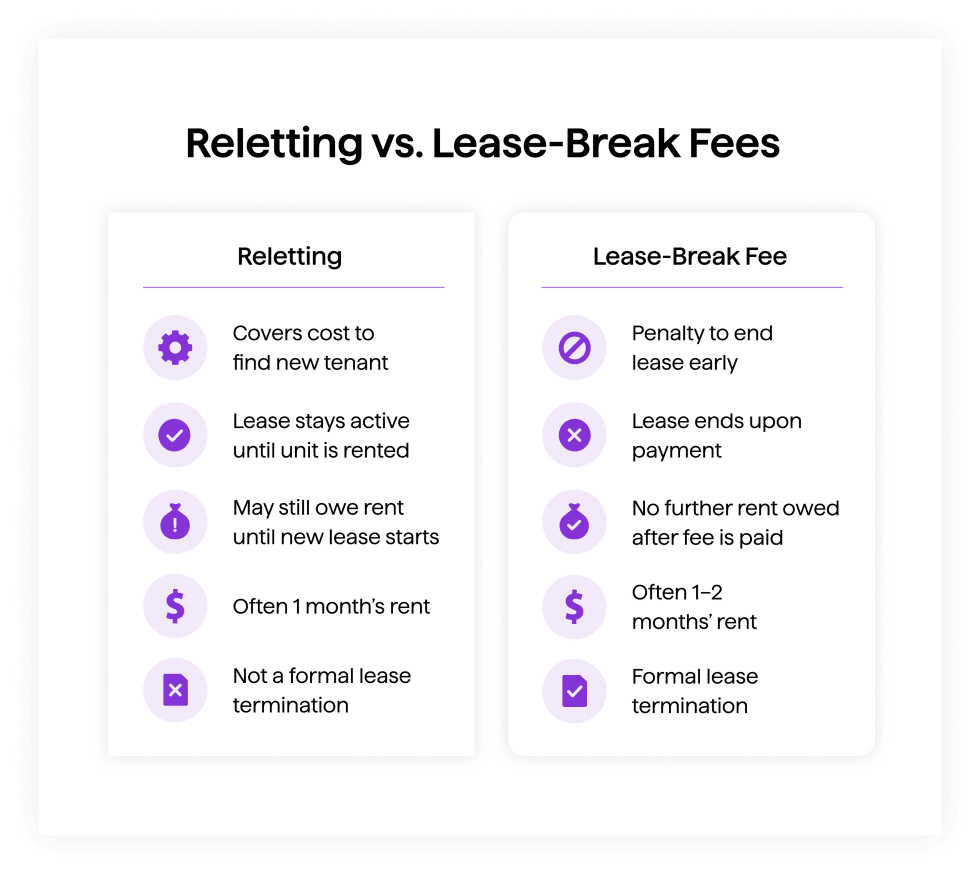
A reletting charge is essentially a compensatory fee. When a tenant breaks a lease early, the landlord faces a period of potential vacancy and must invest time and resources to find a suitable replacement. The reletting charge is intended to reimburse the landlord for these efforts and expenses, ensuring they are not financially disadvantaged by the early termination. It is not a penalty for breaking the lease itself, but rather a recovery of the direct costs associated with “reletting” the property.
The legal basis for a reletting charge almost always stems from the lease agreement itself. Most comprehensive leases will include a clause detailing the tenant’s financial obligations should they terminate the agreement before its stipulated end. This clause will often specify the reletting charge, either as a fixed amount (e.g., a percentage of one month’s rent) or as an agreement that the tenant will be responsible for the actual costs incurred by the landlord.
It’s vital to distinguish a reletting charge from other fees that might be associated with breaking a lease. Some lease agreements might include a flat “lease break fee” or “liquidated damages” clause, which is a pre-agreed sum paid regardless of the actual costs of finding a new tenant. While some jurisdictions allow such fees, many states and local laws scrutinize them to ensure they are not punitive and represent a reasonable estimate of actual damages. A reletting charge, by contrast, is more specifically tied to the demonstrable expenses of remarketing and re-renting the property, falling under the landlord’s duty to mitigate damages. This distinction is critical for both parties, as it grounds the charge in real financial outlays rather than arbitrary penalties.
Components of a Reletting Charge
To truly grasp what a reletting charge covers, it’s helpful to break down the typical expenses a landlord might incur when forced to find a new tenant mid-lease. These components represent the direct financial and administrative burdens that the reletting charge aims to offset.
Marketing and Advertising Costs
When a property becomes vacant unexpectedly, landlords must swiftly re-advertise it to minimize lost rent. This involves a range of potential costs. These can include fees for listing the property on popular online rental platforms (e.g., Zillow, Apartments.com, local MLS), creating and distributing physical flyers or brochures, placing newspaper advertisements, or erecting “For Rent” signs. Professional photography or virtual tour services, which enhance a listing’s appeal, also fall under this category. Each of these activities carries a cost, and collectively, they can add up, especially if the market is slow or the property requires extensive exposure to attract suitable applicants.
Tenant Screening and Vetting
Once potential applicants emerge, landlords must rigorously vet them to ensure they are reliable and financially capable. This crucial step involves various expenses. Costs for running background checks to assess criminal history, credit checks to evaluate financial responsibility, and eviction history reports are standard. Additionally, there might be fees associated with verifying employment, income, and previous rental references. Processing applications and the administrative time involved in reviewing these documents also contribute to the overall cost of securing a new, qualified tenant.
Agent Commissions
For many landlords, particularly those who manage multiple properties or lack the time and expertise, engaging a real estate agent or leasing professional is a necessary step to quickly re-rent a property. These professionals handle everything from marketing and showings to screening and lease negotiation. Their services, however, come at a cost, typically a commission equivalent to a portion of one month’s rent (e.g., 50% to 100% of the first month’s rent) or a flat fee. This commission often represents one of the most significant components of a reletting charge, reflecting the substantial effort and expertise an agent brings to the process.
Administrative Overhead
Beyond the direct, easily quantifiable expenses, there is also an element of administrative overhead. This encompasses the property manager’s or landlord’s own time spent coordinating showings, responding to inquiries, negotiating with potential tenants, preparing new lease documents, and conducting move-in inspections with new occupants. While harder to quantify with a specific receipt, this time has a tangible value and contributes to the overall burden of reletting the property. Some leases may define this as a fixed administrative fee or a pro-rated hourly rate.
Legal Framework and Regional Variations
The enforceability and scope of reletting charges are not uniform across all jurisdictions. They are heavily influenced by state and local landlord-tenant laws, which aim to balance the landlord’s right to recover costs with the tenant’s protection against excessive or arbitrary fees.
State and Local Laws
Many states and municipalities have specific regulations governing what landlords can charge when a tenant breaks a lease. Some laws mandate that reletting charges must be “reasonable” and reflect actual, documented expenses, rather than serving as a punitive measure. For example, some jurisdictions cap the reletting charge at a specific percentage of one month’s rent or a fixed dollar amount, regardless of the landlord’s actual costs. Other areas might prohibit such charges entirely unless they are clearly outlined and justified in the lease. Tenants should always consult their local landlord-tenant laws or seek legal advice to understand their specific rights and obligations.
Lease Agreement Importance
The lease agreement is the primary legal document governing the landlord-tenant relationship, and its terms regarding early termination and reletting charges are paramount. For a reletting charge to be enforceable, it must typically be clearly and explicitly outlined in the original lease. This includes defining what the charge covers, how it is calculated, and under what circumstances it applies. Ambiguity or a lack of specific language in the lease can render a reletting charge unenforceable, leading to disputes. It is therefore crucial for both parties to carefully read and understand these clauses before signing any agreement.
Duty to Mitigate Damages
A cornerstone of landlord-tenant law, particularly concerning early lease terminations, is the landlord’s “duty to mitigate damages.” This legal principle requires landlords to take reasonable and prompt steps to re-rent the property after a tenant breaks a lease. The purpose is to minimize the financial losses for both the landlord and the departing tenant. A landlord cannot simply allow a property to sit vacant for the remainder of the lease term and then charge the former tenant for all the lost rent. Instead, they must actively market the property, screen new tenants, and make a good-faith effort to find a replacement. If a landlord fails to mitigate damages, a court may reduce the amount of reletting charges or lost rent the former tenant is liable for. This duty ensures fairness and prevents landlords from profiting from a tenant’s early departure.
“Reasonable” vs. Arbitrary Fees
The concept of “reasonableness” is frequently central to disputes over reletting charges. A reletting charge is generally considered reasonable if it directly corresponds to the actual, verifiable costs incurred by the landlord in finding a new tenant. Charges that are excessive, appear to be a disguised penalty, or cannot be substantiated with receipts and records are likely to be challenged and may be deemed unenforceable by a court. For instance, charging an agent commission when the landlord performed all reletting duties themselves, or charging an exorbitant advertising fee for minimal exposure, would likely be considered unreasonable. Landlords must be prepared to itemize and justify the components of the reletting charge to demonstrate its reasonableness.
Navigating a Reletting Charge: Tenant and Landlord Perspectives
Understanding how to approach a reletting charge from both sides of the rental agreement is essential for a smoother, less contentious process.
For Tenants Breaking a Lease
If you find yourself in a situation where you need to break your lease, proactive and informed action can significantly impact your financial liability.
- Review Your Lease Thoroughly: Before taking any steps, meticulously re-read your entire lease agreement. Pay close attention to clauses related to early termination, reletting charges, and any stipulations regarding subleasing or assignment. This is your primary legal guide.
- Communicate Early and Openly: Inform your landlord as soon as possible about your intent to vacate. Open and honest communication can foster a more cooperative environment and potentially lead to a negotiated solution.
- Understand State Laws: Familiarize yourself with your state’s and city’s landlord-tenant laws regarding lease breaks and reletting charges. Knowing your rights and the landlord’s obligations (like the duty to mitigate damages) will empower you in discussions.
- Offer Assistance: While the landlord is ultimately responsible for finding a new tenant, offering to help (e.g., by sharing the listing with your network, referring potential applicants, keeping the property clean for showings) can demonstrate good faith. While the landlord retains the right to approve all tenants, your assistance might expedite the process and potentially reduce the duration of your liability for rent or the reletting costs.
- Negotiate: Be prepared to negotiate the reletting charge. If you can help find a suitable replacement quickly, or if the landlord’s actual costs are lower than initially estimated, you might be able to agree on a reduced fee.
- Keep Meticulous Records: Document all communications with your landlord (dates, times, content of conversations, emails, letters). Keep copies of any advertisements you shared, potential tenant referrals, and receipts for any expenses you might incur related to the reletting process.
For Landlords
When a tenant breaks a lease, landlords must act judiciously to protect their financial interests while adhering to legal requirements.
- Ensure Lease Clarity: Your lease agreement must explicitly define the reletting charge, its calculation, and what it covers, ensuring it aligns with local landlord-tenant laws. This proactive measure is your strongest defense against future disputes.
- Keep Detailed Records of Expenses: Meticulously track and document every expense incurred in re-renting the property. This includes receipts for advertising, invoices for tenant screening services, and records of agent commissions. These records are crucial for justifying the reletting charge and demonstrating its reasonableness.
- Act Diligently to Re-Rent: Fulfill your legal duty to mitigate damages by actively marketing the property and making reasonable efforts to find a new tenant as quickly as possible. This means advertising the property promptly, showing it to prospective tenants, and processing applications efficiently.
- Be Transparent: Communicate clearly and transparently with the departing tenant about the reletting process and the associated costs. Providing a breakdown of expenses can help prevent misunderstandings and disputes.
- Differentiate Charges: Be clear about the difference between a reletting charge (covering costs to find a new tenant) and any other lease break penalties. Ensure all charges are permissible and reasonable under your local laws.
Financial Implications and Best Practices
Reletting charges, while often unexpected, carry significant financial implications for both tenants and landlords. Proactive financial planning and adherence to best practices can help mitigate potential issues.
Impact on Personal Finance
For a tenant, an unplanned reletting charge can represent a substantial financial burden. This cost is often incurred at a time when they are already facing moving expenses, security deposit requirements for a new place, and potentially overlapping rent payments. Without adequate savings, this can lead to financial strain, credit card debt, or difficulty securing new housing. From a landlord’s perspective, the process of reletting, even with a charge, can result in temporary income loss, administrative burden, and the potential for a new tenant who may not be as reliable as the previous one.
Budgeting for Contingencies
Both parties can benefit from financial preparedness. Tenants should consider building an emergency fund that could cover unexpected costs like reletting charges or early lease termination fees. While rare, some specialized renter’s insurance policies might offer limited coverage for certain lease-breaking scenarios, though generally, reletting charges are considered a tenant’s direct financial responsibility. Landlords should also factor potential vacancies and reletting expenses into their property management budgets, maintaining a reserve fund for such contingencies.
Alternative Solutions
Before a tenant resorts to breaking a lease and incurring reletting charges, exploring alternative solutions can be financially advantageous.
- Subleasing: If permitted by the lease agreement and local laws, subleasing involves the original tenant finding a new occupant (the subtenant) to live in the property and pay rent for a portion of the original lease term. The original tenant typically remains ultimately responsible to the landlord for the lease. This can often avoid reletting charges.
- Lease Assignment: Similar to subleasing, but an assignment transfers the entire remaining lease obligation from the original tenant to a new tenant (the assignee). This requires landlord approval and effectively removes the original tenant from the lease agreement. Both options require careful consideration, landlord approval, and adherence to legal guidelines, but they can circumvent the need for the landlord to re-market the property, thereby avoiding reletting charges.

Dispute Resolution
Despite best efforts, disputes over reletting charges can arise. If an agreement cannot be reached through direct communication, several avenues for resolution exist. Mediation, involving a neutral third party to facilitate discussion, can be a cost-effective solution. Arbitration provides a more formal, legally binding decision by an arbitrator. For larger sums or persistent disagreements, small claims court is often an option. In any dispute, thorough documentation—including copies of the lease, all communications, and itemized expense records—is paramount for both landlords and tenants to present their case effectively. Seeking legal counsel specializing in landlord-tenant law can provide valuable guidance in these situations.
Understanding what a reletting charge entails, its legal underpinnings, and the financial implications allows both landlords and tenants to navigate early lease terminations with greater clarity, potentially avoiding costly disputes and fostering more transparent financial dealings in the rental market.
aViewFromTheCave is a participant in the Amazon Services LLC Associates Program, an affiliate advertising program designed to provide a means for sites to earn advertising fees by advertising and linking to Amazon.com. Amazon, the Amazon logo, AmazonSupply, and the AmazonSupply logo are trademarks of Amazon.com, Inc. or its affiliates. As an Amazon Associate we earn affiliate commissions from qualifying purchases.