
In the intricate landscape of career advancement, professional development, and financial growth, understanding prerequisite coursework is not merely an academic exercise; it’s a strategic imperative. Often viewed as the foundational building blocks, prerequisite coursework refers to specific courses or a body of knowledge that must be successfully completed before an individual can enroll in a more advanced program, course, certification, or even embark on certain professional pathways. From securing a lucrative career to launching a successful business, these foundational requirements play a critical role in shaping one’s financial trajectory and return on educational investment.
The Foundational Layer of Your Financial Future
At its core, prerequisite coursework is about establishing a minimum competency and ensuring students or professionals possess the necessary foundational skills and understanding to succeed in subsequent, more complex endeavors. For anyone looking to invest in their human capital – their knowledge, skills, and abilities – these prerequisites are the gatekeepers to higher-level opportunities and, by extension, greater earning potential.
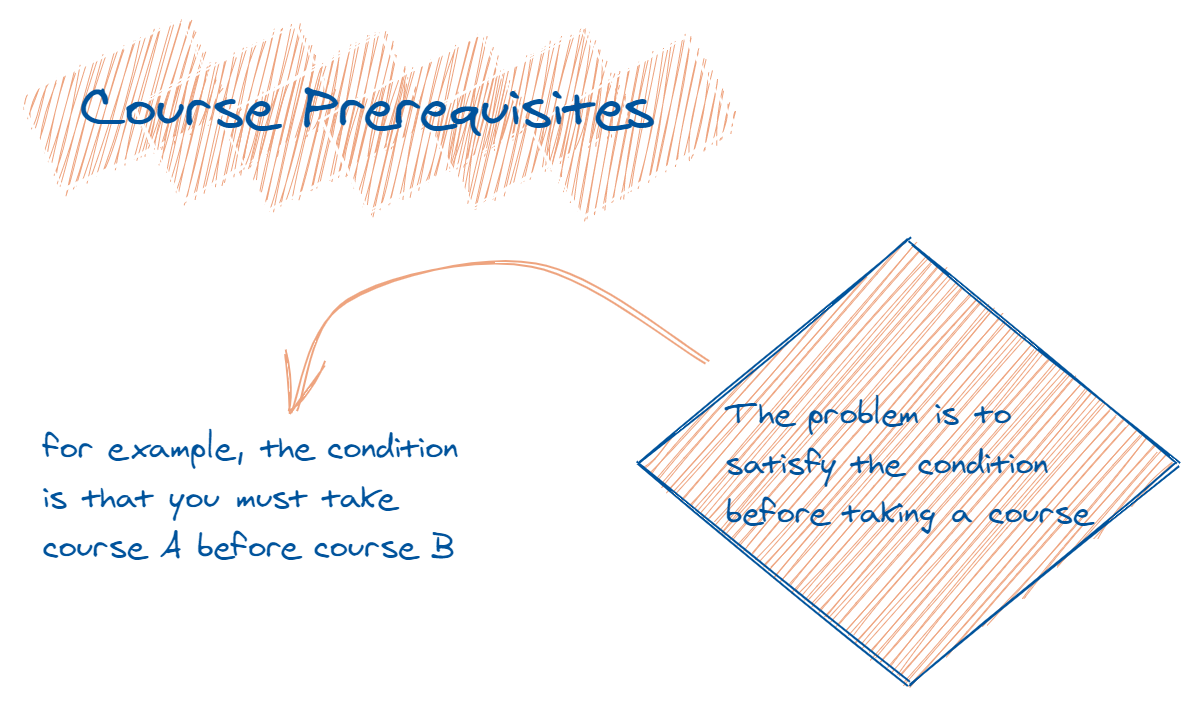
Defining Prerequisite Coursework
Prerequisite coursework can manifest in various forms:
- Academic Courses: These are the most common, where successful completion of specific introductory subjects (e.g., Calculus I before Calculus II, Microeconomics before Advanced Economic Theory) is required for enrollment in higher-level university or college courses.
- Degree Requirements: Many graduate programs, such as an MBA or a Master’s in Finance, demand specific undergraduate degrees or a certain number of credits in relevant subjects like accounting, statistics, or economics.
- Professional Certifications: Licensing bodies for fields like Certified Financial Planning (CFP®), Certified Public Accountant (CPA), or Project Management Professional (PMP®) often mandate specific educational backgrounds or modules before candidates can sit for their exams.
- Skill-Based Entry: For specialized training programs, bootcamps (e.g., coding, data science), or vocational schools, prerequisites might include demonstrating proficiency in basic computing, mathematics, or even possessing certain soft skills.
- Work Experience: While not always “coursework” in the traditional sense, relevant work experience can sometimes serve as a prerequisite, signifying practical knowledge equivalent to formal education.
The underlying purpose is consistent: to ensure preparedness, minimize failure rates in advanced stages, and standardize the knowledge base for a cohort.
Why Prerequisites Matter for Your Wallet
The direct correlation between prerequisite coursework and financial outcomes is profound. Ignoring or underestimating these requirements can lead to wasted time, money, and missed opportunities. Conversely, strategically addressing them can unlock significant financial benefits:
- Efficient Progression: By ensuring you have the necessary groundwork, prerequisites prevent you from struggling in advanced courses, potentially saving you tuition money and time by avoiding retakes.
- Access to High-Demand Fields: Many of the highest-paying professions – in finance, tech, healthcare, and engineering – have stringent prerequisite structures. Fulfilling these is the entry ticket.
- Enhanced Employability: Employers often look for candidates with specific educational backgrounds or certifications, which inherently means they’ve met the underlying prerequisites. This makes you a more competitive and, thus, more valuable candidate.
- Credentialing and Trust: Professional certifications, which often have prerequisites, build credibility and trust with clients and employers, directly impacting your ability to secure higher-paying roles or attract more business.
Strategic Investment in Human Capital
Viewing prerequisite coursework through the lens of investment underscores its significance. Just as a business makes strategic investments in infrastructure or technology, an individual invests in their human capital by pursuing education and certifications. These initial, foundational courses are often the most critical investments, yielding substantial long-term dividends.
Unlocking Higher Earning Potential
The link between education, specialization, and earning potential is well-documented. Careers requiring advanced degrees or specific professional licenses almost invariably command higher salaries. The journey to these roles begins with prerequisites. For example, to become a quant analyst in a hedge fund, an individual typically needs a strong foundation in mathematics, statistics, and computer science – all of which are built upon prerequisite undergraduate coursework. Without this foundational investment, accessing these lucrative career paths becomes impossible, effectively capping one’s potential earnings.
Navigating Career Transitions and Specializations
In today’s dynamic job market, career transitions and specialization are increasingly common. Someone looking to pivot from a general business role into forensic accounting, for instance, might need to complete prerequisite accounting courses to qualify for a Master’s in Forensic Accounting or to pursue a CPA license. Similarly, a marketing professional eyeing a shift into data analytics might need foundational coursework in statistics, Python, or R. These prerequisites aren’t barriers; they are structured pathways designed to equip individuals with the distinct skillset required for a new, often higher-paying, specialized role.
Accelerating Entrepreneurial Ventures
Even for entrepreneurs, prerequisite knowledge is invaluable. While formal degrees aren’t always mandatory for starting a business, a strong understanding of business finance, market analysis, legal structures, and economics – subjects typically learned through specific coursework – can dramatically increase the likelihood of success. An entrepreneur who has completed prerequisite courses in accounting and financial modeling will be far better equipped to manage cash flow, seek investment, and make sound strategic decisions than one who lacks this foundational knowledge. For those seeking capital, demonstrating a robust understanding of their business’s financial underpinnings, often gained through formal study, can be a crucial differentiator.
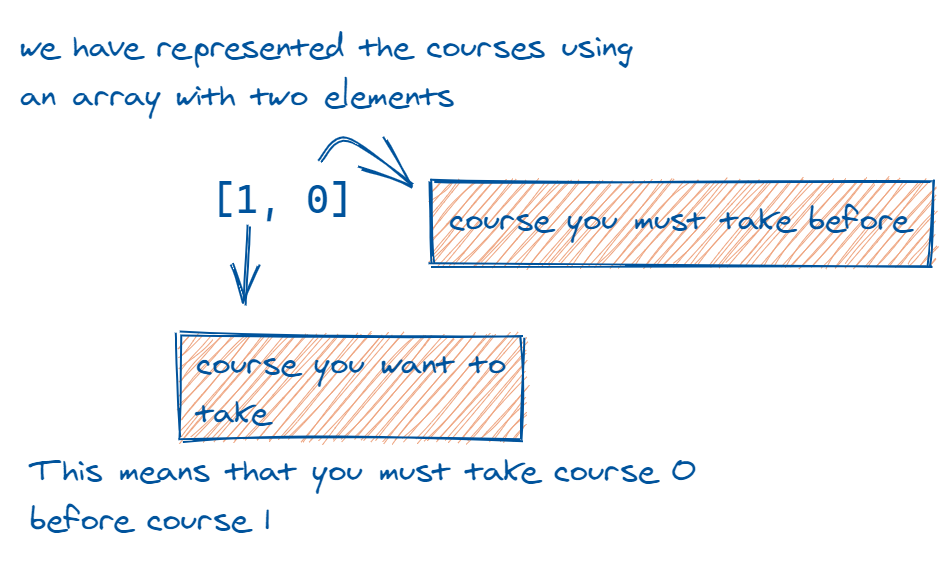
Practical Applications Across Financial Realms
The concept of prerequisite coursework permeates various domains within the financial world, dictating entry and success.
Personal Finance Certifications and Degrees
For individuals aiming to advise others on personal finance or manage their own wealth effectively, specific educational prerequisites are common.
- Certified Financial Planner (CFP®): To sit for the CFP® exam, candidates must meet specific educational requirements, often including a bachelor’s degree and coursework in financial planning, investments, insurance, tax planning, retirement planning, and estate planning, delivered through a CFP Board-registered program. These foundational courses are the prerequisites for entry into a highly respected and financially rewarding profession.
- Investment Banking/Fund Management: While not always formalized as “prerequisites” for specific jobs, a strong academic background in finance, economics, mathematics, or statistics (all of which have their own intricate prerequisite chains) from a reputable university is virtually a prerequisite for entry into these competitive and high-earning fields.
Business Acumen and Advanced Studies
For those seeking to elevate their understanding of business finance or executive leadership, prerequisites are non-negotiable.
- Master of Business Administration (MBA): Top MBA programs often require applicants to have a certain amount of work experience, a strong undergraduate academic record, and sometimes specific undergraduate coursework in quantitative subjects. Furthermore, many programs suggest or require foundational knowledge in areas like statistics, accounting, and economics. These are designed to ensure all students enter the rigorous curriculum with a baseline understanding.
- Certified Public Accountant (CPA): Aspiring CPAs must complete 150 semester hours of college coursework, with a specific number of credits in accounting and business-related subjects. These constitute the prerequisites for licensure in a profession critical for corporate finance, auditing, and tax planning.
Skills for Online Income and Side Hustles
Even in the less formal world of online income and side hustles, prerequisites are subtly at play.
- Coding Bootcamps: Many intensive coding bootcamps, which can lead to high-paying tech jobs or enable lucrative freelance development, require applicants to complete introductory programming modules or demonstrate basic logical thinking skills before acceptance.
- Digital Marketing Certifications: While accessible, advanced certifications in areas like Google Ads, SEO, or social media marketing often assume a basic understanding of marketing principles, analytics, and business strategy – knowledge frequently gained through introductory coursework or practical experience.
- Financial Content Creation/Consulting: To be credible and effective in offering financial advice or creating content on topics like investing or budgeting, a strong foundational knowledge of financial markets, economic principles, and regulatory frameworks is an essential prerequisite, whether gained through formal education or extensive self-study.
Maximizing Your Prerequisite Path
Strategically navigating prerequisite coursework is crucial for maximizing your educational investment and ultimately your financial returns.
Planning and Due Diligence
Before committing to a degree, certification, or career change, thoroughly research the prerequisite requirements. Consult academic advisors, program coordinators, and professional organizations. Understand not just what is required, but why it’s required, to appreciate its value. Map out a clear academic or training pathway that efficiently addresses these prerequisites, avoiding unnecessary courses or delays.
Assessing Return on Investment (ROI)
Every course, especially prerequisites, represents an investment of time, money, and effort. Evaluate the potential ROI of fulfilling specific prerequisites. Will completing these courses unlock access to a significantly higher-paying job, a more desirable career path, or a highly valuable certification? Consider the direct costs (tuition, books) and indirect costs (opportunity cost of time) against the projected future earnings and career benefits.

Alternative Pathways and Prior Learning
Sometimes, there are alternative ways to fulfill prerequisites.
- Credit by Exam: Some institutions allow students to test out of introductory courses.
- Prior Learning Assessment (PLA): Relevant work experience or self-study might be assessed for credit, allowing individuals to bypass certain prerequisites.
- Non-Credit Courses/Bootcamps: For some skills, a specialized bootcamp or non-credit course might provide the necessary foundation more quickly and affordably than traditional academic courses, especially for online income or side hustle skills.
- Online Learning Platforms: Platforms like Coursera, edX, or Khan Academy offer courses that can build foundational knowledge, sometimes even granting verified certificates that can be leveraged for program entry or skill demonstration.
In conclusion, prerequisite coursework is far more than an academic hurdle; it is a critical component of strategic financial planning and career development. By understanding, respecting, and efficiently fulfilling these foundational requirements, individuals pave their way to advanced opportunities, higher earning potential, and greater overall financial success in a competitive global economy.
aViewFromTheCave is a participant in the Amazon Services LLC Associates Program, an affiliate advertising program designed to provide a means for sites to earn advertising fees by advertising and linking to Amazon.com. Amazon, the Amazon logo, AmazonSupply, and the AmazonSupply logo are trademarks of Amazon.com, Inc. or its affiliates. As an Amazon Associate we earn affiliate commissions from qualifying purchases.