
Phenolic material refers to a class of synthetic polymers derived from the reaction of phenol (or substituted phenol) with formaldehyde. Commonly known as phenolic resins, these thermosetting plastics are among the oldest and most versatile synthetic polymers ever developed, first commercialized by Leo Baekeland in the early 20th century under the brand name Bakelite. Their unique combination of properties has made them indispensable across a vast array of industries, particularly within the realms of technology, electronics, and advanced manufacturing. Understanding phenolic materials is crucial for anyone keen on the foundational components that enable much of our modern technological landscape.

The Science Behind Phenolic Resins
At its core, a phenolic material begins as a phenolic resin, a synthetic polymer characterized by its rigid, cross-linked structure. This structure is the key to its exceptional performance, especially under demanding conditions.
Origins and Chemical Composition
The primary raw materials for phenolic resins are phenol (C₆H₅OH) and formaldehyde (HCHO). Phenol is an organic compound featuring a hydroxyl group attached directly to a benzene ring, while formaldehyde is a simple organic compound with a single carbon atom. The reaction between these two components, typically catalyzed by an acid or a base, leads to the formation of a polymer. Depending on the ratio of reactants and the catalyst used, two main types of phenolic resins are produced: resols and novolacs.
Resols are typically formed with an excess of formaldehyde and a basic catalyst. These resins are “one-step” resins because they contain reactive methylol groups and can cure directly upon heating, forming a highly cross-linked network. Novolacs, on the other hand, are produced with an excess of phenol and an acidic catalyst. They are “two-step” resins, meaning they require the addition of a curing agent, often hexamethylenetetramine (hexa), to provide the necessary formaldehyde for cross-linking and full curing. This curing process, known as thermosetting, creates an irreversible chemical bond, resulting in a material that does not melt upon reheating, distinguishing it from thermoplastics.
The Polymerization Process
The magic of phenolic materials lies in their polymerization process. During curing, the linear polymer chains link together to form a complex, three-dimensional network. This cross-linking fundamentally alters the material’s properties, making it incredibly strong, rigid, and resistant to heat and chemicals. Unlike thermoplastics that can be repeatedly melted and reshaped, phenolic materials undergo a chemical transformation during curing that makes them permanently set. This thermosetting nature is a critical advantage in applications where structural integrity and performance under extreme conditions are paramount.
The precise control over the initial resin formulation and the curing conditions allows manufacturers to tailor the final material’s properties for specific technological applications, from optimizing electrical insulation to enhancing mechanical strength or improving heat dissipation.
Key Properties and Advantages in Technology
The enduring relevance of phenolic materials in modern technology stems directly from their remarkable properties. These attributes make them ideal for components that face rigorous operational demands.
Exceptional Thermal Stability
One of the most defining characteristics of phenolic materials is their superior thermal stability. Once cured, they can withstand extremely high temperatures without degrading, deforming, or losing their structural integrity. This resistance to heat, often up to 200°C or even higher for specialized grades, is invaluable in electronics where components generate heat, in automotive applications like brake pads where friction creates intense heat, and in aerospace where thermal insulation is critical. Their low thermal conductivity also makes them excellent thermal insulators, preventing heat transfer in sensitive areas of technological devices.
Electrical Insulation Prowess
Phenolic materials are excellent electrical insulators. Their high dielectric strength and low dielectric constant make them ideal for preventing current leakage and short circuits in electronic components. This property is paramount in the design and manufacture of Printed Circuit Boards (PCBs), electrical switches, connectors, motor components, and various other electrical enclosures. In an era of increasingly complex and miniaturized electronics, reliable electrical insulation is non-negotiable, and phenolics consistently deliver on this front, ensuring the safe and efficient operation of countless devices.
Chemical Resistance and Durability
The highly cross-linked structure of cured phenolic resins provides robust resistance to a wide range of chemicals, including many acids, bases, and organic solvents. This chemical inertness ensures that components made from phenolic materials maintain their performance and integrity even when exposed to harsh industrial environments or corrosive substances. Coupled with inherent hardness and resistance to wear and abrasion, phenolic materials offer exceptional long-term durability, reducing the need for frequent replacement and contributing to the longevity of technological systems.

Mechanical Strength and Lightweight Nature
Despite their rigidity, phenolic materials exhibit impressive mechanical strength. They possess high compressive strength, good flexural strength, and excellent dimensional stability, meaning they resist warping or changing shape under stress or varying environmental conditions. Furthermore, they can be compounded with various fillers—such as wood flour, glass fibers, or carbon fibers—to further enhance specific mechanical properties like impact resistance or tensile strength. Despite their strength, they remain relatively lightweight compared to many metals, which is a significant advantage in applications where weight reduction is critical, such as in aerospace, drones, or portable electronic devices.
Diverse Applications Across the Tech Landscape
The combination of thermal stability, electrical insulation, chemical resistance, and mechanical strength has cemented phenolic materials’ role across a vast spectrum of technological applications.
Electronics and Printed Circuit Boards (PCBs)
Perhaps the most ubiquitous application of phenolic materials in tech is in the manufacturing of Printed Circuit Boards (PCBs). While more advanced boards often use epoxy-based laminates (FR-4), basic and single-sided PCBs, especially for consumer electronics, often utilize paper-phenolic laminates (FR-1, FR-2, or XPC). These laminates offer a cost-effective substrate with excellent electrical insulating properties and sufficient mechanical strength to support electronic components. Beyond the board itself, phenolic resins are used in lamp bases, electrical switches, connectors, coil forms, and various insulating parts within motors and generators, all benefiting from their dielectric properties and heat resistance.
Automotive and Aerospace Components
In the automotive industry, phenolic compounds are essential for parts that require high heat and wear resistance. Brake pads, clutch linings, and transmission components frequently incorporate phenolic resins as binders for friction materials due to their ability to withstand extreme temperatures generated by friction without degrading. Under-the-hood components, where temperatures can soar, also benefit from phenolic’s thermal stability. In aerospace, phenolic composites are used for interior panels, cargo liners, and specific structural components that require high strength-to-weight ratios, fire retardancy, and resistance to elevated temperatures, particularly in engine nacelles and exhaust areas. Their low smoke and toxicity characteristics when exposed to fire are also crucial in these safety-critical environments.
Industrial Equipment and Manufacturing
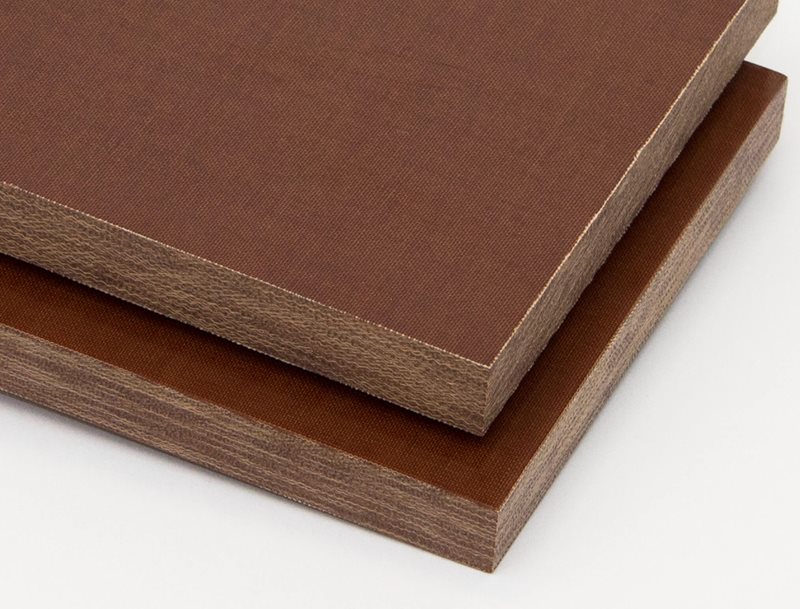
Beyond consumer and transport tech, phenolic materials play a vital role in heavy industry. They are found in high-performance bearings, gears, pulleys, and structural components where resistance to heat, chemicals, and wear is paramount. In the manufacturing sector, phenolic tooling boards are used for prototyping, model making, and jigs and fixtures due to their machinability, dimensional stability, and durability. Specialized phenolic formulations are also used as binders for refractory materials, abrasive wheels, and foundry molds, leveraging their ability to withstand the extreme temperatures involved in metal casting and high-temperature processing.
Emerging Technologies and Future Innovations
As technology continues to evolve, so too does the application of phenolic materials. Researchers are exploring advanced phenolic composites with nanoparticles or carbon fibers to create materials with even higher strength, thermal conductivity, or specialized electrical properties for next-generation electronics, energy storage, and smart structures. Their inherent fire resistance and low smoke emission make them attractive for battery enclosures in electric vehicles and energy storage systems. The ability to tailor their properties through formulation and processing ensures that phenolic materials will continue to be a foundational element in new technological breakthroughs, adapting to new demands for performance, sustainability, and efficiency.
Manufacturing and Environmental Considerations
The production and use of phenolic materials, while extensive, also involve specific manufacturing considerations and a growing focus on environmental responsibility.
Production Methods and Sustainability Efforts
Phenolic resins are typically produced through a condensation reaction in batch or continuous reactors. After synthesis, the liquid resin can be used directly or processed into molding compounds by mixing with fillers, pigments, and additives, then drying and grinding. The molding compounds are then compression molded, injection molded, or transfer molded into final parts. Advances in manufacturing focus on optimizing these processes for energy efficiency and reducing waste.
From a sustainability perspective, efforts are underway to develop bio-based phenols and formaldehyde derived from renewable resources, reducing reliance on petrochemicals. Additionally, due to their thermoset nature, traditional phenolic materials are not melt-recyclable in the same way thermoplastics are. However, research into chemical recycling (depolymerization) and mechanical recycling (grinding and using as filler in new composites) is progressing. The inherent durability and long lifespan of phenolic components also contribute to sustainability by reducing the frequency of replacement and minimizing resource consumption over the product’s lifetime.
Safety and Recycling
During the manufacturing of phenolic resins, proper ventilation and handling procedures are essential due to the nature of raw materials like formaldehyde. Once cured, phenolic materials are generally considered inert and safe. For end-of-life considerations, while not traditionally recycled via melting, some industries explore methods to repurpose phenolic waste. For instance, ground phenolic waste can be incorporated as a filler in other materials or used in construction applications. The focus in the tech sector is increasingly on circular economy principles, prompting ongoing innovation in how thermoset materials like phenolics can be more sustainably managed throughout their lifecycle, ensuring their continued benefit to technological advancement without undue environmental impact.
aViewFromTheCave is a participant in the Amazon Services LLC Associates Program, an affiliate advertising program designed to provide a means for sites to earn advertising fees by advertising and linking to Amazon.com. Amazon, the Amazon logo, AmazonSupply, and the AmazonSupply logo are trademarks of Amazon.com, Inc. or its affiliates. As an Amazon Associate we earn affiliate commissions from qualifying purchases.