
In the intricate world of intellectual property, a patent serves as a vital financial asset, granting its owner a period of exclusive rights to an invention. This exclusivity is a bedrock for innovation, enabling companies to recoup research and development investments and foster competitive advantage. However, the exact duration of this exclusivity is not always straightforward, thanks to a critical mechanism known as Patent Term Adjustment (PTA). Understanding PTA is not merely a legal technicality; it is a fundamental aspect of financial planning, investment strategy, and maximizing the economic value of intellectual property within a business’s portfolio.
The Financial Imperative of Patent Duration
The lifespan of a patent directly correlates with its financial utility and the sustained profitability it can generate. For businesses heavily reliant on innovation, such as those in pharmaceuticals, biotechnology, and advanced technology, the precise term of a patent can mean the difference between market dominance and marginalization.
The Core Value of Patent Exclusivity
A patent’s exclusivity is its primary financial attribute. It establishes a temporary monopoly, allowing the patent holder to prevent others from making, using, selling, offering for sale, or importing the patented invention. This monopoly enables premium pricing, facilitates market entry strategies without immediate competition, and provides a crucial window for market penetration and brand building. The longer this exclusive period, the greater the potential for accumulating significant economic returns. From a financial perspective, a patent is an intangible asset whose value depreciates over its lifespan, but whose annual cash flow generation is heavily front-loaded and protected during its exclusive term.
Impact on Revenue Streams and Market Dominance
For many companies, especially those with high R&D expenditures, patent-protected products are the lifeblood of their revenue streams. Pharmaceutical blockbusters, for instance, can generate billions in revenue during their protected period. A patent term extension, even by a few months, can translate into hundreds of millions or even billions of dollars in additional sales and profits. This directly impacts quarterly earnings, shareholder value, and a company’s ability to reinvest in future innovation. Extending exclusivity also allows a company to solidify its market position, build customer loyalty, and deter competitors, creating a stronger foundation for long-term growth and sustained profitability.
Investor Confidence and Valuation
Sophisticated investors and financial analysts scrutinize a company’s patent portfolio and its projected lifespan when assessing valuation. A robust portfolio with strong, long-lasting patents signals a sustainable competitive advantage and predictable future cash flows. Uncertainty around patent terms, or the potential for early expiration, can significantly depress a company’s stock price and reduce investor confidence. Conversely, the successful acquisition of PTA can be a positive signal to the market, indicating extended revenue certainty and bolstering a company’s enterprise value. This makes PTA a critical factor in mergers, acquisitions, and licensing agreements, where the value of intellectual property is often a primary determinant of deal terms.
Unpacking Patent Term Adjustment (PTA)
Patent Term Adjustment is a mechanism introduced by the American Inventors Protection Act of 1999 (AIPA) to compensate patent applicants for delays incurred during the patent prosecution process by the United States Patent and Trademark Office (USPTO). Prior to AIPA, such delays could significantly erode the effective term of a patent, diminishing its financial value.
The Rationale Behind PTA: Compensating for Delays
The core principle behind PTA is to ensure that patent holders receive the full benefit of their statutory 20-year patent term from the date of filing (for utility and plant patents). When the USPTO’s administrative processes – such as examination, issuance, or appellate review – extend beyond certain statutory deadlines, PTA adds days to the patent’s term, effectively compensating the applicant for the lost period of exclusivity. This prevents the erosion of a patent’s financial value due to factors outside the applicant’s control.
A-Delay, B-Delay, and C-Delay Explained
PTA is calculated based on three distinct categories of USPTO delays, each with specific triggers and financial implications:
- A-Delay (Delay in Issuing Initial Office Action): This delay occurs if the USPTO fails to issue an initial substantive office action or notice of allowance within 14 months from the filing date (or from the date of commencement of national stage processing for PCT applications). Every day beyond this 14-month window is added to the patent term. For businesses, extended A-delays mean a longer period of uncertainty regarding their intellectual property rights, potentially delaying market entry strategies or investment decisions. However, once granted, this delay provides a clear financial benefit through extended exclusivity.
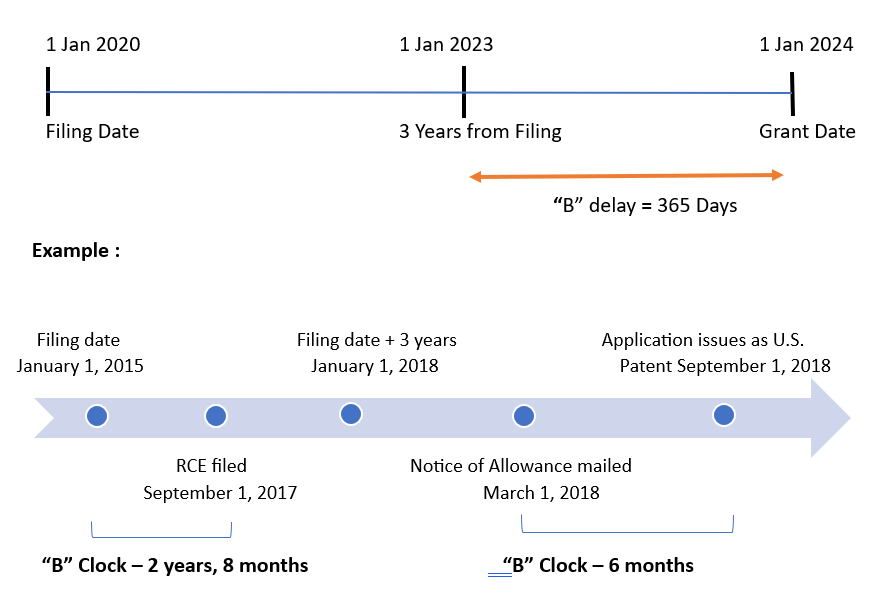
- B-Delay (Delay in Responding to Applicant or Issuing Patent): This category is triggered if the USPTO fails to issue a patent within three years of the application’s actual filing date (or national stage commencement date). It also includes delays where the USPTO fails to respond to a reply or appeal by the applicant within four months, or fails to act on a decision by the Patent Trial and Appeal Board within four months, or fails to issue the patent within four months after the payment of the issue fee and all required information. B-delays are often the most significant contributors to PTA, directly extending the financial runway for a patented product. Companies strategically planning product launches and market lifecycle need to factor potential B-delays into their financial models.
- C-Delay (Delay Due to Interference, Secrecy Order, or Appellate Review): This accounts for delays caused by interference proceedings, imposition of a secrecy order, or successful appellate review. While less common, these delays can be substantial and directly impact the financial timeline for complex inventions or those with national security implications. For businesses in highly competitive and litigious sectors, C-delays can be a critical financial buffer.
Applicant Delay and its Financial Consequences
Crucially, any days of delay caused by the applicant himself can reduce the total PTA. This “applicant delay” is subtracted from the total accrued PTA days. Examples include late responses to Office Actions, filing extensions, or submitting preliminary amendments that require additional examination. From a financial management perspective, minimizing applicant delay is paramount. Every day of applicant delay is a day of potential lost exclusivity that could translate into significant revenue loss. Therefore, efficient and timely prosecution of patent applications is not just a legal best practice, but a critical financial discipline.
Calculating and Maximizing PTA: A Strategic Financial Asset
Calculating PTA can be a complex endeavor, involving intricate legal interpretation and precise date tracking. However, understanding and proactively managing this process transforms PTA from a passive benefit into a strategic financial asset.
The Complexities of PTA Calculation
The USPTO calculates and provides a PTA determination on the face of the issued patent. However, this initial calculation can sometimes be incorrect, and applicants have a limited window (two months from the issue date) to petition for a recalculation. The computation itself involves adding up A, B, and C delays, then subtracting any days attributable to applicant delay, and finally applying a cap if multiple delays overlap. For example, if a “B-delay” period also encompasses an “A-delay” period, the applicant cannot double-dip on those specific days. This necessitates careful review by patent counsel, often working in tandem with a company’s finance and legal teams to ensure accuracy and maximum benefit. Overlooking a PTA error could cost a company substantial future revenue.
Proactive Strategies to Optimize PTA
To maximize PTA, and thus the financial value of a patent, companies must adopt a proactive and disciplined approach throughout the patent prosecution lifecycle:
- Minimizing Applicant Delay: This is the most direct way to preserve PTA. Filing responses to Office Actions promptly, avoiding unnecessary extensions, and ensuring all required information is submitted accurately and on time are critical. Legal teams should be incentivized to streamline the prosecution process, recognizing the financial impact of their efficiency.
- Strategic Filings and Prosecution: While not always desirable from a technical standpoint, sometimes a slightly longer prosecution that accumulates USPTO delays (A, B, or C delays) can lead to a more valuable patent if the extended term outweighs the costs of delayed issuance. This requires a sophisticated understanding of market dynamics, competitive landscape, and the financial life cycle of the invention.
- Understanding USPTO Operations: Being aware of typical USPTO examination times for specific art units can help in estimating potential PTA. This knowledge allows for better forecasting of patent expiry dates, which is crucial for financial modeling and product lifecycle management.
- Petitioning for Recalculation: Companies should always review the USPTO’s PTA calculation upon patent issuance. If there is a discrepancy that would result in a longer patent term, a timely petition for recalculation should be filed. The cost of such a petition is often a minuscule fraction of the potential financial gain.
Post-Grant Review and its Monetary Implications
Even after a patent is granted, its term can be affected by post-grant proceedings, such as reexaminations or inter partes reviews (IPR). If the USPTO causes delays in these proceedings, additional PTA may be granted. Conversely, challenging the validity of a competitor’s patent through IPR can effectively shorten its enforceable life, thereby impacting the competitor’s financial exclusivity. Understanding these mechanisms is vital for both enforcing one’s own patents and strategically challenging those of rivals, all with significant financial implications.
PTA in Practice: Case Studies and Broader Economic Effects
The real-world impact of Patent Term Adjustment is most vividly seen in sectors where innovation is rapid, R&D costs are high, and market exclusivity is paramount.
Pharmaceutical Sector: High Stakes and Blockbuster Patents
The pharmaceutical industry is arguably where PTA holds the most significant financial sway. Developing a new drug can cost billions of dollars and take over a decade. Once approved, every day of market exclusivity for a blockbuster drug can generate millions in revenue. A few months of PTA can easily translate into hundreds of millions or even billions of dollars in additional sales before generic competition enters the market. This extended exclusivity allows companies to maximize return on investment, fund future research, and maintain a competitive edge. Strategic management of PTA is thus a core pillar of financial planning for pharmaceutical companies.
Tech Innovation: Sustaining Competitive Advantage
While individual patents in the tech sector may not always command the same revenue multiples as a blockbuster drug, a portfolio of patents with maximized terms provides crucial long-term competitive advantage. For companies in software, hardware, or AI, longer patent terms mean extended periods of exclusive feature sets, design protection, or fundamental process improvements. This allows for greater freedom to operate, deterring direct imitation and enabling sustained market leadership and premium pricing for a longer duration. Financial analysts evaluating tech companies often look at the strength and longevity of their patent portfolios as indicators of future earnings potential.
The Economic Impact on R&D Investment
The availability of PTA incentivizes robust R&D investment. Knowing that administrative delays by the patent office won’t unfairly cut short their period of exclusivity encourages companies to pour more resources into groundbreaking innovation. Without PTA, the risk of a truncated effective patent life might deter some investments, particularly in high-risk, long-term projects. Thus, PTA supports a broader economic ecosystem that rewards innovation, leading to new products, job creation, and economic growth. From a national economic perspective, a well-functioning patent system, including effective PTA, contributes significantly to a country’s innovative capacity and global competitiveness.
Navigating the Future of Patent Term Adjustments
The landscape of patent law, including PTA, is constantly evolving, presenting both opportunities and challenges for businesses and their financial strategies.
Litigation Risks and the Cost of Enforcement
PTA calculations can be a source of litigation. Competitors might challenge the accuracy of a granted PTA, or dispute the interpretation of “applicant delay” to try and shorten a rival’s patent term. Such legal battles are costly, time-consuming, and introduce financial uncertainty. Companies must therefore be prepared to defend their PTA, ensuring robust documentation and expert legal counsel. The financial risk assessment for a patented product must include potential litigation costs related to PTA disputes.
International Considerations and Global Market Strategy
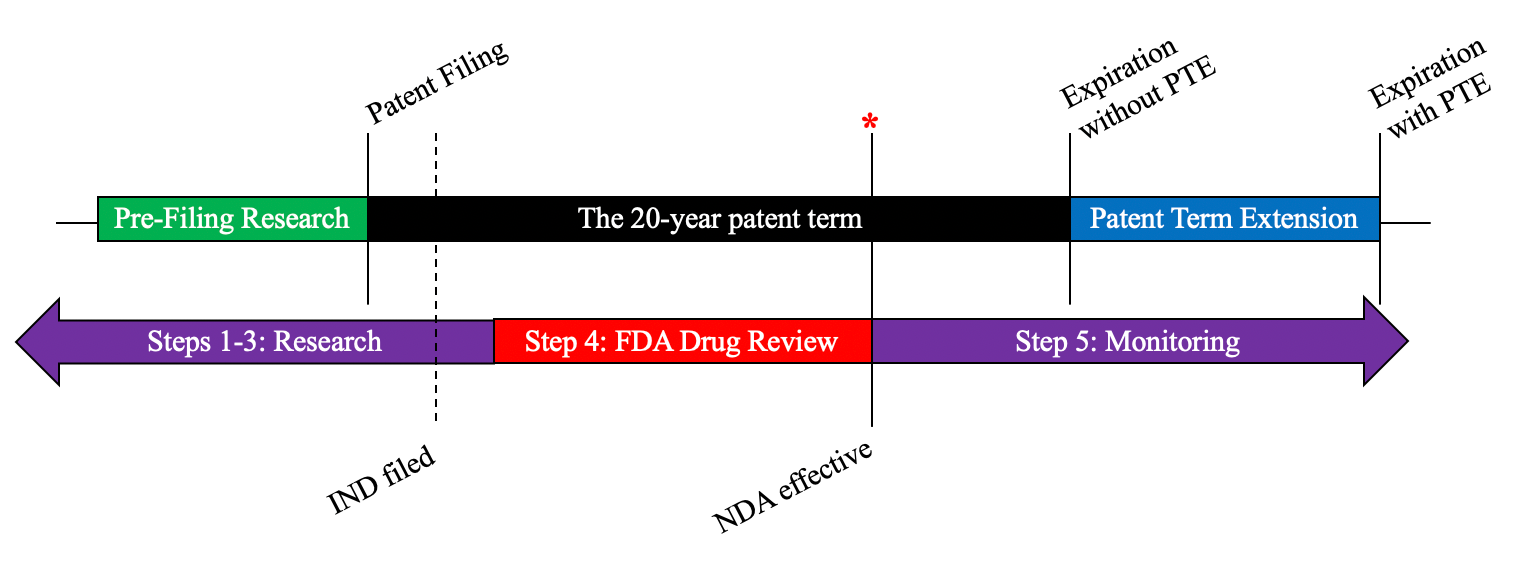
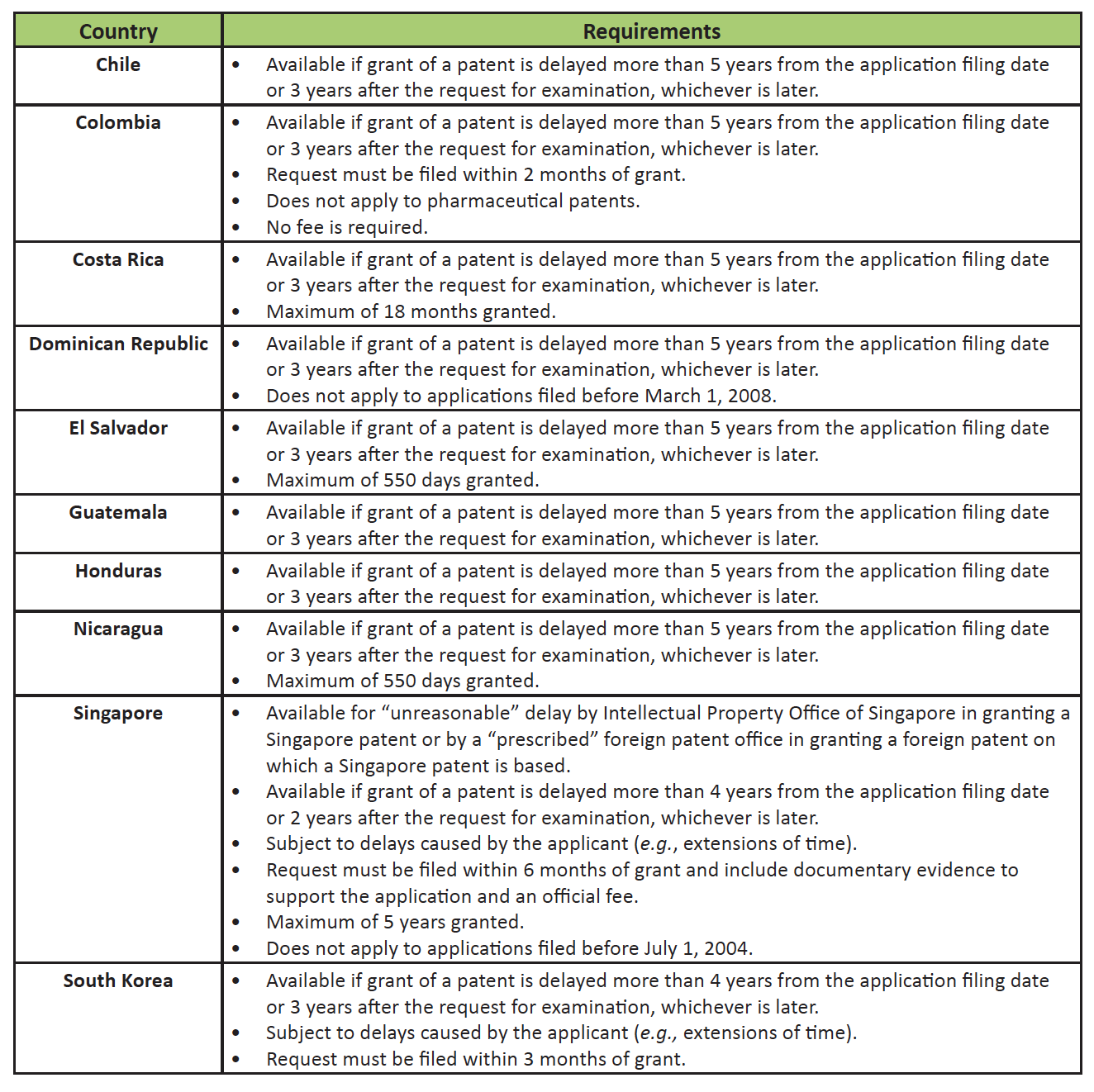
While PTA is specific to the U.S. patent system, similar mechanisms exist in other jurisdictions (e.g., Patent Term Extension in Europe for pharmaceutical products). Companies operating globally must integrate these various national rules into a cohesive international intellectual property and financial strategy. The cumulative effect of patent term adjustments and extensions across key markets can significantly impact global revenue projections and market entry timing.
Evolving Legal Landscape and Financial Planning
The rules governing PTA, like all aspects of patent law, are subject to judicial review and legislative change. Recent court decisions have clarified or modified aspects of PTA calculation, influencing how companies approach patent prosecution. Staying abreast of these developments is not just a matter for legal departments; it requires close coordination with finance, strategy, and R&D teams to adapt financial forecasts, investment decisions, and product development timelines. Proactive monitoring of the legal landscape ensures that businesses can maximize the financial return on their intellectual property and continue to leverage patents as powerful financial assets.
aViewFromTheCave is a participant in the Amazon Services LLC Associates Program, an affiliate advertising program designed to provide a means for sites to earn advertising fees by advertising and linking to Amazon.com. Amazon, the Amazon logo, AmazonSupply, and the AmazonSupply logo are trademarks of Amazon.com, Inc. or its affiliates. As an Amazon Associate we earn affiliate commissions from qualifying purchases.