
The innerspring mattress, a foundational pillar in sleep technology, represents a sophisticated fusion of material science and mechanical engineering designed to provide essential support, comfort, and durability. Far from a simple padded surface, its construction involves intricate systems of coils, comfort layers, and upholstery, all working in concert to create a robust sleeping platform. Understanding an innerspring mattress requires delving into its core components and the technological principles that govern its performance, revealing why it remains a prevalent choice in a rapidly evolving market of sleep solutions.
The Core Technology: Coil Systems
At the heart of every innerspring mattress lies its coil system, the primary component responsible for support and responsiveness. These metal coils, typically made from tempered steel, are engineered in various configurations, each offering distinct performance characteristics in terms of feel, durability, and motion isolation. The evolution of coil technology has been central to the innerspring mattress’s enduring relevance.
Bonnell Coils: The Legacy Design
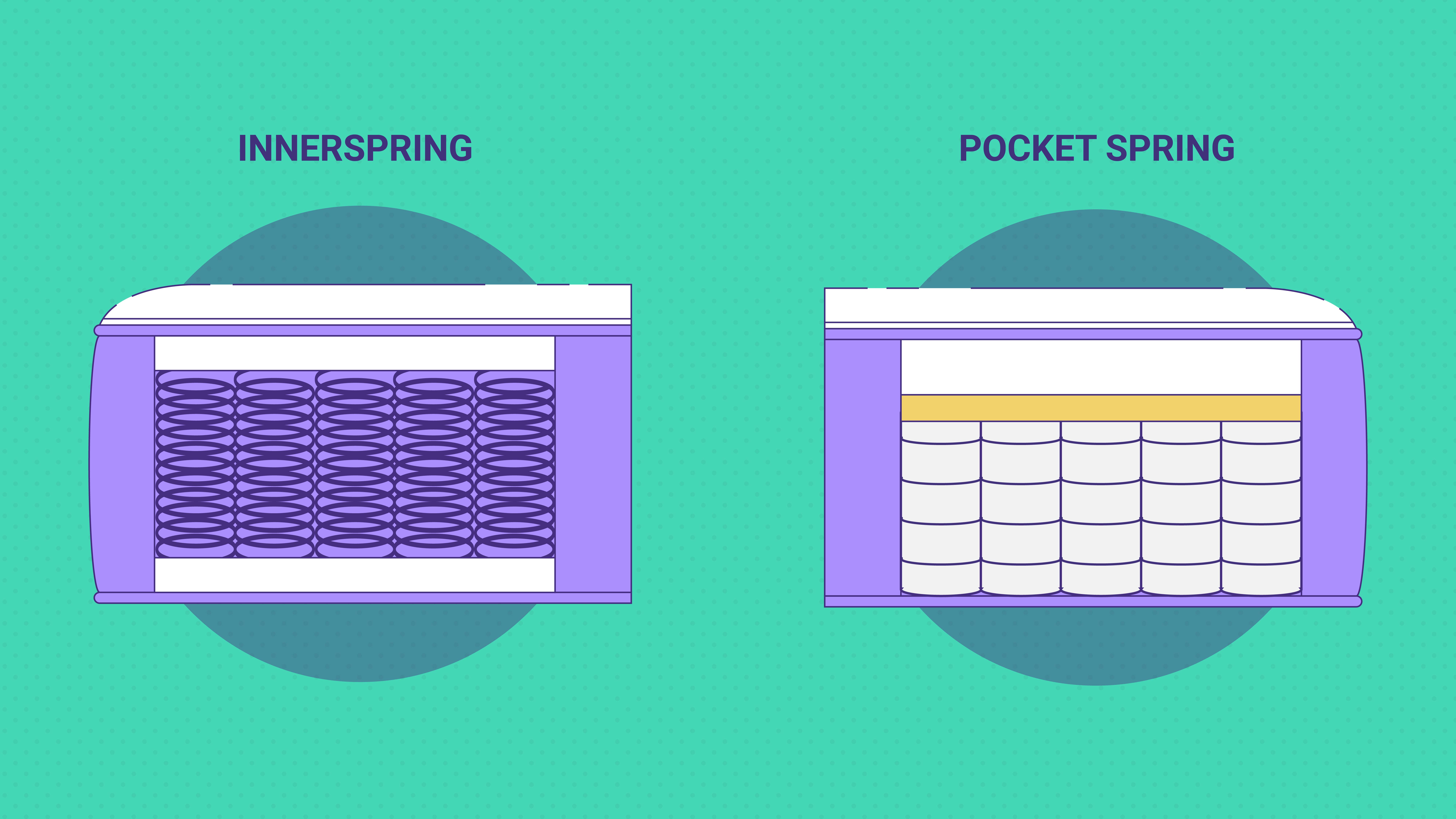
Bonnell coils represent the oldest and most widely used innerspring technology. Characterized by their hourglass shape, these coils are wire-tied together to form an interconnected unit. This design provides robust support and excellent durability, making Bonnell systems a cost-effective and resilient choice. Their open structure also promotes good airflow, contributing to a cooler sleep environment. However, the interconnected nature means that motion transfer can be more pronounced, as pressure on one coil can affect adjacent coils. Despite this, Bonnell coils remain a testament to effective, straightforward engineering, underpinning many entry-level and traditional mattress designs.
Offset Coils: Enhanced Articulation
Offset coils are an evolution of the Bonnell design, featuring a more rectangular shape with hinges at the top and bottom. These hinges allow the coils to conform more closely to the body’s contours than traditional Bonnell coils, offering a slight improvement in pressure relief and reduced motion transfer. When compressed, the hinged coils create a “hinging” action, providing a softer initial feel while still delivering firm support deeper down. This mechanical articulation makes offset coil systems a step up in sophistication, balancing traditional durability with enhanced responsiveness.
Continuous Coils: Durability Through Simplicity
Continuous coil systems, as the name suggests, are constructed from a single strand of steel wire woven into a series of S-shaped or circular coils. This integrated structure forms a highly durable and stable support core. The continuous nature minimizes the number of potential failure points, enhancing the mattress’s longevity and resistance to sagging. While offering excellent support and durability, continuous coil systems typically exhibit similar motion transfer characteristics to Bonnell designs due to their interconnectedness. Their engineering emphasizes robustness and uniformity across the sleep surface.
Pocketed Coils: Precision and Isolation
Pocketed coils, also known as Marshall coils, represent the pinnacle of innerspring technology in terms of personalized support and motion isolation. Each coil is individually wrapped in a fabric pocket, allowing it to move independently of its neighbors. This independent movement enables the mattress to contour more precisely to the body’s unique shape, distributing weight evenly and reducing pressure points. Critically, the individual encasement dramatically minimizes motion transfer, making pocketed coil mattresses an ideal choice for couples. The fabrication process for pocketed coils is more complex, involving precise winding and sealing of each coil, which reflects in their premium positioning and enhanced performance characteristics. The spring action is localized, providing targeted support where it’s most needed and adapting dynamically to changes in sleeping position.
Engineering the Layers: Beyond the Coils
While the coil system provides the fundamental support, an innerspring mattress is a multi-layered construct, with each layer serving a specific engineering purpose to enhance comfort, durability, and overall sleep quality. The synergistic integration of these layers is crucial to the mattress’s performance.
Insulators and Padding: The Foundation
Immediately above and below the coil system, insulator pads are strategically placed to protect the comfort layers from the coil unit and to prevent the coils from poking through. These pads, often made from various fibrous materials or mesh, provide a stable base for the layers above. Following the insulator, foundational padding layers are added. These can range from compressed cotton and polyester blends to denser materials like felt or coir (coconut fiber), serving to even out the surface and provide initial cushioning before the more advanced comfort layers begin their work. Their mechanical role is to distribute weight evenly across the coil system and enhance the mattress’s structural integrity.
Comfort Layers: Materials Science for Feel
The comfort layers are where much of the mattress’s “feel” is determined. These layers are engineered using a variety of materials, each contributing different properties to pressure relief, cushioning, and responsiveness. Common materials include:
- Polyurethane Foam: A versatile and widely used material, available in various densities and firmness levels. Engineers can calibrate foam thickness and density to achieve specific comfort profiles, from soft and plush to firm and supportive.
- Memory Foam: Viscoelastic foam that reacts to body heat and pressure, contouring closely to the sleeper’s shape. Its slow recovery time provides a unique “cradling” sensation and excellent pressure point relief. The chemical composition of memory foam allows for specific thermal and viscous properties, which are carefully controlled in manufacturing.
- Latex: Derived from rubber trees or synthetically produced, latex foam offers a buoyant, responsive feel with excellent durability and breathability. Its natural elasticity provides pressure relief without the “sinking” feeling associated with memory foam. The open-cell structure of latex facilitates airflow, contributing to temperature regulation.
- Fiberfill: Lofty fibers like polyester or cotton batting are often used in the topmost comfort layers for a soft, pillow-top feel, adding an immediate layer of plushness.
The precise stacking and density grading of these materials are critical engineering decisions that influence the mattress’s overall comfort, support transition, and longevity.
Quilting and Cover: The Outer Shell
The outermost layer, the mattress cover, encloses all the internal components and is typically made from durable, aesthetically pleasing fabrics such as damask, cotton, or various synthetic blends. The cover is often quilted with a thin layer of foam or fiberfill, which adds an immediate soft touch and can influence the mattress’s initial feel and breathability. Advanced covers may incorporate specialized textiles engineered for moisture-wicking, temperature regulation, or hypoallergenic properties, leveraging material science to enhance the sleeping experience. The stitching patterns themselves can contribute to the mattress’s structural integrity and aesthetic appeal.
Technological Innovations in Innerspring Design
Modern innerspring mattresses are not just traditional designs; they incorporate continuous innovation, pushing the boundaries of what these sleep systems can offer. These advancements often blend new technologies with established principles to address contemporary sleep needs.
Zoned Support Systems
A significant technological advancement in innerspring mattresses is the integration of zoned support systems. This engineering concept involves varying the firmness or spring tension of coils in different areas of the mattress. For instance, coils might be firmer in the lumbar region to provide enhanced back support and softer around the shoulders and hips for better pressure relief. This customization allows the mattress to better align with the natural curves of the human body, providing ergonomic support tailored to different body zones. Implementing zoned support requires precise manufacturing techniques, often utilizing different coil gauges or winding patterns within a single coil unit.
Hybrid Configurations: Blending Technologies
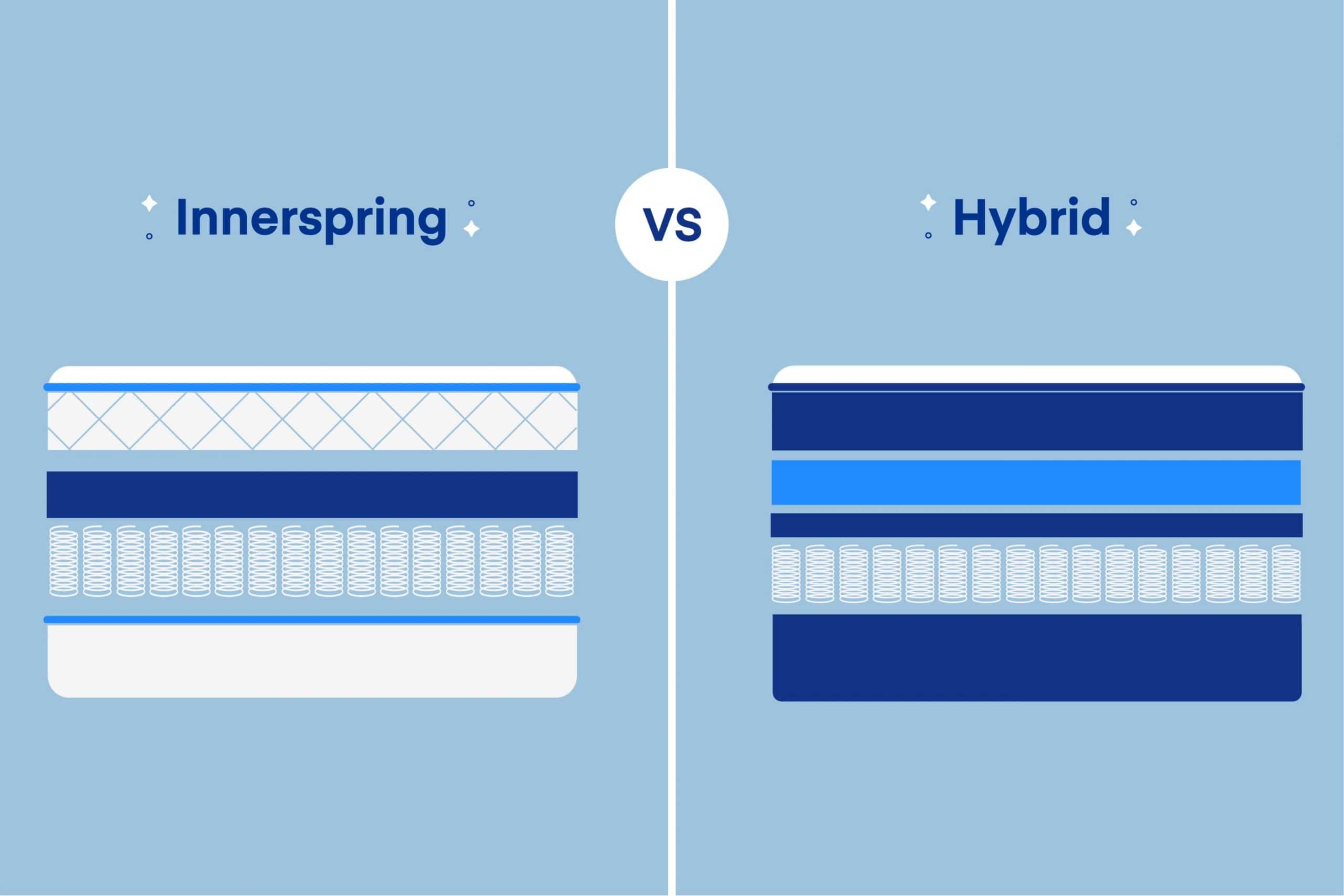
The rise of hybrid mattresses represents a sophisticated integration of innerspring technology with other advanced sleep materials, predominantly memory foam or latex. A hybrid mattress combines a robust pocketed coil support core with thick layers of premium comfort foams. This synergistic design aims to leverage the best attributes of both worlds: the responsive support and airflow of an innerspring system, coupled with the superior pressure relief and contouring capabilities of foam layers. Engineering a successful hybrid requires careful consideration of material interaction, density transitions, and thermal management to ensure optimal performance and durability. This blend pushes the boundaries of traditional mattress categories, offering a multifaceted sleep solution.
Advanced Material Integration
Beyond the core components, manufacturers are continually integrating advanced materials into innerspring mattresses. This includes foams infused with cooling gels or copper to dissipate heat, antimicrobial treatments for enhanced hygiene, and eco-friendly components like natural latex and organic cotton covers. Edge support systems, critical for mattress longevity and usability, have also seen technological improvements, with stronger perimeter coils or high-density foam encasements preventing sagging at the edges and maximizing the usable sleep surface. These integrations demonstrate a commitment to applying material science and functional design to every aspect of the innerspring mattress.
Performance Metrics and Technical Considerations
Evaluating an innerspring mattress from a technological perspective involves understanding several key metrics and design considerations that directly impact its performance and suitability for different sleepers.
Coil Count and Gauge: Decoding Density
Two critical technical specifications for innerspring systems are coil count and coil gauge.
- Coil Count: Refers to the number of coils within the mattress. While a higher coil count often suggests more points of support and better contouring, it’s not the sole indicator of quality. The type of coil system (e.g., pocketed vs. Bonnell) also heavily influences performance regardless of count. However, within a given coil type, a higher count generally translates to a more responsive and supportive feel.
- Coil Gauge: Denotes the thickness of the steel wire used for the coils. A lower gauge number indicates a thicker, firmer wire, resulting in a more rigid and durable coil. Higher gauge numbers mean thinner, more flexible wires, offering a softer, more conforming feel. Mattress designers strategically use varying coil gauges to achieve specific firmness levels and zoned support. Understanding these metrics allows for a more informed assessment of the mattress’s engineered support profile.
Edge Support Technology
Effective edge support is a crucial, yet often overlooked, aspect of innerspring mattress design. Without robust edge support, the perimeter of the mattress can sag, making it difficult to get in and out of bed, and reducing the usable sleep surface. Technological solutions for edge support include:
- High-Density Foam Encasement: A perimeter of firm, durable foam encasing the entire coil unit, providing a solid edge.
- Thicker Perimeter Coils: Using a heavier gauge or more tightly packed coils around the mattress edge to enhance stability.
- Specific Edge Coil Designs: Some manufacturers employ specially designed coils at the edges that are stiffer or more robust.
These engineering solutions ensure structural integrity across the entire surface, extending the mattress’s lifespan and improving its functional utility.

Airflow and Thermal Regulation
The open structure of innerspring coil systems inherently promotes better airflow compared to solid foam cores. This natural ventilation helps dissipate heat and regulate temperature, making innerspring mattresses generally cooler to sleep on. Modern innerspring designs further optimize thermal regulation through:
- Breathable Comfort Layers: Incorporating open-cell foams, gel infusions, or natural latex known for their airflow properties.
- Ventilated Borders: Some mattresses feature mesh or breathable fabric borders to enhance air circulation through the mattress core.
- Specialized Cover Fabrics: Using advanced textile technology for moisture-wicking and cooling effects.
The cumulative effect of these design choices is a sleeping environment that is not only supportive and comfortable but also effectively manages temperature, contributing significantly to sleep quality.
aViewFromTheCave is a participant in the Amazon Services LLC Associates Program, an affiliate advertising program designed to provide a means for sites to earn advertising fees by advertising and linking to Amazon.com. Amazon, the Amazon logo, AmazonSupply, and the AmazonSupply logo are trademarks of Amazon.com, Inc. or its affiliates. As an Amazon Associate we earn affiliate commissions from qualifying purchases.