
MAPP gas, a term widely recognized in trade and DIY circles, refers to a specialized fuel gas celebrated for its high heat output and versatility. While the original chemical formulation known as MAPP gas (MethylAcetylene-Propadiene Propane) is no longer commercially produced, the name has become a generic identifier for high-performance propylene-based fuel gases used in handheld torches. Understanding the composition and properties of these modern equivalents, often sold under names like MAP-Pro or Propylene, is crucial for anyone engaging in tasks requiring significant heat, from plumbing and HVAC work to automotive repairs and metalcraft. This deep dive explores the technical make-up, performance advantages, applications, and safety considerations associated with what is commonly referred to as MAPP gas today.

The Modern Chemical Composition of High-Performance Torch Fuels
The original MAPP gas, developed by the Dow Chemical Company, was a blend of methylacetylene, propadiene, and propane. This specific mixture provided a unique combination of high flame temperature, stability, and lower cylinder pressure compared to acetylene, making it a revolutionary product for various applications. However, production of the original MAPP gas ceased in 2008 due to the increasing cost and complexity of sourcing its primary components, methylacetylene and propadiene.
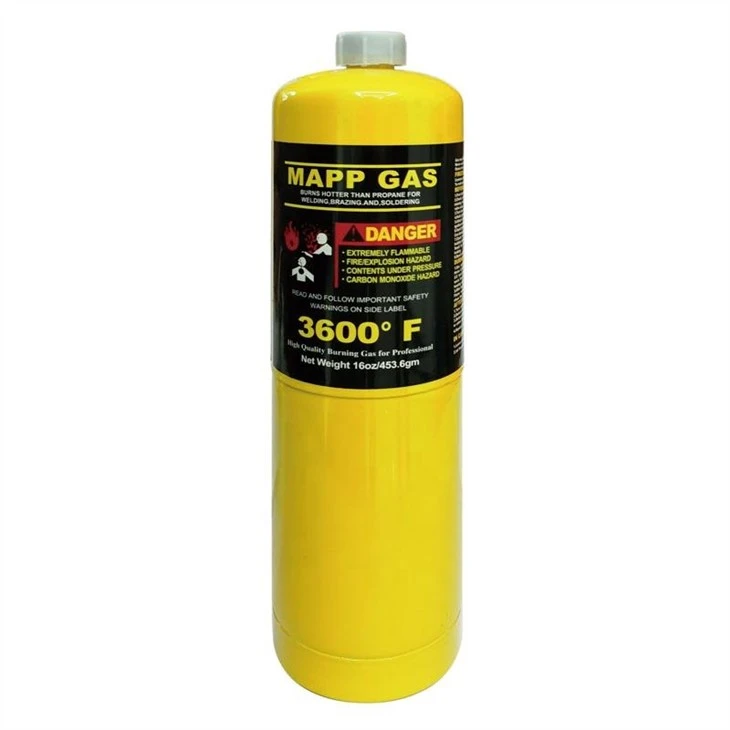
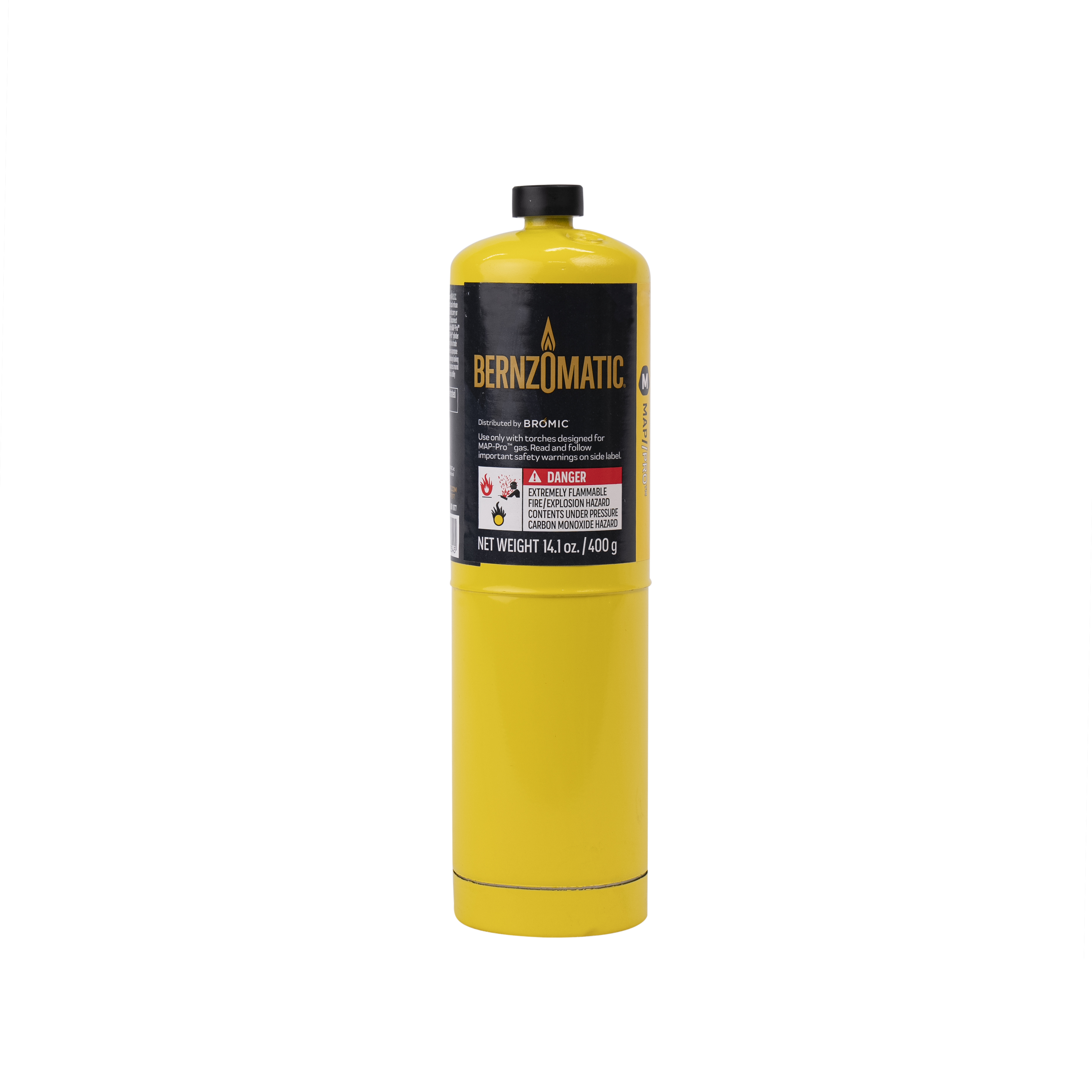
Today, what users commonly purchase as “MAPP gas” is predominantly propylene, often with minor additives to enhance performance characteristics. These modern formulations are branded under various names such as MAP-Pro, Propylene, or other proprietary blends.
Propylene (C₃H₆) as the Core Component
Propylene is an organic compound belonging to the alkene family, characterized by at least one carbon-carbon double bond. It is a colorless gas with a faint petroleum-like odor. In its role as a high-performance fuel gas, propylene offers several advantages:
- High Energy Density: Propylene burns efficiently, releasing a substantial amount of heat, which is critical for tasks like brazing and soldering.
- Flame Temperature: While not as hot as acetylene in pure oxygen, propylene (especially when combusted with ambient air) achieves significantly higher temperatures than propane, making it ideal for faster work and tougher materials. The typical maximum flame temperature in air for propylene is around 3,600°F (1,982°C), compared to propane’s approximately 3,450°F (1,900°C) and acetylene’s 4,500°F (2,482°C) in air.
- Burn Characteristics: Propylene burns with a relatively clean flame, producing less soot than acetylene, which can be advantageous for precision work and reducing post-job cleanup.
- Safety Profile: Propylene is stored at lower cylinder pressures than acetylene, contributing to a safer handling and storage profile. It also has a narrower flammability range compared to acetylene, further enhancing its safety in typical use scenarios.
Minor Additives and Blends
Some modern “MAPP gas” equivalents may include small percentages of other hydrocarbons or proprietary additives. For instance, Dimethyl Ether (DME) has been explored as an additive to improve ignition properties or flame characteristics in some blends. The specific formulation can vary between manufacturers, but the primary heating power largely stems from the propylene content. These blends are engineered to optimize flame stability, heat transfer, and user safety while adhering to regulatory standards.
Performance Advantages and Technical Applications
The specific chemical composition of modern high-performance torch fuels grants them distinct advantages over more common alternatives like propane, making them invaluable tools in numerous technical fields.
Superior Heat Output and Transfer
The most significant advantage of MAPP gas (propylene-based fuels) is its ability to generate a higher temperature flame and transfer that heat more efficiently to the workpiece compared to propane. This translates directly into:
- Faster Work: Brazing and soldering joints, especially on larger diameter pipes or thicker materials, can be completed significantly quicker. This improves productivity and reduces labor time.
- Wider Material Compatibility: The increased heat allows for working with materials that require higher melting points or more substantial thermal input, such as brazing steel or cast iron, which would be challenging with propane torches.
- Deeper Penetration: For tasks like heating seized bolts or rusted parts, the higher heat output penetrates more effectively, allowing for easier removal.
Portability and Convenience
Compared to bulky oxy-acetylene welding setups, MAPP gas torches offer unparalleled portability. A single cylinder and a hand-held torch are compact and lightweight, making them ideal for:
- Field Service: Plumbers, HVAC technicians, and automotive mechanics can easily transport their tools to job sites without needing a large vehicle or specialized equipment.
- Confined Spaces: The compact nature of the torch allows it to be used in tight areas where larger equipment would be impractical.
- DIY Projects: Homeowners and hobbyists can readily use MAPP gas torches for various tasks without the complexity or cost associated with professional welding gear.
Cleaner Burn and Safety
As mentioned, propylene burns cleaner than acetylene, leaving less carbon residue (soot) on the workpiece. This results in cleaner joints and less post-work cleanup, which is particularly beneficial for precision applications. From a safety perspective:
- Lower Explosive Limits: While all fuel gases require careful handling, propylene generally has a narrower flammability range than acetylene, reducing the risk of explosion in specific concentrations.
- Reduced Backfire Risk: The design of modern MAPP gas torches, combined with the fuel’s properties, tends to minimize the risk of flashback or backfire compared to acetylene torches.
- Non-Storage of Acetone: Unlike acetylene cylinders, which contain acetone to stabilize the gas, MAPP gas cylinders do not, simplifying storage and reducing potential hazards associated with acetone exposure or discharge.
Key Applications Across Industries
MAPP gas torches are indispensable tools across a variety of technical disciplines, from professional trades to advanced DIY projects.
Plumbing and HVAC
- Copper Pipe Soldering: The most common application involves quickly and effectively soldering copper pipes and fittings for residential and commercial plumbing systems. The high heat ensures rapid joint preparation and consistent flow of solder.
- Brazing Refrigerant Lines: In HVAC (Heating, Ventilation, and Air Conditioning) systems, MAPP gas is critical for brazing copper and other metal lines that carry refrigerants. The strong, sealed joints are essential for system integrity and preventing leaks.
- Heating and Bending: Minor heating for bending pipes or fittings to navigate obstacles.
Automotive and Mechanical Repair
- Loosening Seized Components: The intense, focused heat is highly effective for expanding rusted nuts, bolts, and other fasteners, allowing for easier removal without stripping or breaking.
- Light Brazing and Welding: For minor repairs on exhaust systems, brackets, or sheet metal, MAPP gas can be used with appropriate filler rods for light brazing or even some forms of fusion welding on thinner materials.
- Heating for Press-Fit Removal: Applying localized heat can help in removing bearings, bushings, or other press-fit components.
Metalworking and Fabrication
- Jewelry Making: Artists use MAPP gas torches for annealing metals, soldering intricate designs, and small-scale casting due to the controllable and focused flame.
- Sculpture and Artistic Fabrication: Heating metal to bend, shape, or join pieces in artistic endeavors.
- Sheet Metal Work: For precise cutting, shaping, and joining of various sheet metals in fabrication shops.
DIY and Hobbyist Projects
- Home Repairs: Fixing leaky pipes, brazing broken metal objects, or even charring wood for aesthetic finishes.
- Crafts: From creating custom metal art to heating and bending plastic, MAPP gas torches offer versatile capabilities for creative projects.
- Lighting BBQs/Campfires: While an expensive option, the intense flame can be used for rapid ignition in outdoor settings.
Safety and Handling Protocols
Despite its many advantages, MAPP gas, like all fuel gases, requires adherence to strict safety protocols to prevent accidents and ensure safe operation.
Personal Protective Equipment (PPE)
- Eye Protection: Always wear safety glasses or goggles to protect against sparks, molten metal, and UV radiation from the flame.
- Gloves: Heat-resistant gloves are essential to protect hands from heat and potential burns.
- Appropriate Clothing: Wear long-sleeved shirts and trousers made of non-flammable materials (e.g., cotton, denim) to protect exposed skin. Avoid synthetic fabrics that can melt onto the skin.
Ventilation and Environment
- Adequate Ventilation: Always work in a well-ventilated area to prevent the accumulation of combustible gases and to dissipate fumes from burning materials. If working indoors, ensure open windows or use an exhaust fan.
- Clear Work Area: Keep the area free of flammable materials, combustibles, and clutter. A minimum clear radius around the torch work is recommended.
- Fire Extinguisher: Have an appropriate fire extinguisher (e.g., ABC type) readily accessible and know how to use it.
Proper Equipment Use and Maintenance
- Inspect Equipment: Before each use, inspect the torch, hose (if applicable), and cylinder for any signs of damage, leaks, or wear. Do not use damaged equipment.
- Secure Cylinder: Ensure the MAPP gas cylinder is upright and secured to prevent it from tipping over.
- Leak Detection: If a gas leak is suspected (symptoms include a strong gas smell, hissing sound), use a leak detection solution (soapy water) to identify the source. Never use an open flame to check for leaks.
- Correct Attachment: Always ensure the torch head is properly attached and tightened to the cylinder to prevent gas leaks.
- Ignition and Shut-off: Follow the manufacturer’s instructions for lighting the torch. Always shut off the gas at the cylinder valve first, then allow any remaining gas in the torch head to burn off before fully closing the torch valve.
- Storage: Store cylinders in a cool, dry, well-ventilated area, away from direct sunlight, heat sources, and ignition sources. Store caps on cylinders when not in use.
By understanding the chemical properties, performance benefits, diverse applications, and critical safety considerations of what is generically called MAPP gas, users can harness its powerful capabilities effectively and safely across various technical and professional domains. The evolution from the original MAPP gas to modern propylene-based fuels highlights an ongoing drive for efficiency, performance, and improved safety in high-heat torch applications.
aViewFromTheCave is a participant in the Amazon Services LLC Associates Program, an affiliate advertising program designed to provide a means for sites to earn advertising fees by advertising and linking to Amazon.com. Amazon, the Amazon logo, AmazonSupply, and the AmazonSupply logo are trademarks of Amazon.com, Inc. or its affiliates. As an Amazon Associate we earn affiliate commissions from qualifying purchases.