
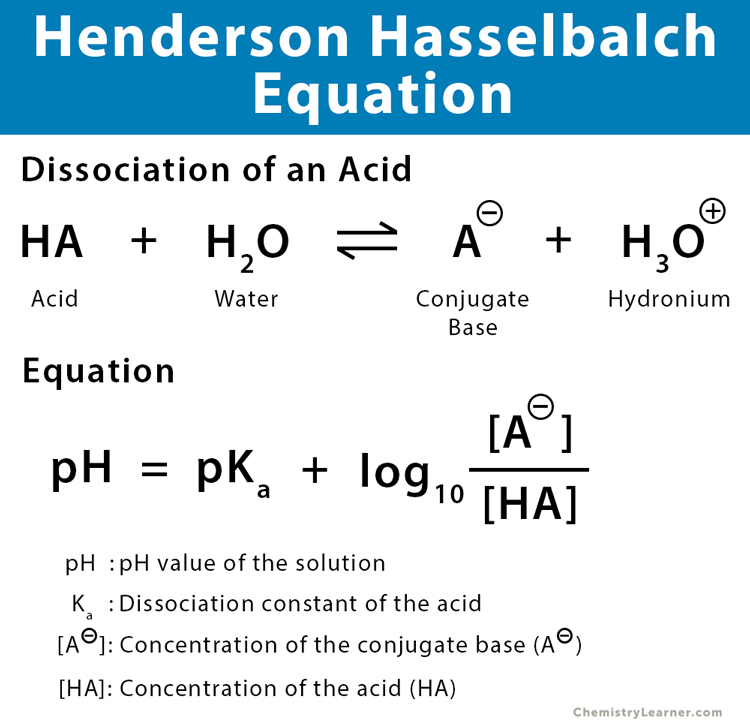
In the vast landscape of chemical compounds, “HA” can be an intriguing acronym, often appearing in diverse contexts. While in its most general sense within inorganic or physical chemistry, HA frequently denotes a generic weak acid (where ‘H’ is the acidic proton and ‘A’ is the conjugate base), the term takes on a far more specific and technologically significant meaning when referring to Hyaluronic Acid. This remarkable biopolymer stands at the nexus of chemistry, biology, and cutting-edge technology, driving innovations across medicine, cosmetics, and advanced materials. Understanding Hyaluronic Acid’s chemical underpinnings is crucial to appreciating its profound impact on numerous tech-driven fields.
The Ubiquitous Biopolymer: Hyaluronic Acid Defined
Hyaluronic Acid (HA), also known as hyaluronan, is a naturally occurring glycosaminoglycan, a type of linear polysaccharide composed of repeating disaccharide units. Its presence is ubiquitous across the animal kingdom, playing critical roles in various biological processes. Its unique physicochemical properties, particularly its exceptional water-retaining capacity, make it an indispensable component in biological systems and a versatile material in technological applications.
Chemical Structure and Properties
HA is a high molecular weight carbohydrate polymer made of alternating units of D-glucuronic acid and N-acetyl-D-glucosamine, linked by alternating β-(1→4) and β-(1→3) glycosidic bonds. This specific repeating disaccharide structure allows HA molecules to form extensive, viscous solutions even at low concentrations, trapping a remarkable amount of water—up to 1,000 times its weight. This hygroscopic nature is central to its biological functions and technological utility. HA’s polyanionic character at physiological pH, due to the carboxylate groups on the glucuronic acid units, also contributes to its ability to interact with water and other biomolecules, forming complex extracellular matrices. The molecular weight of naturally occurring HA can range from thousands to several million Daltons, with its specific molecular weight often dictating its biological activity and application.
Natural Occurrence and Biological Roles
Within biological systems, HA is a key component of the extracellular matrix (ECM), the intricate network of macromolecules that provides structural support to tissues and plays a crucial role in cell adhesion, migration, and differentiation. It is particularly abundant in soft connective tissues, such as skin, cartilage, and synovial fluid, where it acts as a lubricant and shock absorber. In the eye, HA is vital for maintaining ocular pressure and transparency. Its presence in embryonic tissues facilitates rapid cell proliferation and migration, underscoring its role in tissue development and wound healing. The dynamic synthesis and degradation of HA within the body are tightly regulated processes, essential for maintaining tissue homeostasis and responding to injury or disease.
HA in Medical Technology and Biotechnology
The unique biocompatibility, biodegradability, and rheological properties of HA have made it a cornerstone in medical technology and biotechnology. Its ability to mimic the natural ECM environment makes it an ideal candidate for various therapeutic and diagnostic applications, pushing the boundaries of modern medicine.
Tissue Engineering and Regenerative Medicine
HA serves as a fundamental building block in tissue engineering scaffolds. Its native presence in the ECM makes it highly compatible with biological tissues, promoting cell proliferation, differentiation, and organization. Researchers utilize HA-based hydrogels and matrices to create artificial environments that guide the growth of new tissues, including cartilage, bone, and skin. Advanced techniques like 3D bioprinting leverage HA’s rheological properties, using it as a bio-ink to fabricate complex, architecturally precise tissue constructs. This technology holds immense promise for organ repair and replacement, offering solutions for chronic diseases and traumatic injuries.
Drug Delivery Systems
The polymer’s capacity to encapsulate active pharmaceutical ingredients and its inherent biocompatibility make HA an excellent material for targeted drug delivery systems. HA can be chemically modified to form nanoparticles, microparticles, or gels that release drugs in a controlled and sustained manner. Furthermore, many cell types, particularly cancer cells, overexpress HA receptors (e.g., CD44) on their surface. This characteristic enables HA-conjugated drug carriers to selectively target diseased cells, reducing systemic toxicity and enhancing therapeutic efficacy in areas such as oncology and anti-inflammatory treatments.
Ophthalmic and Orthopedic Applications
In ophthalmology, HA’s viscoelastic properties are invaluable. It is widely used in eye drops to alleviate dry eye syndrome, forming a protective, lubricating layer on the ocular surface. During cataract surgery and other ophthalmic procedures, HA solutions act as a visco-surgical aid, maintaining space, protecting delicate tissues, and facilitating manipulation. For orthopedic applications, HA injections are a common treatment for osteoarthritis, particularly in the knee. By supplementing the synovial fluid, HA helps to restore lubrication, reduce friction, and provide cushioning to the joints, thereby alleviating pain and improving mobility for patients.
Advanced Materials and Cosmetic Innovations
Beyond its direct medical uses, HA’s unique properties have been harnessed to develop a range of advanced materials and drive significant innovation in the cosmetic industry, offering enhanced product performance and novel functionalities.
Dermal Fillers and Skin Hydration Technology
Perhaps one of the most visible technological applications of HA is in the field of aesthetic medicine, specifically as a dermal filler. Cross-linked HA gels are injected into the skin to reduce wrinkles, restore volume, and enhance facial contours. The ability of HA to absorb water and its inherent biocompatibility make it an ideal temporary filler that provides natural-looking results. In cosmetics, HA is a star ingredient in moisturizers, serums, and masks. Its exceptional humectant properties draw and hold moisture in the skin, leading to improved hydration, elasticity, and a smoother appearance, reflecting a deep understanding of skin physiology and material science.

Smart Gels and Hydrogels
HA is a primary component in the development of “smart” hydrogels that respond to various stimuli, such as pH, temperature, or enzyme activity. These advanced materials have wide-ranging applications, from biosensors and diagnostics to responsive drug release systems. By cross-linking HA with other polymers or incorporating specific nanoparticles, engineers can tune the mechanical properties, degradation rates, and release profiles of these hydrogels, creating sophisticated platforms for personalized medicine and bio-interfacing technologies.
Nanotechnology Integration
The integration of HA with nanotechnology has opened new avenues for diagnostics and therapeutics. HA-based nanoparticles can be engineered for targeted imaging of specific tissues or cells, such as those involved in inflammation or cancer. These nanocarriers can be loaded with imaging agents or therapeutic payloads, allowing for precise delivery and monitoring. Furthermore, HA can be incorporated into nanofiber scaffolds or coatings to enhance tissue regeneration or create biocompatible surfaces for medical devices, illustrating the synergy between molecular chemistry and nanoscale engineering.
Production and Analytical Technologies for HA
The increasing demand for high-quality HA across diverse industries has spurred significant advancements in its production methods and the analytical technologies used to characterize it. These technological developments ensure purity, efficacy, and consistency, which are critical for its applications.
Biotechnological Production Methods
Historically, HA was extracted from animal tissues, primarily rooster combs. However, this method carries risks of viral transmission and limited scalability. Modern HA production largely relies on biotechnological fermentation, using microbial strains such as Streptococcus equi or recombinant Bacillus subtilis. This method offers a safer, more controlled, and highly scalable way to produce HA with various molecular weights. Bioreactor design, strain engineering, and optimization of fermentation conditions are critical technological aspects that influence yield, purity, and the specific molecular weight profile of the produced HA.
Analytical Tools for Characterization
Rigorous analytical techniques are essential to ensure the quality and performance of HA. Gel Permeation Chromatography (GPC) or Size Exclusion Chromatography (SEC) are used to determine the molecular weight and polydispersity of HA samples. Nuclear Magnetic Resonance (NMR) spectroscopy and Mass Spectrometry (MS) provide detailed structural information, confirming the integrity of the repeating disaccharide units. Rheological measurements are crucial for characterizing the viscosity and viscoelastic properties of HA solutions and gels, directly correlating to their functional performance in applications like dermal fillers or joint lubricants. Advanced microscopic techniques, such as Atomic Force Microscopy (AFM), are employed to visualize the polymer’s architecture and interactions at the nanoscale.
Computational Modeling and Design
Computational chemistry and bioinformatics play an increasingly vital role in understanding HA’s behavior and designing novel applications. Molecular dynamics simulations can model the interactions of HA with water, ions, and proteins, predicting its solution properties and biological recognition mechanisms. In silico methods are also used to design HA derivatives with tailored properties, such as specific cross-linking patterns for hydrogels or targeted binding affinities. This computational approach accelerates research and development, reducing the need for extensive experimental trials and leading to more efficient product innovation.
Future Trends and Emerging Tech Applications
The trajectory of HA research and development points towards even more sophisticated and integrated technological applications, driven by advancements in personalized medicine, biomaterials science, and sustainable practices.
Personalized Medicine and HA
The future of HA technology will increasingly align with personalized medicine. Tailoring HA formulations to individual patient needs, based on genetic profiles, disease specificities, and desired therapeutic outcomes, represents a significant trend. This could involve HA derivatives designed to respond to specific biomarkers or drug delivery systems optimized for individual metabolic rates, promising more effective and safer treatments.
Bio-inks and 3D Bioprinting
HA’s role as a primary component in bio-inks for 3D bioprinting is set to expand dramatically. As bioprinting technology matures, complex tissues and even functional organs could be manufactured using HA-based hydrogels, complete with embedded cells and growth factors. This innovation has the potential to revolutionize transplantation medicine, drug screening, and disease modeling, offering unprecedented control over tissue architecture and function.

Sustainable Production and Circular Economy
With growing environmental consciousness, future technological advancements in HA production will emphasize sustainability. This includes exploring novel microbial strains for more efficient and environmentally friendly fermentation processes, optimizing resource utilization, and developing methods for recycling or biodegrading HA-containing products to contribute to a circular economy in biomaterials. The journey of HA from a simple chemical definition to a powerhouse in advanced technology underscores the profound impact of understanding molecular structures and harnessing their properties for societal benefit.
aViewFromTheCave is a participant in the Amazon Services LLC Associates Program, an affiliate advertising program designed to provide a means for sites to earn advertising fees by advertising and linking to Amazon.com. Amazon, the Amazon logo, AmazonSupply, and the AmazonSupply logo are trademarks of Amazon.com, Inc. or its affiliates. As an Amazon Associate we earn affiliate commissions from qualifying purchases.