
Fluorite, a captivating mineral renowned for its vibrant colors and unique crystalline structures, extends far beyond its aesthetic appeal, holding significant value within the financial and economic sectors. While often appreciated for its beauty in decorative items or its purported metaphysical properties, its true financial impact stems from its critical role as an industrial commodity, its potential as an investment in the collectibles market, and its contribution to various entrepreneurial ventures. Understanding fluorite’s utility from a financial perspective reveals a multifaceted asset with diverse economic implications, influencing supply chains, investment portfolios, and small business opportunities alike.

Fluorite as a Strategic Industrial Commodity
The primary financial value of fluorite lies in its extensive industrial applications, making it a strategic raw material across several critical sectors. Its unique chemical and physical properties render it indispensable in processes that directly contribute to global economic output and technological advancement. The demand for fluorite in these industries dictates global market prices, mining operations, and international trade dynamics, establishing it as a key player in the commodity market.
Metallurgical Flux and Chemical Feedstock
One of fluorite’s most significant industrial uses is as a flux in steel production. Its ability to lower the melting point of raw materials and remove impurities makes it crucial for creating high-quality steel, a foundational component in construction, automotive manufacturing, and infrastructure development. The efficiency and quality gains from using fluorite directly translate into cost savings and improved product performance for steel manufacturers, impacting global industries reliant on this vital metal.
Beyond metallurgy, fluorite serves as the primary source of fluorine, a critical element for producing hydrofluoric acid (HF). Hydrofluoric acid is a chemical workhorse, essential in an astonishing array of industries. It is used in the production of refrigerants, aerosols, plastics (such as Teflon), pharmaceuticals, high-octane fuels, and even in the etching of glass and semiconductor chips. The pervasive use of HF underscores fluorite’s fundamental role in modern manufacturing and technology. Disruptions in fluorite supply can have ripple effects across these diverse sectors, highlighting its strategic economic importance. The market for acid-grade fluorite (containing 97% or more CaF2) is particularly sensitive to global industrial demand and technological shifts, making it a bellwether for specific economic trends.
Optical and Specialized Glass Applications
The optical properties of high-purity fluorite are extraordinary. Its low refractive index and low dispersion make it an invaluable material for crafting specialized lenses and prisms in high-performance optical instruments. These include microscopes, telescopes, cameras, and even components for advanced lithography in semiconductor manufacturing. The precision required in these applications demands defect-free, optically clear fluorite, which is rare and therefore commands a premium price. The ability of fluorite lenses to correct chromatic aberration significantly enhances image quality, making them essential for scientific research, medical diagnostics, and cutting-edge consumer electronics. The market for optical-grade fluorite, while smaller in volume than metallurgical or acid-grade, represents a high-value niche driven by innovation and demand for superior optical performance.
The Global Market and Supply Chains
The global fluorite market is characterized by a complex interplay of mining operations, processing facilities, and end-user industries. Major producing countries, historically including China, Mexico, and Mongolia, exert considerable influence over global supply and pricing. Geopolitical factors, trade policies, and environmental regulations in these regions can significantly impact market stability and availability. Companies involved in fluorite mining and distribution often face substantial capital investments, operational challenges, and market volatility. For investors, understanding these supply chain dynamics and geopolitical influences is crucial for assessing risk and opportunity within the fluorite commodity market. The demand for fluorite is closely tied to the health of the industrial sectors it serves, making its market performance an indicator of broader economic activity.
Investment Potential in Collectible Specimens
Beyond its industrial applications, fluorite holds a distinct financial appeal within the realm of mineral collecting and speculative investment. High-quality fluorite specimens, particularly those exhibiting rare colors, exceptional clarity, unique crystal habits, or association with other desirable minerals, can appreciate significantly in value over time.
Rarity and Aesthetic Appeal Driving Value
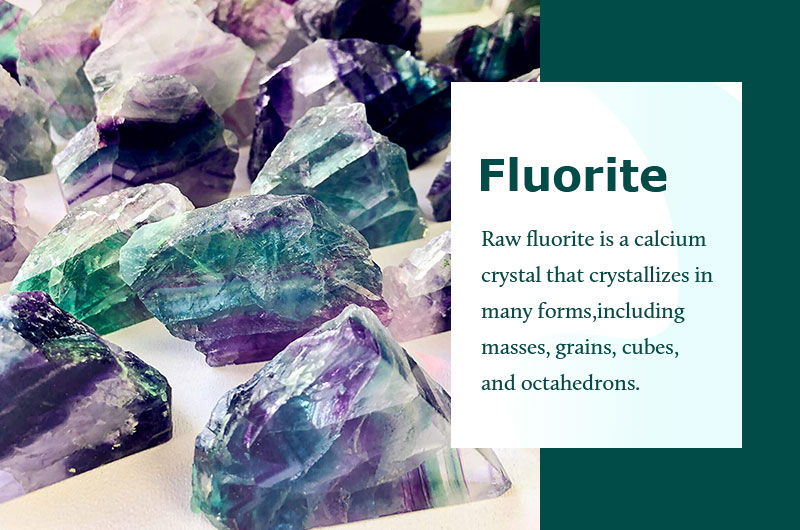
The value of collectible fluorite is primarily driven by its rarity and aesthetic characteristics. Specimens from historically significant localities, or those displaying unusual color zoning, fluorescence, or phantom crystals, are highly sought after by collectors. Factors such as crystal size, perfection of form, freedom from damage, and overall visual impact contribute to a specimen’s market price. Just like fine art, the subjective appeal combined with objective rarity determines desirability and, consequently, financial worth. As specific mines close or particular types of specimens become scarce, their value tends to increase, presenting potential for capital appreciation for shrewd investors.
Market Trends and Speculator Interest
The mineral collecting market, while niche, operates with its own trends and investor sentiment. Certain localities or crystal forms may experience periods of heightened demand, leading to rapid price increases. Speculators and serious collectors often monitor new finds, auction results, and expert opinions to identify emerging investment opportunities. Participation in mineral shows, online auctions, and direct relationships with reputable dealers are key to navigating this market. While not as liquid as traditional financial assets, a well-chosen fluorite specimen can represent a tangible asset that can hold or increase its value, sometimes offering a hedge against inflation.
Authentication and Grading for Investment
For fluorite to be considered a serious investment, proper authentication and grading are paramount. Investors must rely on the expertise of experienced mineralogists and reputable dealers to verify a specimen’s authenticity, origin, and quality. Independent grading reports, much like those for diamonds or gemstones, can provide objective assessments of a specimen’s characteristics, enhancing its market credibility and value. Understanding common treatments or enhancements applied to fluorite (e.g., dyeing, irradiation) is also critical, as these can significantly affect its natural value and long-term appreciation potential.
Entrepreneurial Ventures: Crafting and Retail
The aesthetic qualities of fluorite also lend themselves to a vibrant sector of small business and side hustle opportunities, particularly in the creation and retail of artisanal products.
Designing and Selling Fluorite Jewelry
Fluorite’s wide spectrum of colors, from vibrant purples and greens to clear and iridescent forms, makes it an attractive material for jewelry designers. Entrepreneurs can carve, facet, or tumble fluorite into beads, cabochons, and pendants, integrating them into unique necklaces, bracelets, and earrings. The market for handcrafted, natural gemstone jewelry continues to thrive, particularly among consumers seeking unique, ethically sourced, and aesthetically pleasing pieces. Online marketplaces (e.g., Etsy, Shopify), local craft fairs, and boutique partnerships provide accessible channels for selling these creations, offering a flexible income stream for artisans.
Lapidary Arts and Specimen Enhancement
Beyond jewelry, fluorite is popular in lapidary arts. Skilled artisans can cut and polish raw fluorite into decorative spheres, pyramids, obelisks, and other sculptural forms. These polished specimens highlight the mineral’s natural beauty, internal patterns, and color variations, making them desirable as home decor, office accents, or unique gifts. Developing expertise in lapidary techniques—cutting, grinding, and polishing—and investing in appropriate equipment can establish a profitable small business specializing in fluorite artifacts. This segment caters to a market looking for aesthetically pleasing and naturally derived decorative items.
Online Marketplaces and Niche Branding
The digital age has democratized access to markets for small businesses. Entrepreneurs can leverage social media, dedicated e-commerce platforms, and personal websites to showcase and sell fluorite products globally. Building a strong brand identity that emphasizes the unique qualities of fluorite, ethical sourcing, and artistic craftsmanship can attract a loyal customer base. Niche branding, perhaps focusing on specific color palettes, unique designs, or storytelling around the mineral’s origins, can differentiate a small business in a competitive market and foster sustainable growth.
The Economics of Mining and Resource Management
The journey of fluorite from geological deposit to industrial application or collectible specimen is underpinned by significant economic activity related to mining and resource management.
Extraction Costs and Environmental Considerations
Fluorite mining operations involve substantial capital expenditure for exploration, extraction, processing, and transportation. The economic viability of a mine is determined by the grade of the ore, the depth and accessibility of the deposit, and the efficiency of extraction techniques. Beyond direct costs, environmental regulations play an increasingly significant role. Sustainable mining practices, including reclamation efforts and responsible waste management, are essential for securing operating permits and maintaining a positive public image, directly impacting a company’s financial bottom line. Investments in environmentally friendly technologies and practices can be both a cost and a long-term strategic advantage.
Regulatory Frameworks and Trade Dynamics
The global trade of fluorite is influenced by international regulatory frameworks, tariffs, and trade agreements. Countries may impose export restrictions or quotas to manage domestic supply or support local industries, impacting global prices and availability. Furthermore, geopolitical tensions and supply chain vulnerabilities can lead to price spikes and market uncertainty. Companies operating in the fluorite sector must navigate this complex regulatory landscape and often invest in robust supply chain management to mitigate risks and ensure consistent access to markets or raw materials.
Sustainability in Fluorite Production
As with many natural resources, the long-term economic viability of fluorite production is intrinsically linked to sustainability. Responsible resource management, including accurate reserve estimation and efficient mining methods, is crucial for ensuring future supply. Additionally, the development of recycling technologies for fluorine-containing products could impact future demand for newly mined fluorite. Companies that invest in sustainable practices and innovation in resource management are better positioned for long-term financial stability and market relevance in an increasingly environmentally conscious global economy.
aViewFromTheCave is a participant in the Amazon Services LLC Associates Program, an affiliate advertising program designed to provide a means for sites to earn advertising fees by advertising and linking to Amazon.com. Amazon, the Amazon logo, AmazonSupply, and the AmazonSupply logo are trademarks of Amazon.com, Inc. or its affiliates. As an Amazon Associate we earn affiliate commissions from qualifying purchases.