
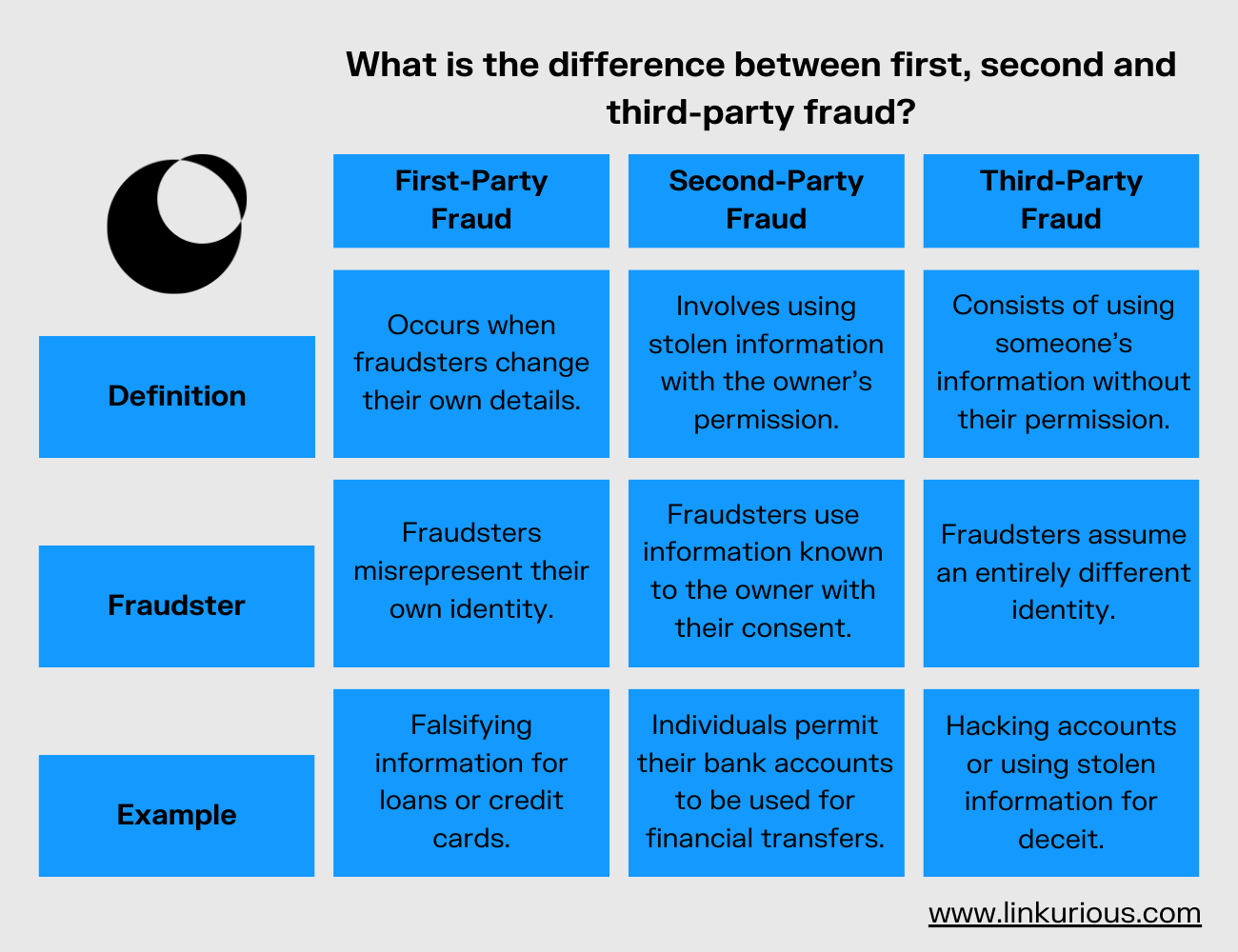
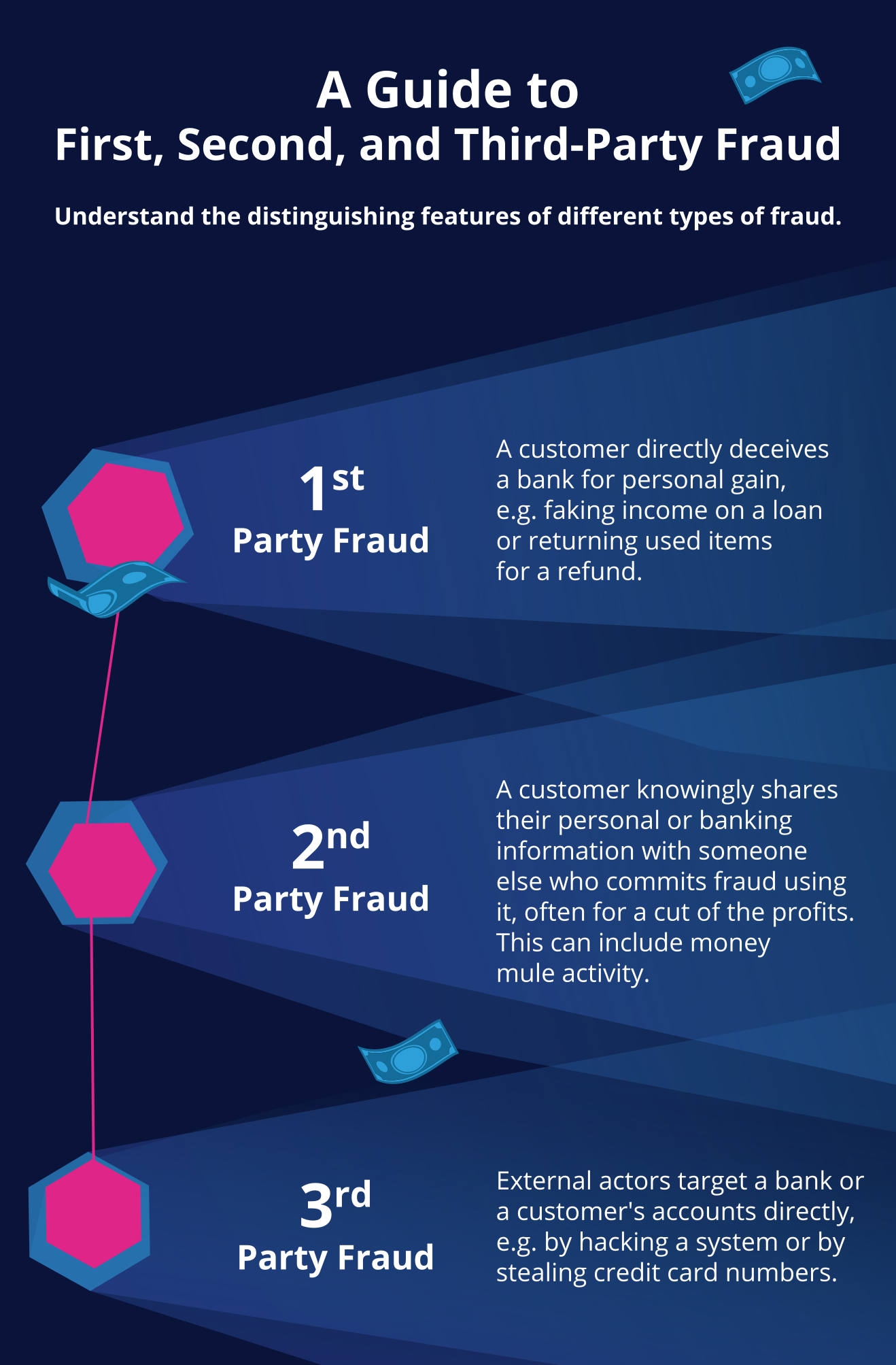
First-party fraud represents a significant and often underestimated threat within the financial ecosystem, distinguishing itself from more widely recognized forms of third-party fraud. Unlike schemes where an external perpetrator uses stolen credentials or identities, first-party fraud involves an individual or entity actively engaging in deceptive practices while using their own legitimate identity or accounts. The core of this deceit lies in the intent to defraud, leveraging an established relationship or a seemingly legitimate transaction to gain an unwarranted financial benefit or avoid an obligation. This form of fraud thrives in a complex financial landscape, posing substantial challenges for businesses ranging from e-commerce platforms and lending institutions to insurance providers and telecommunication companies. Understanding its nuances is critical for robust financial risk management and the preservation of market integrity.
Defining First-Party Fraud: A Financial Perspective
First-party fraud, at its essence, is a breach of trust where the perpetrator is also the customer, account holder, or policyholder. This type of fraud is characterized by the use of genuine personal details, often belonging to the individual committing the fraud, to either obtain services, goods, or credit under false pretenses, or to intentionally default on obligations after receiving a benefit. The financial implications are extensive, as businesses face direct monetary losses, increased operational costs, and potential damage to their long-term financial stability.
The Nuance of Intent
Distinguishing first-party fraud from legitimate disputes or genuine financial hardship is often the most challenging aspect. The determining factor is the presence of intent to deceive at the point of application, transaction, or claim. For example, a customer applying for credit with no intention of repayment, or making a purchase with the pre-meditated plan to falsely claim non-receipt, exemplifies this intent. Without clear evidence of such premeditation, distinguishing fraudulent activity from a genuine mistake or unforeseen circumstance becomes difficult, requiring sophisticated analytical tools and a deep understanding of behavioral patterns. This ambiguity is precisely what makes first-party fraud so insidious and costly to combat.
Common Misconceptions
A prevalent misconception is to conflate first-party fraud with simple customer error or a legitimate failure to pay. While a customer might genuinely forget to pay a bill or incorrectly process a return, these actions lack the malicious intent inherent in first-party fraud. Similarly, chargeback requests, while often associated with first-party fraud, are not always fraudulent. A legitimate chargeback protects consumers from unauthorized transactions or services not rendered. However, when a customer initiates a chargeback for goods or services they legitimately received and intended to keep without payment, or fabricates a reason for return, it crosses into first-party fraud. This distinction is crucial for financial institutions and merchants to avoid penalizing legitimate customers while effectively identifying fraudulent ones.
Types and Manifestations in the Financial Ecosystem
First-party fraud manifests in diverse forms across various financial sectors, adapting to the specific vulnerabilities of different business models. Its pervasive nature demands a sector-agnostic approach to detection and prevention.
Credit Application Fraud
This involves individuals intentionally misrepresenting their financial situation or identity details during a credit application process to secure loans, credit cards, or other financial products they would otherwise not qualify for. Examples include inflating income, falsifying employment history, or omitting significant existing debts. The intent is to acquire credit with little to no intention of repayment, leading directly to loan defaults and significant financial write-offs for lenders. This can be particularly damaging in consumer lending, mortgages, and vehicle finance.
Returns and Chargeback Abuse
A growing concern for e-commerce and retail businesses, this category includes practices like “friendly fraud” or “cyber shoplifting.” Customers falsely claim that a purchased item was never received, arrived damaged, or was not as described, initiating a chargeback through their bank. In reality, the customer received the item as expected and simply wishes to keep it without paying. Other variations include “wardrobing” (buying an item, using it, and returning it for a full refund) or “bricking” (returning a used or damaged item while claiming it was new). Each instance results in direct financial loss for the merchant, loss of inventory, and increased processing fees.
Insurance Claim Deception
In the insurance sector, first-party fraud occurs when policyholders intentionally mislead their insurer to receive payouts they are not entitled to. This could involve exaggerating the extent of damages in a property claim, staging an accident for an auto insurance payout, or providing false information about health or medical history to secure more favorable policy terms or benefits. The financial impact here is widespread, contributing to higher premiums for all policyholders and significant financial strain on insurance companies.
Subscription and Service Abuse
This form of fraud is prevalent in telecommunications, media streaming, and software-as-a-service (SaaS) industries. It involves customers signing up for free trials or introductory offers with no intention of continuing payment, often by cycling through multiple email addresses or payment methods to repeatedly access free services. Another facet is the exploitation of cancellation policies, where customers use a service extensively and then falsely claim dissatisfaction or dispute charges to avoid payment. These actions lead to lost revenue, increased customer acquisition costs, and can distort a company’s financial performance metrics.
The Financial Impact on Businesses and Consumers
The ramifications of first-party fraud extend far beyond individual transaction losses, permeating the entire financial ecosystem and affecting stakeholders at multiple levels.
Direct Monetary Losses

The most immediate and obvious impact is the direct financial loss incurred by businesses. For every fraudulent loan, unrecovered chargeback, or false insurance claim, there is a tangible sum that cannot be recouped. These losses erode profit margins, decrease shareholder value, and can necessitate higher pricing or stricter terms for legitimate customers to offset the damage. For smaller businesses, a significant incident of first-party fraud can even threaten their solvency.
Operational Overheads and Resource Drain
Combating first-party fraud is a resource-intensive endeavor. Businesses must invest in sophisticated fraud detection technologies, employ dedicated fraud investigation teams, and spend considerable time and effort on dispute resolution processes. This includes manual review of suspicious transactions, communication with payment processors and banks, and legal costs associated with pursuing fraudulent actors. These operational overheads divert financial and human resources from core business activities, impacting productivity and innovation.
Erosion of Trust and Market Integrity
While harder to quantify, the erosion of trust is a significant long-term consequence. When businesses are repeatedly victimized by first-party fraud, they may become more cautious, leading to stricter application processes, higher interest rates, or more restrictive return policies for all customers. This can alienate genuine customers, damage brand reputation, and foster an environment of suspicion rather than trust. Ultimately, widespread first-party fraud can undermine the efficiency and fairness of financial markets, making it harder for legitimate individuals and businesses to access necessary services.
Strategies for Mitigation and Prevention
Effective mitigation of first-party fraud requires a multi-faceted approach, combining advanced technology with robust financial policies and customer engagement.
Robust Identity Verification and Authentication
Implementing stringent Know Your Customer (KYC) processes and multi-factor authentication (MFA) at critical touchpoints can significantly deter first-party fraudsters. This includes verifying the identity of applicants against reliable data sources, using biometric authentication for high-value transactions, and continually monitoring account activity for unusual patterns. The goal is to confirm that the person interacting with the business is indeed who they claim to be and that their intentions align with legitimate financial behavior.
Advanced Data Analytics and Behavioral Biometrics
Leveraging big data analytics and machine learning algorithms is crucial for identifying subtle patterns indicative of first-party fraud. These technologies can analyze vast datasets of transaction history, behavioral patterns, device fingerprints, and network data to detect anomalies that human reviewers might miss. Behavioral biometrics, for instance, can monitor how a user interacts with an application (e.g., typing speed, mouse movements) to identify deviations from their typical behavior, signaling a potential fraudulent intent. Predictive modeling can then flag high-risk transactions or applications before they cause significant financial loss.
Clear Terms of Service and Customer Education
Explicitly stating terms of service, return policies, and acceptable use guidelines in clear, unambiguous language can serve as a deterrent and provide a strong basis for challenging fraudulent claims. Educating customers about the consequences of fraud, both for themselves and for the wider financial community, can also help foster a culture of integrity. Clear communication about what constitutes acceptable behavior and the mechanisms for dispute resolution can reduce instances of genuine confusion, allowing resources to be focused on actual fraudulent activity.
Cross-Industry Collaboration and Information Sharing
First-party fraudsters often exploit similar vulnerabilities across different industries. Collaborative efforts between financial institutions, retailers, and other affected businesses, facilitated by secure information-sharing platforms, can help in identifying repeat offenders and emerging fraud schemes. By pooling anonymized data and insights, companies can build more comprehensive fraud profiles and implement preventative measures more effectively, creating a stronger collective defense against financial crime.
The Future Landscape of Combating First-Party Fraud
The battle against first-party fraud is constantly evolving, driven by technological advancements and the ever-changing tactics of fraudsters. Future strategies will increasingly rely on sophisticated AI and a balanced approach to security and user experience.
The Role of AI in Predictive Analysis
Artificial intelligence and machine learning will continue to be at the forefront of fraud detection. AI systems will evolve to perform more granular behavioral analysis, learning from vast data sets to predict fraudulent intent with greater accuracy even before a transaction is fully processed. This includes not just transaction monitoring but also analyzing pre-transactional behavior, such as how long a user spends on a product page or the sequence of actions leading up to a purchase or application. Such predictive capabilities will enable businesses to intervene proactively, stopping fraud before financial damage occurs.
Balancing User Experience and Security
As fraud detection mechanisms become more sophisticated, businesses face the challenge of implementing strong security measures without impeding the legitimate customer experience. Future solutions will focus on “invisible security,” where fraud checks are seamlessly integrated into the user journey, requiring minimal additional effort from the customer. This might involve passive biometric analysis, advanced device fingerprinting, and dynamic risk scoring that adapts in real-time. The goal is to create a frictionless experience for honest customers while simultaneously erecting insurmountable barriers for those with fraudulent intent, preserving both financial security and customer satisfaction.
aViewFromTheCave is a participant in the Amazon Services LLC Associates Program, an affiliate advertising program designed to provide a means for sites to earn advertising fees by advertising and linking to Amazon.com. Amazon, the Amazon logo, AmazonSupply, and the AmazonSupply logo are trademarks of Amazon.com, Inc. or its affiliates. As an Amazon Associate we earn affiliate commissions from qualifying purchases.