
Explantation, in its most fundamental medical definition, refers to the surgical removal of an implant from the body. While the term itself describes a medical procedure, its implications extend significantly into the realm of finance, touching personal budgets, insurance policies, healthcare system economics, and even the business finance of medical device manufacturers. Understanding explantation from a financial perspective reveals a complex web of costs, liabilities, and economic pressures that impact patients, providers, and corporations alike.
The Financial Landscape of Device Explantation
The decision or necessity for an explantation procedure is rarely a minor one, and its financial ramifications are substantial. These costs are multifaceted, encompassing not just the direct surgical expenses but also a host of indirect and often unforeseen expenditures.
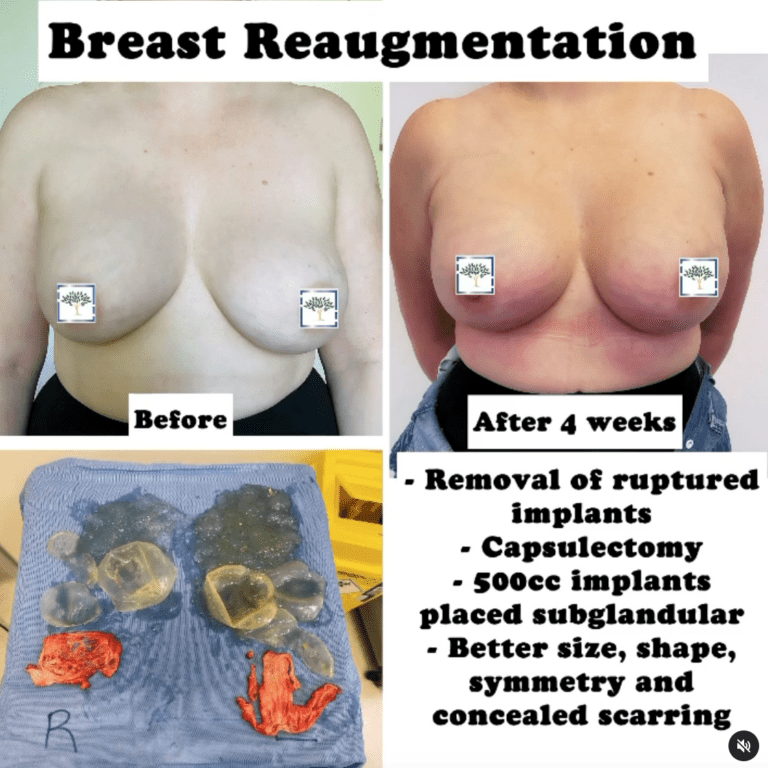
Direct Medical Costs
The most obvious financial burden of an explantation procedure lies in the direct medical costs. These can vary dramatically based on the type of implant, the complexity of the original implantation, the reasons for removal, and the healthcare facility where the procedure is performed.
- Surgical Fees: This includes the charges from the surgeon performing the explantation. Complex removals, those involving deeply embedded implants, or procedures requiring specialized techniques will naturally incur higher fees. The surgeon’s experience and reputation can also influence costs.
- Anesthesia Fees: A separate charge often comes from the anesthesiologist for their services during the surgery. The type of anesthesia (local, regional, general) and the duration of the procedure directly impact this cost.
- Hospital or Facility Fees: The facility where the explantation takes place—whether an outpatient surgical center or an inpatient hospital—charges for the use of its operating rooms, recovery rooms, equipment, and staff. For inpatient procedures, daily room charges, nursing care, and other overhead contribute significantly.
- Diagnostic Testing: Before and after explantation, various diagnostic tests may be necessary. These can include X-rays, CT scans, MRIs, ultrasounds, blood tests, and biopsies to assess the reason for removal, identify complications (like infection), or confirm the successful removal and healing process. Each test carries its own cost.
- Medications: Post-operative pain management, antibiotics to prevent infection, and other necessary pharmaceuticals add to the total expense.
- Follow-up Care: Subsequent appointments with the surgeon, physical therapy, rehabilitation, or specialized wound care contribute to the ongoing financial outlay. These follow-up services are crucial for recovery but come with additional professional fees and facility charges.
Hidden and Indirect Expenses
Beyond the direct medical bills, explantation can trigger a cascade of indirect financial costs that often go overlooked in initial estimations. These hidden expenses can significantly impact a patient’s personal finances and their household economy.
- Lost Wages and Income: Patients often require time off work for the surgery itself, recovery, and follow-up appointments. For those without robust sick leave benefits, this translates directly into lost income, which can be particularly devastating for hourly wage earners or self-employed individuals. Family members acting as caregivers may also need to take time off work, further impacting household income.
- Travel and Accommodation: If the explantation requires visiting a specialist or facility far from home, travel costs (fuel, public transport, airfare) and potential accommodation expenses for the patient and accompanying family can add up quickly.
- Childcare or Elder Care: During recovery, patients may be unable to perform their usual caregiving duties, necessitating paid childcare or elder care services.
- Home Modifications: Depending on the nature of the implant and the recovery process, temporary modifications to the home (e.g., ramps, special seating, assistive devices) might be required, incurring additional costs.
- Emotional and Psychological Support: The stress, pain, and recovery from explantation can take a significant emotional toll. Therapy or counseling, if needed, represents another potential expense.
- Legal Fees: In cases where explantation is due to a faulty device or medical negligence, legal consultation or representation can incur substantial costs, even if pursued on a contingency basis, as court fees and expert witness fees can be involved.
Navigating Insurance and Coverage for Explantation
Insurance coverage is a critical factor in determining a patient’s out-of-pocket expenses for explantation. However, the complexities of health insurance policies mean that full coverage is rarely guaranteed, and patients often find themselves facing unexpected bills.
Understanding Your Policy
Before any procedure, it is paramount for patients to thoroughly understand their health insurance policy. Key elements to review include:
- Deductibles: The amount a patient must pay out-of-pocket before their insurance company begins to pay for medical services. If the annual deductible has not been met, the patient will be responsible for a significant portion of the initial costs.
- Copayments and Coinsurance: Copayments are fixed amounts paid for certain services, while coinsurance is a percentage of the cost of a service that the patient is responsible for after the deductible has been met. These can add up, especially for expensive procedures.
- Out-of-Pocket Maximum: The maximum amount a patient will have to pay for covered services in a plan year. Once this limit is reached, the insurance company typically covers 100% of additional covered services. Knowing this limit helps in financial planning.
- In-Network vs. Out-of-Network Providers: Using providers and facilities that are “in-network” with the insurance plan typically results in lower costs. Out-of-network services often incur higher deductibles, copayments, or may not be covered at all. Verifying the network status of all providers (surgeon, anesthesiologist, facility) is crucial.
- Pre-authorization Requirements: Many insurance companies require pre-authorization for surgical procedures, including explantation. Failure to obtain pre-authorization can lead to denial of coverage, leaving the patient responsible for the entire bill.
Appeals and Advocacy
Even with careful planning, insurance denials or disputes over coverage can arise. Patients need to be prepared to appeal these decisions.
- Reviewing Denial Letters: Insurance companies are required to provide a clear explanation for any denial. Understanding the reason is the first step in crafting an appeal.
- Gathering Documentation: Collect all relevant medical records, physician’s notes, test results, and correspondence with the insurance company. A strong appeal relies on comprehensive documentation supporting the medical necessity of the explantation.
- Internal and External Appeals: Patients typically have the right to an internal appeal with their insurance company and, if that is denied, an external review by an independent third party.
- Patient Advocates: In complex cases, patient advocates or financial counselors at hospitals can assist in navigating insurance claims, understanding bills, and advocating on the patient’s behalf. These services can be invaluable in reducing financial stress and ensuring fair treatment.
Economic Repercussions for Patients and Healthcare Systems
The financial burden of explantation extends beyond individual patients, creating significant economic pressures on healthcare systems and broader public health initiatives.
Patient Financial Burden

For patients, the cumulative financial strain can be immense. Even with insurance, high deductibles, copayments, and indirect costs can lead to substantial out-of-pocket expenses. This financial stress can contribute to:
- Medical Debt: A leading cause of personal bankruptcy in many countries, medical debt resulting from complex procedures like explantation can trap individuals in a cycle of financial hardship.
- Delayed or Forgone Care: Fear of accumulating more debt can lead patients to delay or even forgo necessary follow-up care, potentially exacerbating health issues and leading to more expensive interventions down the line.
- Reduced Quality of Life: Financial worries can overshadow recovery, impacting mental health and overall quality of life during an already challenging period. Patients may be forced to draw on savings, take out loans, or sell assets to cover costs.
Strain on Healthcare Resources
Healthcare systems face their own set of financial challenges related to explantation:
- Increased Demand for Services: A rise in explantation procedures, perhaps due to aging populations or issues with certain medical devices, places increased demand on surgical facilities, operating room time, and specialized staff.
- Resource Allocation: Each explantation procedure consumes valuable resources that could otherwise be allocated to other medical needs. This includes bed space, medical supplies, and professional time.
- Uncompensated Care: For uninsured or underinsured patients unable to pay their bills, hospitals often absorb these costs as “uncompensated care,” which can strain their financial viability and lead to higher charges for other patients or reduced services.
- Administrative Overhead: Processing complex insurance claims, managing appeals, and dealing with patient financial assistance programs add to the administrative burden and costs for healthcare providers.
Business Finance and the Medical Device Industry
Explantation also carries substantial financial weight for the medical device industry, impacting manufacturers’ profitability, legal liabilities, and market valuations.
Manufacturer Liability and Recalls
When explantation is necessitated by a faulty or defective device, the financial repercussions for the manufacturer can be catastrophic.
- Product Recalls: A widespread issue with a medical implant can lead to a product recall, an incredibly expensive endeavor involving:
- Retrieval Costs: Locating and retrieving affected devices from hospitals and patients.
- Replacement Costs: Providing new devices to patients who require explantation and reimplantation.
- Legal Fees and Settlements: Facing individual lawsuits or class-action suits from affected patients for medical expenses, pain and suffering, and lost income. These settlements can run into billions of dollars.
- Reputational Damage: The long-term financial impact of a tarnished brand reputation can be immense, affecting future sales and market share.
- Warranty and Guarantees: Manufacturers often offer warranties on their devices. If an explantation falls within the warranty period, the company may be obligated to cover the costs associated with the removal and replacement of the device.
Investment Considerations
For investors, the prevalence and reasons for explantation are critical metrics when evaluating medical device companies.
- Risk Assessment: High rates of explantation or frequent recalls signal potential product quality issues, regulatory scrutiny, and significant financial risk, which can lead to stock price volatility and investor apprehension.
- Research and Development (R&D) Investment: Companies that consistently invest in robust R&D, rigorous testing, and post-market surveillance to minimize explantation rates due to device failure are often seen as more stable and reliable investments.
- Market Share and Competitive Advantage: A reputation for reliable, durable implants with low explantation rates can be a significant competitive advantage, translating into greater market share and stronger financial performance. Conversely, companies plagued by explantation issues may see their market position erode.
Mitigating the Financial Impact
Addressing the financial burden of explantation requires a multi-pronged approach involving proactive planning, robust insurance systems, and continuous innovation within the medical device industry.
Proactive Financial Planning
For individuals, understanding the potential costs and planning ahead is essential. This includes:
- Emergency Funds: Maintaining an adequate emergency fund can provide a buffer against unexpected medical expenses, including those related to explantation.
- Health Savings Accounts (HSAs) and Flexible Spending Accounts (FSAs): These tax-advantaged accounts can be used to save for and pay for qualified medical expenses, helping to offset out-of-pocket costs.
- Understanding Insurance Benefits: Regularly reviewing and understanding one’s health insurance policy, including deductibles, copayments, and out-of-pocket maximums, is crucial.
- Financial Counseling: Seeking advice from financial planners or hospital-based financial counselors can help individuals navigate complex medical billing and insurance claims.

Policy and Innovation
At a broader level, systemic changes can help mitigate the financial impact of explantation:
- Transparent Pricing: Greater transparency in healthcare pricing can empower patients to make more informed financial decisions.
- Improved Device Regulation and Testing: Stricter regulatory oversight and more rigorous pre-market and post-market testing of medical devices can reduce explantation rates due to device failure, thereby lowering associated costs for patients and manufacturers.
- Enhanced Insurance Models: Developing insurance models that better protect patients from catastrophic medical debt and simplify the claims process can alleviate significant financial stress.
- Manufacturer Accountability: Policies that ensure robust manufacturer accountability for device failures can help distribute the financial burden more equitably and incentivize higher quality products.
- Healthcare System Efficiency: Investments in healthcare system efficiency can reduce the overall cost of procedures and administrative overhead, benefiting all stakeholders.
Explantation, while a medical term, is inextricably linked to complex financial realities. From individual patient budgets to the balance sheets of global medical device corporations, its economic footprint is profound. A comprehensive understanding of these financial dimensions is crucial for effective patient care, sound financial planning, and a sustainable healthcare ecosystem.
aViewFromTheCave is a participant in the Amazon Services LLC Associates Program, an affiliate advertising program designed to provide a means for sites to earn advertising fees by advertising and linking to Amazon.com. Amazon, the Amazon logo, AmazonSupply, and the AmazonSupply logo are trademarks of Amazon.com, Inc. or its affiliates. As an Amazon Associate we earn affiliate commissions from qualifying purchases.