
In the dynamic world of brand strategy, corporate identity, and personal branding, the concepts of “fate” and “destiny” offer a compelling framework for understanding how entities navigate their existence. While often used interchangeably in casual conversation, these terms carry distinct meanings when applied to a brand’s journey, illuminating the interplay between external forces and deliberate strategic action. Understanding this distinction is crucial for any brand—be it a nascent startup, an established corporation, or an individual professional—seeking to define its trajectory and impact.
The Predetermined Path vs. The Purposeful Journey in Branding
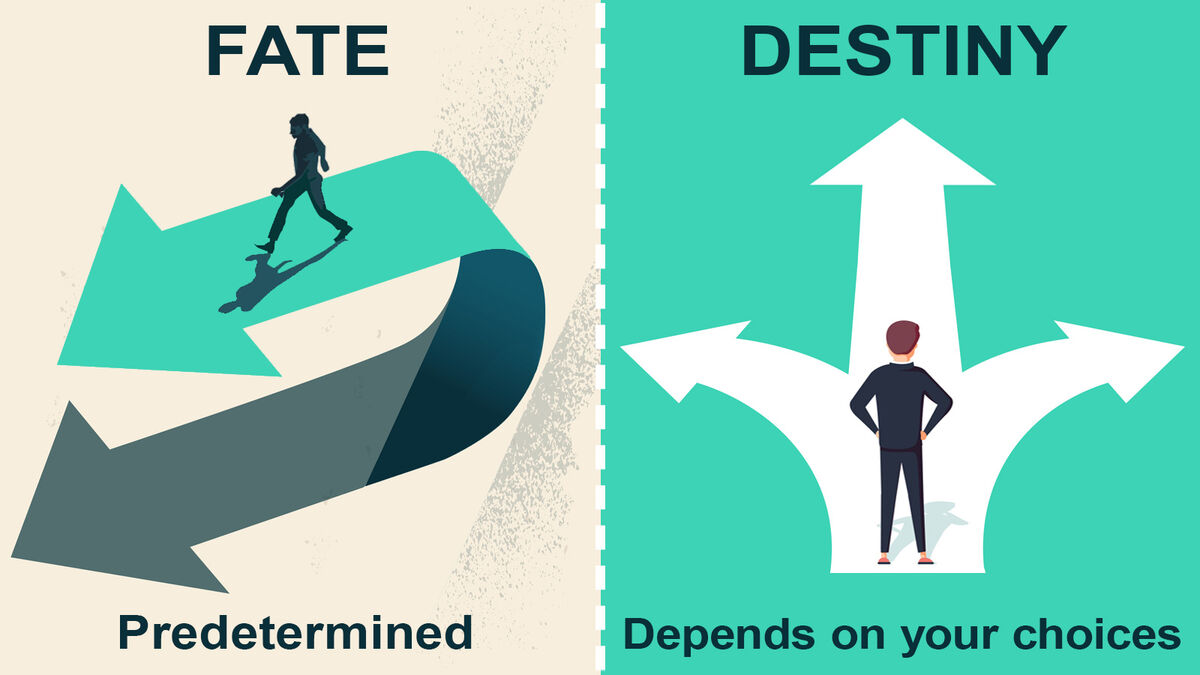
At its core, the difference between fate and destiny in branding lies in agency. Fate represents the circumstances, inherent characteristics, and external forces largely beyond a brand’s immediate control. Destiny, on the other hand, embodies the strategic choices, purposeful actions, and crafted vision that shape a brand’s future, allowing it to author its own narrative.

Fate: Acknowledging Inherent Conditions and Market Realities
Every brand begins with a set of “fated” conditions. These are the givens—the initial circumstances, the industry landscape, the economic climate at inception, the inherent strengths and weaknesses of its core offering, and even its initial reputation (if spun off from an existing entity). Think of fate as the hand a brand is dealt; it influences the game but doesn’t necessarily dictate the winner.
For a new tech startup, its fate might include the specific market niche it enters, the existing competitive landscape, the available talent pool in its geographic region, or the prevailing venture capital sentiment. An established retail brand might face the fate of a shifting consumer demographic, evolving regulatory frameworks, or unforeseen supply chain disruptions. These are the external currents and structural realities that a brand must acknowledge and, to a certain extent, endure. They set the stage, providing the raw material and constraints within which a brand must operate. A brand cannot choose its industry’s inherent volatility, the global economic cycle, or a sudden technological disruption from a competitor. These elements form its “fated” environment, requiring adaptation rather than direct control.
Destiny: Crafting Your Brand’s Narrative and Trajectory
If fate is the hand, destiny is how a brand plays it. Destiny is about strategic intent, visionary leadership, consistent execution, and the deliberate shaping of a brand’s future. It’s the active process of defining what a brand stands for, whom it serves, and how it will evolve. This involves making conscious decisions about brand identity, messaging, product development, market positioning, and customer experience.
Consider a brand that enters a crowded market. Its destiny isn’t merely to survive, but to differentiate itself through innovative design, superior customer service, or a unique value proposition. This requires strategic planning, investment in R&D, creative marketing campaigns, and a relentless focus on its core values. A brand’s destiny is forged through the continuous refinement of its brand promise, the cultivation of its brand culture, and the consistent delivery on its customer experience. It’s about being proactive rather than reactive, driving change rather than merely responding to it. Brands that actively pursue their destiny don’t just exist; they evolve, innovate, and leave an indelible mark on their industry and audience.
Personal Branding: Navigating the Inevitable and Forging Your Own Identity
The distinction between fate and destiny is perhaps most tangible and empowering in the realm of personal branding. Here, individuals confront their innate characteristics and external circumstances while simultaneously possessing the profound ability to sculpt their professional identity and career path.
Fate in Personal Branding: Innate Talents, Background, and Initial Perceptions
Each individual is born with a certain “fate.” This includes innate talents, natural aptitudes, family background, socio-economic starting points, and the educational opportunities (or lack thereof) available early in life. These elements form the bedrock of an individual’s initial professional canvas. Some might inherit a network, a surname with established credibility, or a predisposition for certain skills. Others might face the fate of overcoming significant disadvantages.
Furthermore, early career experiences, the first jobs taken, and the initial perceptions formed by colleagues and mentors also contribute to an individual’s professional fate. These factors, while not entirely insurmountable, set the initial parameters and influence the starting points for an individual’s personal brand. They are the initial set of cards an individual is dealt, shaping their early potential and public image before conscious efforts to brand themselves begin.
Destiny in Personal Branding: Strategic Positioning and Self-Authorship
Destiny in personal branding is the conscious and deliberate effort to shape one’s professional narrative, develop a unique value proposition, and strategically navigate career choices. It’s about self-authorship—taking control of how one is perceived, what one is known for, and the impact one intends to make. This involves identifying core strengths, articulating a unique professional purpose, and consistently communicating that purpose across various platforms.
An individual pursuing their destiny actively invests in skill development, seeks out mentors, crafts a compelling online presence (LinkedIn, personal website, social media), and strategically networks within their chosen field. They don’t just let their career happen; they make it happen. They might intentionally pivot industries, pursue further education, or take on challenging roles to acquire specific expertise. This proactive approach transforms initial “fated” circumstances into launching pads for a self-determined future. For example, someone with a “fated” background in a traditional industry might leverage that foundational knowledge to brand themselves as an innovator disrupting that very sector, thereby forging a new professional destiny.
Corporate Identity: Responding to Externalities and Directing Future Growth
For larger entities, the concepts of fate and destiny play out on a grander scale, influencing long-term sustainability, market leadership, and corporate legacy.
The “Fate” of a Corporation: Economic Cycles and Industry Disruptions
Corporations, much like individuals, are subject to external forces that comprise their fate. These include macroeconomic shifts (recessions, booms), geopolitical events, technological disruptions (e.g., the advent of digital photography for Kodak), changes in consumer behavior, and the actions of powerful competitors. Regulatory changes, natural disasters, or unexpected shifts in resource availability can also impose a “fated” challenge that even the most well-run company must confront.
An industry might become commoditized, making it difficult for individual companies to differentiate themselves solely on product. A global pandemic might fundamentally alter supply chains and consumer purchasing habits overnight. These are not choices a corporation makes; they are conditions it faces, requiring a profound understanding of its operating environment and the agility to respond. Such external pressures can test a corporate identity to its limits, revealing its resilience or its vulnerabilities.
Charting a Corporate “Destiny”: Vision, Innovation, and Brand Resilience
Charting a corporate destiny involves strategic foresight, relentless innovation, and a robust brand strategy designed to navigate and even capitalize on fated circumstances. It’s about a corporation actively deciding its future trajectory rather than being swept along by external currents. This includes defining a clear mission and vision, investing in research and development, fostering a distinctive corporate culture, and building a powerful, adaptable brand identity.
Companies that successfully chart their destiny continuously monitor market trends, anticipate future needs, and proactively adapt their offerings. They might choose to diversify, enter new markets, acquire complementary businesses, or embark on a complete brand refresh. Think of companies that have successfully pivoted from one industry to another (e.g., Nintendo from playing cards to video games) or those that have continuously reinvented their core products to stay relevant. This isn’t just reacting to fate; it’s about leveraging internal capabilities, strategic partnerships, and brand equity to create a preferred future, actively shaping their legacy and market position.

The Interplay: When Fate Provides the Canvas for Destiny’s Masterpiece
Ultimately, the most insightful understanding comes from recognizing the intricate interplay between fate and destiny. No brand operates in a vacuum, entirely immune to external forces, nor is any brand entirely powerless to shape its own future. Fate provides the canvas—the initial conditions, inherent attributes, and external environment. Destiny is the artistry—the strategic choices, creative solutions, and persistent efforts that transform that canvas into a unique masterpiece.
A brand’s success often hinges on its ability to accurately assess its “fated” circumstances—understanding market realities, competitive pressures, and its own inherent strengths and weaknesses. With this clear-eyed perspective, it can then embark on crafting its destiny, strategically leveraging opportunities, mitigating threats, and building a compelling narrative. The most resilient brands are not those that avoid fate, but those that understand it deeply, embrace its limitations, and then, with deliberate intent, forge a destiny that transcends those very constraints. This iterative process of recognizing what is given and actively creating what is desired is the essence of powerful, enduring branding.
aViewFromTheCave is a participant in the Amazon Services LLC Associates Program, an affiliate advertising program designed to provide a means for sites to earn advertising fees by advertising and linking to Amazon.com. Amazon, the Amazon logo, AmazonSupply, and the AmazonSupply logo are trademarks of Amazon.com, Inc. or its affiliates. As an Amazon Associate we earn affiliate commissions from qualifying purchases.