
For homeowners with a swimming pool, managing water chemistry can often feel like a complex and unending expense. Among the array of chemicals required to maintain a pristine and safe swimming environment, cyanuric acid (CYA) stands out as a crucial, yet often misunderstood, component. While it may seem like just another item on your pool maintenance shopping list, understanding “what is cyanuric acid for pools” is not merely about achieving proper water balance; it is fundamentally about optimizing your financial outlay, preserving your pool as a significant asset, and making smarter spending decisions for long-term savings.
The Financial Imperative of Chlorine Stabilization
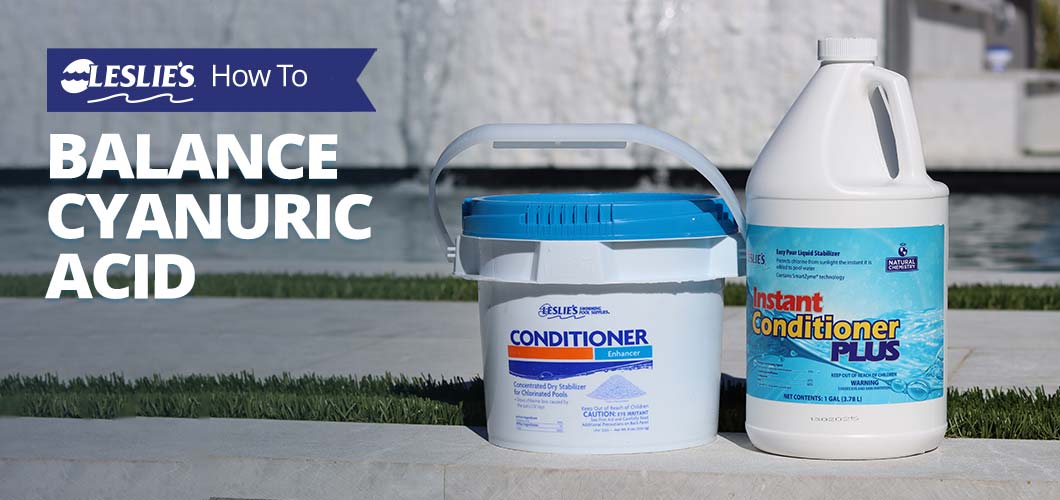
Chlorine is the cornerstone of pool sanitation, responsible for neutralizing harmful bacteria and algae. However, chlorine is notoriously vulnerable, especially when exposed to direct sunlight. This vulnerability translates directly into increased costs for the pool owner. Cyanuric acid acts as a sunscreen for your chlorine, a critical function that directly impacts your household budget.
Protecting Your Investment in Chlorine
Consider chlorine as an ongoing investment in your pool’s health and safety. Without CYA, granular or tablet chlorine, particularly unstabilized forms, dissipates rapidly when exposed to the sun’s ultraviolet (UV) rays. Research indicates that up to 90% of free chlorine can be destroyed by UV light within just a few hours on a sunny day. This rapid degradation means you’re constantly replenishing chlorine, effectively pouring money into the pool only for it to vanish.
CYA works by forming a temporary, weak bond with free chlorine molecules. This bond shields the chlorine from UV radiation, significantly extending its lifespan in the water. While bound to CYA, chlorine’s sanitizing power is slightly reduced, but this minor trade-off is overwhelmingly offset by its protection from the sun. The key financial benefit here is efficiency: by preserving chlorine, CYA dramatically reduces the frequency and quantity of chlorine additions required, leading to substantial savings on your recurring chemical expenses over a swimming season. It transforms chlorine from a rapidly depreciating asset into a more stable, long-lasting investment in your water quality.
The Cost of Evaporation and UV Degradation
Beyond the direct cost of lost chlorine, the consequences of inadequate stabilization can lead to further financial strain. Rapid chlorine depletion means your pool is frequently left vulnerable to algae blooms and bacterial growth. A green pool or one with sanitation issues necessitates aggressive and costly treatments, often involving large doses of shock chlorine, algaecides, and clarifiers. These emergency interventions are far more expensive than routine preventative maintenance.
Moreover, the process of constantly adding unstabilized chlorine can lead to fluctuations in other critical water parameters, such as pH, which then require further adjustments using pH increasers or decreasers. Each additional chemical required to correct imbalances represents an incremental cost. By stabilizing chlorine effectively with CYA, you establish a more consistent chemical environment, minimizing these reactive expenditures and promoting a more predictable, budget-friendly maintenance routine.
Optimal CYA Levels: Balancing Savings and Efficacy
Achieving the right balance of cyanuric acid is paramount for maximizing its financial benefits. Both too little and too much CYA can lead to wasteful spending and potential pool problems, emphasizing the importance of precise management.
Too Little CYA: Wasted Money on Chlorine
As discussed, an insufficient level of cyanuric acid renders your chlorine vulnerable to the sun, leading to rapid degradation and constant re-dosing. This is arguably the most common and direct financial leak for pool owners. Imagine buying a premium product that spoils almost immediately after purchase; that’s essentially what happens to your chlorine without adequate CYA.
Maintaining CYA levels within the recommended range (typically 30-50 parts per million (ppm) for chlorinated pools, or higher for saltwater chlorine generator pools) ensures that your investment in chlorine is safeguarded. This initial, relatively small, expenditure on CYA translates into significant ongoing savings on chlorine purchases throughout the season, transforming your pool chemistry from a high-burn expense to a more sustainable, controlled cost. It’s a classic example of a smart initial investment yielding continuous financial dividends.
Too Much CYA: Risk of “Chlorine Lock” and Expensive Solutions
While protecting chlorine is crucial, an excessive amount of cyanuric acid can become counterproductive and even costly. When CYA levels rise too high (e.g., above 80-100 ppm), it can lead to a phenomenon often referred to as “chlorine lock.” At these elevated concentrations, CYA binds too strongly to the chlorine, rendering it largely ineffective at sanitizing the water. Despite having what appears to be adequate free chlorine on a test strip, your pool may still struggle with algae or bacterial issues because the chlorine is “locked up” and unavailable to do its job.

The financial implications of “chlorine lock” are significant. Pool owners might mistakenly assume they need more chlorine to combat persistent issues, leading to an endless cycle of adding expensive chemicals that provide no benefit. Ultimately, the only effective way to reduce high CYA levels is to drain a portion of the pool water and refill it with fresh, unstabilized water. This process incurs costs related to water consumption, energy for refilling and reheating (if applicable), and the time spent on the task. In severe cases, a complete drain and refill might be necessary, representing a substantial expense in terms of water, chemicals, and labor, not to mention the loss of enjoyment from a unusable pool. Prevention through regular testing and careful CYA addition is therefore a crucial financial strategy.
Calculating Your CYA Needs for Cost-Efficiency
Understanding how to measure and adjust your pool’s cyanuric acid levels is a fundamental skill for any financially prudent pool owner. It allows for targeted spending and avoids wasteful applications.
Initial Investment vs. Ongoing Savings
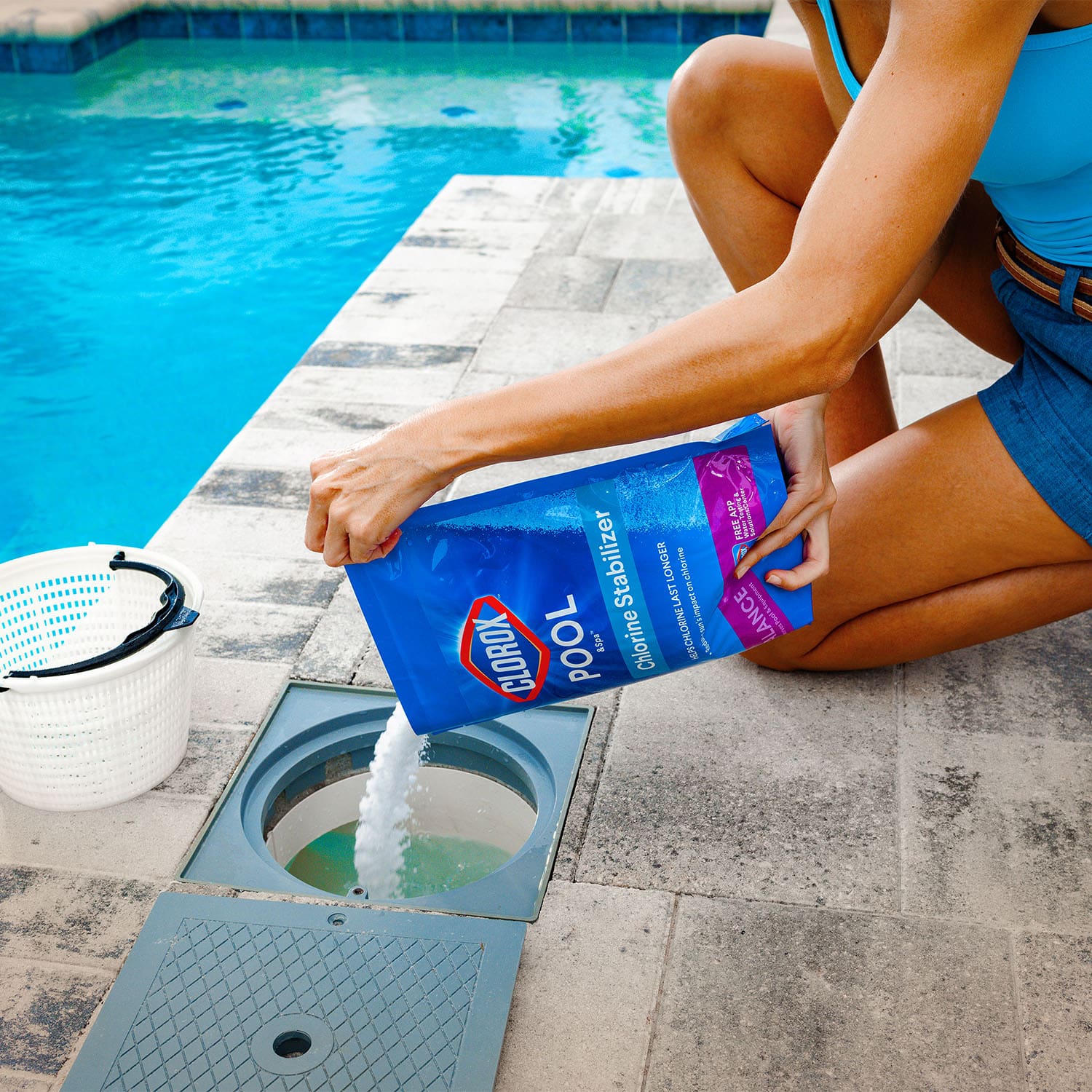
When first opening a new pool or starting fresh, you’ll need an initial dose of granular cyanuric acid. This upfront cost should be viewed as an investment that protects your much larger, recurring chlorine budget. Calculate the precise amount needed based on your pool’s volume and current CYA levels (if any). Overdosing to “be safe” is a common, expensive mistake that can lead to the “chlorine lock” scenario.
Once established, CYA levels tend to remain stable, as it does not evaporate or get consumed by sanitizing processes. Its primary loss mechanisms are splash-out, backwashing, and draining. This means you typically won’t need to add large amounts frequently, further solidifying its role as a cost-effective stabilizer rather than a recurring, high-volume chemical expense. By being precise with your initial dose, you avoid the cost of subsequent correction or the financial drain of inefficient chlorine use.
Testing Kits: A Small Expense for Big Returns
Accurate measurement of CYA levels is indispensable for optimal chemical management and cost control. Reliable pool testing kits, particularly those that include a CYA test (often a turbidity test), are a small but critical investment. Relying on guesswork or infrequent testing can lead to imbalances that, as outlined, result in unnecessary spending.
Regular testing (e.g., monthly or bi-weekly depending on usage and sunlight exposure) allows you to monitor CYA levels and make small, targeted adjustments. This proactive approach prevents the costly problems associated with both too little and too much CYA. Think of your test kit as a financial tool, providing the data needed to make informed spending decisions, ensuring every dollar spent on pool chemicals delivers maximum value.
Long-Term Financial Benefits of Proper Pool Chemistry
The benefits of proper cyanuric acid management extend beyond immediate chlorine savings. They contribute significantly to the longevity and overall value of your pool, impacting your long-term financial health as a pool owner.
Preventing Costly Repairs and Replacements
Consistent and effective sanitation, enabled by proper CYA levels, prevents the growth of aggressive algae strains that can stain pool surfaces. While surface stains might seem cosmetic, severe or prolonged staining can necessitate expensive acid washes or even resurfacing, which can cost thousands of dollars. By ensuring chlorine is effectively sanitizing, CYA indirectly helps protect your pool’s finish and structure from damage that arises from neglected water chemistry.
Furthermore, an imbalanced chemical environment, often exacerbated by a lack of effective chlorine, can lead to the corrosion or scaling of pool equipment. Pumps, filters, heaters, and automatic cleaners are significant investments. When water chemistry is consistently out of whack, these components can suffer premature wear and tear, leading to expensive repairs or replacements. Proper CYA management contributes to overall stable water chemistry, which in turn extends the operational life of your pool equipment, delaying costly capital expenditures.
Extending Pool Component Lifespan
A pool is a substantial asset, and maintaining its value requires diligent care. By understanding and properly utilizing cyanuric acid, pool owners aren’t just saving money on daily chlorine; they are investing in the long-term health of their entire pool system. Effective sanitation prevents the deterioration of plaster, vinyl liners, and fiberglass surfaces that can occur from prolonged exposure to algae or harsh, uncontrolled chemical conditions.
The proactive financial strategy of using CYA correctly minimizes the risk of expensive emergencies and preserves the aesthetic and structural integrity of your pool. This not only avoids direct costs for repairs but also maintains your home’s property value, ensuring your pool remains a desirable feature rather than a financial liability. In essence, mastering cyanuric acid management transforms a potential money pit into a well-managed asset, securing both your enjoyment and your investment.
aViewFromTheCave is a participant in the Amazon Services LLC Associates Program, an affiliate advertising program designed to provide a means for sites to earn advertising fees by advertising and linking to Amazon.com. Amazon, the Amazon logo, AmazonSupply, and the AmazonSupply logo are trademarks of Amazon.com, Inc. or its affiliates. As an Amazon Associate we earn affiliate commissions from qualifying purchases.