
Commercial drug insurance, often a cornerstone of modern healthcare financing, refers to prescription drug coverage provided by private insurance companies, as opposed to government-sponsored programs. In an era where prescription medications are increasingly vital for managing chronic conditions, preventing illness, and improving quality of life, understanding the intricacies of commercial drug insurance is paramount for effective personal and business financial planning. These plans play a critical role in mitigating the substantial financial burden associated with pharmaceutical costs, transforming unpredictable expenses into manageable, budgeted outlays for individuals and families.
Understanding the Fundamentals of Commercial Drug Insurance
Commercial drug insurance plans are designed to help individuals and groups cover the costs of prescription medications. Unlike government programs like Medicare Part D, which are federally administered, commercial plans are offered by private entities such as Aetna, Blue Cross Blue Shield, Cigna, and UnitedHealthcare, among others. They are typically accessed through employers, purchased directly by individuals, or secured via the Affordable Care Act (ACA) marketplaces.

Defining Commercial Drug Insurance
At its core, commercial drug insurance is a contractual agreement where an individual or entity pays a regular premium to an insurer in exchange for coverage of prescribed medications. This coverage can range from a portion of the cost to the full cost of eligible drugs, subject to the plan’s specific terms, deductibles, copayments, and coinsurance. The objective is to provide financial protection against the high costs of both routine and specialty medications, ensuring access to necessary treatments without incurring catastrophic out-of-pocket expenses. For businesses, offering such insurance is a key component of employee benefits packages, attracting and retaining talent while fostering a healthier workforce.
Who Benefits from Commercial Drug Insurance?
The primary beneficiaries of commercial drug insurance are individuals and families who require prescription medications. This includes a vast spectrum of the population, from those managing chronic conditions like diabetes, heart disease, or asthma, to individuals needing short-term antibiotics, pain relief, or mental health medications. Employers also benefit significantly by offering these plans, as they enhance employee well-being, reduce absenteeism, and contribute to overall productivity. From a financial perspective, both individuals and businesses gain predictability in healthcare spending, protecting personal savings and corporate budgets from volatile drug costs.
How it Differs from Government Programs
The distinction between commercial and government drug insurance is crucial. Government programs, such as Medicare Part D for seniors and individuals with certain disabilities, Medicaid for low-income individuals and families, and TRICARE for military personnel, are publicly funded and subject to specific eligibility criteria and regulations. Commercial plans, conversely, are privately funded and regulated by state insurance departments and federal laws like ERISA for employer-sponsored plans. While both aim to provide drug coverage, commercial plans often offer a wider range of choices, different premium structures, and varying levels of flexibility in terms of provider networks and formularies, reflecting market competition and diverse consumer demands. Understanding these differences is essential when evaluating the most financially advantageous and suitable coverage option.
Key Components and Features of Commercial Drug Plans
Navigating commercial drug insurance requires familiarity with its fundamental components, as these directly impact an individual’s financial responsibility and access to medications. These features are designed to manage costs for both the insurer and the insured, balancing comprehensive coverage with affordability.
Formularies and Tiers
A central feature of commercial drug plans is the formulary, which is a list of prescription drugs covered by the plan. Formularies are typically organized into tiers, with each tier corresponding to a different cost-sharing level.
- Tier 1 (Generic Drugs): These are the least expensive option, offering the lowest copayment. Generics are chemically identical to their brand-name counterparts and are equally effective.
- Tier 2 (Preferred Brand-Name Drugs): These drugs have a slightly higher copayment than generics but are still preferred by the insurer due to negotiated discounts.
- Tier 3 (Non-Preferred Brand-Name Drugs): These come with a higher copayment and may require prior authorization.
- Tier 4 (Specialty Drugs): These are the most expensive, often used to treat complex or chronic conditions. They usually have the highest copayment or coinsurance and may need to be obtained through specific specialty pharmacies.
Understanding your plan’s formulary and tier structure is vital for managing out-of-pocket drug costs.
Deductibles, Copayments, and Coinsurance
These are the primary mechanisms by which insured individuals share the cost of their medications:
- Deductible: This is the amount you must pay out of pocket for covered prescriptions (and sometimes other medical services) before your insurance plan begins to pay. Some plans may waive the deductible for certain generic drugs.
- Copayment (Copay): A fixed amount you pay for a covered prescription each time you fill it after your deductible has been met (if applicable). This amount varies by drug tier.
- Coinsurance: A percentage of the cost of a covered prescription that you pay after your deductible has been met. This is common for higher-tier drugs, especially specialty medications, and can lead to significant out-of-pocket expenses for costly drugs.
Prior Authorization and Step Therapy
To manage costs and ensure appropriate use of medications, commercial drug plans often employ utilization management strategies:
- Prior Authorization (PA): For certain expensive or high-risk drugs, your doctor may need to obtain approval from the insurance company before the plan will cover the medication. This ensures the drug is medically necessary and appropriate for your condition.
- Step Therapy: This policy requires you to try a less expensive, often generic, drug first. If the initial drug is ineffective or causes adverse side effects, the plan will then cover a more expensive alternative. These controls can impact treatment timelines and require coordination between patients, prescribers, and insurers.
Out-of-Pocket Maximums
An essential financial safeguard, the out-of-pocket maximum, is the most you will have to pay for covered services (including prescription drugs, and sometimes medical services combined) in a policy year. Once you reach this limit, your insurance plan pays 100% of the cost of most covered services for the remainder of the year. This feature provides a critical financial ceiling, preventing individuals from facing unlimited healthcare expenses in cases of severe illness or extensive medication needs.
Coverage for Specialty Drugs
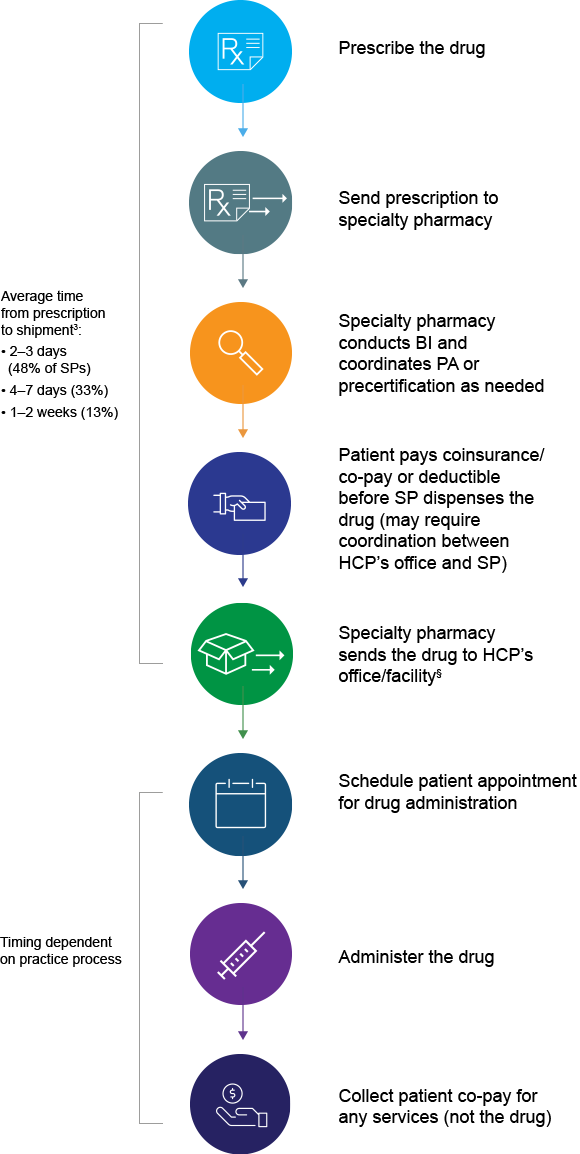
Specialty drugs, used to treat complex, chronic, or rare conditions (e.g., certain cancers, multiple sclerosis, rheumatoid arthritis), represent a significant and growing portion of pharmaceutical spending. Commercial plans often have specific rules for specialty drug coverage, which may include higher coinsurance rates, strict prior authorization protocols, and mandatory use of specialty pharmacies. Understanding this aspect is crucial for individuals with such conditions, as these medications can cost thousands of dollars per month, making robust coverage indispensable for financial stability.
Navigating Enrollment and Policy Selection
Choosing the right commercial drug insurance plan is a critical financial decision that can significantly impact your annual healthcare budget and access to necessary medications. The enrollment process and selection factors vary depending on how you access coverage.
Employer-Sponsored vs. Individual Plans

Most individuals obtain commercial drug insurance through their employer. Employer-sponsored plans typically involve a shared premium cost between the employer and employee, often resulting in lower individual premiums and potentially broader coverage options due to the group purchasing power. Enrollment usually occurs during an annual “open enrollment” period or upon hiring.
For those not covered by an employer, individual plans can be purchased directly from insurance companies or through state and federal health insurance marketplaces established by the ACA. These plans are fully financed by the individual, and subsidies may be available based on income to help offset premium costs. While offering flexibility in choice, individual plans may sometimes have higher premiums or more restrictive formularies than group plans.
Open Enrollment Periods
Regardless of how you obtain coverage, understanding open enrollment is key. This is a specific annual period, typically in the fall, during which you can enroll in a new plan, switch plans, or make changes to your existing coverage. Outside of open enrollment, changes are generally only permitted if you experience a “qualifying life event,” such as marriage, birth of a child, loss of other coverage, or a move to a new coverage area. Missing open enrollment can mean being stuck with an unsuitable plan or no coverage for another year, potentially leading to substantial financial strain from uncovered drug costs.
Factors to Consider When Choosing a Plan
Selecting a commercial drug insurance plan requires careful consideration of several financial and practical factors:
- Premiums: The monthly cost you pay for coverage. Balance this with potential out-of-pocket costs.
- Deductibles, Copays, and Coinsurance: Assess your potential financial responsibility for different drug tiers and common medications you use.
- Formulary: Check if your current medications are covered and at what tier. If you anticipate needing specific drugs, verify their inclusion.
- Pharmacy Network: Ensure your preferred pharmacies are in the plan’s network to avoid higher out-of-network costs.
- Prior Authorization/Step Therapy Requirements: Understand the hoops you might need to jump through for certain medications.
- Out-of-Pocket Maximum: A higher out-of-pocket maximum means you could pay more before coverage kicks in fully, but it might come with lower premiums.
- Overall Health Needs: If you have chronic conditions or anticipate high drug usage, a plan with a lower deductible and higher premiums might be more cost-effective in the long run. Conversely, if you rarely use prescriptions, a high-deductible plan with lower premiums might be financially prudent.
Understanding Your Summary of Benefits and Coverage
Before making a final decision, always review the Summary of Benefits and Coverage (SBC). This standardized document provides a clear, concise overview of a health plan’s benefits and coverage, including details on prescription drug coverage, deductibles, copayments, coinsurance, and annual out-of-pocket limits. It allows for easy comparison between different plans, helping you make an informed financial choice that aligns with your healthcare needs and budget.
The Financial Impact and Value Proposition
Commercial drug insurance offers significant financial protection and value, especially in an era of escalating prescription drug costs. Its primary purpose is to transform unpredictable and potentially devastating medical expenses into manageable, predictable costs, thereby safeguarding personal and business finances.
Mitigating High Healthcare Costs
One of the most compelling values of commercial drug insurance is its ability to mitigate the financial shock of high prescription costs. Without coverage, even common medications can be expensive, and specialty drugs for conditions like cancer, autoimmune diseases, or rare disorders can cost tens of thousands of dollars annually. Drug insurance acts as a financial buffer, reducing an individual’s direct payment to a copayment, coinsurance percentage, or deductible, with the insurer bearing the majority of the cost. This prevents individuals from having to choose between vital medications and other essential living expenses, a critical aspect of financial stability and well-being.
Budgeting for Prescription Expenses
Commercial drug insurance facilitates better financial planning and budgeting. By paying a fixed monthly premium, individuals convert a variable and potentially immense expense into a predictable, regular cost. This allows for more effective allocation of personal funds and eases financial stress. For businesses, predictable insurance premiums allow for accurate budgeting of employee benefits, which is crucial for managing operational costs and ensuring the fiscal health of the organization. Understanding your plan’s cost-sharing structure—deductibles, copays, and coinsurance—enables you to estimate your annual out-of-pocket drug expenses and plan accordingly.
The Role of Pharmacy Benefit Managers (PBMs)
Pharmacy Benefit Managers (PBMs) play a pivotal, though often controversial, role in commercial drug insurance. PBMs are third-party administrators contracted by insurers to manage prescription drug programs. Their functions include negotiating drug prices with pharmaceutical manufacturers, establishing and maintaining formularies, processing claims, and operating mail-order pharmacies. While PBMs aim to control drug costs for insurers and beneficiaries through bulk purchasing and rebates, their complex pricing structures and lack of transparency have often been scrutinized. However, their existence is integral to the current landscape of commercial drug coverage, impacting the final costs paid by consumers and insurers alike.
Potential Downsides and Limitations
Despite its benefits, commercial drug insurance is not without its limitations. High deductibles can mean significant out-of-pocket expenses before coverage kicks in, especially for individuals with infrequent but costly drug needs. Restrictive formularies might exclude preferred medications, necessitating appeals or higher-cost alternatives. The administrative burden of prior authorizations and step therapy can be frustrating and delay access to necessary treatment. Furthermore, rising premiums and increasing cost-sharing can erode the financial advantages for some individuals, making it challenging to afford comprehensive coverage, particularly for those with limited income or chronic conditions requiring expensive medications.
Future Trends and Consumer Empowerment
The landscape of commercial drug insurance is continually evolving, driven by technological advancements, shifts in healthcare policy, and increasing consumer demand for transparency and affordability. Staying informed about these trends is crucial for individuals and businesses seeking to optimize their financial and health outcomes.
Telemedicine and Digital Health Integration
The rise of telemedicine and digital health platforms is increasingly influencing commercial drug insurance. Virtual consultations can streamline prescription renewals and initial diagnoses, potentially reducing the need for costly in-person visits and improving medication adherence. Many insurers are now integrating digital health tools, including apps for medication reminders, price comparisons, and even remote monitoring, into their drug plans. This integration aims to enhance convenience, improve health outcomes, and offer more financially efficient ways to manage prescription needs.
Transparency in Drug Pricing
A significant push in healthcare policy and consumer advocacy is towards greater transparency in drug pricing. The complex ecosystem of drug manufacturers, PBMs, pharmacies, and insurers often obscures the true cost of medications. Future trends indicate a move towards more transparent pricing models, which could empower consumers to make more informed financial decisions about their prescriptions. Legislation and market pressures are driving initiatives that require disclosure of net drug prices and the breakdown of costs, potentially leading to more competitive pricing and better value for insured individuals.
Advocating for Your Coverage Needs
In an evolving system, consumer empowerment is paramount. Individuals are increasingly encouraged to be proactive advocates for their coverage needs. This includes understanding plan documents, challenging denials, appealing prior authorization decisions, and actively comparing plan options during open enrollment. Financial literacy regarding drug insurance means not only knowing what you pay but also understanding why, and leveraging available resources—such as patient advocacy groups, plan customer service, and online tools—to ensure you receive the most cost-effective and appropriate drug coverage for your specific health requirements. By engaging proactively, individuals can optimize their financial investment in health and secure access to vital medications.
aViewFromTheCave is a participant in the Amazon Services LLC Associates Program, an affiliate advertising program designed to provide a means for sites to earn advertising fees by advertising and linking to Amazon.com. Amazon, the Amazon logo, AmazonSupply, and the AmazonSupply logo are trademarks of Amazon.com, Inc. or its affiliates. As an Amazon Associate we earn affiliate commissions from qualifying purchases.