
Earthquakes, nature’s most abrupt and powerful displays of geological force, unleash a cascade of immediate and long-lasting consequences. These seismic events, while often perceived solely through the lens of physical destruction, carry profound implications that resonate across technological infrastructure, the intricate fabric of brand reputation, and the vital domain of personal and business finance. Understanding these multifaceted effects is no longer just an academic exercise; it’s a critical component of building resilient societies in an increasingly interconnected and vulnerable world.
This exploration delves into the diverse impacts of earthquakes, examining them through the practical and forward-looking prisms of technology, brand management, and financial planning. We will dissect how seismic events challenge and transform our technological landscapes, how they test and reshape the perception and resilience of brands, and crucially, how they necessitate robust financial strategies for both individuals and organizations to weather the storm and rebuild.
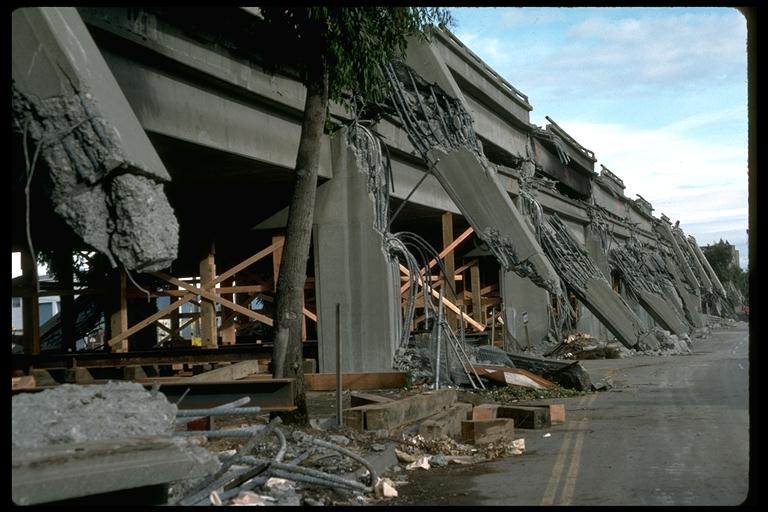
The Technological Tremors: Disruptions, Innovations, and the Future of Resilience
Earthquakes are brutal stress tests for the technology that underpins modern life. From the ubiquitous smartphones in our pockets to the vast data centers powering the global internet, our digital infrastructure is far from immune to the earth’s violent shudders. The immediate aftermath of a significant seismic event can cripple communication networks, disrupt power grids, and damage the physical hardware essential for data storage and processing. However, the story doesn’t end with destruction; it also branches into innovation and the relentless pursuit of greater technological resilience.
Immediate Infrastructure Vulnerabilities and the Digital Divide
The most visible technological effect of an earthquake is the immediate breakdown of critical infrastructure. Cell towers can topple, fiber optic cables can be severed, and the power outages that invariably follow can render even the most robust digital systems inoperable. This not only isolates communities, hindering rescue efforts and the dissemination of vital information, but it also widens the digital divide. Those without access to satellite phones, or those living in areas with less developed communication networks, are often the most severely impacted, left in the dark both literally and figuratively.
The reliance on cloud computing, while offering some advantages in terms of distributed data storage, can also be a vulnerability. If the data centers are located in or near seismically active zones, a significant earthquake can lead to widespread service disruptions for businesses and individuals globally. The cascading effect is immense: e-commerce halts, financial transactions become impossible, and essential government services can be paralyzed.
Technological Innovations in Earthquake Response and Recovery
In the face of these challenges, the same technological ingenuity that is vulnerable is also our greatest ally in mitigating the effects of earthquakes and accelerating recovery.
Early Warning Systems and Predictive Analytics
The development of sophisticated earthquake early warning systems represents a significant technological leap. These systems, often leveraging seismic sensors and advanced algorithms, can detect the initial tremors of an earthquake and transmit alerts seconds to minutes before the more destructive seismic waves arrive. This precious lead time can allow for automated shutdowns of critical infrastructure like gas lines and high-speed trains, secure sensitive equipment, and prompt individuals to take protective action. The increasing integration of Artificial Intelligence (AI) in analyzing seismic data is further refining these systems, improving accuracy and reducing false alarms.
Drones and Remote Sensing for Damage Assessment
Once the shaking subsides, the ability to rapidly assess the extent of damage is paramount for effective response. Drones equipped with high-resolution cameras and LiDAR technology are revolutionizing this process. They can quickly survey affected areas, providing detailed visual data that helps emergency responders prioritize rescue efforts, identify structural damage to buildings, and map passable routes. Satellite imagery also plays a crucial role, offering a broader perspective of the devastation and aiding in large-scale planning.
Communication Networks: Decentralization and Redundancy
The vulnerability of traditional communication networks has spurred innovation in developing more resilient and decentralized solutions. Mobile satellite communication systems, mesh networks that can self-organize even without central infrastructure, and the strategic pre-positioning of emergency communication kits are becoming increasingly vital. Furthermore, the development of robust disaster recovery plans for tech companies, including geographically dispersed data centers and comprehensive backup protocols, is essential to ensure business continuity.
AI and Machine Learning in Reconstruction Planning
Beyond immediate response, AI and machine learning are being employed in the complex process of reconstruction. These technologies can analyze vast datasets of damage, resource availability, and population needs to optimize rebuilding strategies, predict where aid is most needed, and even assist in the design of more earthquake-resistant structures. The integration of digital twin technology, creating virtual replicas of cities and infrastructure, allows for simulation-based planning of reconstruction efforts, identifying potential bottlenecks and optimizing resource allocation.
Brand Resilience in the Aftermath: Reputation, Trust, and the Human Element
Earthquakes are not just physical events; they are profound human experiences that can shatter communities and, by extension, the reputations of the brands that serve them. In the chaotic aftermath, how companies respond – or fail to respond – can have a lasting impact on public trust and their long-term viability. This section examines the intricate relationship between seismic events and brand perception, highlighting the importance of proactive planning, authentic communication, and genuine community support.
The Immediate Impact on Brand Perception: Crisis and Opportunity
When a natural disaster strikes, the public’s attention shifts dramatically. Brands that are perceived as being indifferent, exploitative, or simply absent during a crisis risk severe damage to their reputation. Conversely, those that demonstrate swift, empathetic, and effective action can emerge from the experience with a strengthened brand image, fostering deep customer loyalty.
Supply Chain Disruptions and Product Availability
For businesses that rely on physical supply chains, earthquakes can be devastating. Factories may be damaged, transportation routes severed, and raw materials rendered inaccessible. Consumers, already under immense stress, will quickly notice shortages or price gouging. A brand’s ability to communicate transparently about these challenges, even if it means admitting limitations, is crucial. Proactive efforts to secure alternative supply routes, even at a higher cost, can demonstrate a commitment to customers that transcends short-term profit.
Communication and Empathy: The Heart of Brand Response
In the immediate hours and days following an earthquake, clear, empathetic, and consistent communication is paramount. This goes beyond simple press releases. It involves:
- Authentic Concern: Acknowledging the human tragedy and expressing genuine sympathy for those affected.
- Action-Oriented Support: Detailing tangible ways the brand is helping, whether through donations, providing essential services, or supporting relief efforts.
- Transparency about Operations: Informing customers about any disruptions to services or product availability and outlining plans to mitigate them.
- Empowering Employees: Ensuring that employees on the ground are safe and supported, as they are often the face of the brand in difficult times.
Building Long-Term Brand Resilience: Preparedness and Corporate Social Responsibility
True brand resilience in the face of seismic events is built long before the earth begins to shake. It involves a strategic approach to preparedness and a deep-seated commitment to corporate social responsibility (CSR).
Disaster Preparedness and Business Continuity Planning
For any brand operating in seismically active regions, robust disaster preparedness and business continuity plans are not optional, they are essential. This includes:
- Risk Assessment: Identifying potential vulnerabilities in operations, supply chains, and employee safety.
- Contingency Planning: Developing detailed strategies for various disaster scenarios, including communication protocols, evacuation procedures, and alternative operational sites.
- Employee Training: Equipping employees with the knowledge and skills to respond effectively during an emergency.
- Community Engagement: Building relationships with local authorities and disaster relief organizations to facilitate coordinated responses.

Corporate Social Responsibility as a Foundation for Trust
A strong CSR program that extends beyond disaster relief can significantly bolster a brand’s reputation during and after an earthquake. This might involve:
- Investing in Earthquake-Resistant Infrastructure: For companies with physical facilities, investing in structures designed to withstand seismic activity demonstrates a commitment to long-term safety and community well-being.
- Supporting Local Communities: Partnering with local organizations to fund educational programs on earthquake preparedness, support seismic research, or contribute to rebuilding efforts.
- Ethical Practices during Recovery: Ensuring that pricing and business practices remain ethical and fair during the recovery period, avoiding any perception of opportunism.
- Leveraging Brand Influence for Good: Using the brand’s platform to raise awareness about earthquake preparedness and advocate for improved building codes and safety measures.
By integrating these principles into their core strategy, brands can navigate the tumultuous effects of earthquakes not just as a challenge to their operations, but as an opportunity to demonstrate their values, strengthen their connection with stakeholders, and ultimately, build a more resilient future for themselves and the communities they serve.
The Financial Fallout and Fortification: Personal and Business Preparedness in a Seismic World
Earthquakes are not just geological events; they are potent financial disruptors, capable of decimating personal savings, crippling businesses, and reshaping local economies. The immediate shockwaves of a seismic event are often followed by a prolonged period of financial strain, requiring individuals and organizations to have robust strategies for weathering the storm and embarking on the arduous journey of recovery. This section examines the multifaceted financial effects of earthquakes and outlines the critical steps for building financial resilience.
Personal Finance: The Immediate and Lingering Economic Scars
For individuals and families, the financial consequences of an earthquake can be immediate and devastating, impacting everything from immediate needs to long-term financial security.
Direct Property Damage and Loss of Assets
The most obvious financial impact is the direct damage to homes and personal property. While insurance can mitigate some of these losses, it often doesn’t cover the full replacement cost, and deductibles can be substantial. For those without adequate insurance, the cost of repairs or rebuilding can be catastrophic, leading to significant debt or the loss of their primary asset. Beyond physical assets, valuable personal belongings, heirlooms, and even cash stored at home can be lost.
Loss of Income and Employment Disruptions
Earthquakes can lead to widespread job losses due to damaged businesses, supply chain disruptions, and reduced consumer demand. Many individuals may find themselves temporarily or permanently unemployed, creating immediate financial hardship. Even for those who retain their jobs, reduced working hours or the need to care for family members affected by the disaster can lead to a significant drop in income.
Increased Living Expenses and Unforeseen Costs
In the aftermath of an earthquake, the cost of essential goods and services can skyrocket. Temporary housing, food, water, and transportation can become significantly more expensive, especially in affected areas. Beyond immediate necessities, families may face unforeseen costs related to medical care, mental health support, and replacing essential personal items that were damaged or lost.
Impact on Savings and Investments
The economic downturn following a major earthquake can also impact personal savings and investments. Reduced income may force individuals to dip into their savings, hindering long-term financial goals. Furthermore, stock markets may experience a downturn due to the broader economic uncertainty, impacting investment portfolios.
Business Finance: Navigating Disruption and Ensuring Continuity
For businesses, the financial repercussions of an earthquake can range from minor operational disruptions to complete cessation of business activities, with far-reaching implications for employees, customers, and the wider economy.
Business Interruption and Lost Revenue
Damaged facilities, severed supply chains, and reduced consumer demand can lead to significant business interruption and a substantial loss of revenue. The longer a business is unable to operate, the greater the financial strain, potentially leading to cash flow crises, an inability to meet payroll, and even bankruptcy.
Repair and Reconstruction Costs
The cost of repairing or rebuilding damaged business premises, machinery, and equipment can be astronomical. While business insurance can help, it often comes with limitations and may not fully cover the expenses, leaving businesses to bear a significant portion of the financial burden.
Increased Operating Costs and Supply Chain Volatility
In the post-earthquake environment, businesses may face increased operating costs due to higher prices for raw materials, transportation, and labor. Supply chain volatility can also lead to unpredictable costs and a need to re-evaluate sourcing strategies.
Impact on Access to Capital and Credit
Following a major disaster, financial institutions may become more risk-averse, making it more difficult for businesses to access capital and credit. This can hinder their ability to fund repairs, operations, and rebuilding efforts, exacerbating their financial challenges.
Fortifying Financial Resilience: Strategies for Individuals and Businesses
Building financial resilience in the face of seismic risks requires proactive planning and strategic financial management.
For Individuals:
- Adequate Insurance Coverage: Ensure sufficient homeowner’s or renter’s insurance that includes earthquake coverage, and understand the policy’s limitations and deductibles.
- Emergency Fund: Establish and maintain a well-funded emergency fund to cover at least 3-6 months of essential living expenses.
- Diversified Savings and Investments: Avoid over-reliance on a single asset class or location.
- Debt Management: Minimize high-interest debt to free up cash flow for savings and emergency preparedness.
- Develop a Financial Contingency Plan: Outline steps to take in case of job loss, income reduction, or significant unexpected expenses.
- Understand Local Hazard and Evacuation Plans: Knowing the risks and having a plan can reduce panic and financial mistakes during a crisis.

For Businesses:
- Comprehensive Business Interruption Insurance: Secure adequate coverage to protect against lost income and ongoing expenses during periods of disruption.
- Develop and Test Business Continuity Plans: Regularly update and test plans for operational continuity, including alternative work arrangements and supply chain diversification.
- Maintain Strong Cash Reserves: Keep sufficient cash on hand to cover operational expenses during unforeseen events.
- Diversify Supply Chains: Reduce reliance on single suppliers or geographical regions.
- Invest in Earthquake-Resistant Infrastructure: Where feasible, invest in structures designed to withstand seismic activity.
- Establish Relationships with Financial Institutions: Maintain strong relationships with banks and lenders to facilitate access to credit during emergencies.
- Regular Financial Audits and Risk Assessments: Proactively identify and mitigate financial vulnerabilities.
By recognizing the profound financial implications of earthquakes and implementing proactive strategies for both personal and business financial fortification, individuals and organizations can significantly enhance their ability to withstand, recover from, and ultimately, thrive in the wake of these powerful natural events. The integration of technology, the resilience of brands, and the strength of financial preparedness form a critical tripartite approach to navigating the complex and far-reaching effects of earthquakes.
aViewFromTheCave is a participant in the Amazon Services LLC Associates Program, an affiliate advertising program designed to provide a means for sites to earn advertising fees by advertising and linking to Amazon.com. Amazon, the Amazon logo, AmazonSupply, and the AmazonSupply logo are trademarks of Amazon.com, Inc. or its affiliates. As an Amazon Associate we earn affiliate commissions from qualifying purchases.