
The United States economy is a complex and dynamic system, often described as a mixed market economy. It is the largest economy in the world by nominal Gross Domestic Product (GDP), characterized by a blend of free-market principles, private enterprise, and significant, though often debated, government intervention and regulation. Understanding its mechanics is crucial for investors, businesses, and individuals navigating personal finance in a globalized world.
Defining the US Economy: A Mixed System
At its core, the US economy operates on principles of capitalism, where private individuals and businesses own the means of production and distribution, and economic decisions are primarily driven by supply and demand in competitive markets. However, it is not a pure free-market system. The government plays a substantial role through regulatory frameworks, social safety nets, taxation, and public spending, influencing everything from financial markets to consumer protection.
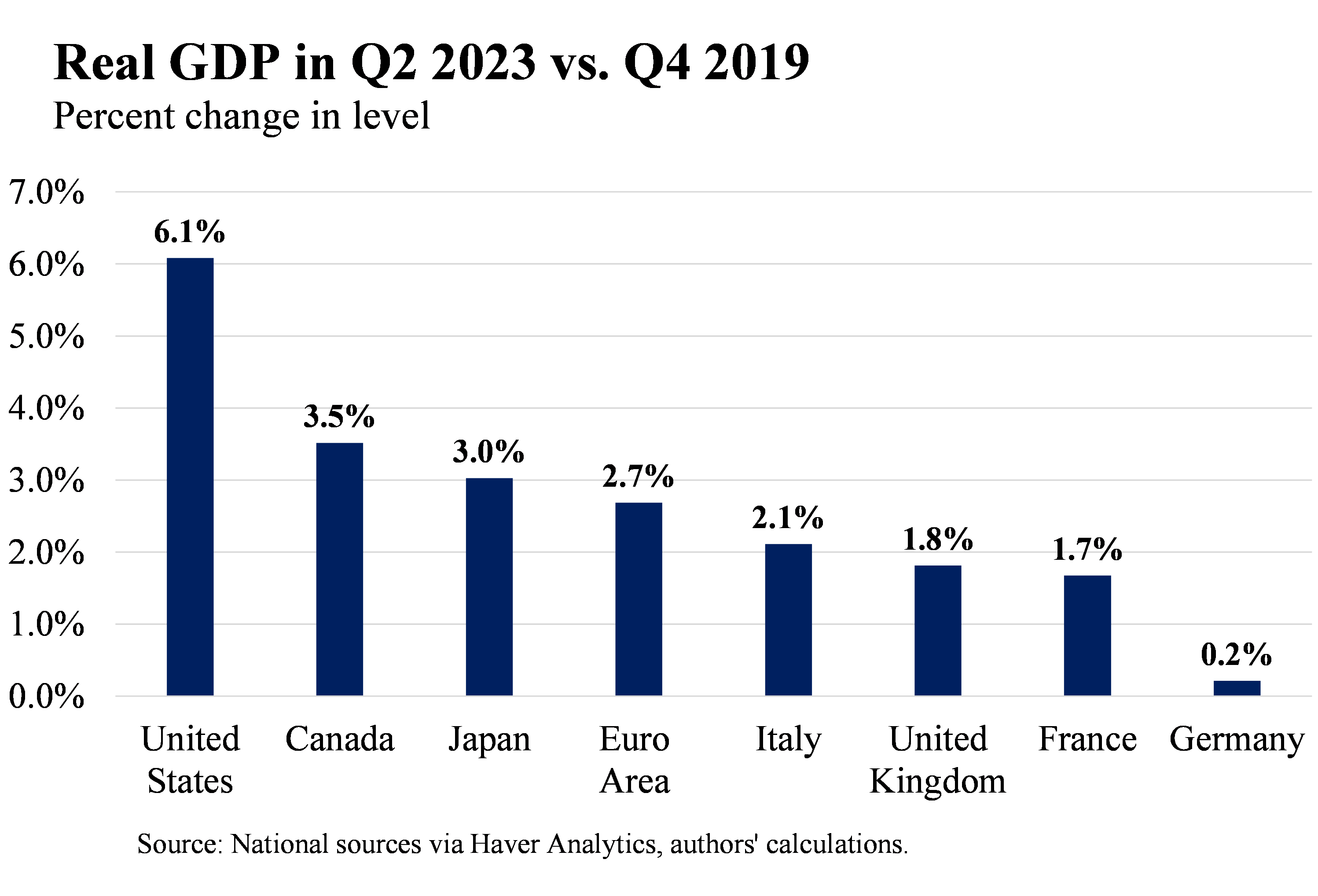
Capitalism with Regulatory Oversight
The foundational belief is in economic freedom and individual initiative. Entrepreneurs can start businesses, consumers can choose products and services, and workers can seek employment based on their skills and preferences. This fosters innovation, competition, and economic growth. However, the history of the US economy also demonstrates the need for oversight. Government agencies like the Securities and Exchange Commission (SEC) regulate financial markets to prevent fraud and maintain investor confidence. The Federal Reserve manages monetary policy to stabilize prices and maximize employment. Environmental Protection Agency (EPA) regulations impact industries, and labor laws protect workers. This balance attempts to harness the efficiency of the market while mitigating its potential pitfalls, such as monopolies, market failures, and extreme inequality.
Key Characteristics
Several distinctive features define the US economic landscape. It is highly diverse, with a broad range of industries contributing to its output. It is characterized by high levels of innovation, particularly in technology and services, driven by robust research and development and a strong venture capital ecosystem. The US also boasts a highly educated and mobile workforce, though challenges exist in specific sectors. Furthermore, its economy is deeply integrated into the global market, relying heavily on international trade, investment, and supply chains. The US dollar’s status as the world’s primary reserve currency also grants the nation unique influence and responsibilities on the international financial stage.
Pillars of Economic Activity
The overall health and growth of the US economy can largely be understood by examining its four primary components, which together constitute its Gross Domestic Product (GDP). These pillars represent the fundamental engines driving financial activity and wealth creation.
Consumer Spending: The Engine of Growth
Consumer spending, also known as personal consumption expenditures, is by far the largest component of US GDP, typically accounting for about 70%. It represents the total money spent by households on goods and services, ranging from daily necessities like food and housing to durable goods like cars and electronics, and a vast array of services like healthcare, entertainment, and financial advice. Consumer confidence, employment levels, wage growth, and access to credit are critical factors influencing this spending. A robust consumer base with discretionary income translates directly into increased demand, production, and job creation, making it the most significant driver of economic expansion. Conversely, a decline in consumer spending can quickly lead to economic contractions and recessionary pressures.
Business Investment: Driving Innovation and Expansion
Gross private domestic investment refers to the spending by businesses on capital goods, inventory, and new residential construction. This includes investments in machinery, factories, software, research and development (R&D), and new housing units. Business investment is crucial for long-term economic growth because it enhances the economy’s productive capacity, introduces new technologies, and improves efficiency. Companies invest when they anticipate future demand and profitability, often influenced by interest rates, tax policies, and the overall economic outlook. High business investment signals confidence in the future, leading to job creation, increased productivity, and a more competitive economy. It directly contributes to expanding the capital stock of the nation, laying the groundwork for future wealth.
Government Spending and Trade: Balancing the Scales
Government spending, encompassing all levels of government—federal, state, and local—includes expenditures on public goods and services. This ranges from military defense and infrastructure projects (roads, bridges, utilities) to education, healthcare programs, and social security. Government spending can stimulate the economy, particularly during downturns, by creating demand and employment. However, it is also funded by taxation and borrowing, which can have their own economic implications.
Net exports, the difference between a country’s total value of exports and its total value of imports, represent the final component. Exports contribute positively to GDP as they represent goods and services produced domestically and sold to foreign buyers, bringing money into the economy. Imports, conversely, subtract from GDP as they represent goods and services produced abroad and consumed domestically, signifying money leaving the economy. The US typically runs a trade deficit, meaning its imports exceed its exports. While this indicates strong domestic consumer demand, a persistent deficit can raise concerns about domestic production capacity and job displacement.
Key Sectors and Industries
The diversification of the US economy across various sectors contributes to its resilience and global competitiveness. While the historical focus was on manufacturing and agriculture, the modern US economy is predominantly service-oriented.
Services Dominance
The service sector is the largest and fastest-growing part of the US economy, accounting for roughly 80% of GDP. This vast category includes a myriad of industries:
- Financial Services: Banking, insurance, investment management, real estate, and fintech are cornerstone industries, facilitating capital allocation and risk management for individuals and corporations. New financial tools and digital platforms continue to reshape this sector.
- Healthcare: A massive and growing sector driven by an aging population and advancements in medical technology, encompassing hospitals, clinics, pharmaceuticals, and medical device manufacturing.
- Technology & Information: Software development, IT services, data analytics, telecommunications, and internet services are key drivers of innovation and productivity across all other sectors.
- Professional & Business Services: Consulting, legal services, accounting, advertising, and human resources provide specialized expertise critical for businesses to thrive.
- Retail & Hospitality: Directly linked to consumer spending, this includes everything from large retail chains and e-commerce giants to restaurants, hotels, and entertainment venues.
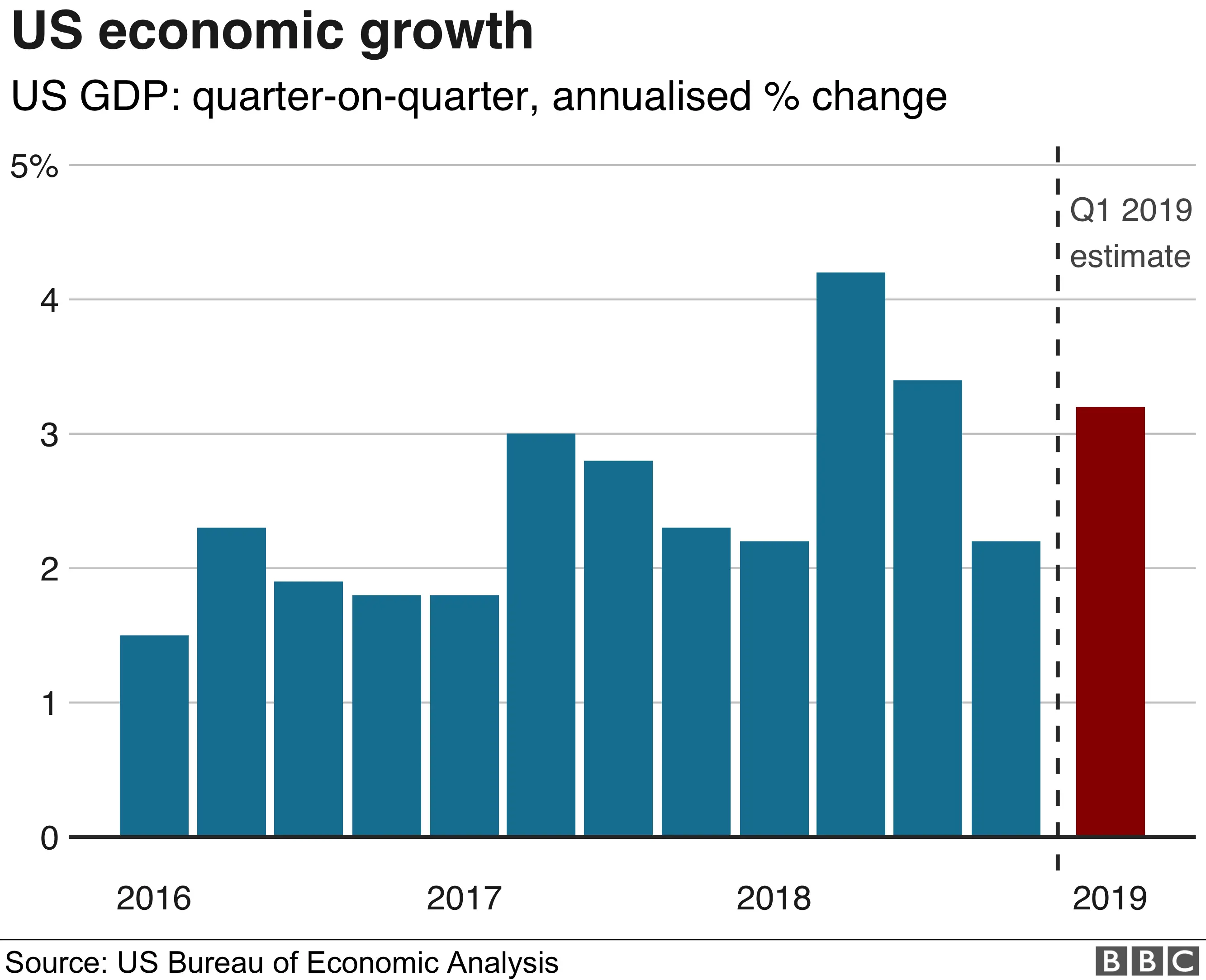
Manufacturing and Technology
While services dominate, manufacturing remains a vital, high-value sector. Modern US manufacturing is increasingly sophisticated, focusing on advanced technologies, aerospace, automotive, electronics, and specialized industrial machinery. Rather than labor-intensive mass production, the emphasis is on high-tech, precision manufacturing. The strong integration of technology (robotics, automation, AI) into manufacturing processes enhances productivity and maintains global competitiveness, especially in niche markets and complex goods. This sector is crucial for innovation and contributes significantly to exports.
Energy and Agriculture
The US is a major global player in energy production, particularly with the rise of hydraulic fracturing (fracking) for oil and natural gas. This has profoundly impacted energy independence, global energy markets, and related industries such as chemicals and plastics. Renewable energy sources are also seeing significant investment and growth. Agriculture, though a smaller percentage of GDP, remains strategically important. The US is a leading global producer and exporter of various agricultural products, leveraging advanced farming techniques and biotechnology to ensure food security and contribute to the trade balance.
Measuring Economic Health
Understanding the state of the US economy requires tracking several key indicators. These metrics provide insights into growth, stability, and the overall financial well-being of the nation.
Gross Domestic Product (GDP)
GDP is the most comprehensive measure of a country’s economic output. It represents the total monetary value of all finished goods and services produced within a country’s borders over a specific period, typically a quarter or a year. Real GDP, which adjusts for inflation, provides a more accurate picture of economic growth. A consistently rising real GDP indicates an expanding economy, suggesting increased production, higher incomes, and more jobs. Declines, conversely, signal contraction and potential recession. GDP figures are closely watched by financial markets as they inform investment decisions and policy formulations.
Inflation and Employment
Inflation is the rate at which the general level of prices for goods and services is rising, and subsequently, purchasing power is falling. The Federal Reserve targets an annual inflation rate of 2% as healthy, indicating stable price levels without hindering economic activity. High inflation erodes the value of savings, increases living costs, and can create economic uncertainty, directly impacting personal finance and investment returns.
Employment figures, particularly the unemployment rate, are crucial indicators of labor market health. A low unemployment rate generally signals a strong economy, as more people are earning income and contributing to consumer spending. Other key labor statistics include job creation numbers (non-farm payrolls), wage growth, and labor force participation rates, all of which provide a comprehensive view of how effectively the economy is utilizing its human capital.
Interest Rates and the Federal Reserve
The Federal Reserve (the Fed), the US central bank, plays a pivotal role in managing the economy through monetary policy. Its primary tools include adjusting the federal funds rate, which influences other interest rates throughout the economy, and quantitative easing/tightening. When the Fed raises interest rates, borrowing becomes more expensive for businesses and consumers, which can slow down inflation but also risk curbing economic growth. Lowering rates aims to stimulate borrowing, investment, and spending. The Fed’s actions directly impact borrowing costs for mortgages, business loans, and consumer credit, making its policy decisions fundamental to financial planning, investing, and the overall cost of money.
Challenges and Opportunities
The US economy, while robust, faces perpetual challenges and offers significant opportunities for adaptation and growth. Understanding these dynamics is critical for navigating its financial landscape.
Income Inequality and Fiscal Policy
One persistent challenge is income inequality, where the gap between the wealthiest and the rest of the population has widened. This can lead to social unrest, dampen overall consumer demand, and hinder social mobility. Fiscal policy, involving government taxation and spending decisions, is a key tool for addressing this. Debates often center on progressive taxation, social programs, education funding, and wealth redistribution, all of which have profound implications for business finance, individual tax burdens, and public investment strategies. The effectiveness and impact of fiscal interventions are constant topics of economic analysis and political discourse.
Global Competitiveness and Technological Shifts
Maintaining global competitiveness is an ongoing imperative. The US must continually invest in research and development, education, and infrastructure to ensure its industries remain at the forefront of innovation. The rapid pace of technological change, including artificial intelligence, automation, and biotechnology, presents both challenges and opportunities. While these advancements can boost productivity and create new industries, they also raise concerns about job displacement and the need for continuous workforce retraining. Businesses that adapt to these technological shifts and individuals who acquire new skills are best positioned to thrive.

Future Outlook and Adaptability
The future of the US economy will be shaped by its ability to adapt to evolving global economic structures, manage demographic shifts, and address long-term fiscal sustainability. Issues such as the national debt, climate change, and geopolitical stability will increasingly influence economic policy and market performance. However, the US economy’s inherent dynamism, strong institutional framework, entrepreneurial spirit, and robust capital markets provide a powerful foundation for overcoming challenges and capitalizing on new opportunities, ensuring its continued prominence in the global financial system. Savvy investors and businesses will continue to monitor these trends to make informed financial decisions.
aViewFromTheCave is a participant in the Amazon Services LLC Associates Program, an affiliate advertising program designed to provide a means for sites to earn advertising fees by advertising and linking to Amazon.com. Amazon, the Amazon logo, AmazonSupply, and the AmazonSupply logo are trademarks of Amazon.com, Inc. or its affiliates. As an Amazon Associate we earn affiliate commissions from qualifying purchases.