
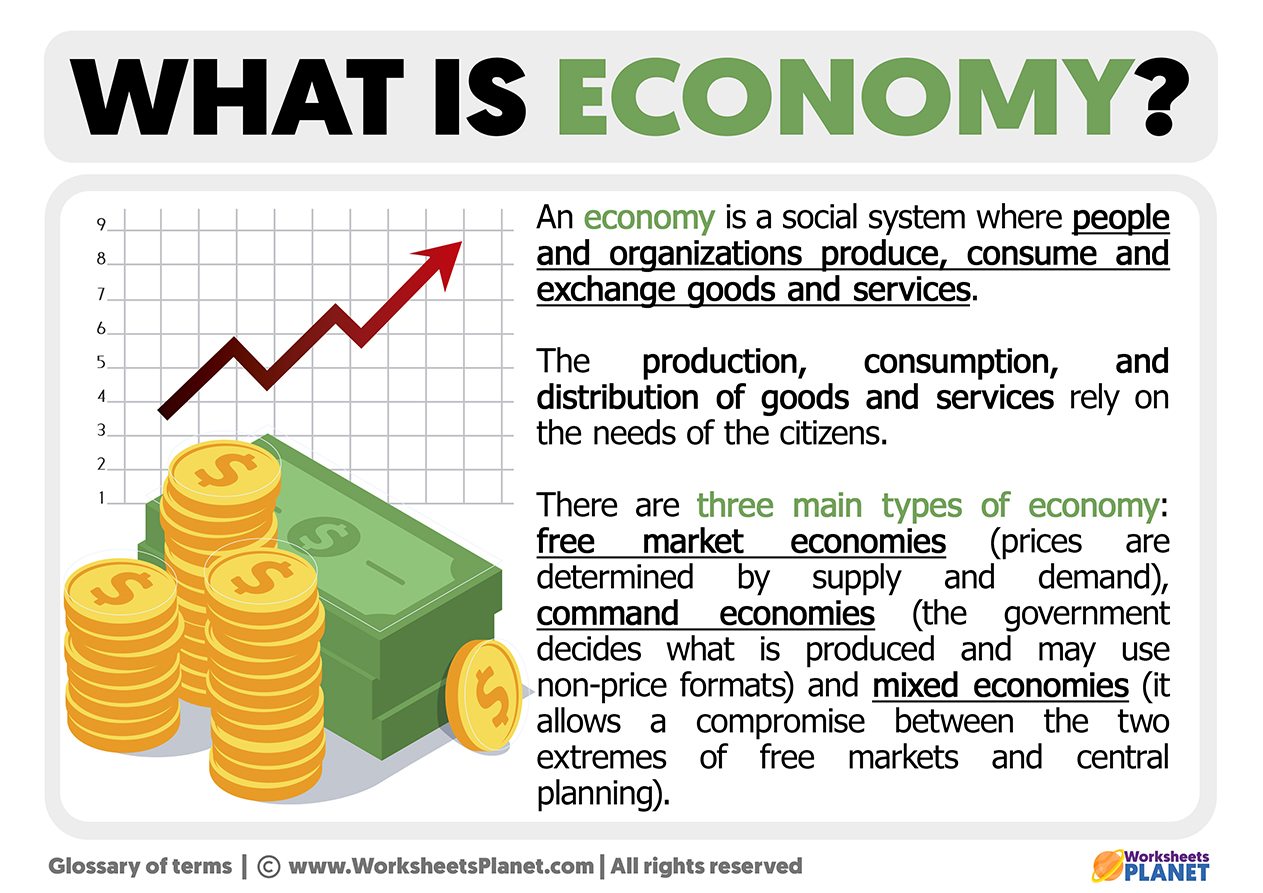
At its core, the economy is a vast, interconnected system where people, businesses, and governments interact to produce, exchange, and consume goods and services. It’s not a physical entity you can point to, but rather a complex web of transactions that dictates how wealth is created, distributed, and spent. Understanding this fundamental system is crucial for making informed decisions about personal finance, investing, and even career choices, as every financial aspect of our lives is inextricably linked to the broader economic environment. In essence, the economy is the engine that drives financial activity, influencing everything from the price of your morning coffee to the interest rate on your mortgage.
The Economy as a Giant Exchange System
Imagine a bustling marketplace, not just for tangible goods, but for everything that has value. That’s essentially what an economy represents. It’s the sum total of all the transactions that occur within a given region or country over a specific period. These transactions are driven by fundamental human needs and desires, met through the exchange of resources, labor, and capital.
Goods, Services, and Money: The Core Transactions
The most basic components of any economy are goods and services. Goods are tangible items we can see and touch, such as food, clothing, cars, or houses. Services are intangible activities performed for others, like haircuts, education, healthcare, or financial advice. People produce these goods and services, and then exchange them, primarily using money as the medium of exchange. Money simplifies these transactions, acting as a universal store of value and unit of account. Without money, we’d be stuck in a cumbersome barter system, trading apples for shoes, which quickly becomes inefficient in a complex society. The flow of money enables the flow of goods and services, powering the economic cycle.
Participants: Households, Businesses, and Governments
Every economy has key players, each with distinct roles that contribute to the overall system:
- Households (Consumers): These are individuals and families who provide labor to businesses in exchange for wages. They then use these wages to consume goods and services produced by businesses, save, or invest. Households are the ultimate consumers and a primary source of labor.
- Businesses (Producers): Ranging from sole proprietorships to multinational corporations, businesses produce goods and services using resources (land, labor, capital) provided by households. They aim to generate profits, reinvest, and expand, creating jobs and meeting consumer demand.
- Governments: Governments play a dual role. They consume goods and services (e.g., building infrastructure, providing public education) and also regulate economic activity through laws, policies, and taxation. Taxes collected from households and businesses fund public services and government spending, influencing economic stability and growth.
The Circular Flow of Income
These participants are not isolated; they are interconnected in what economists call the “circular flow of income.” Households provide labor to businesses and receive wages. Businesses use these wages to produce goods and services, which they sell back to households. Governments collect taxes from both and provide public services, sometimes injecting money back into the economy through spending or social benefits. Financial institutions (banks, investment firms) act as intermediaries, channeling savings from households to businesses for investment, thereby facilitating capital formation and economic growth. This continuous flow of money, goods, and services illustrates how everyone’s actions contribute to the economic whole.
Key Indicators of Economic Health
To gauge the performance and well-being of an economy, economists and financial professionals rely on a set of critical indicators. These metrics provide snapshots and trends that inform policy decisions, investment strategies, and personal financial planning.
Gross Domestic Product (GDP): The Big Picture
GDP is perhaps the most widely recognized measure of economic activity. It represents the total monetary value of all finished goods and services produced within a country’s borders during a specific period, typically a quarter or a year. A growing GDP generally indicates an expanding economy, meaning more goods and services are being produced, potentially leading to more jobs and higher incomes. Conversely, a shrinking GDP signals economic contraction, which can lead to recessions and financial hardship. For investors, robust GDP growth often correlates with higher corporate earnings and a stronger stock market.
Inflation: The Cost of Living
Inflation refers to the rate at which the general level of prices for goods and services is rising, and consequently, the purchasing power of currency is falling. A moderate level of inflation is often seen as healthy, signaling economic growth. However, high inflation erodes the value of savings, makes goods and services less affordable, and can destabilize financial markets. Central banks closely monitor inflation, often using tools like interest rate adjustments to keep it in check. Understanding inflation is vital for personal budgeting, retirement planning, and evaluating the real returns on investments.
Unemployment Rate: Jobs and Opportunity
The unemployment rate measures the percentage of the total labor force that is actively seeking employment but unable to find it. A low unemployment rate typically signifies a strong economy where businesses are hiring, indicating economic growth and robust consumer spending potential. Conversely, a high unemployment rate points to economic weakness, with reduced consumer confidence and spending. For individuals, a high unemployment rate means more competition for jobs and potential wage stagnation. For businesses, it can impact labor costs and consumer demand for their products.
Interest Rates: The Cost of Money
Interest rates represent the cost of borrowing money or the return on saving money. When interest rates are low, borrowing becomes cheaper, encouraging businesses to invest and expand, and consumers to take out loans for big purchases like homes or cars. This stimulates economic activity. When interest rates are high, borrowing becomes more expensive, which can slow down an overheated economy and curb inflation. Central banks heavily influence interest rates through monetary policy, and their decisions have a profound impact on everything from mortgage payments and credit card debt to the returns on savings accounts and bond investments.
How Economic Forces Impact Your Wallet
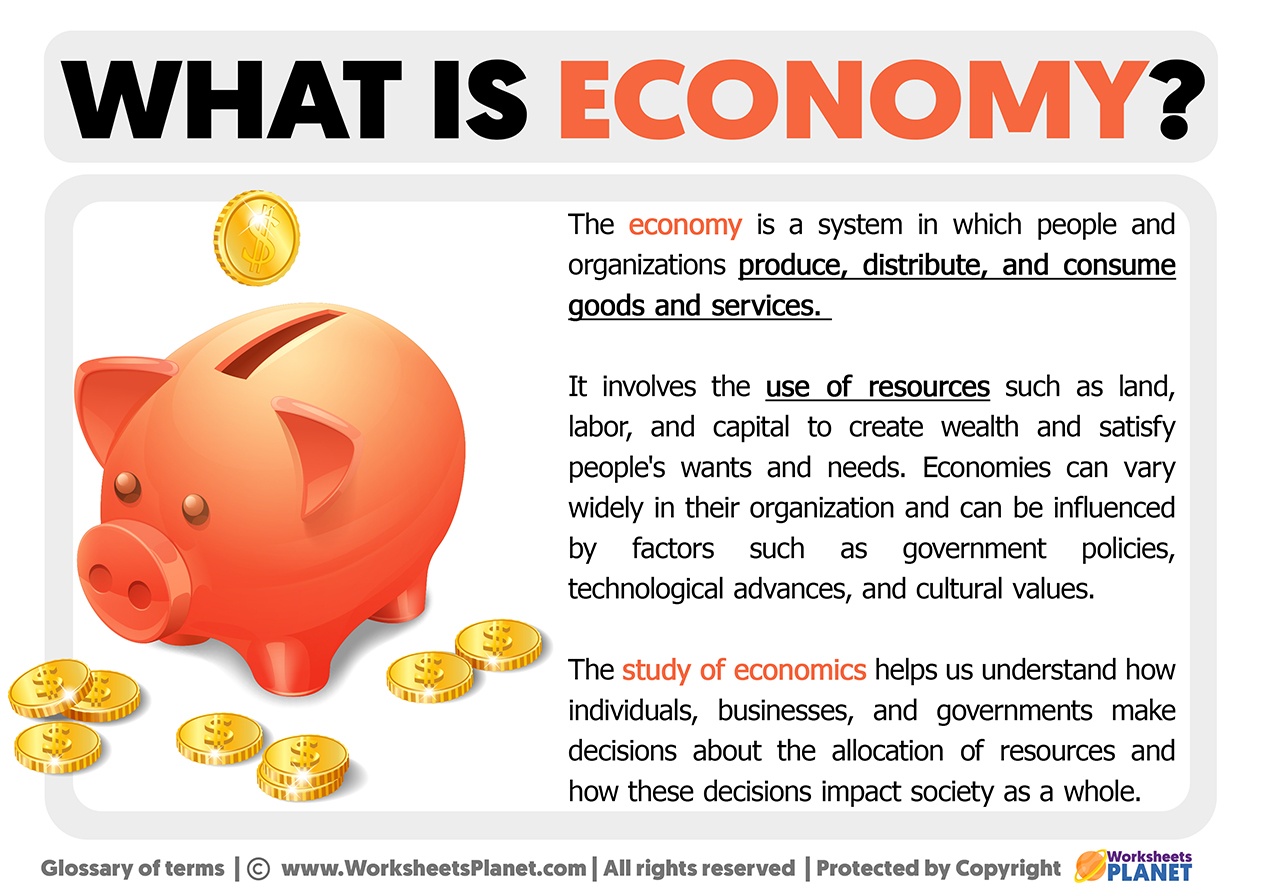
The abstract concepts of the economy translate directly into tangible effects on your personal financial situation and business decisions. Economic fluctuations are not merely statistics; they are forces that shape your income, expenses, and investment opportunities.
Personal Finance in an Economic Context
Economic conditions profoundly influence individual financial well-being. During periods of economic growth, jobs are typically more plentiful, wages may rise, and consumer confidence tends to be high, encouraging spending. Conversely, a recession often brings job losses, wage freezes, and tighter credit, forcing households to cut back on spending and prioritize savings. Inflation dictates how far your money goes; higher inflation means your savings buy less. Interest rates affect the cost of borrowing for mortgages, car loans, and credit cards, and also the returns you earn on savings accounts or certificates of deposit (CDs). Understanding these dynamics allows individuals to adjust their budgeting, saving, and debt management strategies to navigate different economic climates effectively.
Investing and Economic Cycles
For investors, the economy’s pulse is everything. Economic cycles—periods of expansion, peak, contraction, and trough—directly impact asset classes. During expansions, corporate profits generally rise, boosting stock markets. Conversely, contractions often lead to declining profits and stock market downturns. Bond markets are particularly sensitive to interest rate changes; rising rates typically mean bond prices fall, and vice versa. Real estate markets are affected by interest rates, employment levels, and consumer confidence. A deep understanding of economic indicators and cycles helps investors make strategic decisions, diversify portfolios, and manage risk, aiming to capitalize on opportunities while mitigating potential losses.
Business Decisions and Economic Climate
Businesses constantly adapt their strategies based on economic conditions. During strong economic periods, companies might invest in expansion, hire more staff, increase production, and launch new products, confident in robust consumer demand. They might also raise prices to capture higher profits. In a weakening economy, businesses may scale back investments, implement hiring freezes or layoffs, reduce production, and become more conservative with pricing or even offer discounts to stimulate demand. Access to capital is also heavily influenced by economic conditions and interest rates, affecting a company’s ability to fund operations or growth initiatives. Understanding the broader economic climate is therefore critical for business leaders to make strategic operational, investment, and financial planning decisions.
The Role of Government and Central Banks
Governments and central banks are not just passive observers of the economic landscape; they are active participants with significant tools at their disposal to influence economic performance. Their policies aim to achieve specific goals, such as stable prices, full employment, and sustainable economic growth.
Fiscal Policy: Government Spending and Taxation
Fiscal policy refers to the government’s use of spending and taxation to influence the economy. When the economy is sluggish, governments might employ expansionary fiscal policy by increasing public spending (e.g., infrastructure projects, social programs) or cutting taxes. The goal is to stimulate demand, create jobs, and boost economic activity. Conversely, during periods of rapid growth and high inflation, contractionary fiscal policy—reducing spending or raising taxes—might be used to cool down the economy and prevent it from overheating. These decisions directly impact budget deficits, national debt, and the financial burden on taxpayers and businesses.
Monetary Policy: Managing the Money Supply
Monetary policy is primarily conducted by a country’s central bank (e.g., the Federal Reserve in the U.S., the European Central Bank). It involves managing the supply of money and credit to influence interest rates, inflation, and economic growth. The main tools include:
- Adjusting Interest Rates: Raising the benchmark interest rate makes borrowing more expensive, slowing down the economy. Lowering it makes borrowing cheaper, stimulating activity.
- Quantitative Easing/Tightening: Buying or selling government bonds and other securities to inject or withdraw money from the financial system.
- Reserve Requirements: Mandating how much money banks must hold in reserve, affecting their ability to lend.
The central bank’s actions profoundly impact commercial banks, loan availability, investment decisions, and ultimately, the financial health of households and businesses.
Striking a Balance: Growth vs. Stability
Both fiscal and monetary policies constantly attempt to strike a delicate balance. Governments and central banks aim for economic growth without generating excessive inflation or asset bubbles. They strive for full employment without overstimulating wage growth that could lead to price spirals. Their decisions are complex, often involve trade-offs, and carry significant implications for financial markets and the everyday lives of citizens. For individuals managing their finances, understanding these policy levers helps in anticipating market movements and adjusting financial strategies accordingly.
Navigating the Economic Landscape: Your Financial Strategy
Understanding the economy in simple terms is not merely an academic exercise; it’s a practical necessity for informed financial decision-making. By grasping the fundamental forces at play, you can better position your personal finances and business ventures for success.
Understanding Risk and Opportunity
Every economic phase presents unique risks and opportunities. During periods of expansion, there might be opportunities for higher returns on investments, but also risks of overheating markets and potential bubbles. During downturns, while risks of job loss or investment decline are higher, there can also be opportunities to acquire undervalued assets or start businesses with lower costs. A robust financial strategy involves assessing these risks and opportunities, understanding their potential impact on your specific financial goals, and making calculated decisions. This includes diversifying investments, maintaining an emergency fund, and avoiding excessive debt during uncertain times.
Adapting to Change: Flexibility in Financial Planning
The economy is dynamic, constantly evolving, and sometimes unpredictable. Rigid financial plans can be vulnerable to unexpected shifts. Therefore, flexibility is key. This means regularly reviewing your budget, reassessing your investment portfolio, and being prepared to adjust your financial goals in response to new economic realities. For businesses, it involves agile planning, robust cash flow management, and the ability to pivot strategies when market conditions change. The ability to adapt to rising inflation, changing interest rates, or shifts in consumer behavior is a powerful advantage in maintaining financial stability and growth.

Becoming an Informed Economic Citizen
Beyond personal financial gain, understanding the economy fosters a more informed perspective on public policy debates and global events. It allows you to critically evaluate discussions around taxation, government spending, trade agreements, and central bank decisions, recognizing their far-reaching financial implications. By staying informed, you not only improve your own financial literacy but also contribute to a more knowledgeable populace, capable of demanding sound economic governance. The economy, in its simplest terms, is the collective financial life of a society, and actively participating in its understanding is the first step towards securing your financial future and contributing to a healthier economic environment for all.
aViewFromTheCave is a participant in the Amazon Services LLC Associates Program, an affiliate advertising program designed to provide a means for sites to earn advertising fees by advertising and linking to Amazon.com. Amazon, the Amazon logo, AmazonSupply, and the AmazonSupply logo are trademarks of Amazon.com, Inc. or its affiliates. As an Amazon Associate we earn affiliate commissions from qualifying purchases.