
The landscape of weight management has been significantly reshaped by medications like Ozempic, a brand name for semaglutide. While highly effective for its approved indication, Type 2 Diabetes, its growing use for weight loss raises crucial financial considerations for individuals. Understanding the dosage is not merely a medical query; it’s a direct pathway to comprehending the associated costs, insurance complexities, and long-term financial planning required for those pursuing this treatment path. This article delves into the dosages of Ozempic, specifically through the lens of personal finance, dissecting how prescribing patterns translate into significant monetary decisions.

The Financial Context of Ozempic’s Dosing for Weight Management
The conversation around Ozempic and weight loss is often intertwined with financial realities, primarily due to how insurance providers classify and cover medications. Ozempic, at its core, is a medication with specific FDA approvals that dictate much of its accessibility and affordability.
Ozempic vs. Wegovy: Understanding the Financial Nuance of Semaglutide
Both Ozempic and Wegovy contain the active ingredient semaglutide, a glucagon-like peptide-1 (GLP-1) receptor agonist. However, their FDA approvals and, consequently, their financial implications, differ significantly. Ozempic is FDA-approved solely for the treatment of adults with Type 2 Diabetes Mellitus to improve glycemic control and reduce the risk of major adverse cardiovascular events. Wegovy, on the other hand, is FDA-approved for chronic weight management in adults with obesity or overweight with at least one weight-related comorbidity.
This distinction is paramount from a financial standpoint. Because Ozempic is not FDA-approved for weight loss, any prescription for this purpose is considered “off-label.” This off-label status has profound effects on insurance coverage. Insurers are far less likely to cover medications used off-label, leaving patients to bear the full cost. In contrast, Wegovy, being explicitly approved for weight management, has a higher (though still not guaranteed) chance of being covered by insurance, albeit often with strict criteria. The dose, therefore, becomes a crucial financial marker, as the “weight loss dose” for Ozempic often mimics the higher doses found in Wegovy, making the financial burden even more pronounced when not covered.
Approved Dosages and Off-Label Use: A Payer’s Perspective
Ozempic’s approved dosages for Type 2 Diabetes typically range from an initial 0.25 mg weekly, escalating to maintenance doses of 0.5 mg, 1 mg, or 2 mg weekly. These doses are established for blood sugar control. When prescribed off-label for weight loss, physicians might refer to the dosage schedule established for Wegovy, which begins with a lower titration (0.25 mg weekly) and escalates to a higher maximum maintenance dose of 2.4 mg weekly.
From a payer’s perspective (insurance companies), an off-label prescription for Ozempic for weight loss means the medication is being used for a purpose not supported by its primary FDA approval. This often results in automatic denial of coverage. Even if a patient meets the medical criteria for weight loss, the drug’s label dictates coverage. This leaves patients in a challenging position, often having to choose between absorbing the substantial out-of-pocket costs for an off-label prescription or exploring the (potentially also expensive or coverage-restricted) on-label alternative, Wegovy. The difference in dosage, particularly the higher doses often sought for significant weight loss, directly correlates with higher financial outflow if coverage is absent.
Decoding Ozempic Dosage: Cost per Milligram and Escalating Expenses
The dosage of Ozempic is a direct determinant of its cost, particularly when considering the financial strategies involved in purchasing this medication without substantial insurance support.
Standard Maintenance Doses for Type 2 Diabetes and Their Price Tags
For individuals with Type 2 Diabetes, Ozempic is available in pre-filled pens that deliver weekly doses. The most common maintenance doses are 0.5 mg, 1 mg, and 2 mg. A single pen typically contains enough medication for several weeks, depending on the prescribed dose. For instance, a pen designed to deliver a 1 mg dose might contain 4 mg of semaglutide in total, lasting four weeks.
The wholesale acquisition cost (WAC) for Ozempic in the U.S. is substantial, often exceeding $900 per pen without insurance. While insurance may cover a significant portion for its approved indication, the out-of-pocket cost can still involve high co-pays, deductibles, or co-insurance depending on the plan. For patients without insurance, or those whose insurance denies coverage, each pen represents a considerable monthly expense. The choice of dose—0.5 mg versus 2 mg—doesn’t necessarily mean a proportional difference in pen cost, as pens are priced by their overall semaglutide content, but it does affect how many weeks a single pen lasts, thus influencing the monthly outlay.
The Financial Leap to Weight Loss Doses (Often Higher, Often Uncovered)
When Ozempic is prescribed off-label for weight loss, the dosages often align with the higher maintenance doses used for Wegovy, which culminates at 2.4 mg weekly. If a physician prescribes Ozempic at a 2 mg weekly dose for weight loss, the patient is looking at a cost structure similar to the highest approved diabetes dose. However, if a higher dose (e.g., 2.4 mg, which isn’t a standard pre-filled Ozempic pen dose but could theoretically be compounded or achieved through a combination of pens) is sought, the financial complexity and cost escalate further.
The fundamental financial hurdle here is the lack of insurance coverage for off-label use. This means that the entire cost—often upwards of $900-$1000 per month—falls squarely on the individual. This isn’t just a co-pay; it’s the full retail price. The desire for higher efficacy in weight loss often corresponds to higher doses, which, in this uncovered scenario, translates directly to a heavier and sustained financial burden.
Comparative Cost Analysis: Ozempic vs. Other Weight Loss Medications
When considering the financial implications of Ozempic for weight loss, it’s prudent to compare its cost structure to other available weight loss medications. Some older, orally administered weight loss drugs may cost significantly less, sometimes in the range of $50-$200 per month, though they may have different efficacy profiles and side effects. Even other GLP-1 receptor agonists specifically approved for weight management (like Wegovy or older options like Saxenda) can vary in price and coverage.
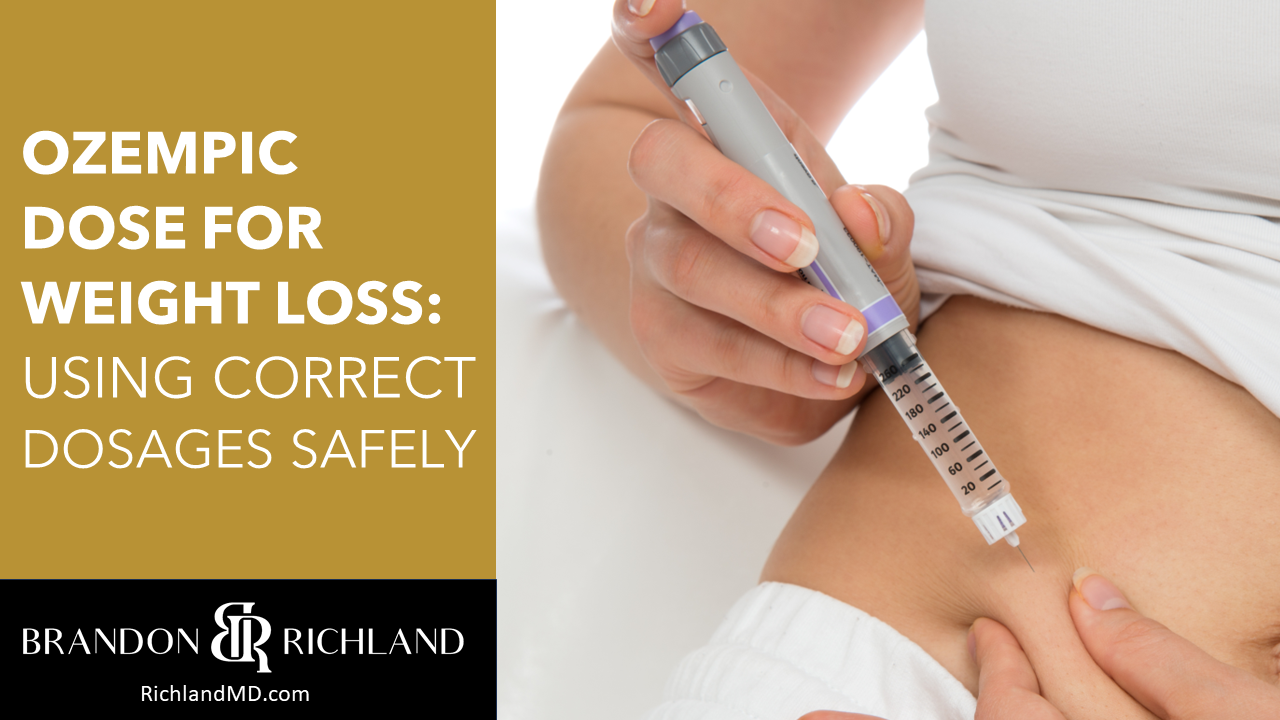
The critical financial comparison is often between off-label Ozempic (uncovered) and on-label Wegovy (potentially covered, but with high co-pays or deductibles). While the active ingredient is identical, the brand name and FDA approval status dramatically alter the financial equation. This necessitates a thorough financial evaluation of all options, not just a medical one, to determine the most sustainable and affordable path to weight management.
Navigating Insurance Coverage and Out-of-Pocket Realities
The quest for Ozempic for weight loss frequently encounters a formidable barrier: insurance coverage. Understanding this landscape is key to managing expectations and finances.
The Steep Challenge of Securing Coverage for Off-Label Weight Loss
As previously highlighted, the primary obstacle is Ozempic’s FDA approval status. Insurance companies generally adhere strictly to FDA-approved indications. Since Ozempic is approved for Type 2 Diabetes, not weight loss, most commercial and government insurance plans (like Medicare and Medicaid) will deny coverage if the prescription is coded for weight loss. Some exceptions might exist in very specific private plans or if an individual has Type 2 Diabetes and is also seeking weight loss, but the primary diagnosis coded must align with the drug’s label. This often requires careful documentation from a physician detailing how the patient meets the criteria for the approved indication, even if weight loss is also a desired outcome.
High Deductibles, Co-pays, and the Absence of Formulary Inclusion
Even if, by some exception, an insurer considers covering Ozempic for weight loss, patients must contend with typical insurance plan structures. High deductibles often mean patients pay the full cost of the medication until they meet their deductible, which can be thousands of dollars. After meeting the deductible, co-pays or co-insurance percentages can still leave a substantial monthly bill. Furthermore, many insurance formularies (the list of covered drugs) may not include Ozempic at all for weight loss, rendering any appeals challenging. The absence of Ozempic from a weight-loss formulary means that, regardless of medical necessity, the financial burden rests entirely on the individual.
Exploring Manufacturer Programs and Discount Cards: A Financial Lifeline?
Recognizing the high cost of their medications, manufacturers sometimes offer patient assistance programs or savings cards. Novo Nordisk, the maker of Ozempic, has offered such programs for eligible patients. However, these programs often have strict eligibility criteria:
- Commercial Insurance Requirement: Many savings cards are only available to patients with commercial insurance, and specifically not for those covered by government programs like Medicare, Medicaid, or TRICARE.
- No Coverage for Off-Label Use: Crucially, these programs typically require the medication to be prescribed for an FDA-approved indication. This means if Ozempic is prescribed solely for weight loss, it might not qualify for the manufacturer’s savings program, leaving patients without this potential financial relief.
- Maximum Savings: Even with savings cards, there is usually a maximum annual benefit, which might not cover the entire cost for a full year of treatment.
Beyond manufacturer programs, various discount cards or coupons from third-party services can offer modest savings but are unlikely to significantly reduce the monthly cost of a drug retailing at over $900. These avenues represent potential, but often limited, financial lifelines.
Long-Term Financial Implications and Budgeting Strategies
Deciding to use Ozempic for weight loss requires not just immediate financial consideration but also a robust long-term budgeting strategy. This is not a short-term treatment; its benefits are sustained with continued use.
Projecting Annual Costs for Continuous Weight Management
If an individual is paying out-of-pocket for Ozempic at typical retail prices (e.g., $900-$1000 per month for a 2 mg weekly dose equivalent), the annual cost can easily range from $10,800 to $12,000 or more. This is a significant annual expenditure comparable to a car payment, mortgage supplement, or substantial educational expense. Budgeting for this involves assessing disposable income, reallocating funds from other categories, or finding new income streams. It’s imperative for individuals to project this cost over several years, as weight management is often a lifelong journey.
The Broader Financial Picture: Lifestyle Changes and Auxiliary Expenses
The cost of Ozempic itself is only one part of the financial equation. Effective weight management often involves:
- Nutritional Guidance: Consulting with dietitians or nutritionists can incur professional fees.
- Fitness Programs: Gym memberships, personal trainers, or specialized exercise classes add to expenses.
- Healthy Food: While a shift towards healthier eating can sometimes save money, for many, purchasing fresh produce, lean proteins, and specialized dietary items can increase grocery bills.
- Medical Monitoring: Regular physician visits, blood tests, and other medical check-ups might also come with co-pays or fees, even if covered by insurance, as weight loss is monitored.
These auxiliary expenses can add hundreds to thousands of dollars annually to the total financial commitment. A holistic financial plan must account for all these components to ensure the sustainability of the weight loss journey.

Evaluating the Financial Return on Investment in Health
Despite the high costs, some individuals view the expenditure on weight management medication as an investment in their long-term health, which can yield a financial return. Improved health can lead to:
- Reduced Future Healthcare Costs: Lessening the risk of developing Type 2 Diabetes, heart disease, certain cancers, and other obesity-related conditions can lead to lower medical bills down the line.
- Increased Productivity: Better health can translate to fewer sick days, more energy, and potentially improved performance at work, indirectly boosting earning potential.
- Enhanced Quality of Life: While not directly financial, the improved quality of life, mobility, and mental well-being can be considered an invaluable return.
From a financial planning perspective, individuals must weigh the immediate, substantial out-of-pocket costs against these potential future savings and quality-of-life improvements. It necessitates a careful personal finance assessment, potentially involving a financial advisor, to integrate this health investment into a broader financial strategy. The decision to use Ozempic for weight loss, especially off-label and uncovered, is as much a financial calculation as it is a medical one.
aViewFromTheCave is a participant in the Amazon Services LLC Associates Program, an affiliate advertising program designed to provide a means for sites to earn advertising fees by advertising and linking to Amazon.com. Amazon, the Amazon logo, AmazonSupply, and the AmazonSupply logo are trademarks of Amazon.com, Inc. or its affiliates. As an Amazon Associate we earn affiliate commissions from qualifying purchases.