
The Financial Genesis of a Digital Shopping Phenomenon
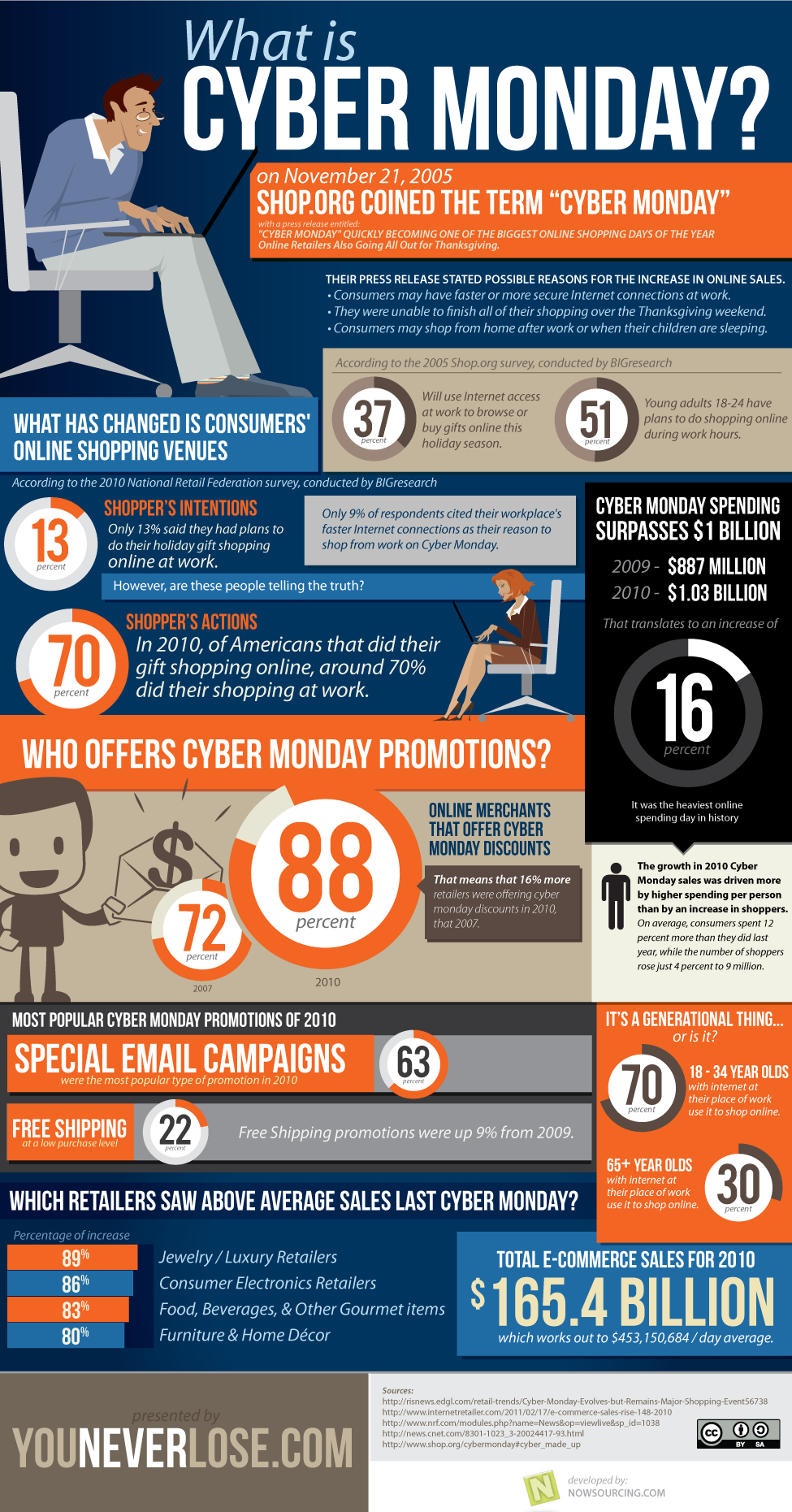
Cyber Monday stands as a pivotal moment in the annual retail calendar, representing a concentrated period of online commerce following the Thanksgiving holiday in the United States. Far more than just a day for discounts, it has evolved into a global economic catalyst, profoundly influencing personal finance, business revenue streams, and the broader digital economy. Its genesis lies in the strategic recognition by retailers of the burgeoning potential of e-commerce, creating a dedicated online counterpart to the traditional Black Friday brick-and-mortar sales. The very term, coined in 2005 by Ellen Davis of the National Retail Federation (NRF), was an astute observation of a verifiable surge in online sales on the Monday after Thanksgiving, as consumers returned to work with high-speed internet connections and continued their holiday shopping digitally. This was a direct response to the increasing comfort and capability of consumers to make significant financial transactions online, transforming what was once an office pastime into a deliberate, multi-billion-dollar economic event.

Initially, Cyber Monday aimed to incentivize shoppers to embrace online purchasing during a period when e-commerce was still finding its footing. Retailers understood the financial opportunity presented by a digitally connected workforce eager to secure holiday gifts. Today, it signifies the peak of online retail activity, often eclipsing traditional shopping days in terms of pure digital transaction volume and total revenue generated. For businesses, it’s a critical period for converting inventory into cash flow, driving significant portions of their Q4 earnings. For consumers, it presents an unparalleled opportunity for strategic savings, allowing them to stretch their holiday budgets further or acquire high-value items at significantly reduced prices. The financial implications are vast, touching everything from supply chain logistics and marketing spend to consumer debt levels and personal budgeting strategies.
Defining Cyber Monday: A Post-Thanksgiving Economic Catalyst
At its core, Cyber Monday is an orchestrated online sales event designed to accelerate consumer spending in the digital realm. It serves as a crucial extension of the holiday shopping season, strategically positioned to capture consumer attention and capital immediately after the frenzy of Black Friday. From a financial perspective, it’s a high-stakes balancing act for retailers, who must offer compelling discounts sufficient to drive massive sales volumes without eroding their profit margins excessively. The widespread adoption of e-commerce, coupled with advancements in secure online payment systems and logistics, has cemented Cyber Monday’s role as an indispensable component of the modern retail financial cycle. It represents a concentrated flow of capital from consumers to businesses, often facilitated by sophisticated digital marketing campaigns and seamless online shopping experiences. The sheer volume of transactions occurring within a 24-hour window makes it a key performance indicator for the health of the online retail sector and an influential factor in quarterly financial reports for many companies.
From Niche Idea to Global Economic Powerhouse
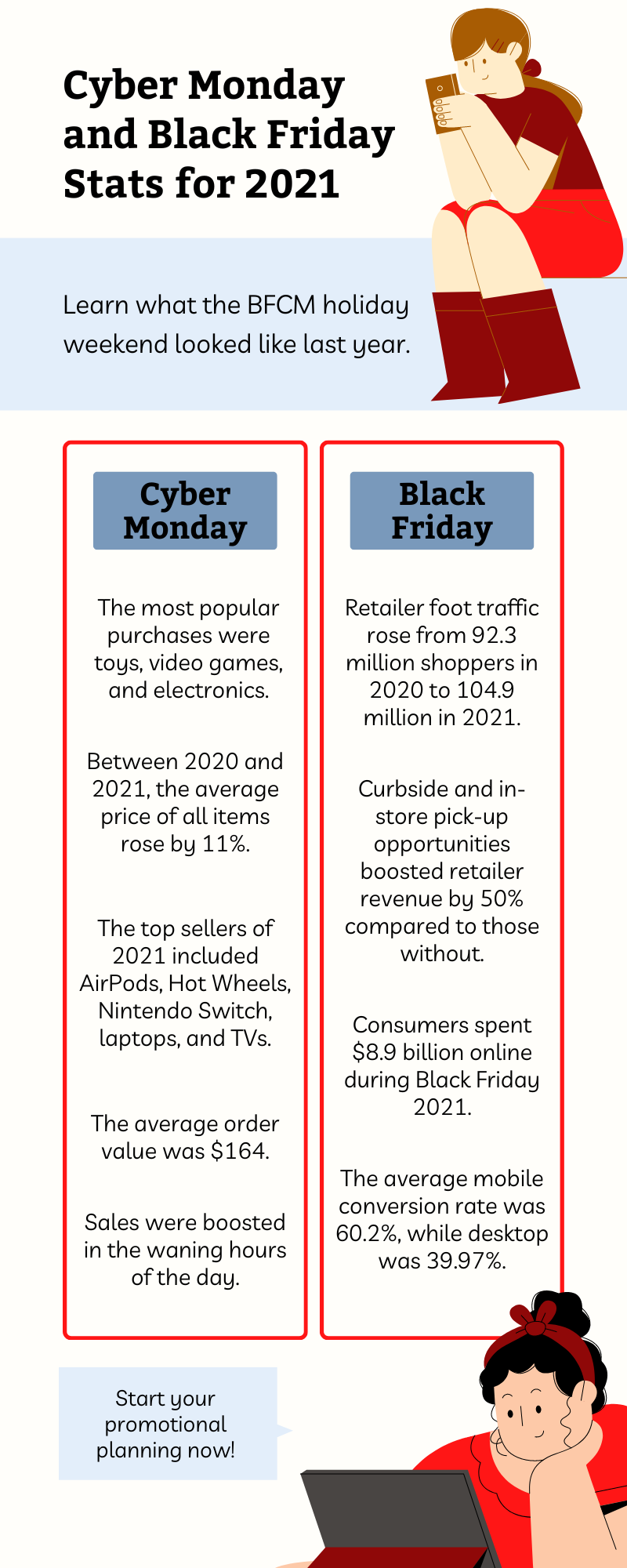
The growth trajectory of Cyber Monday has been nothing short of meteoric. What began as a relatively modest initiative to encourage online shopping has ballooned into a global phenomenon, with retailers in numerous countries now participating in similar online sales events. The figures speak volumes: annual Cyber Monday sales regularly break records, often surpassing $10 billion in the U.S. alone. This immense scale underscores its significance as an economic powerhouse, influencing national GDPs and shaping global trade patterns. The shift from physical to digital retail, accelerated by technological advancements and changing consumer habits, has found its zenith in events like Cyber Monday. It has forced businesses to invest heavily in their online infrastructure, from robust e-commerce platforms and cybersecurity measures to efficient digital payment processing and last-mile delivery networks. This investment, in turn, fuels growth in adjacent industries, creating a ripple effect across the economy. For consumers, the allure of convenience, vast selection, and competitive pricing offered by online channels has made Cyber Monday an indispensable part of their financial planning for the holiday season. The event now extends beyond a single day, often spanning an entire “Cyber Week,” further expanding its financial footprint and solidifying its position as a dominant force in the global retail economy.
Navigating Cyber Monday for Personal Financial Advantage
For the astute consumer, Cyber Monday presents a unique opportunity to optimize personal finances through strategic purchasing and careful budgeting. The promise of substantial discounts can be a double-edged sword: a pathway to significant savings on planned purchases or a perilous invitation to overspend. Successfully navigating this period requires more than just spotting a good deal; it demands proactive financial planning, diligent research, and disciplined execution to ensure that purchases align with budgetary constraints and long-term financial goals. The sheer volume of promotions and the pressure of limited-time offers can easily lead to impulse buys that derail even the best-laid financial plans. Therefore, a methodical approach to Cyber Monday is crucial for maximizing benefits while safeguarding financial well-being.
Strategic Savings: Maximizing Your Budget
To truly capitalize on Cyber Monday, preparation is paramount. Long before the sales begin, consumers should establish a clear holiday budget, allocating specific amounts for different categories of purchases. Creating a detailed wish list, prioritized by necessity and desired price point, provides a disciplined framework for shopping. Leveraging price tracking tools and browser extensions can be invaluable, as these financial tools monitor price fluctuations over time, revealing whether a “deal” is genuinely superior or merely an inflated discount on a regularly priced item. Many financial advisors suggest setting price alerts for desired products, ensuring consumers are notified only when a significant discount materializes.
When it comes to payment, careful consideration is essential. Utilizing credit cards with robust rewards programs (cash back, travel points) can enhance savings, provided balances are paid in full to avoid high-interest charges. Conversely, relying on high-interest credit cards for impulse purchases can quickly negate any initial savings. Exploring alternative payment methods, such as interest-free installment plans offered by some retailers, can be a viable option for managing larger purchases, but consumers must carefully review terms and conditions to avoid hidden fees or unexpected interest rates that could jeopardize their personal finance objectives.
Avoiding Pitfalls: Guarding Against Financial Overreach
The pervasive marketing tactics employed during Cyber Monday are expertly designed to evoke a sense of urgency and scarcity, often leading to financially unwise impulse buys. The psychological allure of a “limited-time offer” or “only X left in stock” can bypass rational decision-making, prompting consumers to purchase items they don’t truly need or can’t afford. This can lead directly to accumulated debt, especially when multiple such purchases are made without a clear understanding of their collective financial impact. It’s critical for consumers to cultivate financial discipline, pausing before each purchase to assess its necessity and its alignment with their pre-established budget.
Another significant financial pitfall involves overlooking return policies. While a deal might seem attractive, a restrictive return policy or substantial restocking fees can effectively erase any savings if the product turns out to be unsuitable or defective. Consumers should review these policies meticulously before committing to a purchase. Furthermore, the allure of purchasing high-value items, such as electronics or appliances, necessitates careful consideration of warranty terms and potential repair costs, which can significantly impact the true long-term financial outlay. A thoughtful approach ensures that Cyber Monday purchases contribute positively to personal finances, rather than becoming a source of unexpected financial strain.
Cyber Monday’s Impact on Business Finance and Online Income
For businesses, Cyber Monday transcends a mere sales event; it is a critical juncture for bolstering annual revenue, managing inventory, and optimizing marketing investments. The digital nature of the event allows for unprecedented data collection and analysis, providing invaluable insights into consumer behavior and market trends. Companies, from multinational corporations to nascent online startups, meticulously plan for Cyber Monday, recognizing its immense potential to generate significant online income and shape their financial performance for the year. The preparation involves substantial financial outlays in marketing, technology infrastructure, and logistics, all aimed at maximizing sales volume and maintaining profitability amidst aggressive competition.
Revenue Generation and Inventory Management
The most immediate and obvious impact of Cyber Monday on business finance is the monumental spike in revenue. For many online retailers, the days surrounding Cyber Monday represent the highest sales period of the entire year, often contributing a substantial percentage of their total annual turnover. This concentrated influx of capital is vital for cash flow, allowing businesses to reinvest, settle outstanding debts, or fund future expansion. However, achieving this revenue peak requires sophisticated inventory management. Businesses must accurately forecast demand, ensuring sufficient stock to meet consumer needs without incurring excessive holding costs or being left with unsellable surplus. Overstocking can tie up significant capital, while understocking can lead to missed sales opportunities and dissatisfied customers, both of which have direct negative financial consequences.
Moreover, the deep discounts characteristic of Cyber Monday pose a challenge to maintaining healthy profit margins. Businesses must strategically price products, identifying items that can absorb deeper cuts to drive traffic, while protecting margins on others. This often involves dynamic pricing strategies, leveraging AI-powered algorithms to adjust prices in real-time based on demand, competitor pricing, and inventory levels. The ability to precisely manage these variables directly impacts a company’s financial health and its capacity for sustained online income generation.
Marketing ROI and Customer Lifetime Value
The substantial advertising spend allocated to Cyber Monday marketing campaigns requires a meticulous focus on Return on Investment (ROI). Digital marketing channels, from paid search and social media advertising to email marketing and affiliate partnerships, are saturated during this period. Businesses invest heavily to ensure their offers cut through the noise, attracting potential customers to their digital storefronts. Measuring the effectiveness of these campaigns is paramount, utilizing analytics to track conversions, customer acquisition costs, and the overall financial impact of each marketing dollar spent.
Beyond immediate sales, Cyber Monday is also a strategic opportunity for customer acquisition, which plays a crucial role in enhancing customer lifetime value (CLV). By offering compelling discounts, businesses can attract new customers who might not otherwise have engaged with their brand. The financial goal then shifts from a single transaction to nurturing these new relationships, converting one-time buyers into loyal, repeat customers. This involves post-purchase engagement, personalized offers, and exceptional customer service, all of which contribute to long-term revenue streams and reduced future customer acquisition costs. Data analytics collected during Cyber Monday sales provides invaluable insights into customer preferences, purchasing patterns, and channel effectiveness, enabling businesses to refine their future financial strategies, optimize their online income channels, and build a more resilient customer base.
The Broader Economic Footprint and Future Trends
Cyber Monday’s influence extends far beyond individual transactions or quarterly reports, casting a long shadow over the entire retail landscape and profoundly shaping consumer financial behavior. It has become a significant driver of the digital economy, accelerating the shift towards online commerce and impacting various ancillary industries, from logistics and cybersecurity to fintech and data analytics. As technology continues to evolve and consumer expectations shift, Cyber Monday itself is undergoing continuous transformation, adapting to new retail paradigms and emerging financial tools. Understanding these broader implications is crucial for both consumers seeking to manage their finances effectively and businesses striving to maintain profitability and online income in an increasingly competitive market.
Shaping the Retail Landscape: Digital Dominance
Cyber Monday has played a pivotal role in solidifying the dominance of e-commerce within the retail sector. It has normalized and even institutionalized the concept of major online sales events, prompting both established brick-and-mortar retailers and pure-play online businesses to heavily invest in robust digital infrastructure. This includes secure payment gateways, scalable website platforms, and efficient backend systems capable of handling massive transaction volumes. The financial implications for small businesses are particularly significant, as Cyber Monday provides an unparalleled opportunity to compete on a larger stage, generating substantial online income through accessible digital storefronts and targeted advertising. However, it also necessitates strategic financial planning for logistics, ensuring timely and cost-effective delivery, which often involves partnerships with third-party logistics providers. The intensified competition during Cyber Monday often forces retailers to innovate not just in pricing, but also in user experience, personalized offers, and expedited shipping options – all of which require ongoing financial investment.
Evolving Consumer Financial Behavior
The consistent availability of deep discounts during Cyber Monday has fundamentally altered consumer financial behavior, cultivating an expectation of value and strategic purchasing. Consumers are increasingly savvier, using financial tools like price comparison websites and budgeting apps to make informed decisions rather than succumb to immediate gratification. The rise of mobile commerce has further empowered this trend, allowing consumers to research deals and make purchases from anywhere, accelerating the velocity of financial transactions.
Looking forward, Cyber Monday is likely to continue evolving. We are already seeing the expansion into “Cyber Week” and integrated “Black Friday/Cyber Monday” sales, blurring the lines of the traditional shopping calendar. The increasing consumer awareness around ethical spending and the financial impact of purchases is also a growing trend, with some shoppers seeking out deals from businesses aligned with their values. Moreover, advancements in augmented reality (AR) for virtual try-ons and sophisticated AI-driven personalization will likely further enhance the online shopping experience, driving even greater engagement and potentially higher transaction volumes. For businesses, this means continuous adaptation of their financial strategies, investing in cutting-edge technologies and sustainable practices to remain competitive and ensure long-term online income generation in a dynamic retail environment. For individuals, mastering the art of financially savvy Cyber Monday shopping will remain a key skill in maximizing personal wealth and avoiding unnecessary financial strain.
aViewFromTheCave is a participant in the Amazon Services LLC Associates Program, an affiliate advertising program designed to provide a means for sites to earn advertising fees by advertising and linking to Amazon.com. Amazon, the Amazon logo, AmazonSupply, and the AmazonSupply logo are trademarks of Amazon.com, Inc. or its affiliates. As an Amazon Associate we earn affiliate commissions from qualifying purchases.