
The Blair House, officially known as The President’s Guest House, stands as an iconic and indispensable fixture in the landscape of American diplomacy and national identity. More than just a historic mansion, it functions as a highly sophisticated “corporate identity” for the United States on the global stage, meticulously crafted through its history, architecture, and strategic function. It serves as the official state guest house for visiting heads of state and other distinguished foreign dignitaries, embodying a potent blend of American hospitality, gravitas, and quiet power. Understanding the Blair House requires looking beyond its physical structure to its profound role as a living brand, consistently projecting the values and aspirations of the nation it represents.

A National Brand Asset: The President’s Guest House
At its core, Blair House is a prime example of a national brand asset. It is a carefully managed entity whose purpose is to support the overarching brand of the United States. Unlike a commercial brand focused on profit, Blair House’s “return on investment” is measured in diplomatic goodwill, strengthened international relations, and the projection of American soft power. Its very existence communicates a commitment to welcoming foreign leaders with honor and providing a secure, dignified environment for high-stakes discussions.
Establishing a Corporate Identity on the Global Stage
The “corporate identity” of Blair House is meticulously maintained. From its prominent location across Lafayette Square from the White House, signifying its immediate proximity to presidential power, to its discreet yet omnipresent security, every element reinforces its status. The choice to host leaders at Blair House, rather than a hotel, is a deliberate brand strategy. It signals a level of respect and intimacy reserved for the most important visitors, elevating the occasion beyond a mere business trip. The house itself becomes an extension of the presidency, offering an experience that no commercial establishment can replicate. This careful presentation ensures that the first impression for many world leaders upon arrival in Washington D.C. is one of American professionalism, tradition, and hospitality—a powerful opening statement in any diplomatic exchange.
Design as a Pillar of Diplomatic Branding
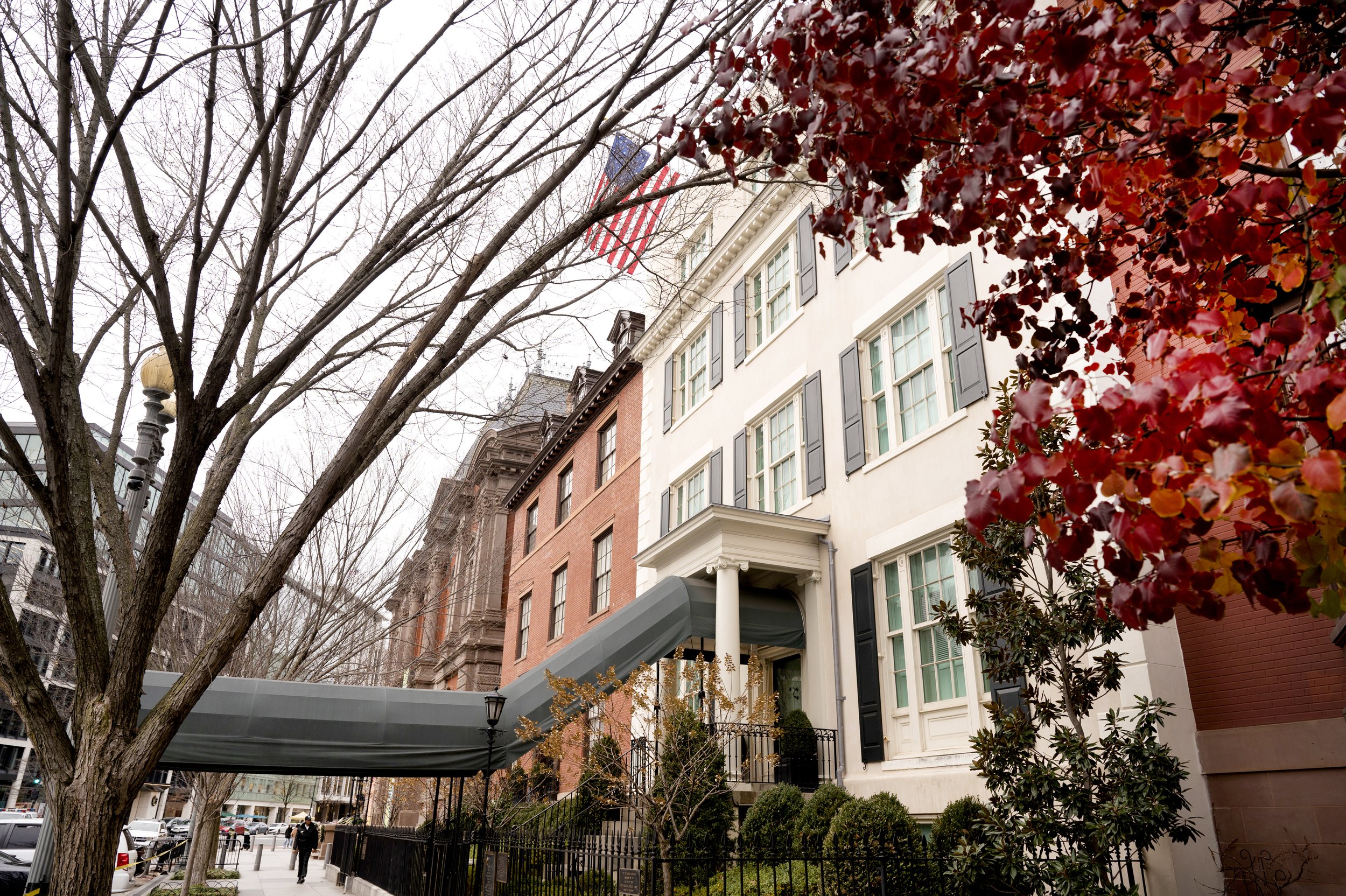
The architectural and interior design of Blair House plays a crucial role in its branding. Comprising four distinct townhouses—Blair House, Lee House, Peter Parker House, and 704 Jackson Place—that have been interconnected over time, its Georgian and Federal architectural styles convey a sense of enduring tradition and historical gravitas. Inside, the design ethos balances stately elegance with comfortable intimacy. Curated art collections, antique furnishings, and meticulously maintained living spaces create an atmosphere that is both grand and welcoming. This design choice is not accidental; it’s a strategic element of diplomatic branding. It avoids ostentatious display while subtly communicating American heritage, artistic appreciation, and sophisticated taste. Each room is designed not just for aesthetics but for function, providing private meeting areas, offices, dining rooms, and personal quarters that facilitate both formal negotiations and informal interactions. The design implicitly communicates stability, confidence, and a respect for the past while accommodating the demands of modern diplomacy. It’s a physical manifestation of American soft power, speaking volumes without uttering a single word.
Crafting the Brand Story: A Legacy of Diplomacy and Hospitality
Every strong brand has a compelling story, and Blair House’s narrative is rich with history, key events, and the footsteps of countless world leaders. This enduring brand story is not static; it is continually reinforced and enriched by each successive visit and significant moment that unfolds within its walls.
Historical Narratives as Reputation Building
The history of Blair House is a powerful component of its brand reputation. Built in 1824, it was purchased by the U.S. government in 1942 and formally designated as The President’s Guest House. Its most famous historical chapter involves President Harry S. Truman residing there from 1948 to 1952 during the White House renovation, making it a temporary nerve center of global power. This period notably includes the assassination attempt on Truman in 1950 by Puerto Rican nationalists, an event that solidified Blair House’s place in American lore as a site of resilience and enduring national purpose.
Beyond these high-profile moments, the house has hosted monarchs, presidents, prime ministers, and other dignitaries for over 75 years. Each state visit adds another layer to its brand story, contributing to its image as a place where critical international relationships are forged, complex global issues are discussed, and the course of world events is often subtly influenced. This accumulation of historical significance is invaluable; it grants the “Blair House brand” an unmatched authority and gravitas, positioning it as a hallowed space in the annals of diplomacy. The knowledge that so many pivotal conversations have occurred within its walls imbues it with a unique aura, making it a profoundly special and respected destination for its guests.
Managing the Brand Perception: Security and Secrecy
A crucial aspect of managing the Blair House brand is the meticulous attention paid to security and privacy. For visiting heads of state, the ability to conduct sensitive discussions and relax in a completely secure environment is paramount. This level of assured confidentiality and safety is a cornerstone of the Blair House’s brand promise. The United States Secret Service oversees a comprehensive security apparatus, ensuring that guests and their delegations can operate without concern. This includes sophisticated surveillance, controlled access, and discreet personnel.

The emphasis on secrecy regarding the specific details of a guest’s stay, while providing a necessary level of privacy for high-profile individuals, also contributes to the mystique and exclusive nature of the Blair House brand. What happens at Blair House often remains within its walls, fostering an environment of trust and discretion that is highly valued in the world of international relations. This rigorous commitment to security and privacy reinforces its reputation as a safe haven and a serious venue for serious business, thereby enhancing its brand value as the ultimate diplomatic accommodation.
Marketing American Diplomacy: Beyond Bricks and Mortar
While Blair House doesn’t engage in traditional marketing campaigns, its very existence and operation are a sophisticated form of “marketing American diplomacy.” It is a strategic tool in the nation’s soft power arsenal, designed to create positive impressions and foster strong international bonds.
The Experiential Brand: Hosting World Leaders
The “experiential brand” offered by Blair House is unparalleled. Hosting a foreign leader is not just about providing lodging; it’s about crafting an immersive experience that reflects American values and capabilities. From the moment a dignitary arrives, every detail is orchestrated: personalized flags flying outside, meticulously prepared menus catering to specific dietary and cultural preferences, a dedicated staff of over a dozen permanent employees plus augmented support, and advanced communications infrastructure. The staff’s discretion, professionalism, and anticipatory service are key components of this experiential branding, ensuring guests feel valued, respected, and impeccably cared for.
This high-touch, personalized approach is a deliberate strategy to build rapport and goodwill. It allows the visiting leader to focus on their diplomatic agenda rather than logistical concerns, implicitly conveying America’s organizational prowess and deep respect for its guests. The positive experiences generated at Blair House can significantly influence perceptions of the United States, smoothing diplomatic pathways and laying the groundwork for more productive negotiations. It’s a masterclass in building relationships through exceptional service and a carefully curated environment.
Case Studies in Statecraft and Soft Power
Numerous historical examples underscore Blair House’s effectiveness as a tool of statecraft and soft power. When leaders like Winston Churchill or Charles de Gaulle stayed there during crucial periods, the house became a backdrop for momentous discussions that shaped the post-war world. More recently, every state visit of a head of government or monarch often includes a stay at Blair House, from the Emperor of Japan to the President of France. These visits are not just about formal meetings; they are about fostering personal connections, understanding cultural nuances, and often, providing a less formal setting for delicate discussions that might not be possible in the more rigid environment of the White House.
Each successful stay, each positive testimonial (even if unspoken), contributes to the Blair House’s growing reputation as a facilitator of global cooperation. It’s a tangible symbol of America’s commitment to multilateralism and its willingness to extend genuine hospitality as a foundation for international partnership. These case studies, though rarely publicized in explicit detail due to diplomatic sensitivity, are the “testimonials” that validate Blair House’s unique brand proposition in the diplomatic world.
Sustaining the Brand: Preservation and Evolution
Like any successful brand, Blair House requires ongoing investment, adaptation, and careful management to maintain its relevance and effectiveness. Its enduring brand equity is a testament to continuous efforts in preservation, modernization, and strategic financial support.
The Role of Design in Continuity and Modernity
Maintaining Blair House’s design integrity while subtly integrating modern amenities is a constant challenge and a key aspect of brand continuity. Significant renovations and updates occur periodically to ensure the house meets contemporary standards for comfort, technology, and security, without sacrificing its historical charm or character. This balance is crucial for a brand built on both tradition and functionality. For instance, while the stately appearance of the historic rooms is preserved, unseen modern infrastructure—from advanced climate control to secure fiber optic networks—ensures that the house can support the demanding requirements of a modern head of state. This blend of old and new reinforces the brand message: America respects its past while embracing the future, offering the best of both worlds to its distinguished guests.
Endowment and Philanthropy in Brand Maintenance
The long-term sustainability and continued excellence of the Blair House brand are significantly supported by private philanthropy. The Blair House Restoration Fund, a non-profit organization, plays a vital role in raising funds for the ongoing preservation, restoration, and furnishing of the property. This private support complements government funding, allowing for enhancements and maintenance that ensure the house remains a premier diplomatic venue. The engagement of philanthropists and private citizens in supporting Blair House underscores its perceived value as a national treasure and a critical component of American diplomacy. This public-private partnership is essential for maintaining the high standards that define the Blair House brand, ensuring it can continue to serve as a beacon of American hospitality and a powerful tool in shaping international relations for generations to come.
aViewFromTheCave is a participant in the Amazon Services LLC Associates Program, an affiliate advertising program designed to provide a means for sites to earn advertising fees by advertising and linking to Amazon.com. Amazon, the Amazon logo, AmazonSupply, and the AmazonSupply logo are trademarks of Amazon.com, Inc. or its affiliates. As an Amazon Associate we earn affiliate commissions from qualifying purchases.