
The landscape of home fitness has undergone a profound transformation, evolving from a simple collection of weights and cardio machines to a sophisticated ecosystem of interconnected devices and intelligent platforms. Identifying the “best” home exercise equipment today requires an understanding of technological integration, data-driven personalization, and the seamless digital experiences that define modern wellness. It’s no longer just about the hardware; it’s about the software, connectivity, and artificial intelligence that elevate a basic workout into an engaging, efficient, and highly personalized fitness journey.
The Rise of Smart Home Fitness
The advent of smart technology has reshaped our expectations for home exercise, moving beyond static routines to dynamic, adaptive, and highly interactive experiences. This shift is driven by advancements in sensor technology, AI algorithms, and high-speed internet connectivity, making personal training and group classes accessible from the comfort of one’s living room.
Interactive Platforms and Gamification
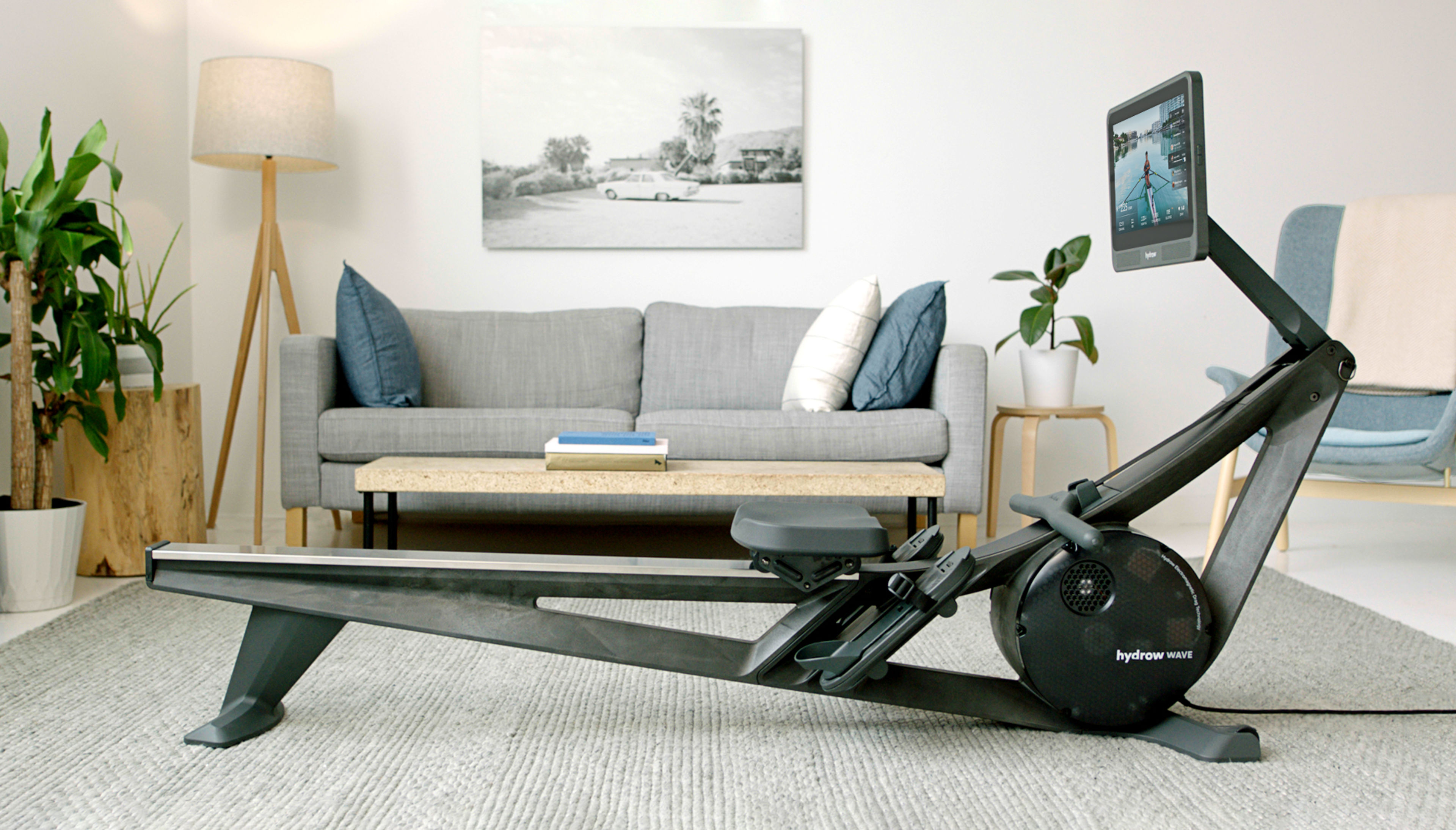
Modern home exercise equipment often serves as a gateway to immersive digital platforms. These platforms leverage high-definition displays, robust audio systems, and intuitive user interfaces to deliver live and on-demand classes. The “best” systems often excel in gamification, turning workouts into competitive or goal-oriented challenges that track progress, offer virtual rewards, and foster a sense of community. This psychological engagement, powered by sophisticated software design, is crucial for sustained motivation and adherence to fitness goals. From virtual races against other users to achieving personal bests tracked across various metrics, the digital layer adds significant value.
Data Tracking and Personalization
At the core of smart home fitness is data. Advanced sensors embedded within equipment—from heart rate monitors and power meters to motion trackers and rep counters—collect a wealth of biometric and performance data. This data is then processed by intelligent algorithms to provide real-time feedback, track long-term progress, and even adapt workout parameters. The ability to monitor metrics like heart rate zones, power output, calorie burn, cadence, and form consistency allows users to train smarter. Furthermore, AI-driven personalization can recommend specific workouts, adjust resistance levels, or suggest modifications based on a user’s performance history, fitness level, and recovery needs, effectively bringing the expertise of a personal trainer into the home.
Essential Categories of Home Exercise Tech
The market for home exercise technology is diverse, encompassing a wide array of devices designed to target different aspects of fitness. Evaluating the “best” requires looking at how these categories leverage technology to enhance user experience and outcomes.
Cardiovascular Innovations
Traditional treadmills, stationary bikes, and ellipticals have been re-engineered with advanced technology. Smart treadmills now feature interactive screens that simulate outdoor runs, dynamically adjust incline and speed based on virtual terrain, and integrate with third-party fitness apps. Connected bikes offer virtual cycling classes with leaderboards, automatic resistance adjustments synced to instructor cues, and detailed performance analytics. Rowers have embraced virtual reality and gamified experiences, making each stroke a part of an engaging digital world while providing comprehensive full-body metrics. The integration of high-definition displays, powerful processors, and seamless internet connectivity transforms these machines into portals for immersive cardio experiences.
Strength Training Redefined
Strength training equipment has arguably seen the most revolutionary technological advancements. Smart dumbbells and adjustable weight systems use integrated sensors to track reps, sets, and weight lifted, often providing form correction through visual or auditory cues. More sophisticated systems, like smart mirrors or connected cable machines, utilize advanced camera technology and AI to analyze form in real-time, provide personalized coaching, and dynamically adjust resistance. These systems often come with extensive libraries of strength training programs, guided workouts, and progress tracking, eliminating the need for complex manual logging and offering intelligent progression suggestions. Electromechanical resistance systems further enhance this by providing precise, digital weight adjustments and eccentric training capabilities not possible with traditional free weights.
Functional and Recovery Tech
Beyond the core cardio and strength machines, technology extends to functional training and recovery. Smart yoga mats with pressure sensors can provide real-time feedback on pose alignment. Connected jump ropes track jumps per minute and calorie burn, often integrating with companion apps for guided workouts. Recovery tech includes smart foam rollers with vibration settings controllable via an app, percussive therapy devices with varied intensity programs, and biofeedback devices that monitor stress levels and guide breathing exercises for improved recovery. Even wearable tech, when integrated with home exercise platforms, plays a crucial role in providing a holistic view of activity, sleep, and recovery, contributing to a truly “best-in-class” home fitness setup.
Key Features to Consider in Your Tech-Driven Home Gym
When selecting the best home exercise equipment, focusing on specific technological features can help distinguish superior products from mere gadgets.
Connectivity and Ecosystem Integration
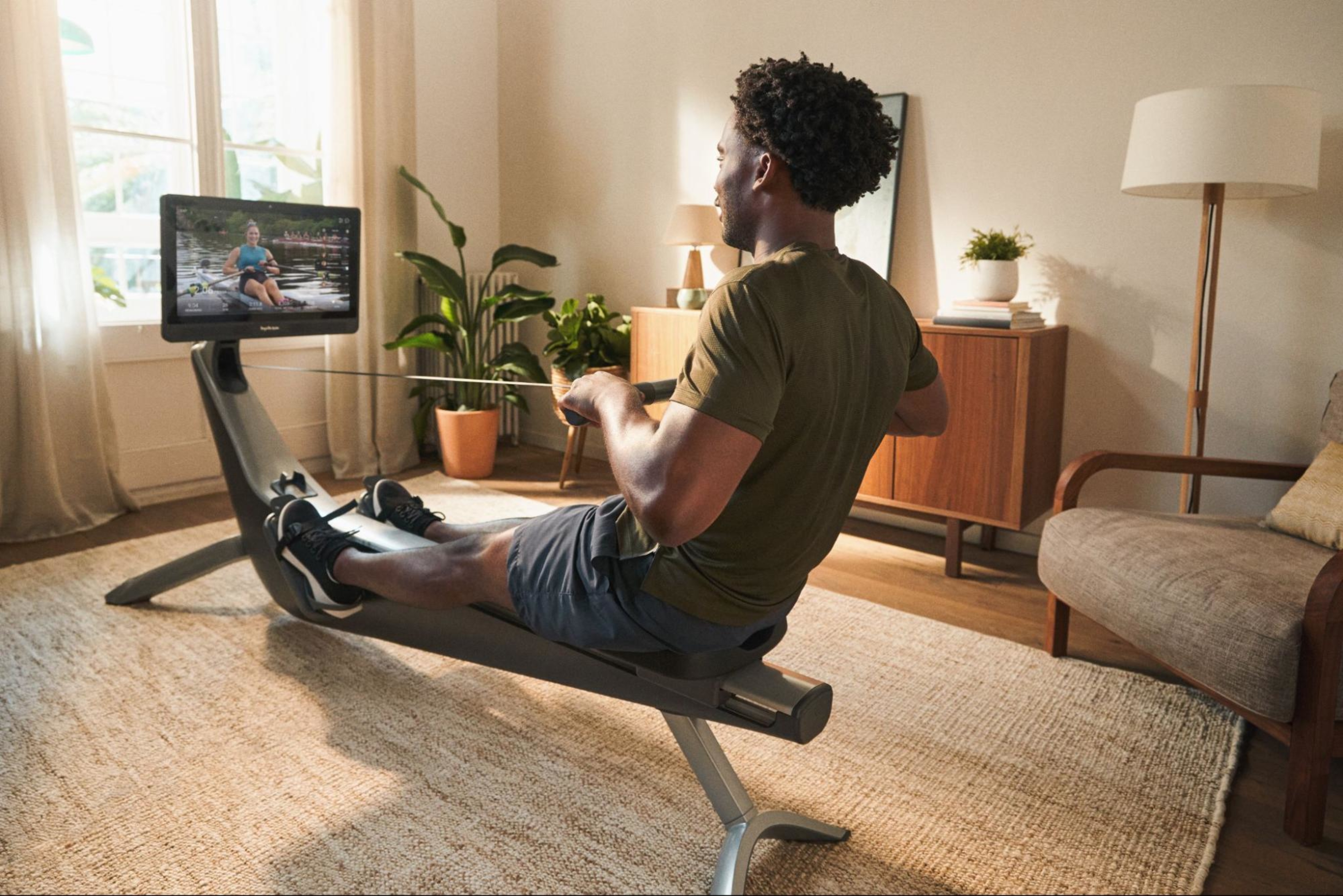
A truly “best” piece of home exercise equipment doesn’t operate in isolation. It offers robust connectivity options, typically via Wi-Fi and Bluetooth, allowing it to seamlessly integrate with other devices. This includes syncing with heart rate monitors, smartwatches, and third-party fitness apps (like Apple Health, Google Fit, Strava). The strength of a manufacturer’s ecosystem—how well their different products and services communicate and share data—is a critical factor. A unified profile that tracks all your workouts, recovery, and progress across various equipment within a single app provides a comprehensive and motivating fitness overview.
Space Efficiency and Portability
Technological innovation often allows for more compact and versatile designs. For urban living or smaller spaces, equipment that can fold, roll away, or even disappear into a mirror when not in use is highly desirable. This space efficiency, often enabled by intelligent engineering and material science, means a powerful workout experience doesn’t require dedicating an entire room. Similarly, portability through integrated wheels or lightweight designs enhances the flexibility of a home gym setup, allowing users to exercise where and when it’s most convenient.
Durability and User Experience
While technology is paramount, the underlying physical build quality and user interface design remain crucial. High-quality materials and robust engineering ensure longevity and safety, particularly for equipment that undergoes significant stress. The user experience (UX) and user interface (UI) of the accompanying software are equally important. Intuitive navigation, responsive touchscreens, clear data visualization, and bug-free performance contribute significantly to an enjoyable and effective workout. Lagging software or unintuitive controls can quickly diminish the value of even the most advanced hardware.
Top Picks and Their Technological Edge
Identifying the “best” often comes down to specific products that exemplify these technological advancements and deliver exceptional user experiences.
Smart Bikes and Treadmills
Brands like Peloton and Echelon have set the benchmark for smart bikes, offering immersive live and on-demand classes, detailed performance metrics, and competitive leaderboards. Their robust digital ecosystems, featuring expert instructors and diverse content, make them top contenders. For treadmills, NordicTrack’s iFit-enabled machines stand out with their interactive training that automatically adjusts incline, decline, and speed to match virtual terrain or instructor cues. Technogym offers high-end, studio-quality equipment with integrated training programs and sophisticated biofeedback. These products leverage powerful processors, high-resolution screens, and precise motor controls to deliver a gym-quality cardio experience at home.
Connected Strength Systems
Tonal and Tempo are leading the charge in connected strength training. Tonal utilizes electromagnetic resistance to provide up to 200 pounds of digital weight, offering personalized coaching, real-time form correction through its AI, and an extensive library of workouts on its integrated display. Tempo leverages 3D motion tracking and AI through its large screen to analyze form and suggest weight adjustments. Mirror, by Lululemon, offers a nearly invisible home gym solution, presenting an array of classes from strength to yoga, with instructors providing personalized shout-outs and form corrections, making it a sleek, aesthetically pleasing, and highly functional piece of tech. These systems excel by making complex strength training accessible and intelligently guided.
AI-Powered Mirrors and Trainers
Beyond dedicated equipment, smart mirrors represent a distinct category of AI-powered home trainers. Products like the Lululemon Mirror or FORME Life blend into your home decor while transforming into interactive fitness hubs. They use advanced cameras and AI to track movements, provide real-time form feedback, and offer a vast selection of workouts. Their unobtrusive design combined with powerful analytical capabilities makes them ideal for comprehensive fitness, blending seamlessly into various home aesthetics. The “best” in this category offers not just guided workouts but a true sense of personal training through intelligent feedback and adaptive programming.
Maximizing Your Investment: Beyond the Hardware
The true value of modern home exercise equipment extends beyond the initial purchase, heavily relying on the ongoing digital experience.
Software Subscriptions and Content Libraries
Most high-end home exercise equipment relies on a subscription model for access to their full content libraries, live classes, and personalized programming. The “best” services offer a vast, diverse, and frequently updated content library across various disciplines (cardio, strength, yoga, meditation), catering to all fitness levels. They feature engaging, certified instructors, high-production-value content, and often multi-user profiles. Evaluating the quality and breadth of these software offerings is as critical as assessing the hardware itself, as it dictates the long-term utility and enjoyment of the equipment.
Community and Virtual Challenges
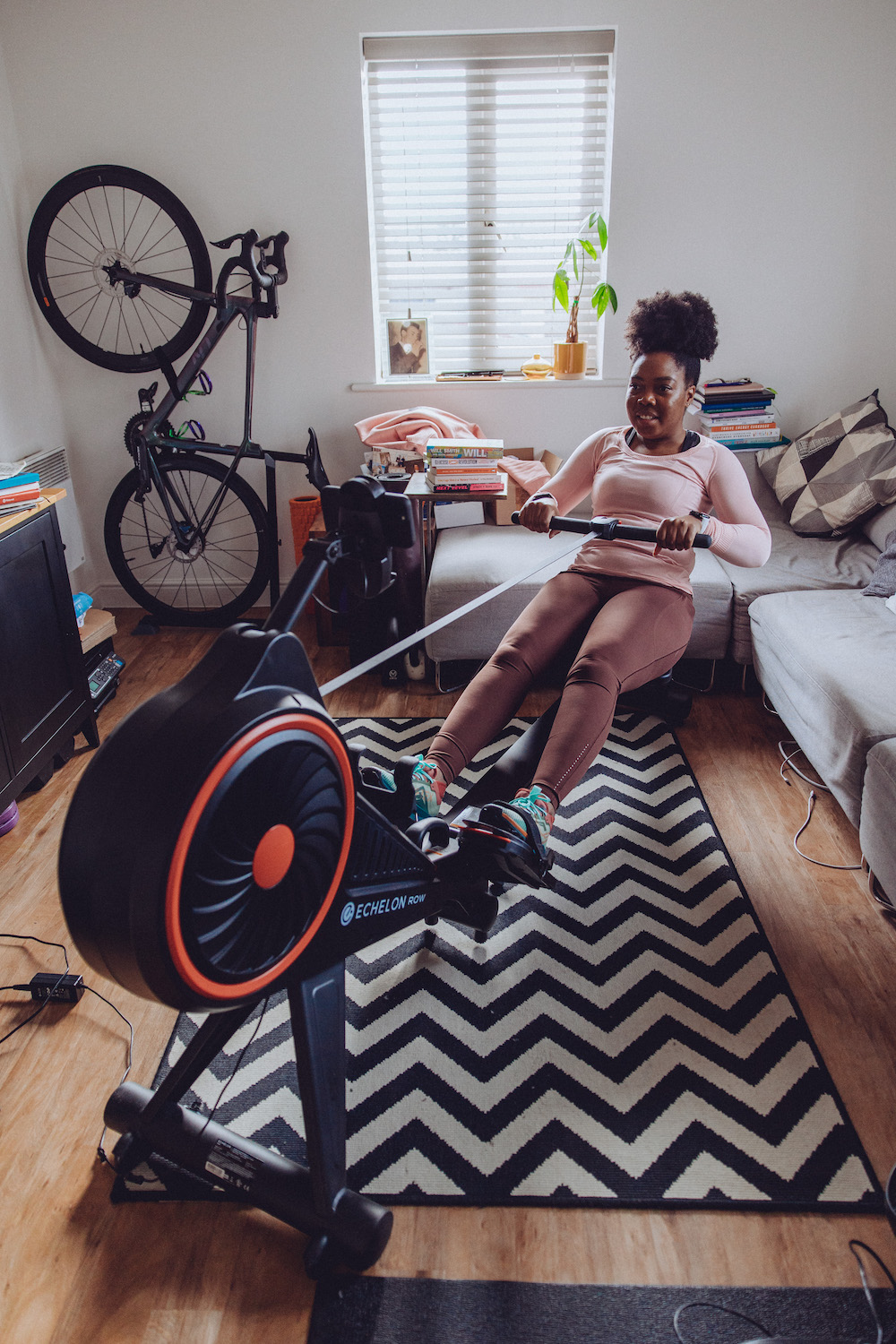
Many platforms foster a strong sense of community through leaderboards, virtual high-fives, and social sharing features. Participating in virtual challenges, connecting with friends, and engaging in online forums can significantly boost motivation and adherence. The “best” systems understand that fitness is often a shared journey, and leverage technology to create a supportive and competitive environment, even when exercising alone at home. This social dimension, facilitated by robust online platforms, adds another layer of engagement and long-term value to the home exercise technology investment.
aViewFromTheCave is a participant in the Amazon Services LLC Associates Program, an affiliate advertising program designed to provide a means for sites to earn advertising fees by advertising and linking to Amazon.com. Amazon, the Amazon logo, AmazonSupply, and the AmazonSupply logo are trademarks of Amazon.com, Inc. or its affiliates. As an Amazon Associate we earn affiliate commissions from qualifying purchases.