
Navigating the landscape of medical insurance costs can often feel like a complex financial puzzle. For many individuals and families, the monthly premium represents a significant recurring expense, prompting a critical need to understand what constitutes an “average” cost and, more importantly, what factors drive these figures. There isn’t a single, universal average, as the cost of medical insurance is highly individualized, influenced by a myriad of variables ranging from personal demographics to the specifics of the chosen plan and the prevailing market dynamics. Delving into these components is essential for anyone looking to budget effectively and make informed decisions about their healthcare coverage.

Understanding the Factors Influencing Health Insurance Premiums
Medical insurance premiums are not arbitrary figures; they are meticulously calculated based on a complex algorithm of risk assessment and service provision. Several core factors consistently play a pivotal role in determining what an individual or family will pay each month. Grasping these influences is the first step toward demystifying your premium statement.
Age and Location
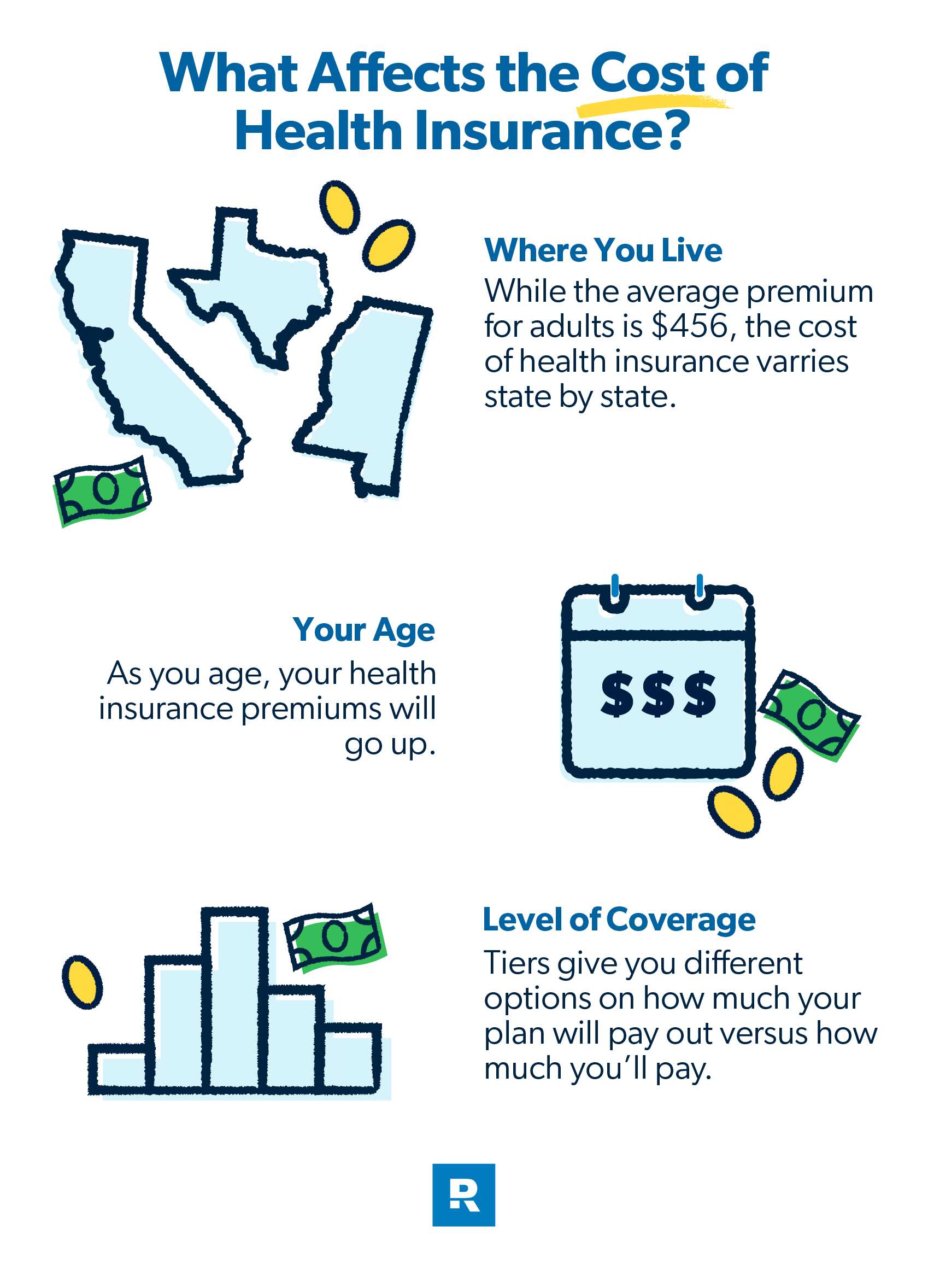
Age is arguably the most significant demographic factor influencing health insurance costs. Generally, premiums increase with age, as older individuals are statistically more likely to require medical care. Insurers are legally permitted to charge older adults up to three times more than younger individuals for the same plan, though specific state regulations may impose tighter limits. Similarly, your geographical location plays a substantial role. Healthcare costs, competition among insurers, state regulations, and even the local cost of living can vary dramatically from one state, county, or even zip code to another. An area with higher healthcare costs or less competition among providers will typically see higher average premiums.
Plan Type (HMO, PPO, EPO, POS)
The type of health insurance plan you select profoundly impacts your monthly premium.
- Health Maintenance Organizations (HMOs) generally offer lower premiums but require you to choose a primary care provider (PCP) within their network and obtain referrals for specialists.
- Preferred Provider Organizations (PPOs) typically have higher premiums but offer more flexibility, allowing you to see out-of-network providers (albeit at a higher cost) without a referral.
- Exclusive Provider Organizations (EPOs) blend aspects of both, offering a network similar to a PPO but often requiring you to stay within that network for covered services, similar to an HMO, usually with moderate premiums.
- Point of Service (POS) plans are a hybrid, offering lower costs for in-network care (like an HMO) but allowing out-of-network care at a higher cost (like a PPO), often at a mid-range premium. Your preference for flexibility versus lower upfront costs heavily influences this choice.
Deductibles, Copayments, and Coinsurance
These terms describe how much you pay for care after your premium. A deductible is the amount you must pay out of pocket before your insurance begins to cover costs. Plans with higher deductibles typically have lower monthly premiums, and vice versa. Copayments are fixed amounts you pay for specific services (e.g., doctor visits, prescription drugs) after your deductible is met. Coinsurance is a percentage of the cost of a medical service you pay after your deductible. The higher your copayments or coinsurance percentages, the lower your premium might be, reflecting a greater share of the risk you assume. It’s crucial to balance the monthly premium savings against the potential out-of-pocket costs for actual medical care.
Tobacco Use
Under the Affordable Care Act (ACA), tobacco use is one of the few health factors that allows insurers to charge higher premiums. Smokers can be charged up to 50% more than non-smokers for health insurance. This surcharge is a significant financial incentive for individuals to quit smoking and a clear demonstration of how lifestyle choices can directly impact personal finance related to healthcare.
Averages Across Different Marketplaces and Plan Tiers
Understanding average costs requires segmenting the market, as premiums vary significantly depending on where and how you obtain your coverage. The “average” often cited is a national statistic, which can mask vast differences across individual circumstances and available plan options.
Employer-Sponsored Plans
For many Americans, employer-sponsored health insurance is the most common and often most affordable route. Employers typically subsidize a significant portion of the premium, making these plans highly attractive. According to recent Kaiser Family Foundation data, the average annual premium for employer-sponsored health insurance in 2023 was approximately $8,435 for single coverage and $23,968 for family coverage. This translates to about $703 per month for single coverage and $1,997 per month for family coverage. However, employees on average pay only about 17% of the premium for single coverage and 28% for family coverage, meaning their average monthly contribution is closer to $120 for single coverage and $560 for family coverage. These figures illustrate the substantial financial benefit of employer-provided insurance compared to individual market rates.
Affordable Care Act (ACA) Marketplace Plans
For individuals and families without employer-sponsored coverage, the ACA Marketplace (HealthCare.gov or state-run exchanges) offers a vital avenue for insurance. Plans are categorized into metallic tiers: Bronze, Silver, Gold, and Platinum, reflecting the percentage of healthcare costs the plan is expected to cover.
- Bronze plans have the lowest premiums but cover roughly 60% of costs, leaving 40% to the policyholder (after the deductible). In 2024, the average unsubsidized monthly premium for a 40-year-old on a Bronze plan was approximately $450-$550 nationally.
- Silver plans cover approximately 70% of costs, with average unsubsidized premiums ranging from $550-$750 for a 40-year-old. These are often the most popular choice due to the availability of Cost-Sharing Reductions (CSRs) for eligible lower-income individuals.
- Gold plans cover around 80% of costs, with higher premiums, typically in the $650-$850 range for a 40-year-old.
- Platinum plans offer the highest coverage (around 90%) and consequently the highest premiums, often exceeding $900-$1000 per month for a 40-year-old.
It’s critical to note that these are unsubsidized averages. A significant portion of ACA enrollees receive premium tax credits, which can drastically reduce their monthly out-of-pocket premium payment, sometimes to less than $50-$100 per month or even $0 for very low-income individuals.
Individual Plans Outside the Marketplace
Some individuals purchase health insurance directly from an insurer, outside of the ACA marketplace. These plans are often, but not always, ACA-compliant. While they don’t offer access to federal subsidies, they might appeal to those who don’t qualify for subsidies or prefer a wider selection of plans not offered on the exchanges. Premiums for these plans can vary widely, often mirroring the unsubsidized rates found on the marketplace, but without the potential for tax credits. Short-term health insurance plans, which are not ACA-compliant, offer much lower premiums but provide very limited coverage and are not suitable as primary insurance.
Medicaid and Medicare Considerations
For eligible low-income individuals and families, Medicaid provides free or very low-cost health insurance, effectively making the monthly premium $0. Eligibility rules vary by state, often tied to a percentage of the Federal Poverty Level (FPL). For seniors (generally 65 and older) and certain younger individuals with disabilities, Medicare is the primary health insurance program. While Medicare Part A (hospital insurance) is often premium-free for those who have paid Medicare taxes for a sufficient period, Parts B (medical insurance), C (Medicare Advantage), and D (prescription drug coverage) all involve monthly premiums, deductibles, and other out-of-pocket costs. For example, the standard Part B premium was $174.70 per month in 2024, with higher premiums for those with higher incomes.
Strategies for Managing and Reducing Your Monthly Premiums

Given the significant financial commitment of medical insurance, exploring avenues to manage and potentially reduce your monthly premiums is a crucial aspect of personal financial planning. Strategic choices can lead to substantial savings over time.
Exploring Employer Options
If your employer offers health insurance, it is almost always your most cost-effective option. Compare the monthly premium contribution, deductible, and out-of-pocket maximums of employer-sponsored plans against any individual plans you might find. Factor in the employer’s contribution to the premium, which is essentially “free money” toward your health coverage. Regularly review your employer’s offerings during open enrollment, as plans and costs can change annually.
Leveraging ACA Subsidies and Tax Credits
For those purchasing insurance through the ACA Marketplace, verifying eligibility for premium tax credits and cost-sharing reductions is paramount. These subsidies are income-based and can dramatically reduce your monthly premium, making even “expensive” plans significantly more affordable. The subsidy amounts are recalculated annually based on income and the cost of benchmark silver plans in your area. Even if you thought you weren’t eligible in the past, changes in income or subsidy rules might make you eligible now.
Choosing the Right Plan Tier for Your Needs
While Bronze plans have the lowest premiums, they also come with the highest deductibles and out-of-pocket maximums. If you anticipate minimal medical expenses, a Bronze plan might save you money on premiums. However, if you expect to use healthcare services frequently, a Silver or Gold plan, despite higher premiums, could save you money overall by covering a larger percentage of your medical costs and offering lower deductibles and copayments. Analyze your historical medical expenses and anticipated needs when selecting a tier.
High-Deductible Health Plans (HDHPs) and HSAs
High-Deductible Health Plans (HDHPs) typically feature lower monthly premiums in exchange for higher deductibles. If you enroll in an HDHP that meets specific IRS requirements, you become eligible to open a Health Savings Account (HSA). An HSA is a tax-advantaged savings account that allows you to contribute pre-tax money, invest it, and withdraw it tax-free for qualified medical expenses. This combination can be a powerful financial tool, offering lower premiums and a tax-efficient way to save and pay for healthcare costs. It’s particularly appealing for those who are relatively healthy but want a safety net for catastrophic events.
Comparing Plans Annually
The health insurance market is dynamic. Premiums, plan offerings, and network providers can change from year to year. Make it a habit to review and compare plans annually during the open enrollment period, whether through your employer or the ACA Marketplace. Don’t simply auto-renew; a slightly different plan from the same insurer or a new plan from a competitor might offer better value or more suitable coverage for your evolving needs at a lower cost.
Beyond Premiums: Total Out-of-Pocket Costs to Consider
While monthly premiums are the most visible cost of health insurance, a comprehensive understanding of your financial outlay requires looking beyond this single figure. The true cost of healthcare coverage is the sum of your premiums and your out-of-pocket expenses when you actually use medical services.
Deductibles
Your deductible is the amount you must pay for covered healthcare services before your insurance plan starts to pay. For example, if you have a $5,000 deductible, you’ll pay the first $5,000 of your medical bills yourself before your insurer contributes. High deductibles typically correspond to lower monthly premiums, but they require you to have sufficient savings set aside to cover potential medical emergencies or regular treatments.
Copayments and Coinsurance
Once your deductible is met, you still might not pay $0 for services.
- Copayments are fixed amounts you pay for specific services, like a $30 co-pay for a doctor’s visit or a $15 co-pay for a generic prescription.
- Coinsurance is a percentage of the cost of a covered service. If your plan has 20% coinsurance for a service that costs $100 after your deductible, you’d pay $20, and your insurer would pay $80. These costs add up, especially with frequent use of services.
Out-of-Pocket Maximums
Crucially, nearly all ACA-compliant plans have an out-of-pocket maximum. This is the most you’ll have to pay for covered services in a plan year. Once you reach this limit, your health plan pays 100% of the cost of covered benefits for the remainder of the year. The out-of-pocket maximum acts as a critical financial safety net, protecting you from catastrophic medical bills. When evaluating a plan, consider its out-of-pocket maximum alongside its premium and deductible to gauge your total potential financial exposure.
The Evolving Landscape of Healthcare Costs
The cost of medical insurance is not static; it’s influenced by broader economic forces and policy decisions. Understanding these macro trends provides context for the premium adjustments you might see year after year.
Inflation and Healthcare Expenditure
General economic inflation invariably impacts healthcare costs. The rising cost of medical equipment, prescription drugs, labor (doctors, nurses, administrative staff), and new medical technologies all contribute to an upward pressure on the overall cost of delivering healthcare. This, in turn, translates into higher insurance premiums. Healthcare expenditure in the U.S. continues to grow, often outpacing general inflation, making it a persistent challenge for consumers and policymakers alike.
Policy Changes and Market Dynamics
Government regulations, such as changes to the Affordable Care Act, state-level mandates, and shifts in Medicaid/Medicare funding, can directly affect insurance markets. Furthermore, the number of insurers operating in a given market, their competitive strategies, and their financial performance all play a role. A market with more competition might see more stable or even decreasing premiums, while a market dominated by a few players might experience consistent increases. Staying informed about these broader trends can help individuals anticipate changes and adapt their financial planning for healthcare.
aViewFromTheCave is a participant in the Amazon Services LLC Associates Program, an affiliate advertising program designed to provide a means for sites to earn advertising fees by advertising and linking to Amazon.com. Amazon, the Amazon logo, AmazonSupply, and the AmazonSupply logo are trademarks of Amazon.com, Inc. or its affiliates. As an Amazon Associate we earn affiliate commissions from qualifying purchases.