
Navigating Sweetener Choices: A Financial Perspective on Sugar vs. Sugar Alcohol
Understanding the distinctions between traditional sugar and sugar alcohols extends beyond mere nutritional profiles; it delves into a realm with significant financial implications for individuals and households. As consumers increasingly scrutinize their diets for both health and economic reasons, the choice of sweetener can influence everything from immediate grocery bills to long-term healthcare expenditures. This section lays the groundwork by demystifying these common food additives and initiating a discussion on their direct financial impact.
The Chemical and Caloric Basics: A Foundation for Financial Comparison
At its core, “sugar” typically refers to sucrose, a disaccharide derived from sugar cane or beets, offering 4 calories per gram and a quick energy source. Its ubiquitous presence in processed foods, beverages, and desserts contributes significantly to the modern diet. Sugar alcohols, conversely, are carbohydrates with a chemical structure similar to both sugars and alcohols, though they do not contain ethanol and do not cause intoxication. Common examples include erythritol, xylitol, sorbitol, and maltitol. They are often found in “sugar-free” or “diet” products.
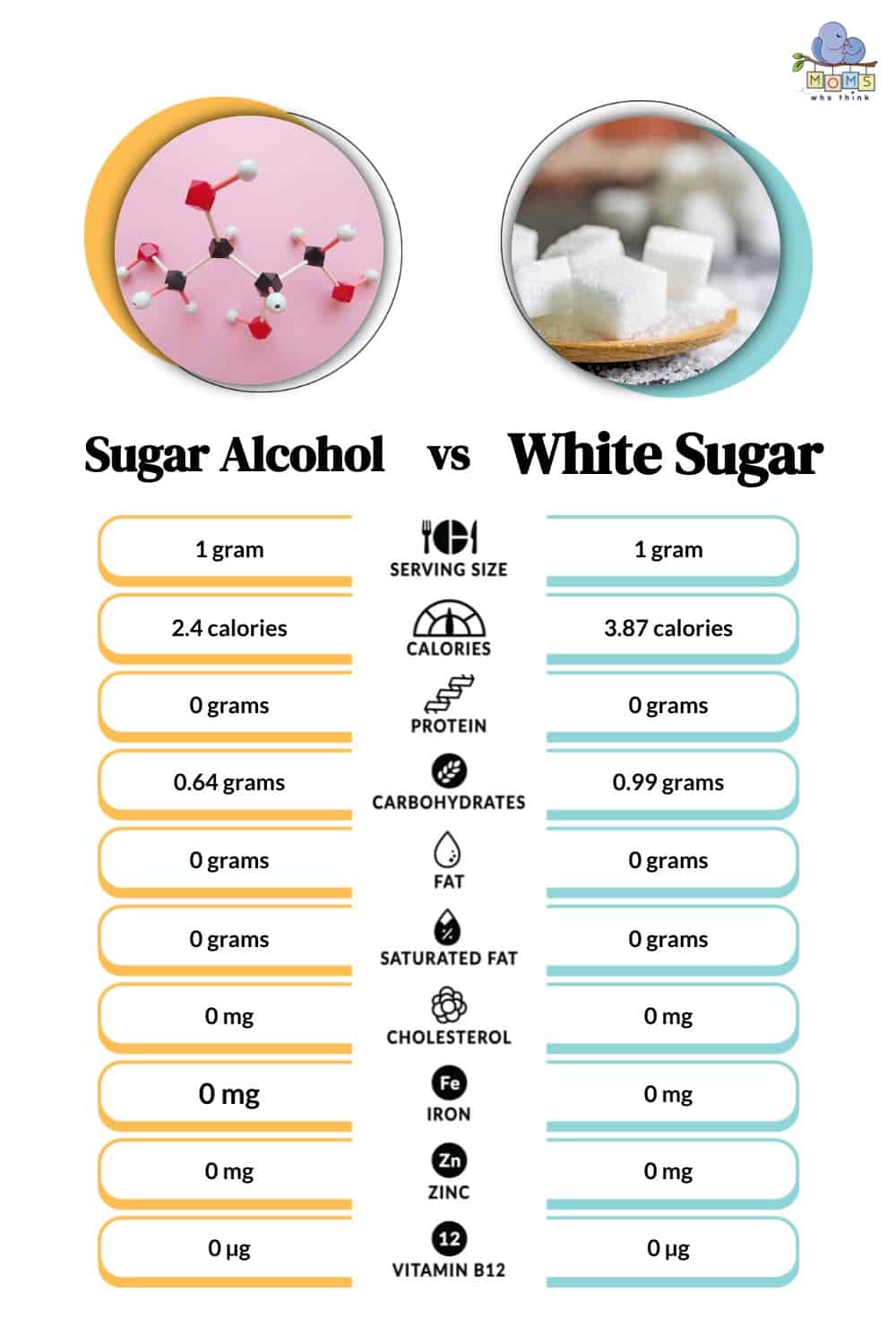
Crucially, sugar alcohols offer fewer calories per gram than sucrose (ranging from 0.2 to 3 calories per gram, depending on the type) and have a lower glycemic index, meaning they cause a smaller rise in blood glucose levels. This difference in caloric density and metabolic impact forms the basis of their perceived health benefits, which, in turn, can translate into financial advantages or disadvantages. From a direct purchasing standpoint, the raw cost per unit weight of sugar alcohols can often be higher than that of bulk granulated sugar. For instance, a bag of erythritol might cost two to three times more than an equivalent weight of standard sugar. This immediate price differential is the first financial hurdle consumers encounter when considering healthier alternatives. However, this upfront cost must be weighed against the potential for reduced consumption and long-term health savings.
Immediate Financial Impact: Grocery Bills and Product Pricing
The most tangible financial difference between opting for products sweetened with sugar versus sugar alcohols is evident at the grocery checkout. Products labeled “sugar-free” or “keto-friendly,” which frequently utilize sugar alcohols, often carry a premium price tag. This higher cost can be attributed to several factors: the specialized processing required, the typically smaller market for these ingredients, and the perceived value of their health benefits.
For example, a sugar-free chocolate bar using erythritol might be 20-50% more expensive than its conventional sugar-sweetened counterpart. Similarly, sugar-free gum with xylitol often costs more than traditional gum. For consumers managing a strict household budget, these immediate price disparities can make the “healthier” choice seem financially prohibitive. The decision then becomes a calculation: is the short-term extra expense justifiable by potential long-term benefits?
Furthermore, the quantity required for equivalent sweetness can also influence costs. Some sugar alcohols are less sweet than sugar, necessitating greater amounts to achieve the desired flavor profile in homemade goods, potentially offsetting some of the caloric savings with increased ingredient costs. Conversely, highly potent sugar alcohols like erythritol can be used in smaller quantities, offering a more concentrated sweetness per dollar spent. Savvy budgeting requires not just comparing unit prices, but also considering the sweetness potency and the overall consumption habits these different sweeteners encourage.
The Long-Term Health-Cost Equation: Financial Implications of Dietary Choices
While the immediate financial impact of choosing sugar alcohols might manifest as a higher grocery bill, the most profound financial differences emerge when considering long-term health outcomes. Chronic diseases linked to excessive sugar consumption represent a significant economic burden on individuals and healthcare systems globally. By making informed sweetener choices, consumers can effectively “invest” in their future health, potentially mitigating substantial medical expenses down the line.
Healthcare Expenses Tied to Excessive Sugar Consumption
Over-consumption of added sugars is a well-documented contributor to a range of costly chronic health conditions, including Type 2 diabetes, cardiovascular disease, obesity, and dental problems. The financial toll of managing these conditions is staggering. For example, the American Diabetes Association estimates that the total estimated cost of diagnosed diabetes in the U.S. in 2017 was $327 billion, including $237 billion in direct medical costs and $90 billion in reduced productivity. Much of these direct medical costs stem from medications, doctor visits, hospitalizations, and specialized equipment.
Individuals who develop these conditions face recurring out-of-pocket expenses, increased insurance premiums, and potential loss of income due to health-related limitations. Opting for sugar alcohols, which often have a lower glycemic impact and are non-cariogenic (do not cause tooth decay), can be seen as a preventative financial strategy. By potentially reducing the risk of developing these conditions, individuals may avoid a cascade of future medical bills, specialist fees, and pharmaceutical expenses. This long-term financial saving can far outweigh the minor premium paid for sugar-alcohol-sweetened products.
Preventative Spending vs. Reactive Costs: A Budgeting Framework
The choice between sugar and sugar alcohols can be framed as a classic economic decision: preventative spending versus reactive costs. Preventative spending involves investing resources now (e.g., higher cost for sugar-free products, time spent on meal planning) to avoid larger, more unpredictable expenses in the future (e.g., medical bills for chronic illness, dental work). Reactive costs, on the other hand, arise from addressing health problems after they manifest, often requiring more intensive and expensive interventions.

From a financial planning perspective, allocating a slightly larger portion of the food budget to options that support long-term health, such as those utilizing sugar alcohols, can be viewed as an investment. This investment aims to preserve health capital, thereby protecting financial capital from being eroded by future healthcare crises. For instance, regular dental care is cheaper than root canals or extractions resulting from sugar-induced cavities. Similarly, managing blood sugar through dietary choices is generally less costly and disruptive than managing advanced diabetes with insulin injections, frequent medical appointments, and potential complications like kidney disease or neuropathy. This strategic approach to budgeting prioritizes long-term financial resilience over short-term savings on cheaper, less healthy alternatives.
Consumer Choices and Budgeting for Sweetness
The modern market offers an overwhelming array of sweetened products, making informed financial and health decisions challenging. Understanding the interplay between product labeling, marketing strategies, and actual value is crucial for effective budgeting and personal finance.
Reading Labels: Value vs. Price in the Sweetener Aisle
Effective financial management in the context of dietary choices necessitates a careful examination of product labels. The term “sugar-free” doesn’t automatically equate to a healthy or budget-friendly choice. Consumers must delve deeper to identify the specific sugar alcohols used, their caloric contribution, and potential digestive effects that might impact comfort or productivity.
Beyond the sticker price, “value” encompasses the total benefit derived, including health advantages and the absence of future costs. A product with sugar alcohols might have a higher unit price but could offer superior value if it contributes to better blood sugar control, improved dental health, or reduced overall calorie intake without sacrificing taste. Conversely, relying heavily on cheaper, sugar-laden products for immediate gratification often carries a hidden “cost” in terms of potential future health complications and the associated financial strain. Budget-conscious consumers should develop the habit of comparing not just price per ounce, but also the nutritional panel and ingredient list, considering the “cost per healthy serving” rather than just the “cost per item.” This approach facilitates smarter spending that aligns with both financial goals and health objectives.
Marketing and Perception: Influencing Financial Decisions
The food industry invests heavily in marketing, often highlighting “low sugar” or “keto-friendly” claims that resonate with health-conscious consumers. While these claims can genuinely point to products using sugar alcohols, they can also be used to justify premium pricing. Consumers, driven by health aspirations, might be willing to pay more without fully understanding the cost-benefit analysis.
From a financial standpoint, it’s essential to be a discerning consumer. Questioning whether the perceived health benefits truly warrant the elevated price is key. Sometimes, making simple dietary adjustments, such as reducing overall portion sizes of conventionally sweetened foods or opting for naturally sweet whole foods (fruits), can achieve similar health benefits without the premium cost associated with specialized “sugar-free” products. Financial literacy in food choices also involves recognizing that not all sugar alcohols are created equal, both in terms of health impact and cost efficiency. For example, erythritol is generally well-tolerated and offers zero calories, making it a potentially more financially astute choice than some other sugar alcohols that might cause digestive discomfort or contribute more calories, thus potentially undermining both health and financial goals if overconsumed. Understanding the nuances allows consumers to avoid being swayed solely by marketing hype and to make choices that genuinely contribute to their financial and physical well-being.
Investment in Health: Strategic Dietary Planning for Financial Well-being
Ultimately, the debate between sugar and sugar alcohols can be reframed as a strategic financial decision within the broader context of personal health management. Viewing dietary choices as an investment, rather than merely an expense, empowers individuals to make decisions that foster long-term financial stability.
Long-Term Health Benefits and Reduced Future Medical Debt
The financial benefits of incorporating sugar alcohols, where appropriate, into one’s diet are primarily realized over the long term through their contribution to better health outcomes. By helping to manage blood sugar levels, reduce calorie intake, and prevent dental caries, sugar alcohols can play a role in mitigating the risk factors for some of the most expensive chronic diseases. This isn’t just about avoiding a diagnosis; it’s about avoiding the financial drain of ongoing treatments, specialist consultations, hospital stays, and prescription medications.
Consider a lifetime financial trajectory. An individual who maintains good health through proactive dietary choices, including mindful sweetener selection, is likely to incur significantly lower healthcare costs over their lifespan compared to someone battling multiple diet-related chronic conditions. This reduction in future medical debt and associated expenses frees up financial resources for other life goals, such as saving for retirement, education, or significant purchases. It’s an investment that pays dividends in both quality of life and financial security.
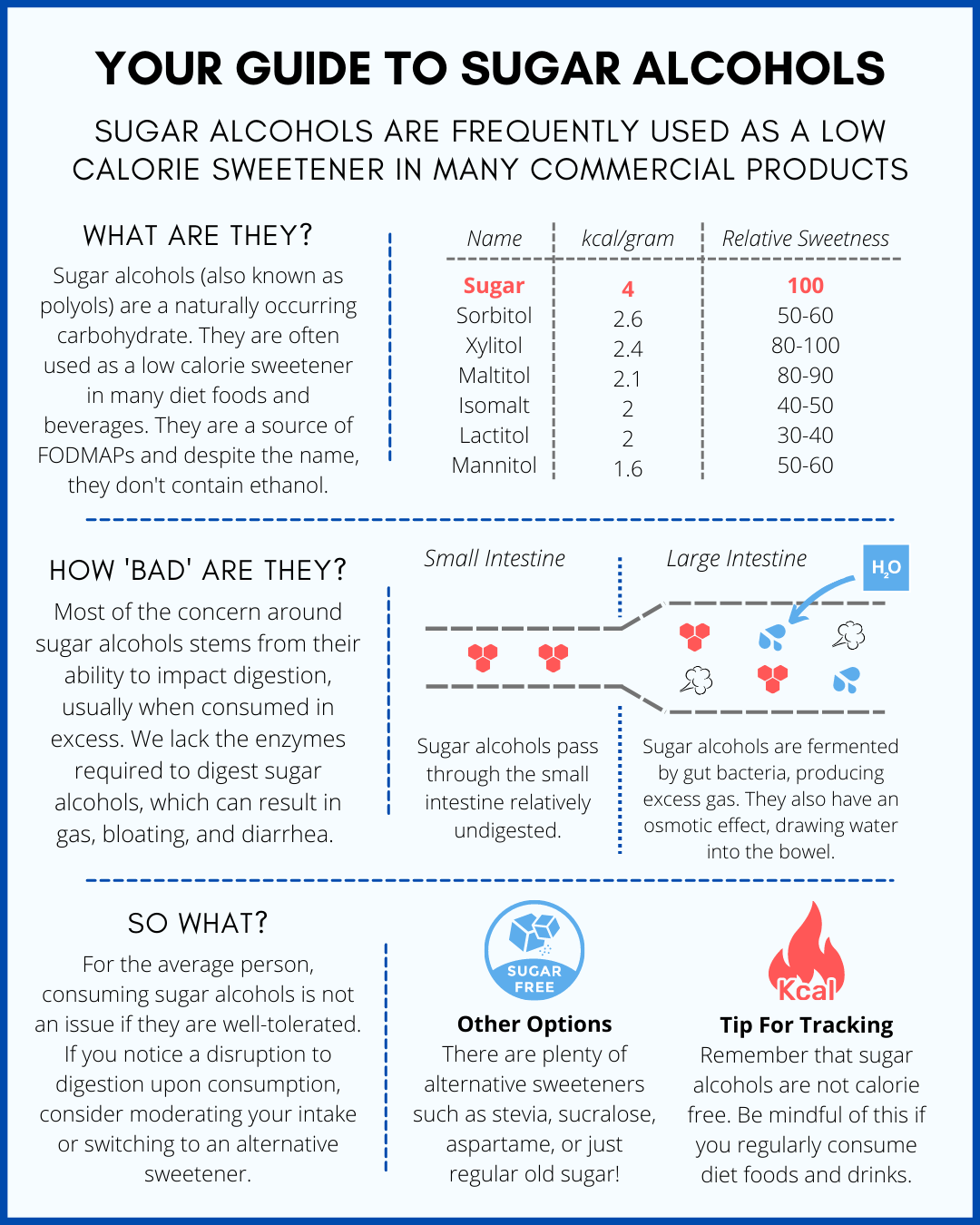
Strategic Dietary Planning for Financial Well-being
Integrating sugar alcohols effectively into a diet, therefore, becomes an element of comprehensive financial planning. This involves more than just swapping ingredients; it’s about adopting a strategic mindset that recognizes the link between health and wealth. For instance, rather than completely eliminating all sweets (which might be unsustainable for many), selectively replacing high-sugar items with sugar-alcohol-sweetened alternatives can be a manageable and financially prudent step.
This strategic planning also includes understanding portion control and the overall balance of one’s diet. Over-reliance on any single sweetener, even a “healthier” one, isn’t a panacea. The goal is to reduce overall added sugar intake and make informed choices that contribute positively to health without unduly burdening the budget. This might mean allocating a slightly larger budget to specific sugar-alcohol-sweetened products that offer significant health advantages, while simultaneously cutting back on other discretionary spending. By consciously managing sweetener consumption and understanding its dual impact on health and personal finance, individuals can build a more robust financial future, underscored by better health and reduced vulnerability to costly health crises. The prudent application of sugar alcohols in dietary choices exemplifies how small, informed decisions today can yield substantial financial and health returns tomorrow.
aViewFromTheCave is a participant in the Amazon Services LLC Associates Program, an affiliate advertising program designed to provide a means for sites to earn advertising fees by advertising and linking to Amazon.com. Amazon, the Amazon logo, AmazonSupply, and the AmazonSupply logo are trademarks of Amazon.com, Inc. or its affiliates. As an Amazon Associate we earn affiliate commissions from qualifying purchases.