
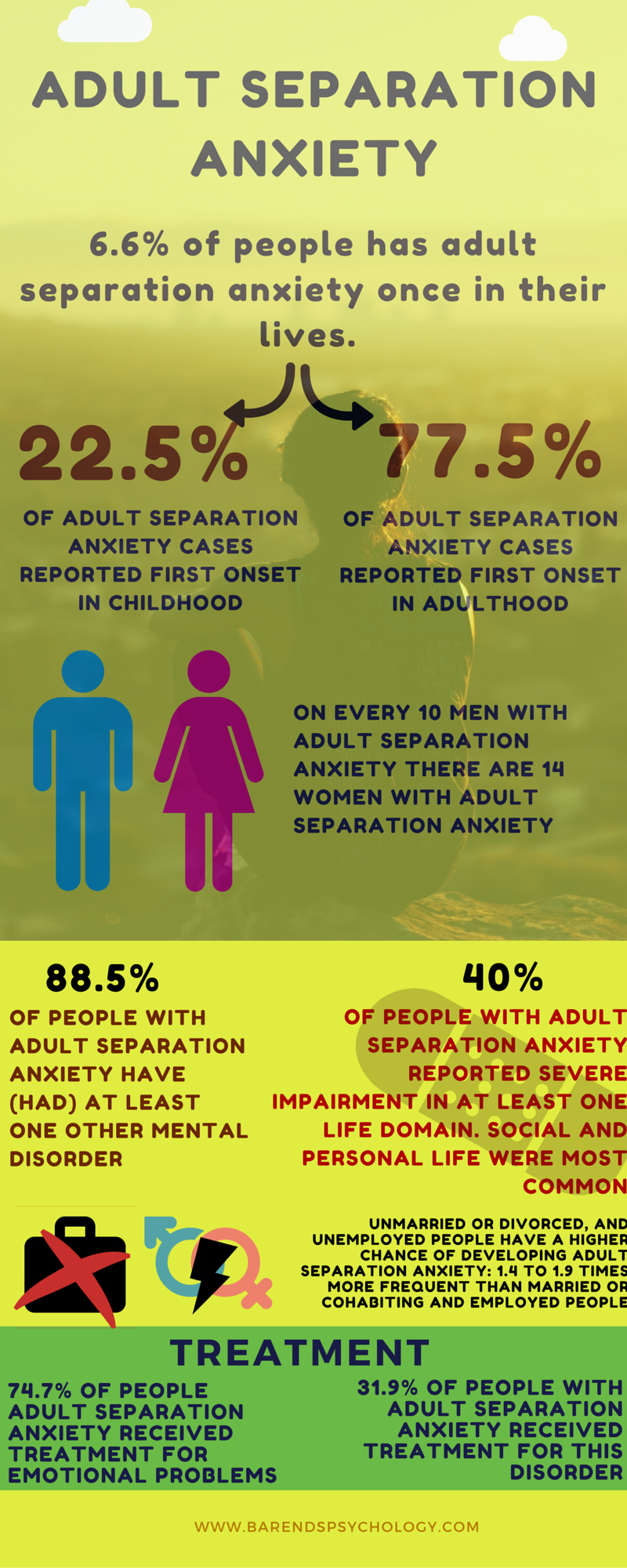
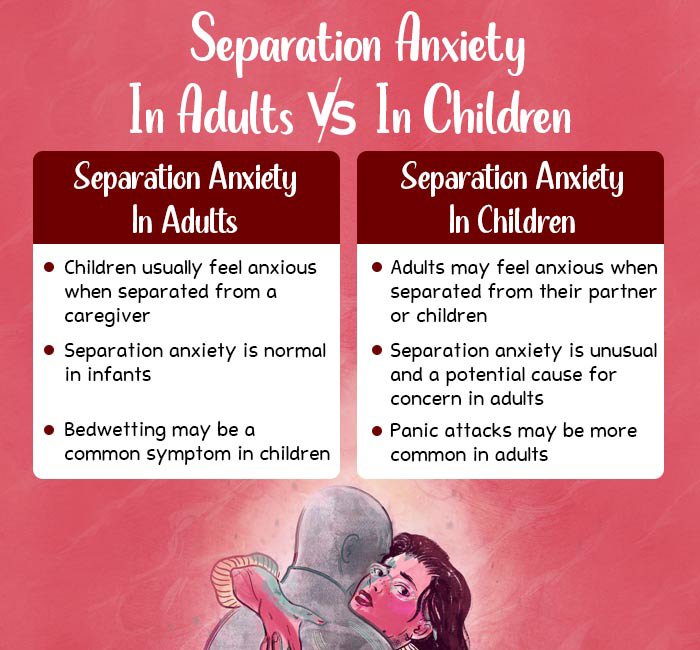
The concept of separation anxiety has historically been understood as a developmental stage in childhood, characterized by distress when apart from primary caregivers. However, in the hyper-connected 21st century, the phenomenon has taken on a profound and pervasive new dimension, extending into adult life, deeply intertwined with our digital existence. For many adults today, separation anxiety manifests not just in interpersonal relationships but crucially, in their relationship with technology. This modern iteration involves significant unease, apprehension, or even panic when disconnected from digital devices, the internet, or online social networks. Understanding this evolution is crucial for navigating the digital landscape and fostering healthy tech habits.
The Digital Evolution of Adult Separation Anxiety
The foundational human need for connection and belonging has found new, potent avenues through technology. Smartphones, social media platforms, constant email access, and pervasive cloud computing have woven themselves into the fabric of daily life, transforming how adults work, socialize, learn, and manage their personal affairs. This deep integration has, for many, created a new form of attachment, where the digital world becomes an extension of self and a primary conduit for functionality and social interaction.
From Attachment Figures to Digital Devices
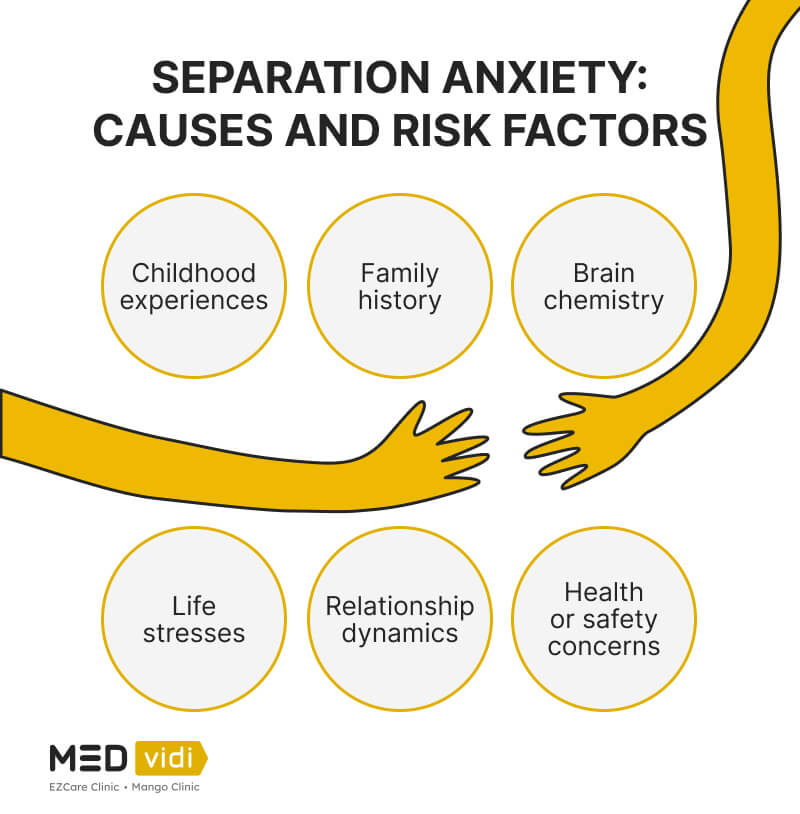
Traditional separation anxiety centers on the fear of losing an attachment figure. In the contemporary context, digital devices and online platforms often serve as proxy attachment figures or essential tools for maintaining vital connections. Adults rely on their smartphones for navigation, communication, work-related tasks, financial management, health tracking, and immediate access to information. When these devices are unavailable, damaged, or when internet connectivity is lost, the resulting feelings can mirror classic separation anxiety symptoms: increased heart rate, sweating, restlessness, irritability, and an intense urge to restore the connection. This isn’t merely inconvenience; for a significant portion of the adult population, it represents a genuine psychological distress.
The Psychology of Constant Connectivity
The human brain is wired for reward, and digital platforms are expertly designed to exploit this. Notifications, likes, messages, and endless feeds provide intermittent reinforcement, creating a compelling loop of engagement. Over time, this can lead to a psychological dependency where constant checking becomes an ingrained habit, a coping mechanism for boredom, loneliness, or stress. The anticipation of new information or social validation keeps users tethered. When this stream of stimuli is cut off, whether voluntarily or involuntarily, the brain experiences a withdrawal-like state, triggering the symptoms of anxiety. This state is exacerbated by the perception that one might be “missing out” on crucial information or social interactions, a phenomenon often termed Fear of Missing Out (FOMO).
Manifestations of Digital Separation Anxiety
While the core feeling of distress upon separation remains consistent, its manifestations in the digital realm are specific and impact various aspects of an adult’s life.
Nomophobia: The Fear of Being Phone-Less
Perhaps the most widely recognized form of digital separation anxiety is nomophobia, a portmanteau for “no-mobile-phone phobia.” This condition describes the fear or anxiety of being without a mobile phone or being unable to use it. Research indicates that nomophobia is increasingly prevalent among adults, particularly younger generations, but also significantly impacting older demographics as smartphones become indispensable tools. Symptoms can include checking one’s phone compulsively even when there are no notifications, experiencing panic when the battery runs low, fearing loss of signal, or feeling extreme discomfort when leaving the phone behind. The device isn’t just a communication tool; it’s a security blanket, a portal to personal information, a scheduler, and a map. Its absence can feel like a profound loss of control and capability.
FOMO: The Anxiety of Missing Out Online
FOMO, or Fear of Missing Out, is a pervasive form of anxiety characterized by the apprehension that one might miss rewarding experiences that others are having, especially those documented on social media. While not strictly “separation” anxiety in the physical sense, it represents a profound anxiety about separation from information and social interaction. Adults experiencing FOMO often feel compelled to constantly monitor social media feeds, online news, and group chats to ensure they are current. Disconnecting from these platforms, even for a short period, can trigger intense anxiety about missing critical updates, social invitations, or career opportunities, leading to a diminished ability to focus on present, real-world interactions. This constant vigilance can contribute to feelings of inadequacy, dissatisfaction, and even depression, as individuals compare their own lives to the curated highlights of others.
Performance Anxiety in the Digital Workspace
For professionals, digital separation anxiety can manifest as performance anxiety in the context of work. With the rise of remote work and always-on communication expectations, many adults feel pressured to be constantly available and responsive. Being disconnected from email, instant messaging platforms, or cloud-based collaboration tools can trigger anxiety about missing urgent requests, failing to meet deadlines, or being perceived as unproductive. This pressure can lead to an inability to fully disengage from work, blurring the lines between personal and professional life and contributing to burnout. The expectation of instantaneous response, facilitated by technology, has inadvertently created a new source of stress when that instantaneity is interrupted.
The Impact on Adult Life and Productivity
The constant struggle with digital separation anxiety has tangible consequences for adult well-being and productivity.
Diminished Focus and Cognitive Load
The perpetual partial attention required by constant digital connectivity fragments focus, making deep work and sustained concentration challenging. The brain expends energy switching contexts between tasks and notifications, leading to cognitive overload. When adults attempt to disconnect, the underlying anxiety about what they might be missing can make it difficult to fully immerse themselves in the task at hand, reducing efficiency and the quality of work. This fragmented attention can also impair memory and learning, as the brain struggles to consolidate information without frequent interruption.
Strain on Personal Relationships
Ironically, the technologies designed to connect us can strain real-world relationships. Adults preoccupied with their devices during social interactions may appear disengaged, leading to feelings of neglect or frustration among partners, friends, and family. Furthermore, the anxiety associated with disconnecting can make it difficult for individuals to be fully present in non-digital social settings. The urge to check a phone or respond to a notification can override the desire for genuine human connection, creating a “phubbing” (phone snubbing) culture that erodes trust and intimacy.
Physical Symptoms of Digital Stress
The chronic stress and anxiety associated with digital separation can also manifest physically. Adults may experience headaches, eye strain, sleep disturbances due to blue light exposure and late-night scrolling, increased muscle tension, and digestive issues. The constant mental activation, fueled by the fear of missing out or being disconnected, prevents the body and mind from entering a restful state, contributing to chronic fatigue and a weakened immune system.
Navigating Digital Disconnection: Strategies and Tech Solutions
Addressing digital separation anxiety requires a multi-faceted approach, leveraging both behavioral strategies and the intelligent use of technology itself.
Mindful Technology Use and Digital Detox
The first step is cultivating mindfulness around technology consumption. This involves conscious awareness of why one is using a device, for how long, and what effect it has. Implementing regular “digital detox” periods – whether an hour, an evening, or a weekend – can help recalibrate the brain’s reward system and reduce dependency. Strategies include designating “phone-free” zones in the home (e.g., bedrooms, dining tables), scheduling specific times for checking emails and social media, and engaging in activities that naturally require full attention and no digital interruptions.
Leveraging Digital Well-being Tools
Technology, paradoxically, also offers solutions to mitigate its own overwhelming nature. Operating systems like iOS and Android now include robust “Digital Well-being” or “Screen Time” features. These tools allow adults to:
- Monitor Usage: Track daily and weekly screen time, providing insights into app usage patterns.
- Set App Limits: Establish daily time limits for specific apps, automatically locking access once the limit is reached.
- Schedule Downtime: Configure periods where only essential apps (like phone calls) are available, promoting intentional breaks.
- Manage Notifications: Customize notification settings to reduce distractions, bundling them or turning them off for non-essential apps.
- Focus Modes: Utilize features that create tailored environments for work or relaxation, silencing non-essential alerts.
Third-party apps also offer similar functionalities, along with features like website blockers, Pomodoro timers, and focus-enhancing ambient sounds, all designed to help users regain control over their digital habits.
Cultivating Offline Engagement
Intentionally investing in offline activities and relationships is a powerful antidote to digital separation anxiety. Pursuing hobbies, engaging in physical activity, spending time in nature, and fostering face-to-face social interactions strengthen real-world connections and provide alternative sources of fulfillment and reward. Building a robust offline life reduces the perceived necessity of constant digital engagement, helping individuals understand that their self-worth and social standing are not solely defined by their online presence.
Towards a Balanced Digital Future
The pervasive nature of digital technology means that adult separation anxiety, in its modern form, is unlikely to disappear entirely. Instead, the focus must shift towards fostering a healthier, more balanced relationship with our digital tools.
Designing for Conscious Connectivity
Technology developers and designers bear a responsibility in creating platforms and devices that promote well-being rather than addiction. This includes rethinking notification systems, designing interfaces that encourage intentional use over compulsive engagement, and integrating well-being features directly into core functionalities. Future innovations could prioritize “slow tech,” offering a more contemplative and less demanding digital experience.
The Role of AI in Promoting Digital Health
Artificial intelligence, while sometimes contributing to the “always-on” culture, also holds promise in helping adults manage digital separation anxiety. AI-powered tools could personalize digital well-being recommendations, intelligently filter non-essential notifications, summarize information to reduce FOMO, or even provide nudges for screen breaks based on individual usage patterns. By understanding user behavior and preferences, AI could become a powerful ally in promoting conscious connectivity and mitigating the anxious effects of digital disconnection, ultimately helping adults navigate a world where true presence is increasingly valued over constant connection.
aViewFromTheCave is a participant in the Amazon Services LLC Associates Program, an affiliate advertising program designed to provide a means for sites to earn advertising fees by advertising and linking to Amazon.com. Amazon, the Amazon logo, AmazonSupply, and the AmazonSupply logo are trademarks of Amazon.com, Inc. or its affiliates. As an Amazon Associate we earn affiliate commissions from qualifying purchases.