
The role of an accountant is a cornerstone of financial stability for businesses and individuals alike, making the question of an accountant’s salary a perennially relevant topic for those considering the profession or seeking to understand the value of financial expertise. Accountant salaries are not monolithic; they are influenced by a complex interplay of education, experience, geographic location, industry, and specialized skills. Understanding these nuances is crucial for both aspiring accountants planning their career trajectory and organizations aiming to attract top talent. This article delves into the various factors that shape an accountant’s earning potential, providing a comprehensive overview of compensation in this vital financial field.
Understanding the Core Role and Value of an Accountant
At its heart, accounting is the systematic recording, analyzing, interpreting, and summarizing of financial transactions. Accountants provide critical insights that drive decision-making, ensure regulatory compliance, and support strategic planning. Their value proposition extends far beyond mere bookkeeping; they are trusted advisors who safeguard financial integrity, optimize tax strategies, manage audits, and contribute to overall financial health. The indispensable nature of these functions across virtually every sector, from small startups to multinational corporations and government agencies, underpins the robust demand for skilled accounting professionals and, consequently, the competitive salaries offered within the profession.
Key Factors Influencing Accountant Salaries
An accountant’s salary is rarely fixed and can vary significantly based on several pivotal factors. These elements collectively determine an individual’s market value within the accounting landscape.
Education and Certifications
The foundational aspect of an accountant’s earning potential begins with their educational background.
- Bachelor’s Degree: A bachelor’s degree in accounting or a related field (e.g., finance, business administration with an accounting concentration) is the minimum entry-level requirement for most professional accounting roles.
- Master’s Degree: A Master of Accountancy (MAcc) or Master of Business Administration (MBA) with an accounting concentration can significantly enhance earning potential, often leading to quicker career progression and higher starting salaries, especially in competitive markets or for specialized roles.
- Certified Public Accountant (CPA): This is arguably the most impactful credential in the accounting profession. Obtaining CPA licensure is a rigorous process involving specific educational requirements (typically 150 semester hours), passing a challenging four-part exam, and meeting experience requirements. CPAs consistently earn higher salaries than their non-CPA counterparts and have access to a broader range of opportunities, particularly in public accounting and senior corporate roles.
- Other Certifications: Specialized certifications such as Certified Management Accountant (CMA) for corporate finance, Certified Internal Auditor (CIA) for internal auditing, or Chartered Financial Analyst (CFA) for investment management can also boost salaries by demonstrating expertise in specific niches.
Experience Level
Like most professions, an accountant’s salary directly correlates with their accumulated experience.
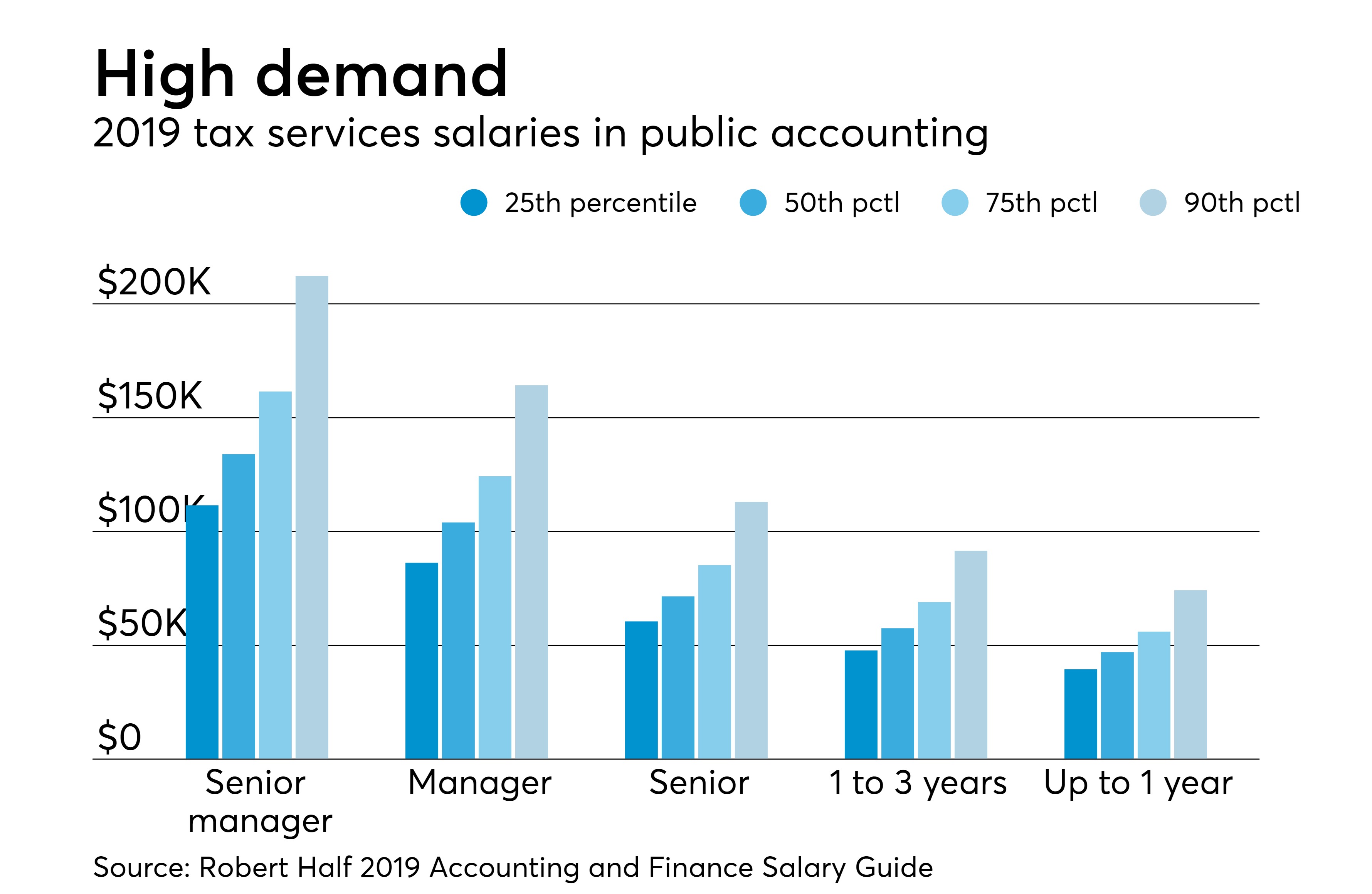
- Entry-Level (0-2 years): Roles such as Staff Accountant, Junior Auditor, or Bookkeeper typically command the lowest salaries, focusing on foundational tasks and learning the ropes.
- Mid-Level (3-7 years): Professionals at this stage, often Senior Accountants or Senior Auditors, have developed significant expertise, manage more complex tasks, and may supervise junior staff. Their salaries see a substantial increase, especially with a CPA.
- Experienced/Management (8+ years): At this level, roles include Accounting Manager, Controller, Director of Finance, or even Chief Financial Officer (CFO). These positions involve strategic oversight, team leadership, and significant financial responsibility, leading to the highest compensation packages.
Industry and Company Size
The sector and scale of the employer play a crucial role in salary determination.
- Public Accounting: Firms ranging from the “Big Four” (Deloitte, PwC, EY, KPMG) to regional and local firms. The Big Four generally offer competitive starting salaries and rapid career progression, but often demand longer hours. Smaller firms may offer a different work-life balance and varied client exposure.
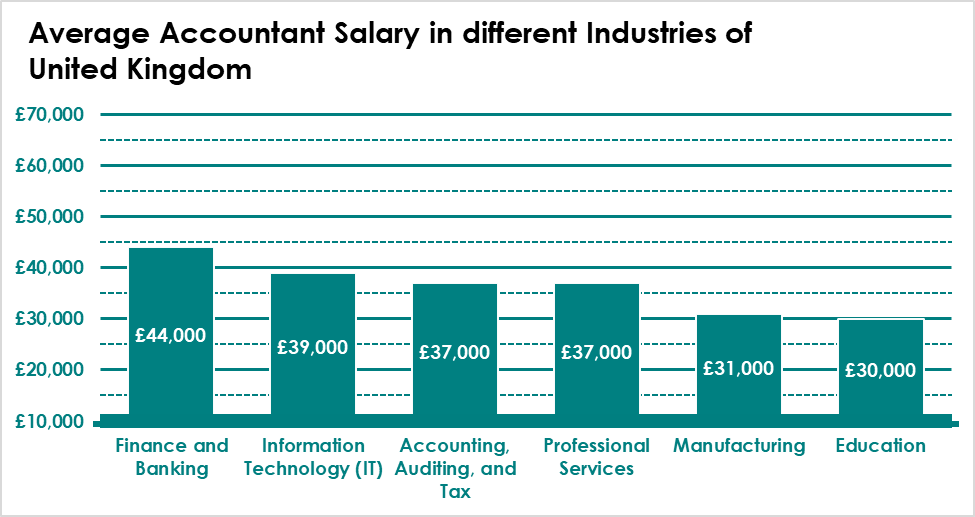
- Private Industry: Corporate accounting roles vary widely across industries like manufacturing, technology, healthcare, financial services, retail, and more. Tech and financial services industries often pay higher salaries due to strong demand and profitability. Larger corporations generally offer better compensation and benefits than small businesses, which might have more limited budgets but offer broader responsibilities.
- Government/Non-profit: These sectors typically offer more stable, though often lower, salaries compared to private industry, but may provide excellent benefits and a strong work-life balance.
Geographic Location
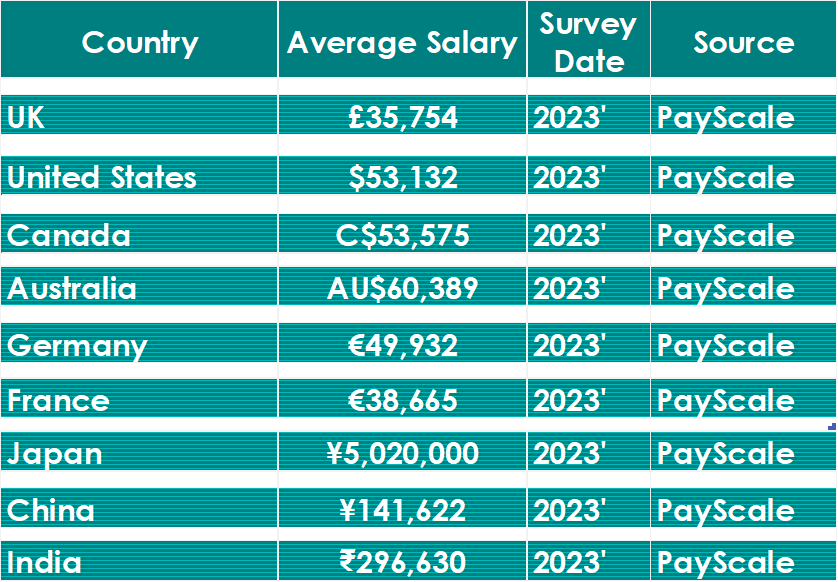
The cost of living and the demand for accounting professionals in a particular region significantly impact salary levels. Major metropolitan areas with high costs of living, such as New York City, San Francisco, Los Angeles, and Boston, typically offer higher salaries to compensate for increased expenses. Conversely, salaries in rural areas or regions with lower living costs tend to be lower. Local economic conditions and the concentration of businesses requiring accounting services also play a role.
Specialization
Specific areas of accounting expertise can command premium salaries due to specialized knowledge and demand.
- Tax Accountant: Specializing in corporate or individual tax planning, compliance, and preparation.
- Auditor: Performing financial audits to ensure accuracy and compliance with regulations (external auditors in public firms, internal auditors within companies).
- Forensic Accountant: Investigating financial discrepancies, fraud, and legal disputes.
- Management Accountant: Focusing on internal reporting, budgeting, forecasting, and performance analysis to aid management decisions.
- Financial Reporting Specialist: Ensuring adherence to GAAP (Generally Accepted Accounting Principles) or IFRS (International Financial Reporting Standards).
Salary Ranges by Experience and Role
To provide a more concrete picture, let’s look at typical salary ranges across different career stages, though these figures can fluctuate based on the factors mentioned above.
Entry-Level Accountants (0-2 years)
- Roles: Staff Accountant, Junior Auditor, Accounts Payable/Receivable Specialist.
- Typical Salary Range: $50,000 – $70,000 annually.
- In major metropolitan areas or with a master’s degree, this could start higher. Public accounting (especially Big Four) often offers slightly higher starting salaries with significant potential for rapid increases.
Mid-Career Accountants (3-7 years)
- Roles: Senior Accountant, Senior Auditor, Financial Analyst, Cost Accountant.
- Typical Salary Range: $70,000 – $100,000 annually.
- A CPA credential at this stage can push salaries well into the higher end of this range or beyond. Those in specialized roles or in high-demand industries like tech may earn more.
Experienced and Executive Roles (8+ years)
- Roles: Accounting Manager, Controller, Director of Finance, Chief Financial Officer (CFO).
- Typical Salary Range:
- Accounting Manager/Controller: $90,000 – $150,000+
- Director of Finance: $130,000 – $200,000+
- Chief Financial Officer (CFO): $180,000 – $500,000+ (significantly higher in large corporations, often with substantial bonuses and equity).
- These roles come with significant strategic responsibilities, requiring extensive experience, leadership skills, and often a CPA or other advanced certifications.
The CPA Advantage: A Game Changer
The Certified Public Accountant (CPA) license is a critical differentiator for career advancement and earning potential in accounting. While the path to becoming a CPA is demanding, the investment of time and effort yields substantial returns. CPA-licensed professionals consistently earn 10-15% more, on average, than their non-certified peers, and this gap widens considerably at management and executive levels. The CPA demonstrates a high level of technical competence, ethical standards, and a commitment to professional excellence. It opens doors to leadership positions, public practice, and specialized advisory roles that might otherwise be inaccessible. For anyone serious about a long-term, high-earning career in accounting, pursuing the CPA is almost a non-negotiable step.
Beyond Base Salary: Total Compensation Package
When evaluating an accountant’s compensation, it’s crucial to look beyond just the base salary and consider the total compensation package, which can add significant value.
- Bonuses: Performance-based bonuses, year-end bonuses, and sign-on bonuses are common, especially in public accounting and corporate roles, rewarding individual or company performance.
- Benefits: Comprehensive health insurance (medical, dental, vision), life insurance, and disability insurance are standard.
- Retirement Plans: Employer-sponsored 401(k) plans with matching contributions are a significant component of long-term financial security. Some companies may offer pension plans.
- Paid Time Off (PTO): Vacation days, sick leave, and holidays contribute to work-life balance and overall compensation.
- Professional Development: Tuition reimbursement for advanced degrees or certifications, funding for continuing professional education (CPE) to maintain licenses, and opportunities for training and skill development enhance career growth and marketability.
- Other Perks: Stock options or equity (particularly in tech startups), flexible work arrangements (remote or hybrid), wellness programs, and commuter benefits can further sweeten an offer.
Understanding the full value of these components is vital when comparing job offers and assessing the true financial benefit of an accounting role.
Career Outlook and Future Trends for Accountants
The accounting profession is dynamic, continually evolving with technological advancements and shifting economic landscapes. While automation is transforming routine tasks, the demand for skilled accountants remains robust, particularly for those with analytical, advisory, and strategic capabilities.
- Stable Demand: The need for financial oversight, compliance, and strategic guidance ensures a consistent demand for accounting professionals across all industries.
- Impact of Technology: Cloud-based accounting software, artificial intelligence (AI), and robotic process automation (RPA) are automating data entry and reconciliation. This shift means accountants are increasingly focusing on higher-value activities such as data analysis, forecasting, risk management, and strategic consulting.
- Upskilling and New Skills: Future-proof accountants are developing skills in data analytics, financial modeling, cybersecurity (especially for financial data), and understanding enterprise resource planning (ERP) systems. The ability to interpret large datasets and provide actionable insights is becoming paramount.
- Advisory Roles: Accountants are increasingly seen as strategic business partners, advising clients and management on financial health, growth opportunities, and risk mitigation.
- Remote Work: The rise of remote and hybrid work models has expanded opportunities beyond traditional geographic limitations, potentially influencing salary benchmarks and the availability of talent in various regions.
In conclusion, the salary for an accountant is a multifaceted figure, reflecting a blend of individual qualifications, professional dedication, market conditions, and the strategic value they bring to an organization. By investing in education, pursuing certifications like the CPA, gaining diverse experience, and adapting to technological changes, accounting professionals can significantly enhance their earning potential and secure a rewarding and stable career path.
aViewFromTheCave is a participant in the Amazon Services LLC Associates Program, an affiliate advertising program designed to provide a means for sites to earn advertising fees by advertising and linking to Amazon.com. Amazon, the Amazon logo, AmazonSupply, and the AmazonSupply logo are trademarks of Amazon.com, Inc. or its affiliates. As an Amazon Associate we earn affiliate commissions from qualifying purchases.