
The concept of a “poverty wage” extends far beyond a simple numerical threshold. It describes an income level so low that it fails to cover the basic necessities of life, leaving individuals and families in a perpetual state of financial struggle despite working full-time, or even multiple jobs. While often confused with the official federal poverty line or minimum wage, a poverty wage is a more nuanced indicator of economic hardship, reflecting the harsh reality that a job does not always equate to financial stability. Understanding what constitutes a poverty wage, its profound impacts, and potential solutions is crucial for grasping the true landscape of economic inequality and its pervasive effects on personal finance.
Defining the Poverty Wage: Beyond the Official Line
To truly comprehend a poverty wage, one must look beyond commonly cited figures and consider the broader economic context, including the actual cost of living. It’s not just about earning below a certain number; it’s about the inability to meet fundamental needs.
Federal Poverty Level vs. Living Wage
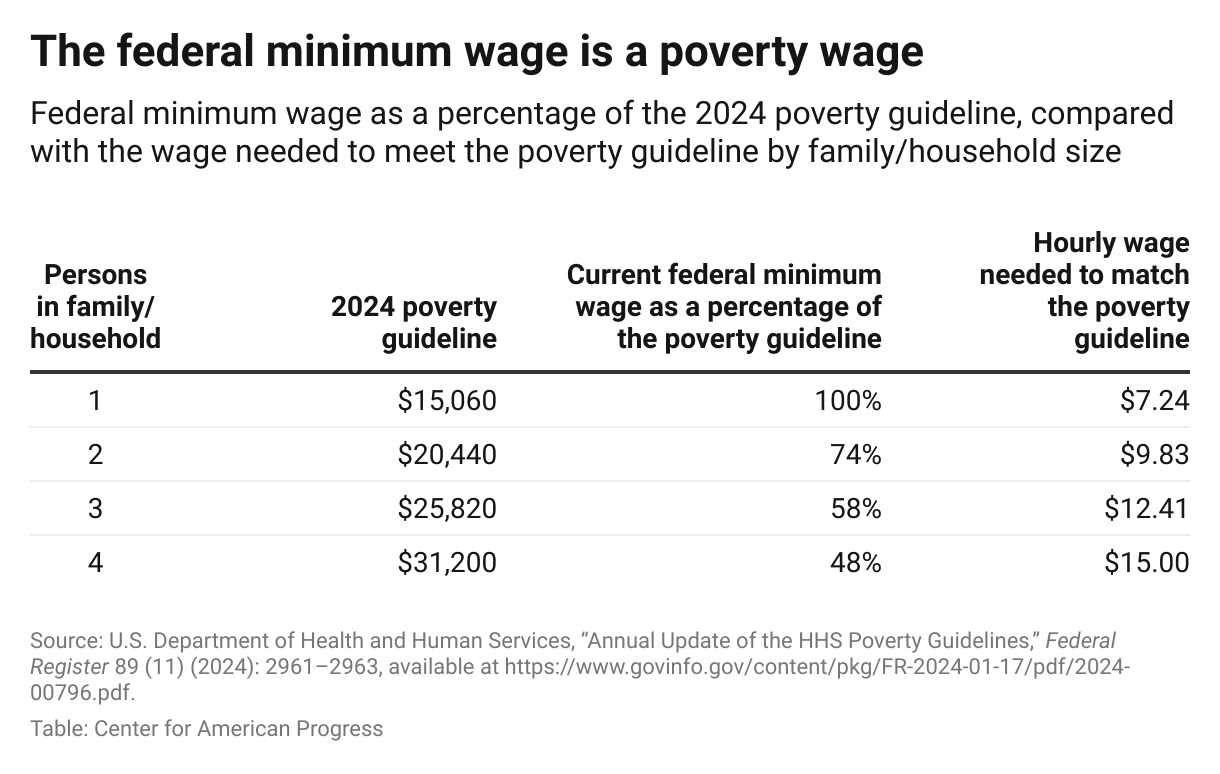
The Federal Poverty Level (FPL) is an administrative tool used by the U.S. government to determine eligibility for various federal programs and benefits. It is a set of income thresholds based on family size and composition, adjusted annually by the Department of Health and Human Services. For instance, in 2024, the FPL for a single individual in the contiguous 48 states was around $15,060 annually. While the FPL provides a national benchmark, critics argue it is an outdated measure, originally developed in the 1960s, which fails to account for modern expenses like childcare, healthcare premiums, and transportation costs. Earning at or slightly above the FPL can still mean living in severe financial distress, hence a “poverty wage” often encompasses these scenarios.
In contrast, a living wage is the theoretical minimum income required for an individual or family to afford a basic standard of living in a particular locale, covering essential expenses without the need for public assistance or falling into debt. This includes housing, food, childcare, healthcare, transportation, and other necessities. Unlike the FPL, a living wage is typically calculated with local economic conditions in mind and is almost always significantly higher than both the federal minimum wage and the FPL. When someone earns a wage that falls short of a living wage for their area, they are effectively earning a poverty wage, regardless of where they stand relative to the FPL. The difference highlights a critical gap: an income that is “above poverty” by federal standards can still be insufficient to escape genuine hardship.
The Impact of Local Cost of Living
One of the most significant factors in defining a poverty wage is the local cost of living. A wage that might be sufficient in a low-cost rural area could be utterly inadequate in a high-cost metropolitan center. Housing, in particular, often dominates a household’s budget and varies dramatically by region. Rent for a modest apartment in San Francisco, New York City, or Honolulu can consume more than half of a low-wage worker’s income, leaving little for other essentials.
This geographic disparity means there isn’t a single universal “poverty wage” number. Instead, it’s a dynamic concept relative to the economic realities of a specific location. An individual earning $30,000 annually might be comfortably stable in one town, while the same income could represent a severe poverty wage in another, forcing them to make impossible choices between food, housing, and healthcare. This local context underscores why national minimum wage debates often fall short of addressing the true scope of economic insecurity across diverse regions.
The Economic Realities of Earning a Poverty Wage
Living on a poverty wage creates a cascading series of financial and personal challenges that extend far beyond immediate hunger or homelessness. It engenders a state of chronic financial insecurity, impacting every facet of life and making any form of long-term planning virtually impossible.
Persistent Financial Insecurity
The most immediate consequence of a poverty wage is relentless financial insecurity. There is no buffer for emergencies; a car breakdown, a sudden illness, or an unexpected bill can trigger a crisis. Families live paycheck to paycheck, often making difficult trade-offs: paying rent versus buying groceries, or utilities versus medicine. This constant precarity leads to significant stress and poor health outcomes, creating a vicious cycle where the ability to work consistently is undermined by the very conditions poverty creates. Savings are a luxury, and retirement planning is an impossibility, leaving individuals vulnerable in their later years.
Healthcare and Educational Barriers
Access to adequate healthcare is a major hurdle. While some low-wage workers may qualify for Medicaid or subsidized health insurance, deductibles, co-pays, and out-of-network costs can still be prohibitive. Many delay necessary medical care, leading to more severe and costly health problems down the line. Preventative care is often forgone entirely.
Similarly, educational opportunities for both adults and their children are severely limited. While public K-12 education is free, related costs like school supplies, field trips, and extracurricular activities can be burdensome. For adults, pursuing higher education or vocational training to improve earning potential often requires significant upfront investment in tuition, books, and childcare, which is unattainable on a poverty wage. This perpetuates a cycle where lack of education contributes to low wages, which in turn limits access to better education.
The Debt Spiral
Earning a poverty wage often forces individuals into a debt spiral. When income isn’t enough to cover essentials, people resort to high-interest loans—payday loans, title loans, or predatory credit cards—to bridge the gap. These loans come with exorbitant interest rates and fees, quickly trapping borrowers in a cycle of debt that is nearly impossible to escape. Even seemingly minor emergencies can lead to defaults, damaged credit scores, and further exclusion from mainstream financial services, pushing individuals deeper into financial marginalization. The psychological toll of constant debt and the accompanying stress can be immense.
Who Is Most Affected by Poverty Wages?
While anyone can experience a period of low income, certain demographics and employment patterns reveal a disproportionate impact of poverty wages.
Demographics and Disparities
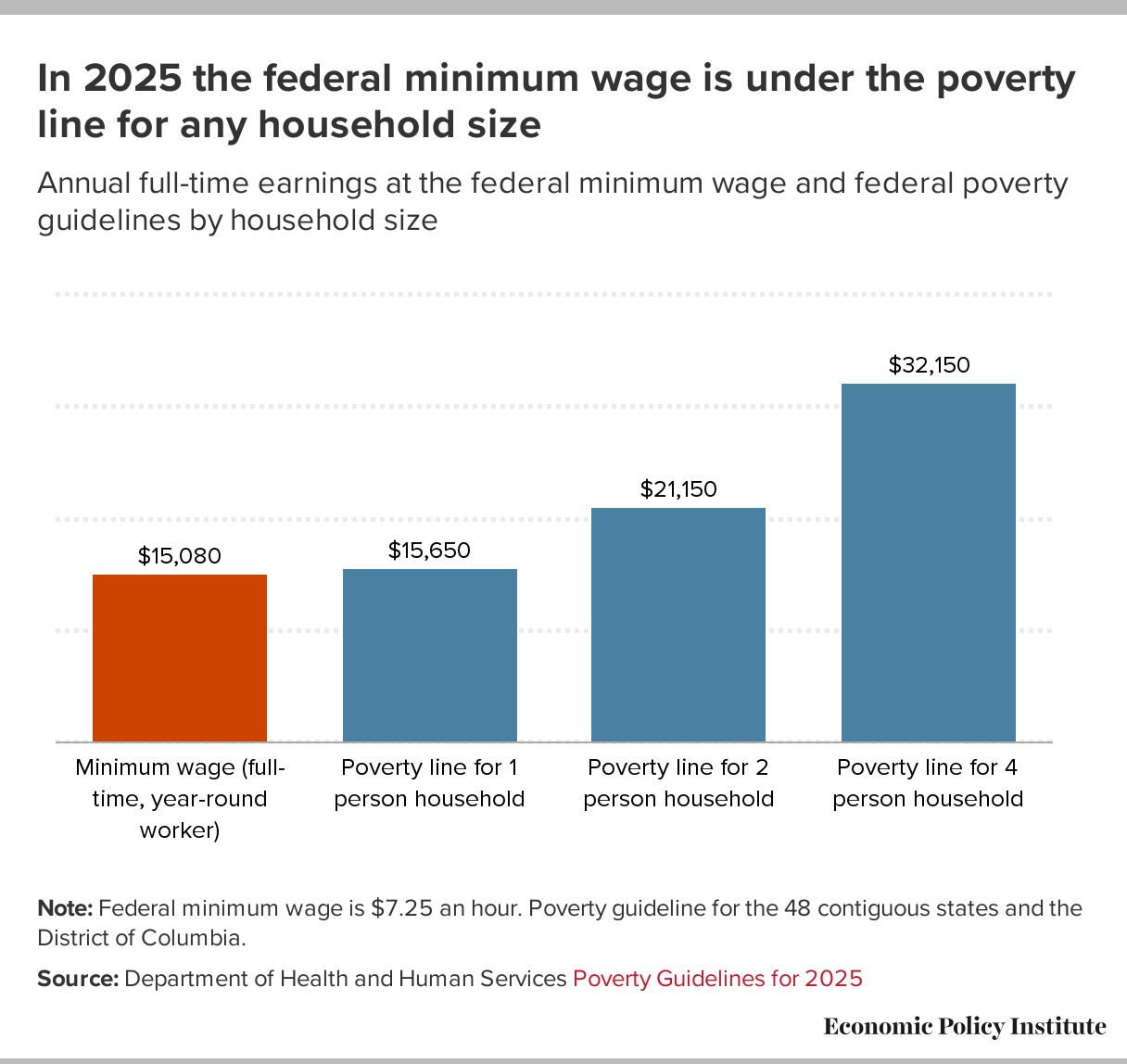
Poverty wages disproportionately affect certain groups, often due to systemic inequalities. Women, particularly single mothers, are overrepresented among low-wage workers, partly due to the gender pay gap and the prevalence of women in lower-paying service sector jobs. Racial and ethnic minorities, including Black and Hispanic individuals, also face higher rates of poverty wages, reflecting historical and ongoing discrimination in education, employment, and housing. Immigrants, especially those with limited English proficiency or without legal documentation, are often relegated to the lowest-paying, most exploitative jobs. Additionally, individuals with disabilities or those with limited education are more vulnerable. These disparities highlight that the issue is not just about individual choices but also about societal structures.
The Working Poor Phenomenon
Perhaps one of the most disheartening aspects of poverty wages is the rise of the “working poor”—individuals who are employed, often full-time or in multiple part-time jobs, yet still struggle to make ends meet. This phenomenon challenges the traditional narrative that hard work guarantees economic success. The working poor are not unemployed; they are actively contributing to the economy but are paid so little that their labor doesn’t translate into a dignified standard of living. Many work in essential sectors like retail, food service, healthcare support, and hospitality, making their struggle a paradox in a wealthy nation. They often lack benefits such as paid sick leave, health insurance, and retirement plans, further entrenching their precarity.
Strategies for Navigating or Escaping a Poverty Wage
While systemic changes are ultimately necessary to eradicate poverty wages, individuals can employ various financial strategies and seek support to improve their circumstances.
Budgeting and Financial Literacy
Effective budgeting is paramount. Even with limited income, understanding where every dollar goes can help prioritize essential expenses and identify areas for potential savings, however small. Tools like zero-based budgeting or the 50/30/20 rule (adjusted for lower incomes) can provide structure. Financial literacy—understanding debt, credit, and basic banking—is also crucial. Non-profit organizations and community centers often offer free financial counseling and workshops tailored to low-income individuals, providing guidance on managing money and building credit.
Skill Development and Career Advancement
Investing in skill development can open doors to higher-paying jobs. This might involve vocational training, community college courses, online certifications, or apprenticeships in fields with higher demand and better wages. Focusing on in-demand skills can significantly boost earning potential. Networking, resume building, and interview preparation are also vital components of career advancement, helping individuals navigate the job market more effectively.
Leveraging Government Programs and Community Resources
Many government assistance programs are designed to provide a safety net for low-income individuals and families. These can include SNAP (food stamps), housing assistance, Medicaid, and the Earned Income Tax Credit (EITC), which provides a refundable tax credit for low-to-moderate-income working individuals and families. Understanding eligibility and applying for these programs can significantly alleviate financial pressure. Beyond government aid, local food banks, clothing closets, community clinics, and legal aid services offer crucial support and should be explored.
Entrepreneurship and Side Hustles
For some, entrepreneurship or engaging in side hustles can be a pathway to supplementing income or even escaping traditional low-wage employment. This could involve freelancing, selling goods online, or providing services based on existing skills. While requiring initial effort and potential risk, a successful side hustle can provide additional income streams and build a foundation for greater financial independence. However, it’s important to be mindful of the time and energy constraints faced by those already working demanding jobs.
Broader Economic Implications and Policy Considerations
The prevalence of poverty wages is not merely an individual problem; it has profound implications for the broader economy and necessitates a look at policy interventions.
Impact on Local Economies
Poverty wages stifle local economic growth. When a significant portion of the population lacks discretionary income, consumer spending declines, hurting local businesses. Low wages also place a greater burden on public services, as more people require assistance for housing, food, and healthcare. This creates a cycle where communities struggle to thrive, leading to reduced tax bases and strained public resources. Conversely, increasing wages can stimulate local economies through increased consumer spending, reduced reliance on public assistance, and improved community well-being.
The Debate Over Minimum Wage and Universal Basic Income
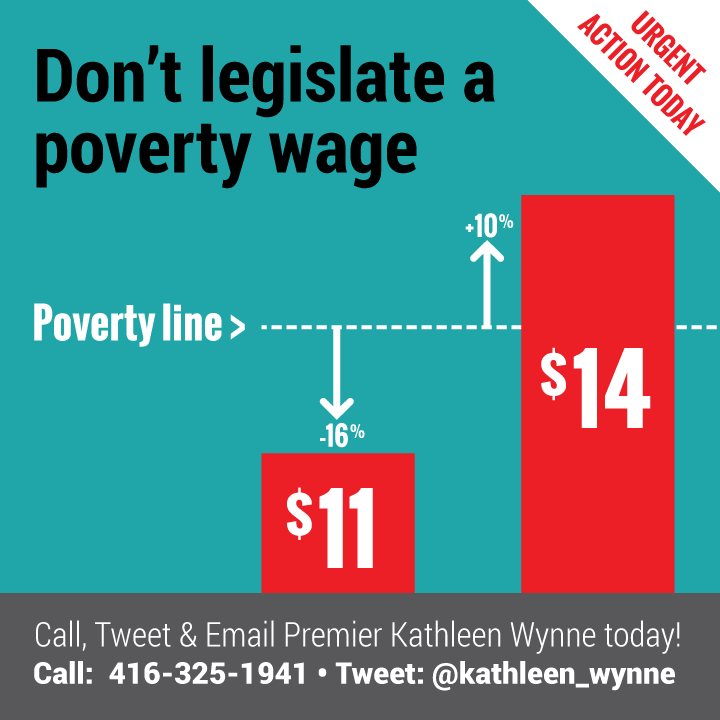
Addressing poverty wages often centers on policy discussions around the minimum wage and Universal Basic Income (UBI). Advocates for a higher minimum wage argue that it is a direct and effective way to lift millions out of poverty, increase consumer spending, and reduce income inequality without significant job losses. Critics, however, express concerns about potential inflation and job cuts, particularly for small businesses.
Universal Basic Income (UBI) is another proposed solution, offering a regular, unconditional cash payment to all citizens, regardless of their income or employment status. Proponents argue UBI could provide a stable floor beneath which no one can fall, reduce administrative burdens of welfare programs, and provide individuals with the flexibility to pursue education, entrepreneurship, or caregiving. Opponents raise concerns about the cost, potential disincentives to work, and inflationary effects. Both approaches represent significant shifts in economic policy, reflecting a growing recognition that existing systems are failing to provide economic security for a substantial segment of the workforce. The ongoing dialogue around these and other policies underscores the complexity of tackling poverty wages and fostering an economy where work truly pays a living wage.
aViewFromTheCave is a participant in the Amazon Services LLC Associates Program, an affiliate advertising program designed to provide a means for sites to earn advertising fees by advertising and linking to Amazon.com. Amazon, the Amazon logo, AmazonSupply, and the AmazonSupply logo are trademarks of Amazon.com, Inc. or its affiliates. As an Amazon Associate we earn affiliate commissions from qualifying purchases.