
Portion control, often discussed in the context of health and nutrition, holds a powerful, yet frequently overlooked, dimension when viewed through a financial lens. Far from being merely a dietary adjustment, understanding and implementing portion control can serve as a cornerstone of astute financial management, particularly in the realm of household expenditures, grocery budgeting, and long-term financial well-being. At its core, portion control is the practice of managing the quantity of food consumed, but its ripple effects extend directly into one’s personal finance, influencing everything from daily spending habits to significant savings over time.

In a world where food waste is rampant and grocery bills continue to climb, portion control emerges as a strategic tool for optimizing resources. It’s about more than just eating less; it’s about eating smart—which inherently means spending smart. By consciously managing how much we buy, prepare, and consume, individuals and families can unlock substantial financial efficiencies, reduce unnecessary expenses, and reallocate funds towards other financial goals. This article will delve into portion control not as a diet fad, but as a robust financial strategy, exploring its multifaceted impact on budgeting, waste reduction, and the cultivation of sustainable financial habits.
The Financial Foundations of Portion Control
Viewing portion control through a financial lens reveals its fundamental role in resource allocation and expenditure management. Every morsel of food represents a monetary investment, from its purchase price to the energy expended in its preparation. When portions are uncontrolled, this investment often translates into waste—food uneaten, spoiled, or discarded—which is, in essence, money thrown away.
The average household in many developed nations wastes a significant percentage of purchased food, directly contributing to inflated grocery budgets. Portion control directly counteracts this by promoting mindful consumption and precise planning. By understanding and adhering to appropriate portion sizes, individuals are less likely to overbuy ingredients, prepare excessive amounts, or leave food to spoil. This deliberate approach fosters an environment of financial prudence, transforming the act of eating from a potential source of unchecked spending into an opportunity for economic efficiency.
Furthermore, the initial investment in understanding portion control—whether through research, measuring tools, or meal planning—yields dividends by curbing impulse purchases and reducing the frequency of dining out. When one is consistently satisfied with home-prepared, appropriately sized meals, the allure of expensive restaurant meals or convenience foods diminishes. This shift in behavior directly impacts discretionary spending, freeing up capital that can then be directed towards savings, investments, or debt reduction, thereby laying a stronger foundation for overall financial health.
Portion Control as a Budgeting Tool for Groceries
The most immediate and tangible financial benefit of portion control manifests in grocery budgeting. For many households, food is one of the largest variable expenses, and its volatility can significantly impact monthly financial plans. Portion control offers a systematic method to stabilize and reduce this cost.
Reducing Food Waste for Greater Savings
A primary driver of high grocery bills is food waste. Overbuying, cooking too much, or allowing food to expire before consumption are common culprits. By practicing portion control, consumers become more attuned to their actual consumption needs. This translates into more accurate shopping lists, fewer superfluous purchases, and a more efficient use of every ingredient bought. Imagine consistently finishing every meal prepared and using every ingredient purchased; the cumulative savings over months and years can be substantial. This strategy moves beyond simply looking for discounts and focuses on maximizing the value of every dollar already spent at the grocery store.
Strategic Shopping and Inventory Management
Effective portion control encourages strategic shopping. Instead of loading up on bulk items indiscriminately, individuals learn to assess whether bulk purchases genuinely offer cost savings after accounting for potential waste. If a large bag of produce spoils before it can be consumed within appropriate portion sizes, the per-unit cost effectively increases, negating any perceived bulk discount.
Portion control also fosters better home inventory management. By tracking what’s consumed and understanding appropriate quantities, households can maintain a leaner pantry and refrigerator, reducing the likelihood of forgotten or expired items. This systematic approach ensures that food purchases are aligned with actual consumption patterns, turning the kitchen into a more financially efficient domain.
Impact on Meal Prep and Home Cooking Costs

When meals are planned with portion control in mind, the process of meal preparation becomes inherently more cost-effective. Batch cooking, a popular money-saving technique, is optimized through portioning. Preparing larger quantities of a dish and then dividing it into individual, controlled portions for future meals prevents overconsumption in a single sitting and ensures that leftovers are consumed before they spoil. This not only saves money on buying subsequent meals but also reduces the time and energy spent cooking daily. The financial advantage of home cooking over dining out is amplified when portion control prevents waste from oversized homemade meals.
Long-Term Financial Health: The Indirect Savings of Portion Control
While the immediate impact on grocery bills is clear, the long-term financial benefits of portion control extend far beyond the supermarket checkout. These indirect savings can significantly bolster an individual’s financial stability and resilience.
Mitigating Health-Related Financial Burdens
Though not directly a financial concept, portion control is undeniably linked to healthier eating habits. Healthier eating, in turn, can lead to reduced risks of diet-related chronic illnesses. The financial implications of chronic disease—from recurring medical appointments and prescription costs to potential loss of income due to illness—can be staggering. By proactively managing food intake through portion control, individuals invest in their long-term health, which is a powerful form of preventative financial planning. Avoiding or delaying the onset of such conditions can save tens of thousands, if not hundreds of thousands, of dollars in medical expenses over a lifetime. This aspect positions portion control as a critical component of a holistic financial wellness strategy.
Avoiding Costly Dietary Fads and Supplements
The wellness industry is replete with expensive diet plans, specialty foods, and supplements often marketed as quick fixes for health concerns. Many of these solutions are unnecessary or unsustainable. Portion control, being a fundamental and scientifically sound approach to managing intake, empowers individuals to achieve health goals without resorting to costly, often ineffective, commercial products. By focusing on smart eating habits with existing, affordable foods, one can avoid the financial drain of continually chasing the next trendy, expensive dietary solution, thereby preserving capital for more productive financial endeavors.
Financial Tools and Strategies for Effective Portion Management
Implementing portion control as a financial strategy doesn’t require complex financial instruments, but certain tools and techniques can enhance its effectiveness. Integrating portion control with existing financial planning habits can maximize its impact.
Budgeting Apps and Food Expense Tracking
Modern budgeting applications and personal finance software often include categories for food expenses. By meticulously tracking these expenditures, individuals can gain a clearer understanding of where their money is going and identify areas for improvement through portion control. Some apps even allow for detailed categorization, helping users differentiate between groceries, dining out, and specialty items. Analyzing this data can reveal patterns of overspending related to uncontrolled portions and inform adjustments to shopping and eating habits.
Meal Planning Software and Recipe Costing
Digital meal planning tools can be invaluable for portion control from a financial perspective. Many of these platforms allow users to input recipes, adjust serving sizes, and even generate grocery lists based on the required ingredients for appropriately portioned meals. Some advanced tools can even estimate the cost per serving for different recipes, enabling users to choose cost-effective meals that also adhere to their desired portion sizes. This integration of planning and costing ensures that financial considerations are baked into the meal preparation process from the outset.
Smart Kitchen Gadgets with a Financial Payoff
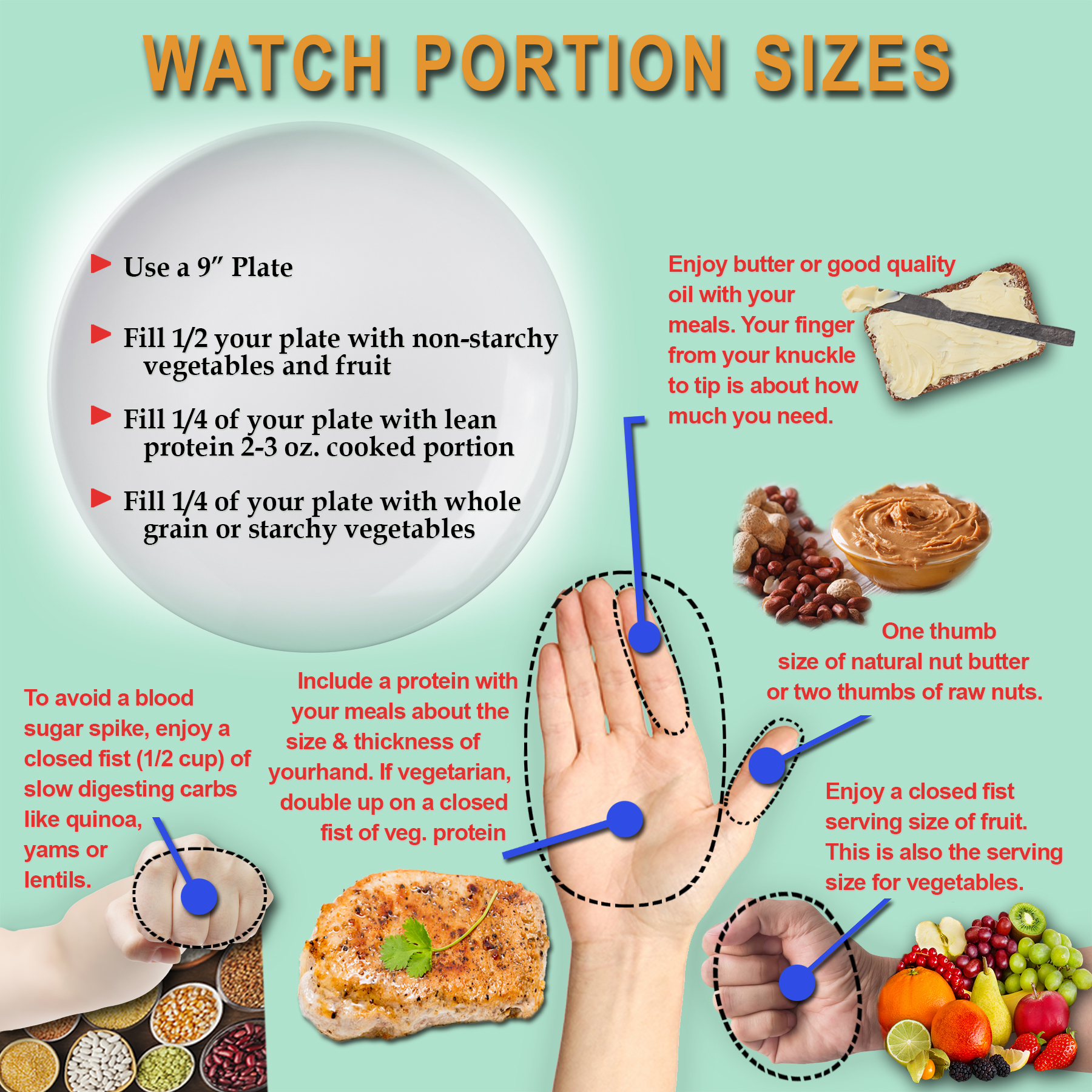
While not strictly financial tools, certain kitchen gadgets can indirectly support portion control and, consequently, financial savings. Digital kitchen scales, for instance, allow for precise measurement of ingredients, ensuring that recipes are followed accurately and preventing the wasteful use of excess ingredients. Food storage containers designed for specific portion sizes can also aid in meal prepping and preventing spoilage, thereby extending the life of prepared foods and reducing the need for costly last-minute food purchases. Investing in these tools can be seen as a capital expenditure that yields long-term operational savings in the kitchen.
In conclusion, “what is portion control?” transcends a simple dietary question. It is a fundamental principle that, when applied with financial intentionality, becomes a potent strategy for managing personal finances. By fostering mindful consumption, reducing waste, optimizing grocery spending, and mitigating long-term health-related financial burdens, portion control stands as an indispensable tool for anyone seeking to build a more robust and resilient financial future. It’s about empowering individuals to take control not just of their plates, but of their purses and wallets as well.
aViewFromTheCave is a participant in the Amazon Services LLC Associates Program, an affiliate advertising program designed to provide a means for sites to earn advertising fees by advertising and linking to Amazon.com. Amazon, the Amazon logo, AmazonSupply, and the AmazonSupply logo are trademarks of Amazon.com, Inc. or its affiliates. As an Amazon Associate we earn affiliate commissions from qualifying purchases.