
Phylum Rotifera, commonly known as “wheel animals,” constitutes a diverse group of microscopic invertebrates predominantly found in freshwater environments globally. Ranging typically from 50 to 2,000 micrometers in length, these fascinating organisms play a crucial role in aquatic ecosystems, serving as a vital link in the food chain by consuming bacteria, detritus, and small algae, and in turn, becoming food for larger invertebrates and fish larvae. Their defining characteristic is the corona, a ciliated structure on their anterior end that, when beating, creates the illusion of rotating wheels, hence their common name. The intricate morphology, unique reproductive strategies, and ecological significance of rotifers have made them a subject of intense scientific scrutiny, a pursuit increasingly reliant on advanced technological tools for their discovery, analysis, and application. Understanding “what is Phylum Rotifera” in the modern era is fundamentally intertwined with the technological lens through which we explore their hidden world.
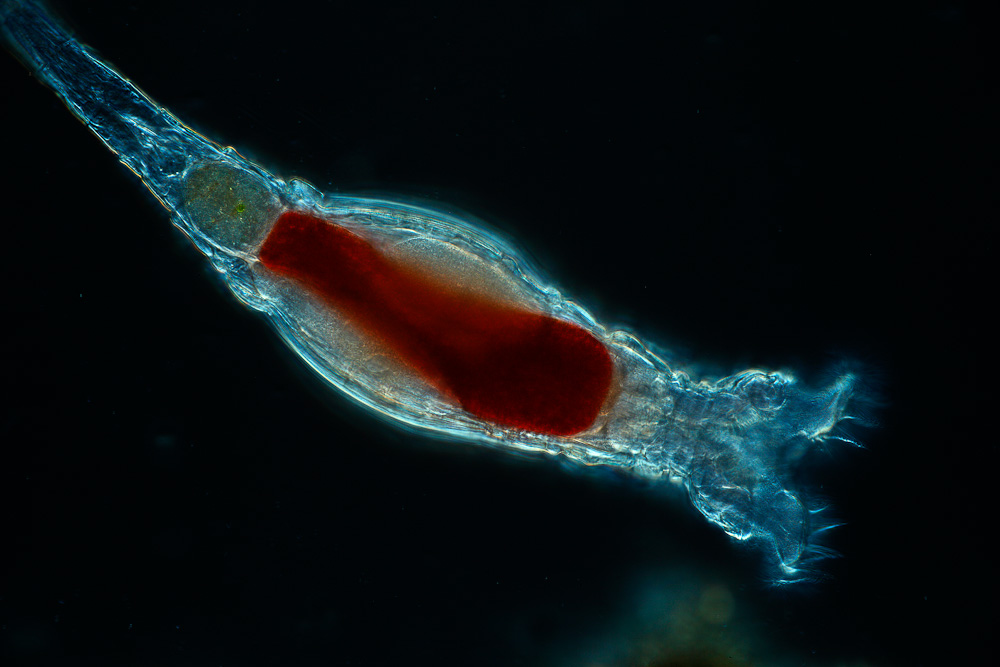
Unveiling the Microscopic World: Technology’s Lens on Rotifera
The very existence and intricate details of rotifers were first brought to light through technological innovation—the invention of the microscope. Antonie van Leeuwenhoek, in the 17th century, marveled at these “animalcules” through his simple yet powerful lenses. Fast forward to the present, and the study of Rotifera has been utterly transformed by digital microscopy and advanced imaging techniques, moving beyond mere observation to precise quantification and detailed three-dimensional reconstruction.
Modern digital microscopes, equipped with high-resolution cameras and sophisticated optics, allow researchers to capture live images and video of rotifers in unprecedented detail. This technology reveals the complex ciliary movements of the corona, the rhythmic contractions of the mastax (a unique pharyngeal grinding apparatus), and the intricate internal organ systems, all critical for understanding their physiology and behavior. Fluorescence microscopy, utilizing specific dyes that bind to cellular structures or genetic markers, offers insights into metabolic processes, cellular anatomy, and even parasitic interactions within the rotifer’s body. These advancements have not only enhanced our visual understanding but also enabled quantitative analysis of their feeding rates, reproductive cycles, and responses to environmental stimuli.
The Digital Evolution of Microscopy in Rotifer Study
The journey from simple light microscopy to sophisticated digital imaging has been pivotal in deepening our understanding of rotifer biology. Confocal laser scanning microscopy (CLSM) has revolutionized the study of rotifer internal structures by generating high-resolution, three-dimensional images without sectioning the specimen. This allows scientists to visualize the precise arrangement of nerves, muscles, and glands, providing critical anatomical data that defines species and informs phylogenetic relationships.
Beyond optical methods, electron microscopy offers ultrastructural details. Scanning Electron Microscopy (SEM) provides stunning three-dimensional images of the rotifer’s external features, revealing the fine sculpturing of the integument, the arrangement of cilia on the corona, and the morphology of their complex jaws. Transmission Electron Microscopy (TEM), conversely, offers insights into the internal cellular architecture, detailing organelles and tissue organization at nanometer scales. Complementing these imaging techniques are powerful image analysis software packages. These tools enable automated counting of individuals, precise measurements of body size and shape, tracking of locomotion patterns, and quantification of feeding rates, transforming qualitative observations into robust, quantitative data sets essential for ecological and physiological studies. The convergence of hardware and software in microscopy allows for a dynamic and data-rich exploration of “what is Phylum Rotifera” at multiple scales.
Genetic Sequencing and Bioinformatics: Decoding Rotifer Diversity
While microscopy illuminates the visible aspects of rotifers, technology at the molecular level has been instrumental in deciphering their genetic makeup, evolutionary history, and hidden diversity. Traditional morphological classification, though foundational, often struggles with cryptic species—species that appear identical morphologically but are genetically distinct. Genetic sequencing technologies have overcome this limitation, providing an unequivocal means to differentiate and classify rotifers.
DNA barcoding, particularly using mitochondrial genes like cytochrome c oxidase subunit I (COI), has become a standard tool for rapid and accurate species identification. Next-generation sequencing (NGS) technologies have further expanded this capability, allowing for phylogenomic studies that analyze hundreds or thousands of genes across multiple species, constructing highly resolved evolutionary trees that redefine our understanding of rotifer relationships. Whole-genome sequencing efforts, such as those applied to model species like Brachionus plicatilis, provide a comprehensive blueprint of their genetic material, revealing genes responsible for adaptation to various environments, unique reproductive strategies (like obligate parthenogenesis in some groups), and mechanisms of cryptobiosis (a state of suspended animation). Bioinformatics tools are then indispensable for processing and interpreting these vast datasets, aligning sequences, identifying conserved regions, and inferring evolutionary patterns.
AI and Machine Learning in Rotifer Identification and Behavior Analysis

The explosion of molecular and imaging data has ushered in an era where artificial intelligence (AI) and machine learning (ML) are becoming indispensable tools for rotifer research. AI algorithms, trained on extensive image libraries of known rotifer species, can now automatically identify and classify rotifers from environmental samples with remarkable speed and accuracy, surpassing human capabilities for high-throughput analysis. This is particularly valuable in ecological monitoring and biodiversity assessments, where rapidly processing large sample volumes is crucial.
Furthermore, machine learning models are being developed to analyze complex rotifer behaviors captured through high-speed video. By tracking individual rotifers, these algorithms can quantify swimming speeds, turning angles, feeding rates, and even social interactions. This allows researchers to uncover subtle behavioral shifts in response to environmental stressors, toxins, or changes in food availability, providing highly granular data that was previously impossible to obtain manually. For instance, ML can identify specific patterns in the mastax movements associated with different food sources or differentiate between healthy and stressed individuals based on swimming trajectories. The integration of AI and ML transforms raw observational and genetic data into actionable insights, profoundly impacting our definition of “what is Phylum Rotifera” not just morphologically and genetically, but also behaviorally and ecologically.
Rotifera as Bio-indicators: Environmental Tech Applications
Beyond their intrinsic biological interest, rotifers serve as critical bio-indicators of water quality, making them invaluable in environmental monitoring—a field increasingly reliant on sophisticated technological solutions. Their short life cycles, high reproductive rates, and diverse responses to environmental stressors mean that changes in rotifer community composition can quickly signal alterations in aquatic ecosystem health. Different species exhibit varying tolerances to pollution, nutrient loading (eutrophication), and pH shifts, making them living barometers of their environment.
Modern environmental monitoring programs integrate automated systems to detect and quantify rotifers in real-time. Automated plankton counters, often employing flow cytometry or image recognition algorithms, can process water samples to identify and enumerate rotifer populations. These systems provide continuous data streams, offering immediate alerts to potential ecological disturbances. Furthermore, sensor technologies embedded in rivers, lakes, and treatment plants constantly measure parameters like pH, dissolved oxygen, temperature, and conductivity. When combined with automated rotifer monitoring, these integrated systems provide a comprehensive, real-time picture of water quality. This networked approach is a cornerstone of “smart water” initiatives, where IoT (Internet of Things) devices communicate data to central platforms for analysis and management.
Sensor Technologies and Automated Monitoring Systems
The utility of rotifers as bio-indicators is amplified by the deployment of advanced sensor technologies and fully automated monitoring systems. Specialized biosensors can detect specific pollutants in water, and when combined with data on rotifer populations, can provide a more nuanced understanding of their impact. For example, changes in the abundance of stress-tolerant rotifer species alongside high nitrate levels detected by chemical sensors would strongly indicate eutrophication.
Automated microscopy platforms, often coupled with AI for identification, are deployed in fixed stations within water bodies. These systems can take periodic samples, analyze them for rotifer presence and abundance, and transmit the data wirelessly to researchers. This reduces the need for frequent manual sampling and provides continuous, high-resolution temporal data. Additionally, remote sensing technologies, including satellite imagery and drone-mounted cameras, are used to monitor larger aquatic ecosystems, assessing habitat changes, algal blooms, and other factors that influence rotifer communities. By integrating these diverse technological inputs, environmental scientists can develop predictive models of ecosystem health, enabling proactive management strategies. Thus, understanding “what is Phylum Rotifera” extends to their practical utility as biological tools within a technologically advanced framework for ecological surveillance.

Future Frontiers: Micro-Robotics and Biomimicry Inspired by Rotifera
The unique biological mechanisms and adaptations of rotifers offer fertile ground for biomimicry, inspiring new frontiers in micro-robotics and micro-scale engineering. The elegant efficiency with which rotifers move, feed, and survive extreme conditions presents compelling models for technological innovation.
Consider the rotifer’s corona, an array of cilia that beat rhythmically to create water currents for both locomotion and feeding. This natural micro-pump or motor is incredibly efficient and precise. Engineers are exploring micro-electromechanical systems (MEMS) that mimic ciliary propulsion, potentially leading to the development of highly maneuverable micro-robots for targeted drug delivery within the human body, micro-fluidic devices for lab-on-a-chip applications, or even miniature underwater inspection vehicles. The mastax, a complex and durable grinding apparatus, could inspire novel micro-scale manipulators or processing units for tiny quantities of materials.
Furthermore, the remarkable ability of some rotifer species to enter anhydrobiosis—a state of suspended animation, desiccating completely and surviving for years in extreme conditions—holds profound implications for preservation technologies. Understanding the molecular mechanisms behind this extraordinary resilience could inform the development of robust methods for storing biological samples, pharmaceuticals, or even sensitive electronic components, extending their shelf life and durability without the need for refrigeration. The insights gained from dissecting “what is Phylum Rotifera” at a fundamental biological level are not just academic; they are becoming catalysts for groundbreaking technological advancements, pushing the boundaries of what is possible in miniaturized systems and extreme-condition survival.
aViewFromTheCave is a participant in the Amazon Services LLC Associates Program, an affiliate advertising program designed to provide a means for sites to earn advertising fees by advertising and linking to Amazon.com. Amazon, the Amazon logo, AmazonSupply, and the AmazonSupply logo are trademarks of Amazon.com, Inc. or its affiliates. As an Amazon Associate we earn affiliate commissions from qualifying purchases.