
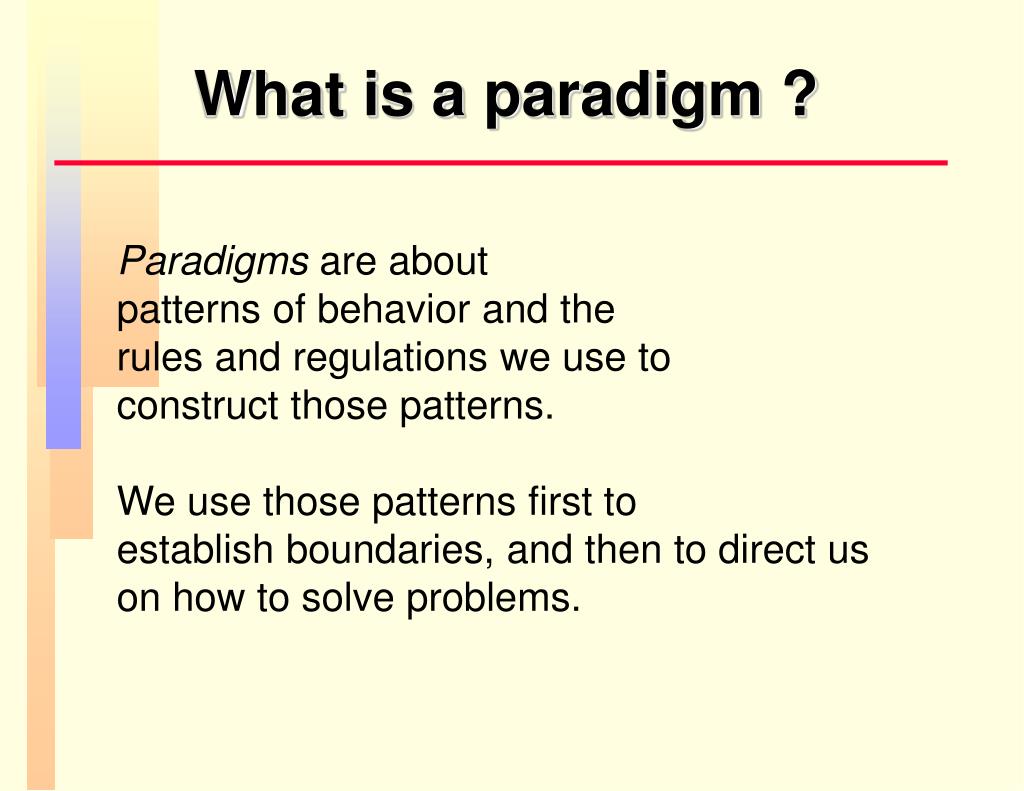
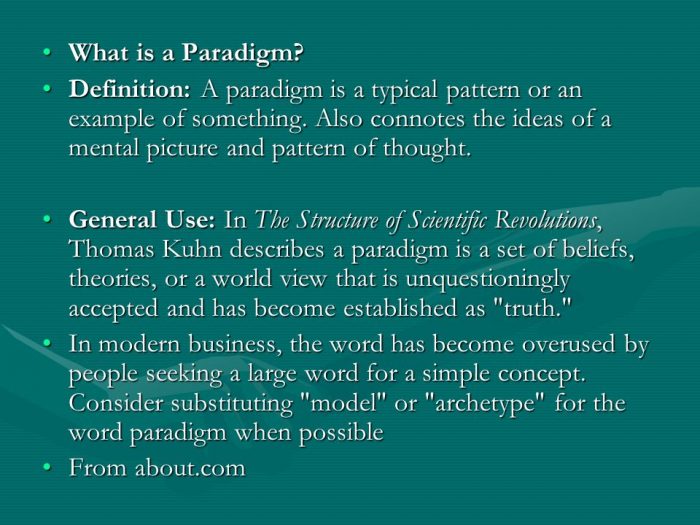
In the dynamic world of brand strategy, marketing, and corporate identity, the term “paradigm” often emerges as a critical, albeit sometimes abstract, concept. Far from being mere academic jargon, understanding what a paradigm is—and how it operates—is fundamental for any brand aiming for sustained relevance and groundbreaking innovation. At its core, a paradigm represents a foundational framework: a set of shared beliefs, assumptions, values, and practices that collectively define how a community, industry, or even an entire society perceives reality, approaches problems, and measures success. Within branding, these frameworks dictate everything from how we understand consumer behavior and market structures to the very tools and methodologies deemed effective for building and sustaining brand equity.
Defining the Paradigm in Brand Strategy
A paradigm in the branding context is the prevailing model or lens through which brand professionals, consumers, and the market itself interpret the world of brands. It’s the “common sense” or accepted wisdom of a particular era or industry segment. Consider, for example, the shift from traditional mass advertising, where brands spoke at consumers through one-way channels, to the current paradigm of personalized digital engagement, where brands seek to build relationships and dialogue with consumers. This isn’t just a change in tactics; it represents a fundamental shift in understanding the brand-consumer dynamic, the role of messaging, and the sources of trust and loyalty.
The Unspoken Rules of Brand Building
Paradigms often operate unconsciously. They establish the “rules of the game” without explicitly stating them. For instance, a long-standing paradigm in retail might have been that physical store presence was paramount for brand legitimacy and customer access. This informed decisions about real estate, supply chain, and local marketing. When e-commerce emerged, it initially seemed like an outlier but eventually initiated a paradigm shift, challenging the necessity of physical space and giving rise to direct-to-consumer (DTC) brands that thrived without a traditional retail footprint. The paradigm dictated what was considered “normal” or “best practice,” and challenging it often required visionary leadership and a willingness to operate outside conventional wisdom.
How Paradigms Shape Brand Perception
Beyond internal strategy, paradigms also influence how consumers perceive brands. In an era dominated by sustainability concerns, a new paradigm suggests that brands must demonstrate environmental responsibility and ethical practices to earn trust. Brands that fail to acknowledge this evolving paradigm risk being seen as outdated or even irresponsible, regardless of their product quality or marketing spend. Conversely, brands that successfully align with or even help shape new paradigms can gain a significant competitive edge, establishing themselves as leaders and innovators in the minds of their target audience.
The Unseen Influence: How Paradigms Dictate Brand Approaches
The pervasive nature of paradigms means they subtly, yet profoundly, influence every facet of brand development and execution. From initial market research to final product launch and ongoing brand management, the prevailing paradigms guide decision-making, often without explicit recognition.
Guiding Market Research and Consumer Insights
The questions we ask in market research, the data points we prioritize, and even the methodologies we employ are all shaped by existing paradigms about consumer behavior. If the dominant paradigm posits that consumers are primarily rational decision-makers driven by price and utility, research will focus heavily on comparative pricing and feature analysis. However, if a paradigm shift emphasizes emotional connection, tribal belonging, or social impact, research methods will evolve to uncover these deeper psychological drivers, leading to entirely different strategic insights and brand positioning. The rise of ethnographic research and neuromarketing, for example, signals a move beyond purely rational-economic models of consumer behavior.
Informing Product Development and Innovation
For product-based brands, paradigms dictate what constitutes a “good” product, what features are essential, and even the desired user experience. The paradigm of rapid iteration and agile development, born largely from the tech industry, has now permeated many other sectors, replacing older, more rigid waterfall development models. Similarly, the paradigm of user-centric design now demands that products are intuitively designed around human needs and pain points, a stark contrast to older paradigms where engineering or manufacturing capabilities often dictated product form and function. Brands that embrace these new paradigms tend to create products that resonate more deeply with modern consumers.
Shaping Marketing Communications and Brand Storytelling
The way brands communicate their value and tell their stories is perhaps one of the most visible areas influenced by paradigms. The “attention economy” paradigm, for instance, has driven brands to create highly shareable, snackable content optimized for digital platforms, a significant departure from the long-form narrative advertisements of previous generations. The shift from a product-centric communication paradigm to a purpose-driven one means that brands are increasingly expected to articulate their “why” – their broader impact and values – rather than merely listing features and benefits. This is a profound change that requires brands to rethink their entire narrative architecture, moving beyond transactional messaging to building meaningful connections based on shared values.

Identifying and Challenging Dominant Brand Paradigms
For brands to remain competitive and foster genuine innovation, it is not enough to merely operate within existing paradigms. True growth often stems from the ability to identify, question, and ultimately challenge the dominant frameworks that govern an industry.
Recognizing the Status Quo
The first step in challenging a paradigm is to recognize its existence. This requires critical self-reflection and an objective assessment of industry norms. What are the unchallenged assumptions in your sector? What are the “unwritten rules” that everyone follows? For example, in the luxury market, a long-standing paradigm was that exclusivity and scarcity were paramount. Yet, brands like Tesla challenged this by offering a premium, high-tech product with direct-to-consumer sales and a strong community focus, re-imagining what “luxury” could mean in the automotive space. This involved recognizing the old paradigm (legacy automakers, dealerships, traditional marketing) and understanding its limitations for a new generation of consumers.
Questioning Conventional Wisdom
Once identified, paradigms must be rigorously questioned. “Why do we do things this way?” and “What if we did the opposite?” are powerful starting points. This can involve looking at outliers in the market, observing emerging consumer behaviors that don’t fit existing models, or even exploring insights from entirely different industries. The fast-fashion industry, for instance, challenged the traditional seasonal collection paradigm by introducing continuous new drops, fundamentally altering consumer expectations for clothing availability and trend cycles.
Embracing Disruptive Thinking
Challenging paradigms inherently involves disruptive thinking. It’s about envisioning new possibilities that break free from established constraints. This might mean rethinking distribution channels, reimagining product-service ecosystems, or redefining the brand-consumer relationship. Consider how Netflix challenged the paradigm of scheduled linear television and physical media rental, not just by delivering content differently, but by fundamentally changing expectations around access, personalization, and choice. Their success wasn’t just technological; it was a profound shift in the entertainment consumption paradigm.
The Power of Paradigm Shifts in Branding
When a new paradigm takes hold, it doesn’t just represent an incremental improvement; it signifies a fundamental transformation in how an industry operates, how brands engage, and how value is created and perceived. These shifts are often driven by technological advancements, societal changes, or evolving consumer values.
Creating New Market Categories
Some of the most impactful paradigm shifts have led to the creation of entirely new market categories. Apple’s iPhone, for instance, didn’t just improve existing phones; it established a new paradigm for mobile computing, integrating communication, entertainment, and productivity into a single, intuitive device. This created the smartphone category, rendering previous mobile phone paradigms obsolete. Brands that initiate such shifts are often rewarded with first-mover advantage and the ability to define the terms of engagement for the entire new category.
Redefining Brand-Consumer Relationships
Paradigm shifts can also dramatically alter the nature of the brand-consumer relationship. The rise of social media marketing shifted the paradigm from broadcast advertising to interactive dialogue, giving consumers a voice and brands an unprecedented opportunity for direct engagement. This demanded a new level of transparency, authenticity, and responsiveness from brands, forever changing the expectations consumers have for their favorite companies. Brands that adapted quickly built robust online communities and fostered deeper loyalty, while those clinging to older paradigms struggled to connect.
Inspiring Innovation and Growth
Ultimately, understanding and leveraging paradigm shifts is a potent catalyst for innovation and growth. Brands that are attuned to the early signals of a changing paradigm can proactively adapt their strategies, develop new products and services, and redefine their market position. This proactive approach allows them to lead the change rather than merely react to it, ensuring long-term resilience and fostering a culture of continuous evolution. By consistently asking “What’s next?” and “How might things be fundamentally different?”, brands can avoid stagnation and instead position themselves at the forefront of the next wave of industry transformation.
In conclusion, a paradigm in branding is more than an abstract concept; it’s the invisible architect of market realities. Recognizing its influence, daring to challenge its assumptions, and actively shaping new frameworks are indispensable practices for any brand seeking to thrive in an ever-evolving commercial landscape.
aViewFromTheCave is a participant in the Amazon Services LLC Associates Program, an affiliate advertising program designed to provide a means for sites to earn advertising fees by advertising and linking to Amazon.com. Amazon, the Amazon logo, AmazonSupply, and the AmazonSupply logo are trademarks of Amazon.com, Inc. or its affiliates. As an Amazon Associate we earn affiliate commissions from qualifying purchases.