
The potential therapeutic use of MDMA for Post-Traumatic Stress Disorder (PTSD) represents a groundbreaking shift in mental healthcare, not only from a clinical perspective but also concerning its profound financial and economic implications. As clinical trials advance and regulatory approvals draw closer, understanding the monetary facets—from the economic burden of PTSD itself to investment opportunities, business models for emerging clinics, and the mechanisms for funding research and scaling accessibility—becomes paramount. This exploration delves into how the medicalization of MDMA translates into a significant new frontier within the financial sector, presenting both challenges and opportunities for investors, healthcare providers, and patients alike.
The Economic Burden of PTSD and the Case for Innovative Solutions
Post-Traumatic Stress Disorder is a debilitating condition that affects millions globally, imposing a staggering economic cost on individuals, healthcare systems, and national economies. Traditional treatments, while effective for some, often fall short for others, leaving a significant unmet medical need. This persistent challenge underscores the financial imperative to explore and invest in novel, potentially more efficacious, therapies like MDMA-assisted psychotherapy.
Societal Costs and Healthcare Expenditure
The economic footprint of PTSD is vast, encompassing direct medical costs, such as inpatient and outpatient care, medication, and therapy sessions, as well as indirect costs stemming from lost productivity, disability benefits, and premature mortality. Studies have consistently shown that individuals with PTSD utilize healthcare services at a much higher rate than the general population. For instance, in the United States, the annual direct healthcare costs associated with PTSD are estimated to be in the tens of billions of dollars, a figure that continues to rise. These costs are exacerbated by co-occurring conditions, which are prevalent among PTSD sufferers, including substance use disorders, depression, and anxiety, further straining healthcare budgets and insurance providers. The financial strain on public health systems necessitates a search for treatments that offer not only superior clinical outcomes but also long-term economic efficiency by reducing the overall burden of the disease.
Productivity Losses and Quality of Life
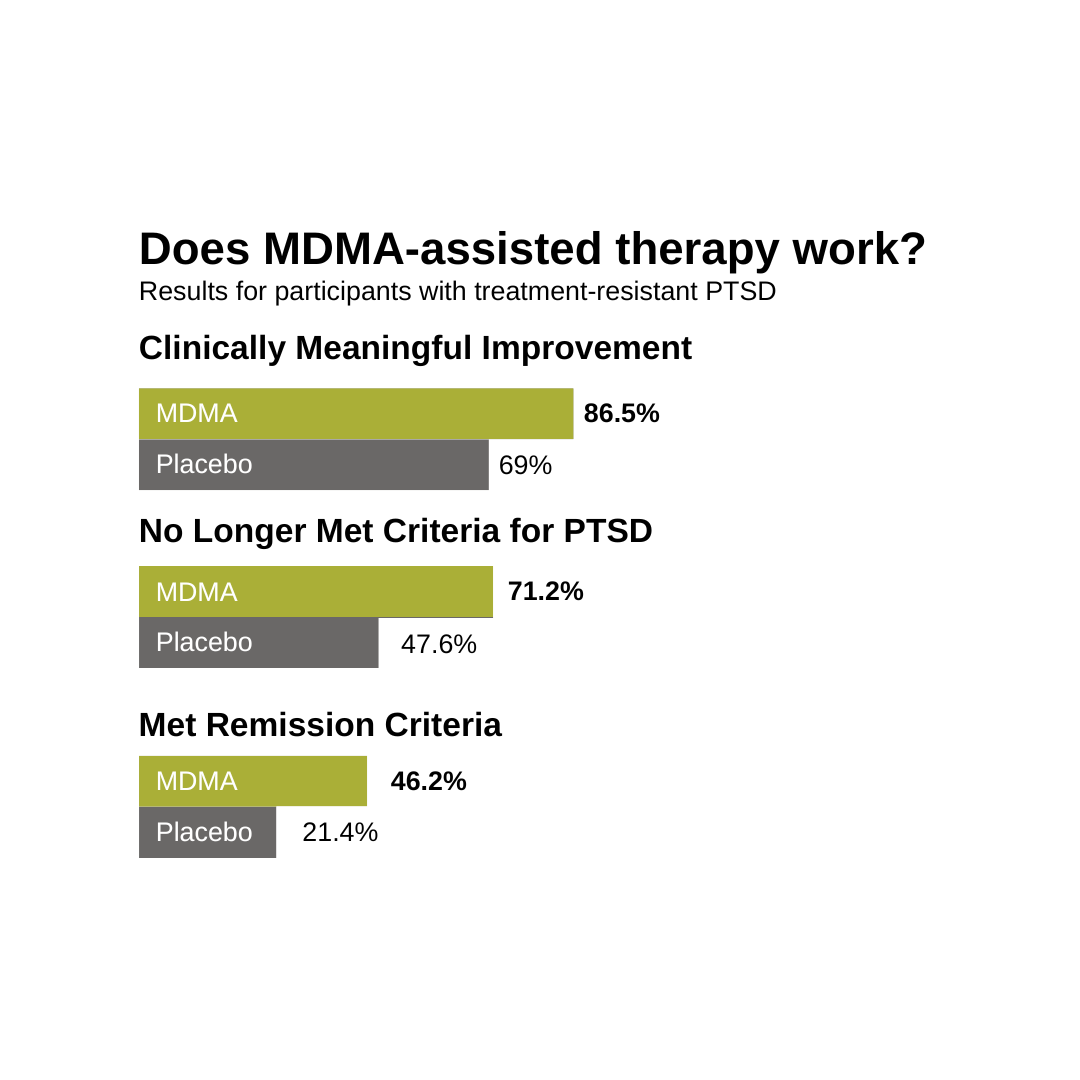
Beyond direct healthcare expenses, PTSD severely impacts an individual’s ability to participate fully in the workforce, leading to substantial productivity losses. Symptoms such as severe anxiety, flashbacks, hypervigilance, and emotional numbing can make it challenging to maintain employment, leading to unemployment, underemployment, or frequent absenteeism. The cumulative effect of these productivity losses contributes significantly to the economic burden of PTSD on a national scale. Furthermore, the diminished quality of life experienced by individuals with PTSD has immeasurable economic consequences, impacting families, communities, and overall societal well-being. Investing in effective treatments like MDMA-assisted therapy, which has shown promise in significantly reducing PTSD symptoms and improving functional outcomes, could translate into substantial economic returns through increased workforce participation, reduced disability claims, and a healthier, more productive populace.
Investment Horizons in Psychedelic-Assisted Therapies
The burgeoning field of psychedelic medicine, with MDMA for PTSD at its forefront, has attracted considerable investor interest, marking it as a potentially lucrative segment within the pharmaceutical and mental health industries. This interest is driven by the potential for high efficacy, a large unmet market need, and a relatively clear regulatory pathway emerging in several jurisdictions.
Biotech and Pharmaceutical Ventures
A growing number of biotech and pharmaceutical companies are focusing on the research, development, and eventual commercialization of psychedelic compounds, including MDMA. These ventures represent significant investment opportunities, ranging from early-stage startups conducting preclinical research to more mature companies navigating advanced clinical trials. Investors are looking for robust intellectual property portfolios, strong clinical data, experienced leadership teams, and strategic partnerships. The valuation of these companies is often tied to the progress of their clinical pipelines, particularly for compounds like MDMA that are nearing regulatory approval. Companies involved in drug synthesis, formulation, and distribution for medical use stand to capture a significant share of this evolving market.
Emerging Clinic Models and Infrastructure
Beyond drug development, there is a substantial need for the creation of specialized clinics and therapeutic infrastructure to deliver MDMA-assisted therapy. This involves investment in real estate, facility design tailored for psychedelic therapy environments, and the training and certification of therapists. Various business models are emerging, from centralized treatment centers to distributed networks, each presenting different investment profiles. Venture capital and private equity firms are keenly observing this space, recognizing the need for significant capital to build out the ecosystem required for widespread access to these therapies. Investment in technology platforms that support therapist training, patient management, and data collection also represents an adjacent opportunity.
Regulatory Pathways and Market Projections
The regulatory landscape for MDMA-assisted therapy is rapidly evolving, with organizations like the Multidisciplinary Association for Psychedelic Studies (MAPS) leading the charge towards FDA approval in the United States. A successful approval would unlock a massive market for this therapy. Market projections for psychedelic-assisted therapies indicate a multi-billion dollar industry within the next decade, contingent on regulatory approvals, insurance coverage, and public acceptance. Investors are assessing the potential market size, pricing strategies for the therapy, and the competitive landscape. The first-mover advantage for approved treatments like MDMA for PTSD will be significant, offering substantial returns for early investors in companies positioned to capitalize on this regulatory milestone.

The Business of MDMA-Assisted Therapy: Operational and Financial Realities
The commercialization of MDMA-assisted therapy presents a unique set of operational and financial realities distinct from traditional pharmaceutical models. Clinics offering this specialized treatment will need to navigate complex regulatory frameworks, high overheads due to therapist training and extended treatment protocols, and the critical issue of patient accessibility and insurance reimbursement.
Clinic Setup and Operational Costs
Establishing an MDMA-assisted therapy clinic requires substantial upfront capital investment. This includes not only the physical space, which must be designed to be calming and therapeutic, but also specialized equipment and robust security measures for controlled substances. A significant portion of the operational budget will be allocated to staffing. MDMA-assisted therapy typically involves a team of two trained therapists per patient during dosing sessions, which can last for several hours, followed by extensive integration therapy. The rigorous training and supervision required for these therapists represent a considerable ongoing cost. Furthermore, adherence to strict regulatory guidelines for handling schedule I substances will add to administrative overheads, including licensing, security protocols, and meticulous record-keeping. These high fixed and variable costs will influence the overall pricing structure for the therapy.
Pricing Strategies and Patient Accessibility
Determining the price point for MDMA-assisted therapy is a critical business decision, balancing the high operational costs with the imperative of patient accessibility. Given the intensive nature of the treatment (multiple preparation sessions, several MDMA-assisted sessions, and extensive integration sessions), the total cost per patient could be significant, potentially ranging from tens of thousands of dollars. Providers will need to develop nuanced pricing strategies, possibly including tiered options, payment plans, and partnerships with non-profits or government programs to subsidize care for underserved populations. The challenge is to make this transformative therapy available to those who need it most, without creating insurmountable financial barriers.
Insurance Coverage and Reimbursement Challenges
A major hurdle for the widespread adoption of MDMA-assisted therapy will be securing comprehensive insurance coverage and favorable reimbursement rates. Payers, including private insurance companies and government programs like Medicare and Medicaid, will require compelling evidence of both clinical efficacy and cost-effectiveness compared to existing treatments. This includes demonstrating not only superior clinical outcomes but also long-term economic benefits, such as reduced hospitalization rates, decreased reliance on other medications, and increased productivity. Advocating for CPT codes specific to psychedelic-assisted therapies and demonstrating their value proposition will be crucial for integrating these treatments into mainstream healthcare financing systems and ensuring broader patient access.
Funding Research, Development, and Scaling Accessibility
The journey from illicit substance to approved medical treatment for MDMA has been largely propelled by philanthropic and non-profit efforts. As the field matures, a hybrid funding model encompassing public grants, private investment, and continued philanthropic support will be essential to sustain research, facilitate development, and, critically, ensure equitable access.
Public and Private Funding Mechanisms
Initial research into MDMA for PTSD was often difficult to fund through traditional pharmaceutical channels due to the substance’s Schedule I classification and public stigma. Organizations like MAPS played a pivotal role, relying heavily on donations. However, with growing legitimacy, public funding bodies (e.g., NIH, VA in the US) are increasingly open to supporting research, recognizing the unmet need for effective PTSD treatments. Private investment, particularly venture capital, is now flowing into biotech companies developing MDMA and other psychedelics, driven by the potential for significant market returns. This blend of public grants for foundational research and private capital for development and commercialization forms a robust funding pipeline.
Philanthropy and Impact Investing
Philanthropic organizations and impact investors continue to play a crucial role, particularly in areas where traditional capital markets may be hesitant or where the goal extends beyond pure profit—for example, in ensuring equitable access for marginalized communities or funding research into less commercially viable indications. Donor-advised funds, family foundations, and high-net-worth individuals are investing in non-profit initiatives aimed at therapist training, advocacy for policy reform, and patient access programs. Impact investing frameworks, which seek both financial returns and positive social or environmental impact, are particularly well-suited for supporting the ethical and accessible scaling of MDMA-assisted therapy.
The Long-Term Economic Value Proposition
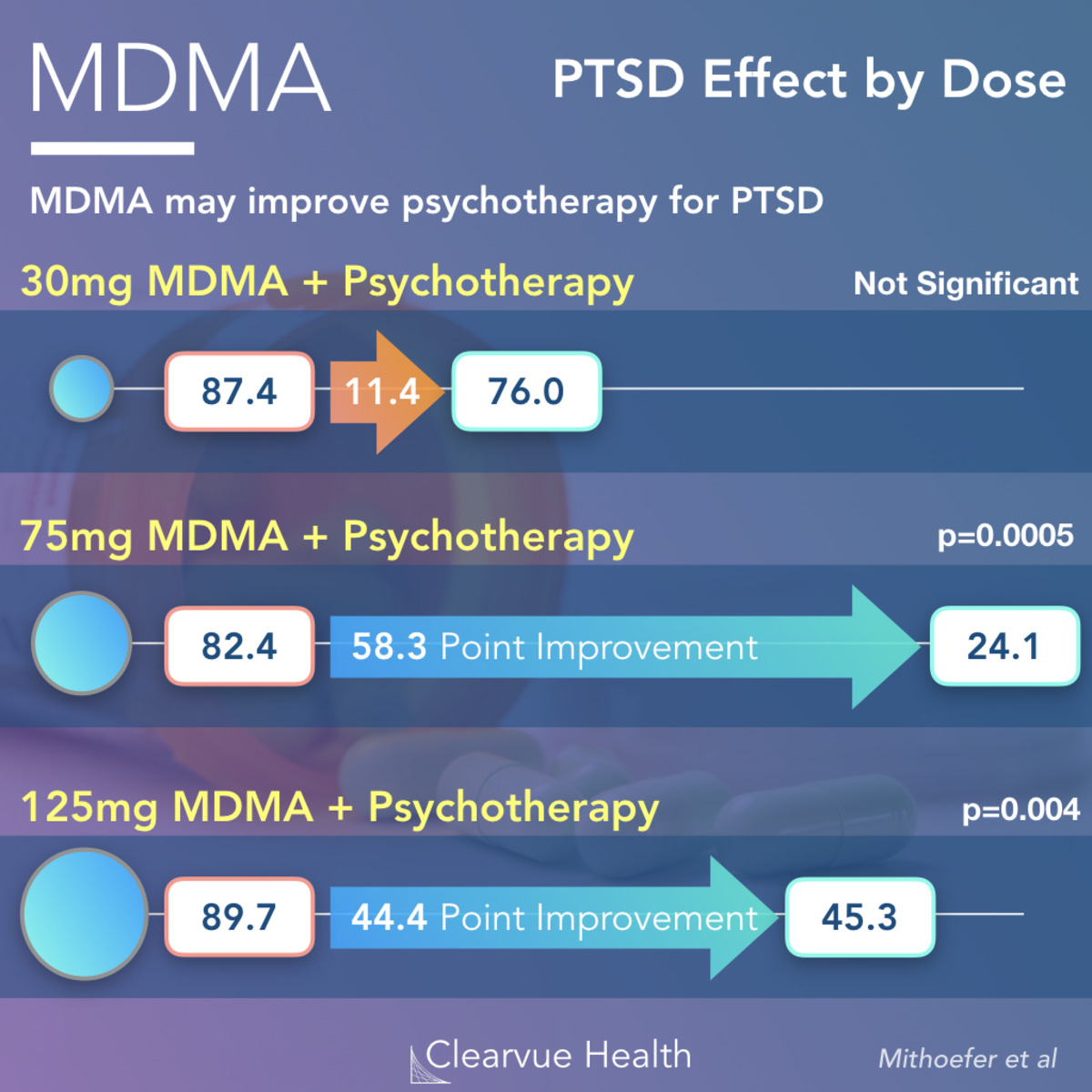
Ultimately, the long-term economic value proposition of MDMA-assisted therapy for PTSD lies in its potential to transform lives and significantly reduce the overall burden of the disorder. By providing a potentially curative or highly effective treatment option for those who have not responded to conventional therapies, MDMA-assisted therapy could lead to substantial cost savings across healthcare, social services, and productivity sectors. This includes reduced healthcare utilization, lower rates of comorbidity, decreased reliance on disability benefits, and increased economic contributions from individuals who regain their functional capacity. From a macroeconomic perspective, investing in and ensuring broad access to such transformative therapies is not merely a healthcare expenditure but a strategic investment in human capital and societal well-being, yielding significant economic dividends over time.
aViewFromTheCave is a participant in the Amazon Services LLC Associates Program, an affiliate advertising program designed to provide a means for sites to earn advertising fees by advertising and linking to Amazon.com. Amazon, the Amazon logo, AmazonSupply, and the AmazonSupply logo are trademarks of Amazon.com, Inc. or its affiliates. As an Amazon Associate we earn affiliate commissions from qualifying purchases.