
In the intricate tapestry of global cultures and enduring communities, certain foundational texts serve as the bedrock of identity, guiding principles, and collective purpose. For Judaism, a tradition spanning millennia, its holy books are not merely ancient scriptures but the living documents that articulate its unique “brand identity,” shape its narrative, and provide a comprehensive “brand manual” for its adherents. Understanding these texts through a strategic branding lens reveals how a profound and complex system of beliefs, laws, and stories has maintained remarkable consistency and adaptability over generations, fostering an unparalleled sense of belonging and continuity among its “stakeholders.” This exploration will delve into the core components of Judaism’s sacred literature, framing their function within the broader context of brand strategy and corporate identity.

The Torah: Founding Document of a Timeless Identity
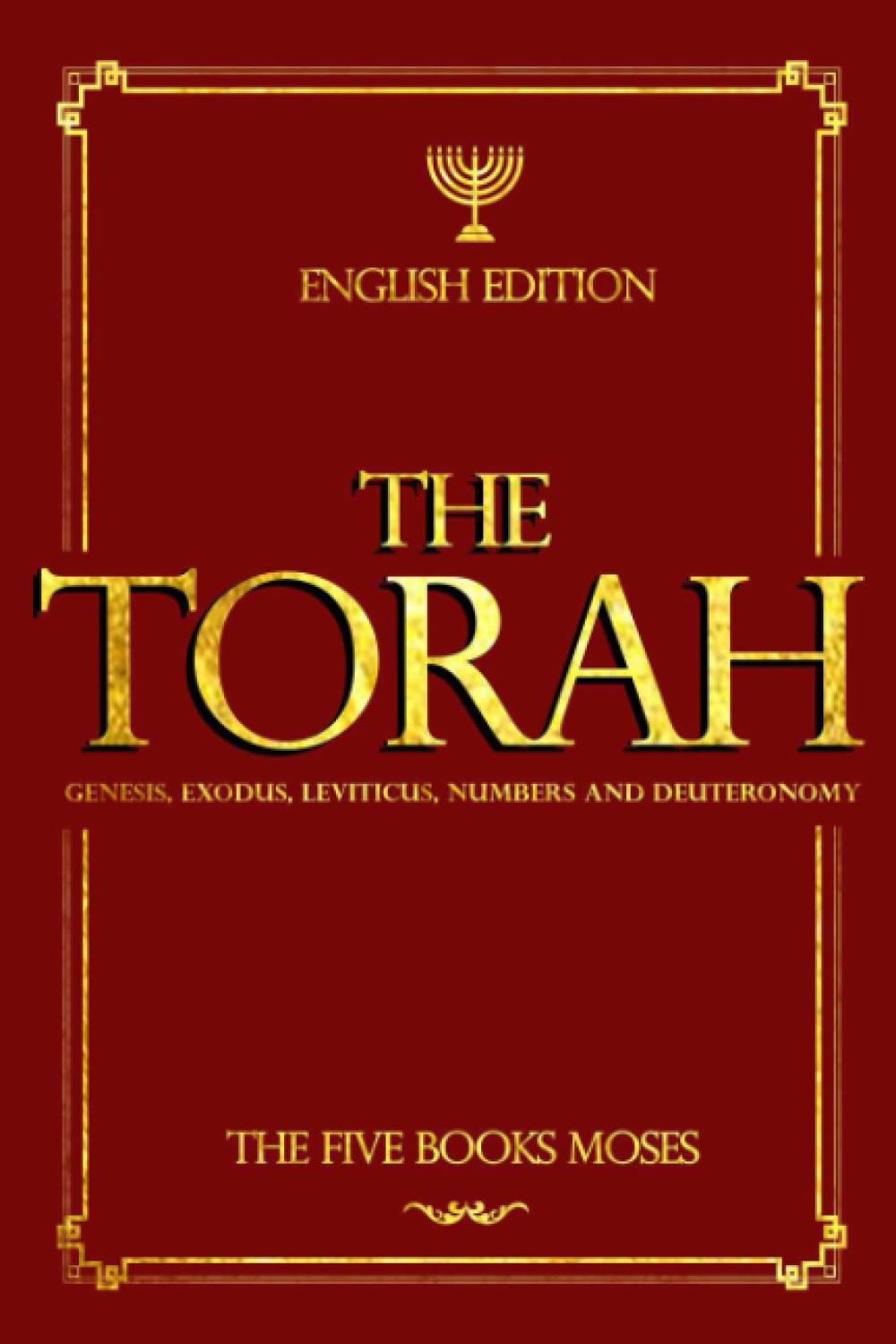
At the very heart of Judaism’s brand architecture lies the Torah, often translated as “instruction” or “teaching.” More than just a book of laws, the Torah serves as the paramount “founding document” or “constitution” for the Jewish people, establishing their core identity, historical narrative, and raison d’être. Comprising the first five books of the Hebrew Bible—Genesis, Exodus, Leviticus, Numbers, and Deuteronomy—it meticulously lays out the origins of the world, the covenant between God and Abraham, the liberation from Egyptian bondage, and the revelation of the commandments at Mount Sinai.
From a brand strategy perspective, Genesis functions as the “origin story,” defining the foundational premise of the Jewish people and their unique relationship with the divine. Exodus then details the “brand launch,” articulating the journey from servitude to nationhood, complete with key “brand milestones” like the Exodus and the giving of the Ten Commandments. These commandments themselves are the ultimate “brand guidelines,” providing a moral and ethical framework that transcends time and geography. Leviticus, Numbers, and Deuteronomy elaborate on these principles, detailing the rituals, laws, and ethical responsibilities that form the core “brand values” and operational directives for the nascent community.
The Torah’s role is not just prescriptive; it is formative. It establishes the “mission statement” of the Jewish people: to be a “light unto the nations” and a kingdom of priests, embodying divine principles in the world. This enduring narrative, recounted and reinterpreted continuously, ensures a consistent and powerful sense of identity across diverse communities and historical epochs. It is the primary reference point for all subsequent “brand communications” and developments, anchoring the collective consciousness in a shared past and a collective future. Its meticulous recitation and study are acts of constant brand reinforcement, ensuring that its core message remains vibrant and relevant.
Nevi’im and Ketuvim: Expanding the Brand Narrative and Guiding Principles
Beyond the foundational Torah, the Jewish holy books encompass two other major sections of the Tanakh (the Hebrew Bible): Nevi’im (Prophets) and Ketuvim (Writings). These sections function as extensions of the initial brand narrative, offering “case studies,” “strategic updates,” and “thought leadership” that continuously engage and challenge the community, ensuring the brand remains dynamic and responsive while upholding its core identity.
The Nevi’im, which include historical books like Joshua, Judges, Samuel, and Kings, along with the works of the major and minor prophets (Isaiah, Jeremiah, Ezekiel, etc.), provide crucial “brand performance reviews.” They chronicle the successes and failures of the Jewish people in adhering to the Torah’s guidelines, often highlighting instances of “brand deviation” and the consequences thereof. The prophets, in particular, serve as “brand strategists” and “critical communicators,” delivering divine messages that call for moral rectitude, social justice, and fidelity to the covenant. Their messages act as powerful “brand campaigns,” urging the community to return to its core values and reminding them of their unique purpose. They challenge complacency and reinforce the high standards expected of a people committed to their “brand promise.”

The Ketuvim, or Writings, are a more diverse collection, encompassing poetic books (Psalms, Proverbs, Job), historical narratives (Ruth, Esther, Chronicles), philosophical explorations (Ecclesiastes), and prophetic visions (Daniel). These texts further enrich the “brand experience” by offering a multifaceted perspective on human existence within the framework of Jewish tradition. Psalms provide a liturgy for “customer engagement,” offering expressions of praise, lament, and hope that resonate deeply with individual and communal spiritual journeys. Proverbs and Ecclesiastes offer “wisdom literature,” practical guidance for living an ethical and meaningful life, effectively serving as “best practices” manuals for personal and communal flourishing. Books like Esther and Daniel provide “historical case studies” showcasing resilience and faith in the face of adversity, reinforcing the “brand’s” capacity for endurance and triumph. Collectively, Nevi’im and Ketuvim expand the brand narrative, providing depth, context, and practical application, ensuring that the foundational identity established by the Torah remains relevant and inspiring across varied life situations.
The Oral Torah: Dynamic Adaptation and Community Engagement
A critical, yet often less understood, component of Judaism’s comprehensive “brand management system” is the Oral Torah. This vast body of rabbinic literature, primarily codified in the Mishnah and the Talmud, represents the dynamic interpretation, application, and evolution of the written Torah’s principles over centuries. The Oral Torah is Judaism’s unparalleled mechanism for “brand agility” and “stakeholder engagement.” It acknowledges that while foundational principles remain constant, their application must adapt to changing social, technological, and cultural landscapes to maintain relevance.
The Oral Torah begins with the premise that the Written Torah is concise and requires interpretation. Just as a modern corporate identity manual might provide high-level guidelines that require detailed operational procedures, the Oral Torah meticulously unpacks, discusses, and debates the nuances of biblical law and ethics. The Mishnah, compiled around 200 CE, serves as an early “standard operating procedure” manual, organizing and codifying the diverse interpretations and rulings from various sages. The Talmud, developed over several centuries, then expands on the Mishnah through extensive discussions, legal arguments, ethical considerations, and narrative illustrations.
From a branding perspective, the Oral Torah ensures continuous “market research” and “product development.” It represents an ongoing dialogue among generations of rabbinic scholars, akin to a collaborative “think tank” constantly refining and applying the brand’s message. This process allows Judaism to address new challenges and integrate new knowledge without compromising its core identity. It fosters deep “community engagement” by inviting every generation to participate in the ongoing conversation, making the tradition a living, breathing entity rather than a static relic. The very act of studying Talmud is an immersive “brand experience,” connecting individuals directly to the collective intellectual and spiritual heritage, ensuring that the brand’s principles are not just passively received but actively explored and understood. This dynamic interplay between the fixed Written Torah and the evolving Oral Torah is key to Judaism’s enduring relevance and its ability to thrive in diverse environments.
The Collective Canon: A Comprehensive Brand Manual for Enduring Legacy
When viewed in its entirety—comprising the Written Torah, Nevi’im, Ketuvim, and the vast corpus of the Oral Torah—Judaism’s holy books form an extraordinarily comprehensive “brand manual.” This manual transcends mere instruction; it is a meticulously crafted guide for living, believing, and belonging that has ensured the unparalleled continuity and resilience of the Jewish “brand” for thousands of years. This multi-layered textual system provides everything necessary for establishing, maintaining, and evolving a powerful collective identity.
The cohesion among these diverse texts is remarkable. The Torah sets the original vision and mission. Nevi’im and Ketuvim provide narrative depth, historical context, and continuous ethical guidance. The Oral Torah ensures dynamic interpretation and practical application in changing times. Together, they create a robust framework that supports “internal alignment” among adherents, fostering a shared understanding of values, history, and destiny. This consistency is not rigid uniformity, but a flexible adherence to core principles, allowing for regional variations and cultural expressions while maintaining a unified identity.
The longevity of Judaism as a distinct cultural and religious entity is, in many respects, a testament to the strategic genius embedded within its sacred texts. They have cultivated profound “brand loyalty” through compelling narratives, clear ethical guidelines, and a system that encourages continuous engagement and personal growth. The “brand promise” of covenant and continuity, reinforced through ritual, study, and community, has proven to be incredibly powerful. In an era of fleeting trends and rapidly shifting identities, Judaism’s holy books stand as a profound example of how a well-articulated and dynamically managed “brand identity” can not only survive but thrive across millennia, inspiring its community to uphold its legacy and carry forward its timeless message.
aViewFromTheCave is a participant in the Amazon Services LLC Associates Program, an affiliate advertising program designed to provide a means for sites to earn advertising fees by advertising and linking to Amazon.com. Amazon, the Amazon logo, AmazonSupply, and the AmazonSupply logo are trademarks of Amazon.com, Inc. or its affiliates. As an Amazon Associate we earn affiliate commissions from qualifying purchases.