
The simple, lowercase “i” that prefixes some of Apple’s most iconic products – iMac, iPod, iPhone, iTunes, iCloud, and of course, iOS – is a branding phenomenon. It has become instantly recognizable, a shorthand for innovation, sleek design, and a premium user experience. Yet, for many, the exact meaning behind this ubiquitous initial remains a curious enigma. Is it an acronym for something specific? A playful nod? Or a carefully crafted symbol of Apple’s overarching vision? The truth, as with many things related to Apple, is more nuanced and multifaceted than a single definition. It’s a testament to powerful brand strategy, a technological revolution, and an economic engine all rolled into one tiny letter.
Unpacking the “i”: More Than Just an Initial
To truly understand what the “i” in iOS stands for, one must trace its origins back to a pivotal moment in Apple’s history and appreciate the array of meanings it has come to embody. It’s not a rigid acronym but rather a flexible emblem that speaks to core tenets of Apple’s philosophy.
The Birth of the “i”: From iMac to iPhone
The “i” first graced an Apple product with the introduction of the original iMac in 1998. At a time when personal computers were often seen as beige, complicated boxes, the iMac emerged as a vibrant, translucent, and incredibly user-friendly machine. Its primary selling point, beyond its aesthetics, was its seamless integration with the internet. Steve Jobs himself, during the iMac’s unveiling, explained that the “i” primarily stood for “internet.” He highlighted how connecting to the web was an immediate and effortless process on the iMac, a stark contrast to the often cumbersome setup required by competitors.
However, Jobs was quick to add that the “i” also represented other crucial concepts: “individual,” “innovation,” “information,” and “inspiration.” This early articulation set the precedent for the “i” as a symbol of more than just a single function. It was about the individual user’s experience, the innovative technology powering the device, the vast information accessible through it, and the inspiration it provided for creativity and connectivity.
This conceptual framework carried over to subsequent products. The iPod, launched in 2001, revolutionized personal music listening, allowing individuals to carry “a thousand songs in their pocket” – a truly individual and innovative experience enabled by digital information. iTunes, its accompanying software, facilitated this digital music revolution. Then came the iPhone in 2007, perhaps the most iconic “i” product of all. It combined internet access, an individual mobile computing experience, groundbreaking multi-touch innovation, and access to a world of information and creative inspiration, all into one device. The iPad followed, expanding the mobile computing paradigm, and iCloud later provided seamless cloud-based information storage and synchronization. When the operating system powering the iPhone and iPad was named iOS, it was a natural continuation of this powerful branding lineage, signifying an operating system built for the internet, the individual, and innovation.
The Multifaceted Meaning: Internet, Individual, Innovation, and Beyond
While “internet” was the initial and most prominent meaning, the “i” has evolved to represent a constellation of values that define Apple’s product ecosystem.
- Internet: This remains foundational. Every “i” product, from the iMac to iOS, is deeply integrated with the internet, leveraging it for communication, information, entertainment, and commerce. iOS, in particular, is an operating system designed from the ground up to be always connected, facilitating web browsing, email, streaming, and cloud services.
- Individual: Apple products are renowned for their personalized experience. The “i” underscores the focus on the user, providing tools and interfaces that feel intuitive and tailored to personal needs. With iOS, users customize their home screens, privacy settings, and app experiences, making their device truly an extension of themselves.
- Innovation: Apple has always positioned itself at the forefront of technological advancement. The “i” symbolizes the company’s commitment to pushing boundaries, introducing novel features, and refining existing technologies to create a superior product. Multi-touch gestures, the App Store, Face ID, and dynamic island are all examples of innovation delivered through iOS.
- Information: In the digital age, access to information is power. “i” products provide unparalleled access to vast amounts of data, news, educational content, and entertainment. iOS acts as the gateway to this information, organizing it, securing it, and presenting it in an easily digestible format.
- Inspiration: For many, Apple products are tools for creativity and productivity. The “i” hints at the potential for users to create, learn, and connect in new and inspiring ways. iOS supports a rich ecosystem of apps for artists, writers, developers, and students, empowering them to pursue their passions.
In essence, the “i” in iOS isn’t a static definition; it’s a dynamic representation of core values that resonate deeply with users and the technological landscape.
iOS: A Pillar of Modern Technology
Beyond its evocative “i” prefix, iOS itself stands as one of the most significant technological achievements of the 21st century. It’s not merely an operating system; it’s the foundation of a vast digital ecosystem that has reshaped how we interact with technology and the world.
From Operating System to Ecosystem: The Technical Marvel
At its core, iOS is a Unix-based operating system built upon the Darwin kernel, offering a robust and secure foundation. What makes it a technical marvel is its elegant abstraction of complexity, presenting users with an intuitive and seamless interface. Its multi-touch capabilities, introduced with the original iPhone, revolutionized human-computer interaction, making physical buttons almost obsolete for navigation and interaction.
Over the years, iOS has continually evolved, incorporating advanced features like Siri (voice assistant), Face ID/Touch ID (biometric security), augmented reality capabilities (ARKit), advanced camera features, and sophisticated privacy controls. The operating system is meticulously optimized for Apple’s hardware, ensuring exceptional performance, battery life, and graphical fidelity. This tight integration between software and hardware is a hallmark of Apple’s approach, allowing for optimizations that are often difficult to achieve in more fragmented ecosystems.
Perhaps the most significant technical and economic contribution of iOS is the App Store. Launched in 2008, it created an entirely new paradigm for software distribution and consumption. It transformed the iPhone from a powerful gadget into an infinitely customizable tool, giving developers a direct pipeline to billions of users worldwide. This led to an explosion of innovation, giving birth to entire industries built around mobile applications, ranging from social media and gaming to productivity tools and AI applications.
The User Experience: Simplicity, Security, and Seamlessness
The success of iOS is not just in its technical underpinnings but equally in its meticulously crafted user experience. Simplicity and intuitiveness are paramount. The consistent grid of app icons, the familiar gestures, and the clear navigation paradigms make iOS incredibly easy to learn and use, even for first-time smartphone users. This focus on user-centric design reduces friction, allowing users to achieve their goals quickly and efficiently.
Digital security and privacy have become increasingly critical in the modern era, and iOS has consistently positioned itself as a leader in this domain. Features like end-to-end encryption for iMessage, granular app permissions, and advanced data protection mechanisms ensure that user data is safeguarded. Apple’s transparency in how apps use data, with features like App Tracking Transparency, empowers individuals to make informed choices about their digital footprint, reinforcing the “individual” aspect of the “i.”
Furthermore, the seamless integration within the Apple ecosystem is a key driver of user loyalty and productivity. An iPhone running iOS works effortlessly with an iPad, Mac, Apple Watch, and AirPods. Features like Handoff, Universal Clipboard, and iCloud synchronization mean that tasks can be started on one device and continued on another, and data is always accessible and up-to-date. This interconnectedness enhances the overall digital security posture and provides a coherent, hassle-free experience that many users find indispensable.
The “i” as a Branding Masterstroke
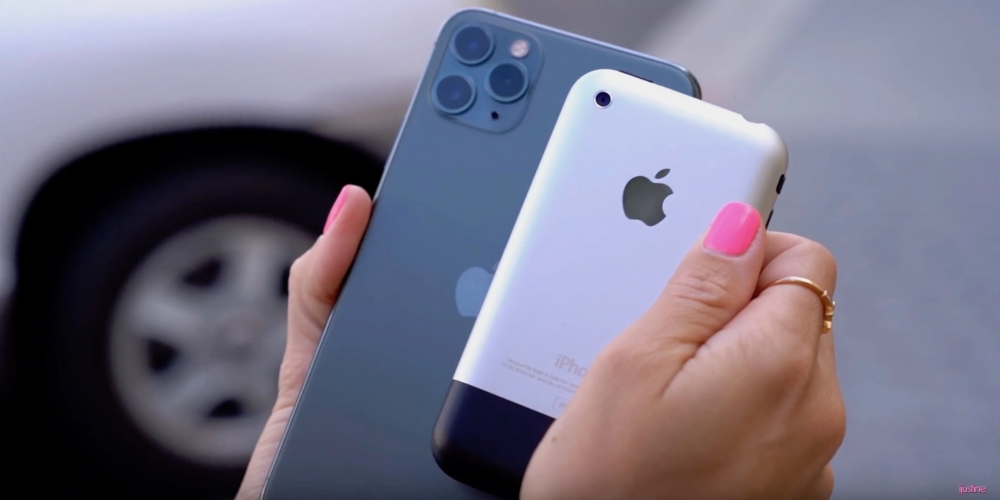
The consistent application of the “i” prefix across a suite of groundbreaking products is more than a mere naming convention; it’s a masterclass in brand strategy and corporate identity. It has played a pivotal role in shaping Apple’s global reputation and solidifying its position as a market leader.
Crafting a Global Identity: Apple’s Marketing Genius
From the moment the iMac debuted, the “i” signaled something new, something modern, something connected. It was simple, memorable, and globally recognizable, transcending language barriers. This simplicity became a cornerstone of Apple’s brand identity, reflecting their minimalist design philosophy and straightforward user experience. The “i” didn’t just name a product; it named a category of products that were inherently innovative, personal, and internet-centric.
Apple’s marketing campaigns masterfully leveraged this “i” identity. From the “Think Different” campaign that preceded the iMac to the iconic iPhone advertisements, the messaging consistently highlighted the individual empowerment, creative potential, and technological superiority embodied by the “i” products. The design language – sleek, premium materials, clean lines – further reinforced the brand promise. This consistency across product naming, design, and marketing messaging created an exceptionally strong and coherent corporate identity, allowing Apple to build a powerful brand narrative around innovation and user experience. The global reputation of these “i” products positioned Apple as a leader, a trendsetter, and a company that understood the future of technology.
The “i” Factor in Consumer Loyalty and Market Domination
The “i” products, driven by iOS, have fostered an unparalleled level of consumer loyalty. This loyalty isn’t just about owning a device; it’s about being part of an ecosystem, a community, and a shared experience. The consistent quality, robust security, and seamless integration across devices create a “stickiness” that makes it difficult for users to switch to competing platforms. The user-friendly design and high performance contribute to a positive brand perception, where consumers perceive Apple products as reliable, high-value investments.
This loyalty, in turn, has fueled Apple’s market domination in several key segments. The iPhone, powered by iOS, has consistently been one of the best-selling smartphones globally, commanding a significant share of the premium market. The App Store, as a direct result of iOS, became a multi-billion dollar economy, attracting developers and creating a self-reinforcing cycle of innovation and user engagement. Case studies abound, from the initial frenzy surrounding iPhone launches to the ongoing growth of Apple’s services revenue, all underpinned by the strength of its “i” branded products and the iOS platform. The “i” thus became synonymous with a specific brand promise – one of quality, innovation, and a superior user experience – that continues to drive purchasing decisions and maintain Apple’s formidable market position.
The Economic Impact of the “i” and iOS
The “i” in iOS, and the entire Apple ecosystem it represents, has had a profound and far-reaching economic impact, touching everything from individual online income streams to global investment markets and Apple’s own colossal financial empire.
Fueling an App Economy: Developers, Businesses, and Wealth Creation
The App Store, built on the back of iOS, catalyzed an entirely new economic sector: the app economy. This digital marketplace created unprecedented opportunities for developers, from individual coders to large software houses, to create and monetize their innovations. Billions of dollars have been paid out to developers globally, transforming side hustles into thriving businesses and fostering an ecosystem of entrepreneurship.
This wealth creation extends beyond just app development. The success of iOS has spurred related industries, such as mobile accessory manufacturing, digital marketing agencies specializing in app promotion, and online content creation tailored for mobile consumption. For individuals, iOS devices and the app economy offer avenues for online income through various means: selling digital products, participating in the gig economy via apps, creating content for platforms optimized for mobile viewing, or even managing personal finances through specialized apps. The “i” in iOS effectively represents an investment in a platform that has generated immense economic value and continues to be a engine for digital prosperity.
Investment, Innovation, and Apple’s Financial Empire
From a broader financial perspective, the success of iOS and its “i” products has propelled Apple to become one of the most valuable companies in the world, often leading market capitalization charts. Investing in Apple stock has been a highly profitable venture for many, driven by the consistent innovation and strong sales performance of its flagship products like the iPhone. The sheer volume of transactions through the App Store, along with growing subscriptions to Apple’s services (Apple Music, iCloud, Apple Arcade, etc.), represents a robust and diversified revenue stream that fortifies Apple’s financial health.
This financial power, in turn, allows Apple to continue investing heavily in research and development, fostering further innovation that circles back to enhance iOS and future “i”-inspired products. It’s a virtuous cycle: brand strength leads to sales, sales lead to revenue, revenue leads to R&D, and R&D leads to new innovative products and features that reinforce the brand. The “i” therefore symbolizes not just technological advancement, but also a blueprint for sustained corporate financial success, influencing investment trends and demonstrating the economic power of a well-executed technology and brand strategy.
The Enduring Legacy of the “i”
While new Apple products like the Apple Watch, AirPods, or Apple Vision Pro no longer carry the “i” prefix, the principles and legacy it established are deeply embedded in Apple’s DNA and its ongoing technological trajectory.
Evolution and Future: Beyond the “i” but Not Forgetting Its Roots
The world of technology is constantly evolving, with new trends like advanced AI tools, sophisticated gadgets, and immersive digital experiences emerging at a rapid pace. Apple continues to be at the forefront, integrating AI into iOS features like Siri and computational photography, and pushing boundaries with devices like the Vision Pro. While the explicit “i” branding has faded for newer product lines, the underlying philosophy it represented – a focus on the individual, internet connectivity, innovation, and an intuitive user experience – remains a core tenet of Apple’s product development.
Future iterations of iOS and new Apple hardware will undoubtedly build upon this foundation, leveraging advanced processors, sophisticated software, and cutting-edge design to deliver even more powerful and personalized experiences. The lessons learned from the “i” era, particularly regarding brand consistency, user-centric design, and ecosystem integration, continue to inform Apple’s strategy as it navigates the next wave of technological innovation.
A Symbol of an Era: Apple’s Continuing Influence
Ultimately, the “i” in iOS stands as a powerful symbol of an era that redefined personal computing and ushered in the mobile revolution. It encapsulates Apple’s genius for simplifying complex technology, making it accessible and desirable to millions worldwide. More than just a letter, it represents a commitment to the user, a celebration of connectivity, and a relentless pursuit of innovation. Its legacy continues to shape not only Apple’s product roadmap but also the broader tech industry, influencing design, user experience, and branding strategies across the globe.
In conclusion, the “i” in iOS is not merely an initial; it is a mnemonic device that conjures images of the internet, individual empowerment, relentless innovation, vast information access, and boundless inspiration. It represents Apple’s enduring brand strategy, a foundational pillar of modern technology, and a powerful engine of economic growth. As iOS continues to evolve, pushing the boundaries of what a mobile operating system can do, the spirit of that humble “i” will undoubtedly continue to guide its path, ensuring it remains at the heart of our digital lives.
aViewFromTheCave is a participant in the Amazon Services LLC Associates Program, an affiliate advertising program designed to provide a means for sites to earn advertising fees by advertising and linking to Amazon.com. Amazon, the Amazon logo, AmazonSupply, and the AmazonSupply logo are trademarks of Amazon.com, Inc. or its affiliates. As an Amazon Associate we earn affiliate commissions from qualifying purchases.