
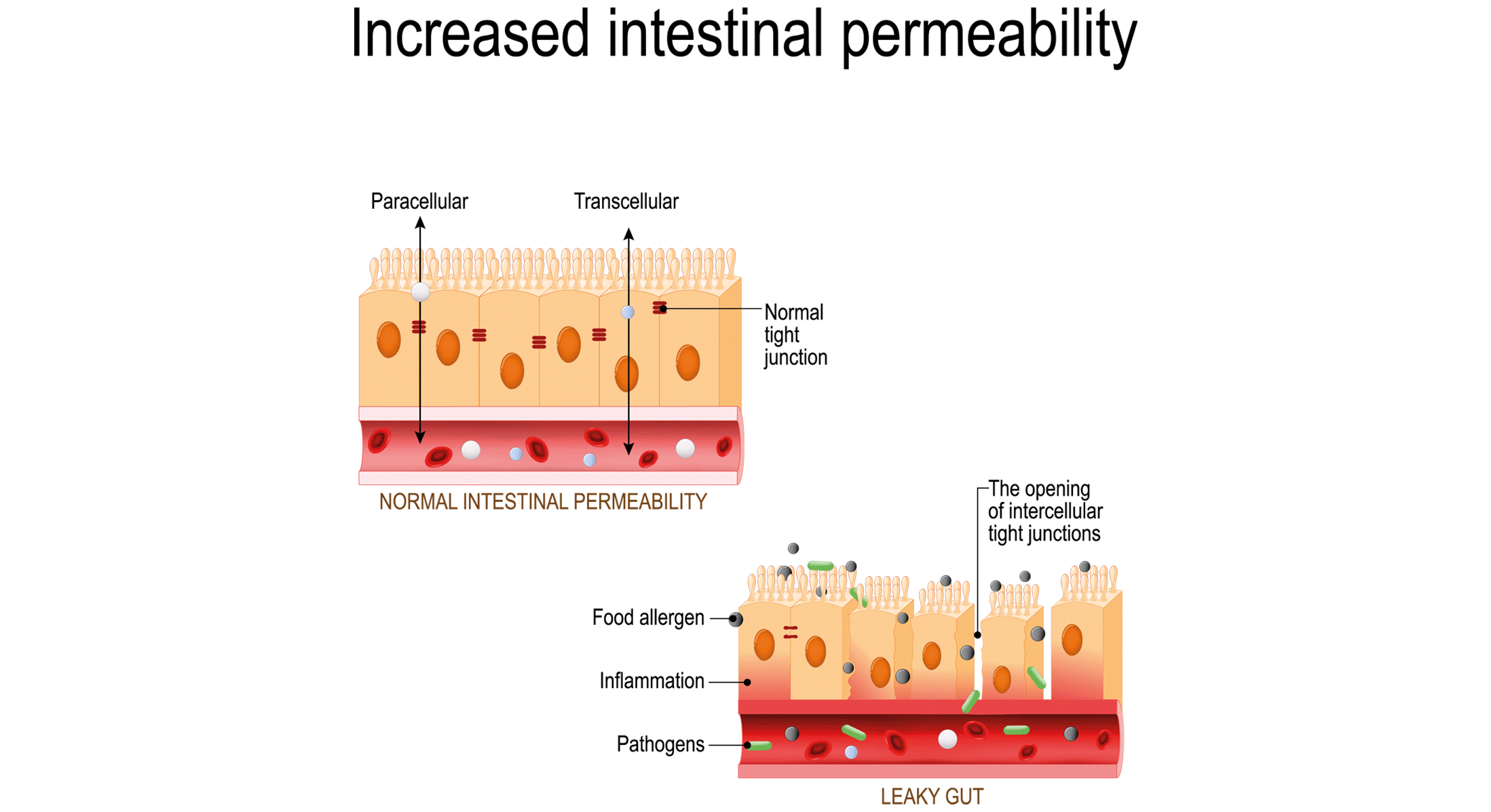
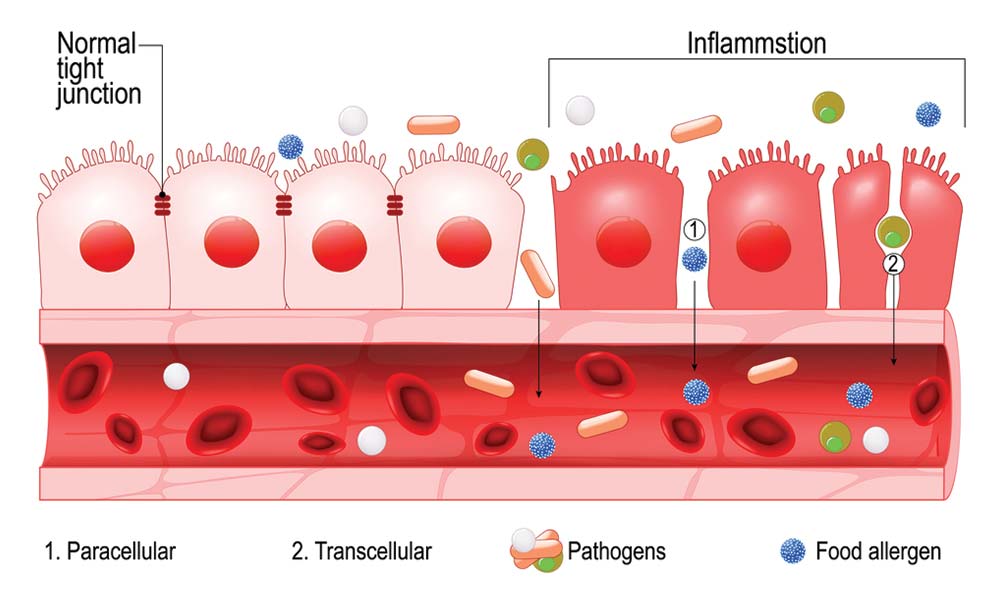
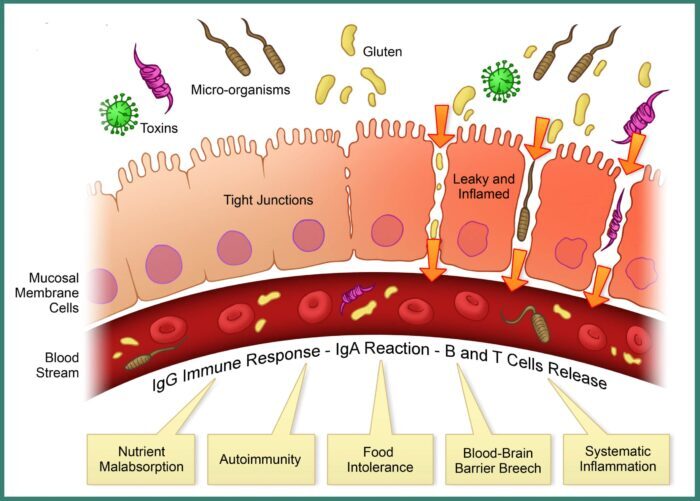
Intestinal permeability, often colloquially referred to as “leaky gut,” is a fundamental concept in digestive health, referring to the controlled passage of substances across the intestinal lining. Far from a mere biological curiosity, its intricate mechanisms and implications are increasingly being unraveled through the lens of advanced technology. In an era defined by digital innovation, understanding this physiological barrier transcends traditional medical textbooks, moving into the realm of computational biology, advanced diagnostics, and personalized digital health solutions. At its core, intestinal permeability describes the integrity and function of the tight junctions between the epithelial cells lining the gut, which act as a selective barrier, allowing nutrients to pass while blocking harmful toxins, pathogens, and undigested food particles. When this barrier is compromised, it becomes “permeable,” potentially allowing undesirable substances to enter the bloodstream, triggering immune responses and contributing to a cascade of health issues. Modern technology is not only clarifying the “what” but also the “how” and “why” this vital barrier can falter, and, crucially, offering innovative pathways for its assessment and management.
The Digital Lens on Gut Health: Understanding Intestinal Permeability
The journey to comprehend intestinal permeability has dramatically accelerated with the advent of digital tools and computational power. Historically, our understanding was limited by the resolution of microscopes and the scope of biochemical assays. Today, sophisticated bioinformatics platforms, artificial intelligence, and advanced imaging technologies offer an unprecedented view into the gut’s complex ecosystem and the molecular intricacies of its barrier function. These digital advancements allow researchers and clinicians to move beyond simple observations, building predictive models and mapping dynamic interactions that govern gut health.
From Microscopic Views to Macroscopic Insights
Early investigations into intestinal permeability relied heavily on invasive techniques and microscopic examination of tissue samples. While invaluable, these methods provided static snapshots and limited data on the functional dynamics of the gut barrier. Contemporary technology has revolutionized this. High-resolution electron microscopy, coupled with AI-driven image analysis, can now meticulously quantify the structural integrity of tight junctions, identifying minute morphological changes indicative of permeability shifts. Beyond static images, advanced cellular imaging techniques, often utilizing fluorescent markers and real-time live-cell imaging, allow for the observation of molecular transport across epithelial monolayers in vitro, providing dynamic data on barrier function. This shift from simple observation to dynamic, data-rich analysis, often processed by powerful algorithms, enables a more nuanced understanding of how various factors impact the gut barrier at a cellular level, generating insights impossible to achieve manually.
The Barrier Function Explained Through Data Models
Understanding the complex interplay of factors influencing intestinal permeability — including the microbiome, host genetics, diet, and environmental stressors — necessitates computational approaches. Systems biology and network pharmacology leverage vast datasets, integrating information from genomics, proteomics, metabolomics, and microbiomics. Machine learning algorithms can identify patterns and correlations within this high-dimensional data, revealing subtle markers of altered permeability and predicting how different interventions might affect barrier function. These data models, often visualized through interactive dashboards and simulations, allow researchers to hypothesize and test complex scenarios virtually, accelerating discovery and offering a holistic understanding that transcends isolated biological pathways. For instance, AI can analyze vast genomic data to pinpoint genetic predispositions to barrier dysfunction or correlate specific microbiome compositions with changes in permeability, providing a deeper, data-driven explanation of its mechanisms.
Advanced Diagnostics: Technology Unveiling the Leaky Gut
The abstract concept of intestinal permeability translates into actionable clinical insights primarily through advanced diagnostic technologies. Identifying compromised gut integrity requires precision tools that can non-invasively detect subtle changes and quantify them accurately. The tech landscape has responded with a suite of innovative solutions, moving far beyond traditional sugar-absorption tests to embrace cutting-edge biomarker detection and sophisticated analytical platforms. These technologies are crucial for both research and the personalized management of gut-related conditions.
Non-Invasive Biomarker Detection
The frontier of intestinal permeability diagnostics is increasingly defined by non-invasive biomarker detection, facilitated by sophisticated analytical instruments. Breath tests, for example, utilize specific sugars (lactulose and mannitol) that, when absorbed differently, indicate changes in gut barrier function. Automated analyzers provide rapid, accurate quantification, often linked to cloud-based platforms for data management and interpretation. Beyond these, the field of metabolomics, powered by mass spectrometry and nuclear magnetic resonance (NMR) spectroscopy, allows for the comprehensive profiling of metabolites in stool, urine, and blood. Changes in these metabolite profiles can serve as indirect yet highly specific indicators of altered gut permeability, reflecting microbial activity, host metabolic responses, and inflammatory markers. Genomics and metagenomics also play a pivotal role, with next-generation sequencing technologies providing detailed insights into the composition and function of the gut microbiome, identifying microbial species or dysbiotic patterns associated with compromised intestinal barriers. These advanced analytical platforms, often integrated with AI for pattern recognition, offer unprecedented precision in identifying and quantifying these subtle shifts.
Imaging Technologies and Endoscopic Innovations
While direct visualization of the intestinal barrier’s microscopic integrity remains challenging, advancements in imaging technologies are providing new perspectives. Capsule endoscopy, for instance, involves a miniature camera swallowed by the patient, wirelessly transmitting thousands of images of the intestinal lining as it passes through the digestive tract. While primarily used for detecting lesions, AI-assisted image analysis can potentially identify subtle inflammatory patterns or structural changes indicative of compromised barrier function. Furthermore, advanced microscopic techniques, such as confocal laser endomicroscopy (CLE), performed during conventional endoscopy, allow for in vivo cellular-level imaging of the gut lining. CLE can visualize individual epithelial cells and tight junctions in real-time, offering a direct, high-resolution assessment of barrier integrity. The integration of AI with these imaging modalities enhances diagnostic accuracy by automating the detection of subtle anomalies, reducing inter-observer variability, and providing quantitative assessments of mucosal health.
AI and Machine Learning in Predictive Analytics
The sheer volume and complexity of data generated by advanced diagnostics necessitate the power of artificial intelligence and machine learning. AI algorithms can analyze diverse datasets—ranging from patient symptoms and lifestyle factors to genomic profiles, microbiome data, and biomarker levels—to identify subtle correlations and predict the likelihood of altered intestinal permeability. These predictive models can assist clinicians in identifying individuals at higher risk, personalizing diagnostic pathways, and even forecasting the progression of gut-related conditions. Machine learning can also develop personalized risk scores, helping to stratify patients and guide preventative strategies. This move towards predictive analytics represents a significant leap from reactive diagnosis to proactive, personalized health management, enabling earlier intervention and more targeted therapeutic approaches based on a comprehensive, AI-driven understanding of an individual’s gut barrier status.
Emerging Tech for Management and Monitoring
Understanding and diagnosing intestinal permeability are foundational steps, but the ultimate goal is effective management and continuous monitoring. Here, technology offers innovative solutions, moving beyond traditional interventions to embrace personalized, data-driven approaches. From wearable sensors to AI-powered dietary platforms and sophisticated drug delivery systems, the tech landscape is transforming how individuals can maintain and restore optimal gut barrier function.
Wearable Sensors and Continuous Monitoring
While direct, real-time monitoring of intestinal permeability via wearables is still largely aspirational, the convergence of biosensor technology and data analytics hints at future possibilities. Wearable devices currently track metrics like heart rate variability, sleep patterns, and activity levels, which can indirectly correlate with gut health and stress, a known factor in barrier dysfunction. Future iterations may integrate advanced biosensors capable of detecting specific biomarkers in sweat or interstitial fluid that could serve as proxies for systemic inflammation linked to gut permeability. Continuous glucose monitoring (CGM) devices, for example, already provide real-time data that can inform dietary choices impacting gut health. The goal is to create a seamless feedback loop where personal health data from wearables, processed by AI, provides actionable insights into lifestyle adjustments that support gut barrier integrity, offering a proactive approach to maintaining health rather than reacting to symptoms.
Personalized Nutrition Platforms and AI-Driven Dietary Advice
Diet plays a profound role in influencing intestinal permeability, and technology is revolutionizing how individuals manage their nutritional intake for gut health. Personalized nutrition platforms, powered by AI and machine learning, integrate an individual’s unique data—including microbiome profiles, genetic predispositions, food sensitivities, and symptom logs—to generate highly tailored dietary recommendations. These apps and web platforms analyze vast databases of food components and their impact on gut bacteria and the intestinal lining. They can recommend specific prebiotics, probiotics, or dietary patterns (e.g., low-FODMAP, gluten-free) designed to strengthen the gut barrier and reduce inflammation. Beyond generic advice, these AI systems learn from user input and outcomes, continuously refining recommendations for optimal efficacy. Some platforms even integrate with smart kitchen appliances or grocery delivery services, streamlining the implementation of personalized gut-healthy diets, making it easier for individuals to adhere to complex nutritional plans aimed at restoring barrier function.
Telemedicine and Remote Consultations
The rise of telemedicine has democratized access to specialized healthcare, including experts in gut health and functional medicine, who often address issues related to intestinal permeability. Digital platforms facilitate remote consultations, allowing individuals to connect with dietitians, gastroenterologists, and integrative practitioners regardless of geographical barriers. This digital access enables timely advice, remote monitoring of symptoms, and the review of diagnostic test results from the comfort of one’s home. Virtual care models can also incorporate digital tools for symptom tracking, medication reminders, and educational resources, empowering patients to actively participate in their gut health journey. For conditions linked to intestinal permeability, which often require ongoing lifestyle adjustments and specialized guidance, telemedicine offers a flexible and sustained support system.
Microbiome Engineering and Biotherapeutic Delivery Systems
Emerging biotechnologies are pushing the boundaries of how we directly influence gut permeability. Microbiome engineering, which involves precisely altering the gut microbiota composition and function, is a prime example. This includes next-generation probiotics designed with specific strains known to strengthen tight junctions or reduce inflammation, often delivered via smart pills or targeted encapsulation technologies that ensure their survival and release in the desired section of the intestine. Fecal microbiota transplantation (FMT), while not purely tech-driven, benefits from advanced donor screening and standardized preparation techniques. Beyond probiotics, synthetic biology is exploring the creation of genetically engineered bacteria that can produce therapeutic molecules directly within the gut, such as anti-inflammatory compounds or factors that repair the intestinal lining. These advanced biotherapeutic delivery systems represent the cutting edge of intervention, offering highly targeted and potent strategies to modulate gut permeability and restore intestinal health.
The Future of Gut Health: Intersecting Biology and Innovation
The trajectory of understanding and managing intestinal permeability is inextricably linked to technological advancement. As our digital capabilities grow, so does our capacity to delve deeper into the intricate biological processes of the gut and to devise sophisticated solutions for maintaining its health. The future promises an even tighter integration of data, personalized insights, and proactive interventions, transforming how we perceive and nurture our internal ecosystem.
Data Integration and Holistic Health Ecosystems
The ultimate vision for gut health tech is the creation of holistic digital health ecosystems. This involves seamlessly integrating data from diverse sources: electronic health records, wearable devices, advanced diagnostics (genomics, metabolomics, microbiomics), personalized nutrition platforms, and even environmental exposure data. AI and machine learning will serve as the central nervous system of these ecosystems, synthesizing vast quantities of information to provide a comprehensive, dynamic profile of an individual’s intestinal permeability and overall health. Such integrated platforms will not only track current status but also predict future risks, suggest preventative measures, and recommend highly personalized interventions, from dietary adjustments to specific biotherapeutics. This approach moves beyond isolated data points, building a complete picture of an individual’s health in the context of their environment and lifestyle, thereby enabling truly precision medicine for gut health.
Ethical Considerations and Data Privacy in Gut Health Tech
As gut health technology becomes more sophisticated and data-intensive, ethical considerations and data privacy become paramount. The collection and analysis of highly personal biological data—including genetic, microbiome, and physiological information—raise significant questions about ownership, security, and consent. Robust cybersecurity measures, stringent data protection regulations (like GDPR and HIPAA), and transparent data usage policies are essential to build and maintain user trust. Innovators in gut health tech must prioritize privacy-by-design principles, ensuring that new technologies are developed with data protection embedded from the outset. Furthermore, the potential for algorithmic bias in AI-driven health recommendations and the equitable access to these advanced technologies require careful consideration to ensure that the benefits of future gut health innovations are broadly and ethically distributed. The intersection of cutting-edge biology and transformative technology demands a conscientious approach to safeguard individuals’ most intimate health data.
aViewFromTheCave is a participant in the Amazon Services LLC Associates Program, an affiliate advertising program designed to provide a means for sites to earn advertising fees by advertising and linking to Amazon.com. Amazon, the Amazon logo, AmazonSupply, and the AmazonSupply logo are trademarks of Amazon.com, Inc. or its affiliates. As an Amazon Associate we earn affiliate commissions from qualifying purchases.