
The Independent Grocers Alliance, commonly known as IGA, represents a unique and enduring model within the global retail landscape. Far from being a monolithic corporate entity, IGA functions primarily as a brand licensing and cooperative marketing alliance for independently owned and operated grocery stores. Understanding “what is IGA grocery store” is to delve into a sophisticated brand strategy that leverages collective strength while championing local autonomy, a dynamic interplay that has defined its corporate identity and market positioning for nearly a century. This structure presents distinct advantages and challenges, shaping how the IGA brand is perceived and managed across diverse markets.

The Cooperative Brand Model: A Distinct Identity
At its core, IGA’s brand identity is built upon a cooperative model, distinguishing it significantly from traditional grocery chains. Established in the United States in 1926, the alliance was formed to allow independent grocers to compete more effectively with emerging national chains by pooling resources for purchasing, advertising, and operational support, all under a shared brand umbrella. This foundational principle continues to shape every aspect of the IGA brand today, from its visual identity to its customer engagement strategies.
The “Independent Grocers Alliance” Explained
The very name, Independent Grocers Alliance, encapsulates its brand essence. It is not a franchise in the traditional sense, where a corporate entity dictates most operational facets to franchisees. Instead, IGA offers a licensing agreement where independent store owners adopt the IGA brand identity, benefiting from its established recognition, marketing programs, and supply chain efficiencies, while retaining substantial control over their individual businesses. This model allows for a spectrum of ownership structures, from single-store operators to small regional groups.
This distinction is crucial for understanding its brand equity. Unlike chains that enforce uniformity from a central command, IGA stores, though branded consistently with the red IGA logo, are allowed to tailor their product offerings, pricing, and services to the specific needs and preferences of their local communities. This decentralization is a deliberate brand strategy that aims to cultivate a sense of hyper-local relevance and authenticity that large chains often struggle to achieve. The brand promises the resources of a national entity with the personalized touch of a neighborhood store, a potent value proposition in many markets.
Brand Equity Through Local Autonomy
The paradox of a global brand with intensely local operations is central to IGA’s brand equity. While the IGA logo provides instant recognition and a baseline level of trust, it is the independent owner’s ability to act as a local merchant that truly solidifies the brand’s connection with its customers. Local autonomy allows store owners to:
- Curate Product Assortments: Stocking local produce, specialty items, or regional favorites that resonate with the immediate community, differentiating them from cookie-cutter chain offerings.
- Set Competitive Pricing: Adapting to local market conditions and competitive landscapes rather than adhering to rigid corporate mandates.
- Engage in Community Initiatives: Sponsoring local sports teams, supporting community events, or partnering with local charities, deeply embedding the store within the social fabric of the area.
These actions, though executed independently, collectively reinforce the overarching IGA brand promise of “hometown proud” service. The brand builds loyalty not just through competitive prices or product availability, but through a perceived shared identity with the community. This strengthens the brand’s resilience against larger competitors, as customers often feel a personal connection and loyalty to their local IGA store and its owner. This model positions IGA as a brand that empowers local entrepreneurs, fostering a sense of community ownership and investment that is hard for pure corporate brands to replicate.
IGA’s Brand Promise: Local Roots, Global Network
The enduring strength of the IGA brand lies in its ability to consistently communicate a compelling promise: the best of local shopping, supported by the strength and resources of a global network. This dual focus is a sophisticated branding exercise, aiming to project both grassroots authenticity and professional reliability simultaneously. Crafting this message effectively involves strategic considerations in marketing, visual identity, and the overall customer experience.
Crafting a Brand Message for Differentiated Value
IGA’s brand messaging consistently emphasizes “local” as its primary differentiator. In an era dominated by large-scale retail and e-commerce, the appeal of a local grocer who knows their customers and supports local suppliers is a powerful narrative. The brand strategically positions itself around values such as:
- Freshness: Highlighting locally sourced produce and perishable goods, often implying a shorter farm-to-shelf journey.
- Community: Emphasizing the store’s role as a neighborhood hub, a place where people connect, and a contributor to the local economy.
- Personalized Service: Promoting the idea of friendly, attentive staff who remember faces and go the extra mile, a stark contrast to the often impersonal experience of larger stores.
This brand narrative is carefully constructed to appeal to consumers who value supporting local businesses, desire unique or regional products, and appreciate a more intimate shopping experience. The “global network” aspect provides a crucial underlying assurance; it signifies that these independent stores have access to competitive buying power, sophisticated marketing tools, and quality private-label brands (like IGA’s own brand products) that allow them to offer value and quality comparable to larger chains, without sacrificing their local character. This balance is key to IGA’s value proposition and how it sustains its competitive edge. Shared marketing campaigns, for instance, might promote the IGA brand universally while leaving room for individual stores to insert their specific local offerings and promotions.
Visual Identity and In-Store Branding
Maintaining a cohesive visual identity across hundreds, if not thousands, of independently owned stores is a significant branding challenge, yet it is vital for IGA’s global recognition. The iconic red IGA logo, with its distinctive font and shield motif, serves as the immediate identifier, signaling a consistent standard of quality and community commitment wherever it appears.
Brand guidelines provided by IGA Global help ensure that while stores have autonomy, there’s a recognizable thread running through them. These guidelines typically cover:
- Logo Usage: Ensuring consistent application across signage, advertising, and private-label products.
- Store Layout and Design Elements: While not rigidly prescriptive, IGA often provides recommendations for store layout, shelving, and signage that enhance the shopping experience and reinforce brand values (e.g., clear produce sections, prominent local product displays).
- Employee Uniforms and Customer Service Standards: Promoting a professional and friendly demeanor that aligns with the brand’s “hometown proud” ethos.
However, the beauty of the IGA model lies in its flexibility. Individual store owners can—and often do—inject their local flair into the store’s aesthetics and product presentation. This could manifest in unique interior decor reflecting local culture, specific community bulletin boards, or local artisan product displays. This delicate balance between adherence to corporate branding standards and the celebration of local individuality is what gives the IGA brand its unique character. It allows for a recognizable “IGA look” while permitting the local store to truly feel like an integral part of its specific community, reinforcing the brand promise at every touchpoint.
Marketing and Brand Perception in the Retail Landscape
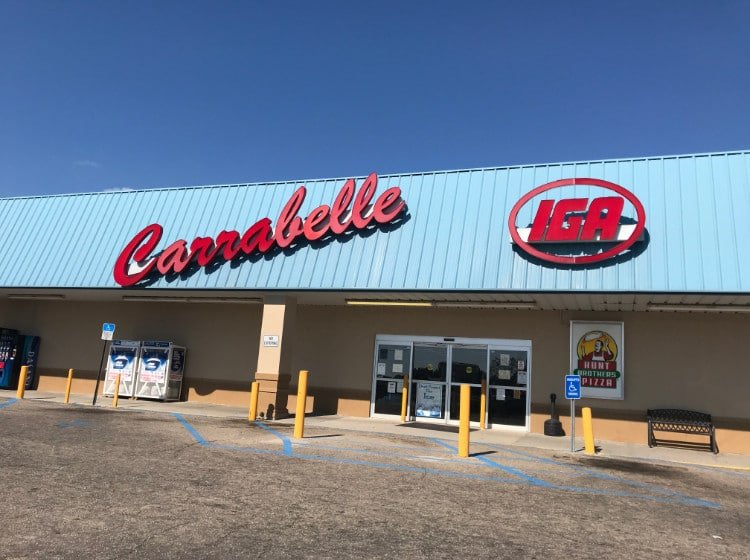
In a fiercely competitive grocery market, IGA’s brand perception is continually shaped by its marketing strategies and how it positions itself against formidable rivals, ranging from discount supermarkets to high-end organic stores. Effective brand management requires not only communicating its unique value proposition but also actively building and maintaining customer loyalty in an environment of evolving consumer expectations.
Competing with National Chains and Discount Retailers
IGA’s brand positioning must skillfully navigate the landscape dominated by massive national and international grocery chains (e.g., Walmart, Kroger, Tesco) and aggressive discount retailers (e.g., Aldi, Lidl). These larger players often leverage economies of scale to offer lower prices, broader selection, or more extensive digital services. IGA cannot always compete directly on price or sheer scale, so its brand strategy shifts focus towards other compelling attributes:
- Service Excellence: The brand emphasizes a higher level of personalized customer service, creating a more pleasant and less anonymous shopping experience. This aligns with the “local” and “community” aspects of its brand narrative.
- Unique Product Assortment: By empowering local owners, IGA stores can stock niche products, regional delicacies, and a wider array of local produce that national chains, with their centralized buying, might overlook. This cultivates a perception of unique value and authenticity.
- Community Connection: Marketing efforts heavily underscore IGA’s role as a local employer, taxpayer, and community supporter. This appeals to consumers who wish to see their shopping dollars benefit their immediate surroundings, fostering goodwill and a sense of shared purpose.
Digital marketing strategies for IGA often involve local SEO to ensure that independent stores are easily found by nearby customers searching for “grocery stores near me.” Social media engagement is also crucial at a local level, allowing individual stores to highlight community involvement, new local products, and personalized promotions, further cementing their brand presence within their specific market segment.
Building Customer Loyalty and Brand Advocacy
Building enduring customer loyalty is paramount for any retail brand, and for IGA, it’s intrinsically linked to its community-centric model. The brand fosters loyalty through several key strategies:
- Community Involvement as a Marketing Pillar: Active participation in local events, sponsorships, and charitable initiatives builds strong ties between the store and its patrons. When a store is perceived as a good neighbor, it naturally engenders loyalty and positive brand associations. This isn’t just advertising; it’s an investment in brand reputation.
- Personalized Relationships: The independent owner model allows for a more personal touch. Store owners and staff often know customers by name, understand their preferences, and offer tailored recommendations. This level of intimacy transforms a transactional relationship into a more enduring one, fostering brand advocacy.
- Value Beyond Price: While price is always a factor, IGA’s brand messaging emphasizes value derived from quality, freshness, unique selection, and the positive impact on the local economy. Loyalty programs, though often managed at the local level, can also reinforce this value by offering personalized rewards or discounts on preferred products.
Word-of-mouth marketing is incredibly powerful for IGA. A positive experience at a local IGA store, coupled with its community contributions, makes customers more likely to recommend it to friends and family. This organic advocacy is a testament to the brand’s successful execution of its local-first strategy, transforming customers into brand ambassadors.
Challenges and Evolution of a Hybrid Brand
While the IGA brand model offers significant advantages, it also presents unique challenges inherent in managing a hybrid structure of centralized branding with decentralized operations. Sustaining brand cohesion and adapting to rapidly changing consumer behaviors requires continuous strategic evolution.
Maintaining Brand Cohesion Across Diverse Ownership
One of the primary challenges for the IGA brand is ensuring a consistent customer experience and upholding core brand values across thousands of independently owned stores. While brand guidelines exist, the degree of autonomy afforded to owners means there can be variations in:
- Store Appearance and Modernity: Some IGA stores might be state-of-the-art facilities, while others are older, requiring constant effort to maintain a contemporary and inviting image.
- Product Selection and Quality: While some items are shared (e.g., private label), the broader assortment and the quality of perishables can vary depending on local sourcing and management practices.
- Customer Service Standards: Although “friendly service” is a brand pillar, its execution ultimately rests with individual store management and staff training.
IGA Global continuously works to mitigate these inconsistencies through training programs, shared best practices, and regional support structures. The goal is to ensure that while each store has its unique character, the overarching IGA brand promise—of quality, community, and service—remains consistently delivered, reinforcing trust and recognition. It’s a delicate balancing act between fostering entrepreneurial spirit and safeguarding brand integrity.
Adapting to Changing Consumer Behavior
The grocery retail landscape is in constant flux, driven by shifts in consumer preferences, technological advancements, and evolving lifestyles. The IGA brand, with its decentralized structure, faces specific challenges in adapting to trends such as:
- E-commerce and Online Shopping: Implementing robust online ordering, click-and-collect, and delivery services uniformly across independent stores requires significant coordination and investment. IGA has invested in digital platforms and partnerships to help individual stores offer these services, allowing them to remain competitive in the digital age.
- Health and Wellness Trends: The demand for organic, specialty diet (e.g., gluten-free, plant-based), and ready-to-eat meal options is growing. While local owners can quickly respond to these needs, ensuring consistent availability and branding of such products across the network requires collaborative procurement and marketing efforts.
- Sustainability and Ethical Sourcing: Consumers increasingly care about the environmental and social impact of their food. IGA stores, often strong on local sourcing, are well-positioned to capitalize on this, but broader brand initiatives around sustainability require collective action and communication to enhance the overall brand reputation.
The brand’s strength lies in its ability to empower independent owners to be agile and responsive to local trends, while the alliance provides the framework and shared resources to implement broader strategic initiatives without stifling local innovation.

The Future of the IGA Brand
Looking ahead, the IGA brand is poised to continue its evolution by reinforcing its core strengths while embracing necessary innovations. The emphasis on “local” and “community” will likely become even more pronounced as consumers increasingly seek authenticity and transparency in their food sources. This aligns perfectly with IGA’s foundational brand premise.
Future strategies for the IGA brand will likely include:
- Enhanced Digital Integration: Further investing in user-friendly e-commerce platforms, personalized digital marketing, and in-store technology (e.g., self-checkout, digital signage) that complements, rather than detracts from, the personalized shopping experience.
- Sustainability Leadership: Proactively communicating and implementing sustainable practices, from local sourcing to waste reduction, thereby enhancing the brand’s ethical appeal and aligning with consumer values.
- Community Amplification: Deepening engagement with local communities through innovative partnerships, events, and support programs, further cementing the IGA store’s role as an indispensable local hub.
Ultimately, “what is IGA grocery store” is a question best answered by understanding its brand as a dynamic network of independent entrepreneurs united under a shared banner. It is a brand that skillfully balances the efficiency and recognition of a global alliance with the intimate, personalized connection of a local business, a strategic position that promises continued relevance and resilience in the ever-changing world of retail.
aViewFromTheCave is a participant in the Amazon Services LLC Associates Program, an affiliate advertising program designed to provide a means for sites to earn advertising fees by advertising and linking to Amazon.com. Amazon, the Amazon logo, AmazonSupply, and the AmazonSupply logo are trademarks of Amazon.com, Inc. or its affiliates. As an Amazon Associate we earn affiliate commissions from qualifying purchases.