
The term “ice” in Australia, while colloquially referring to frozen water, has taken on a far more pervasive and insidious meaning in public discourse: crystal methamphetamine. This highly addictive synthetic stimulant poses a significant challenge, not only to public health and safety but also to the economic fabric of individuals, families, businesses, and the nation as a whole. Understanding “what is ice in Australia” from a financial perspective reveals a complex web of costs, from direct expenditure on healthcare and law enforcement to profound losses in productivity and personal wealth. This article delves into the monetary dimensions of crystal methamphetamine, examining its impact across various financial strata within the Australian context.
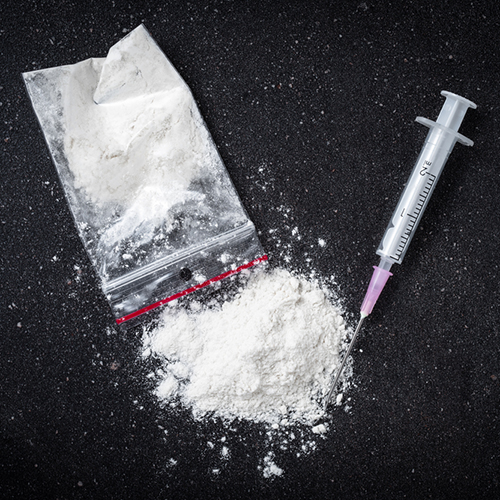
The Financial Landscape of a Destructive Substance
The shadow cast by crystal methamphetamine extends deeply into the financial lives of those directly affected and the broader community. The allure of quick highs belies the devastating and often irreversible economic consequences that follow.
Personal Financial Ruin
For individuals caught in the grip of ice addiction, personal finance quickly spirals into chaos. The cost of acquiring the drug can be exorbitant, leading many to deplete savings, sell assets, and accrue significant debt. Mortgages default, credit card balances soar, and personal loans are often taken out under false pretenses. The compulsion to sustain the habit frequently overrides basic needs, leading to neglect of rent, utilities, and even food. This financial instability is often compounded by job loss, as addiction impairs performance, attendance, and reliability, rendering individuals unemployable. The long-term consequence is a deeply entrenched cycle of poverty, homelessness, and dependence on welfare services, making the path to financial recovery incredibly arduous, even if sobriety is achieved. Families are also directly impacted, often bearing the financial burden of supporting an addicted loved one, covering legal fees, or providing care for children whose parents are incapacitated by the drug.
Burden on Public and Business Finance
Beyond individual hardship, crystal methamphetamine places an immense strain on public and business finance. Government budgets are stretched thin by the escalating costs of policing, judicial processes, and correctional services required to combat drug-related crime. Healthcare systems grapple with increased demand for emergency services, mental health support, and long-term rehabilitation programs, all of which are resource-intensive. For businesses, the impact is multifaceted: decreased productivity due to absenteeism, impaired judgment, and safety risks among employees; increased insurance premiums; and costs associated with drug testing, workplace security, and employee assistance programs. Businesses located in areas with high drug activity may also face property damage, theft, and a decline in customer traffic, directly affecting their bottom line and potentially leading to closures or reduced investment.
The Illicit Economy and Its Ramifications
The trade of crystal methamphetamine constitutes a substantial segment of Australia’s illicit economy, generating vast profits for criminal networks while imposing significant hidden costs on society.
Market Dynamics and Profit Margins
The illicit market for ice in Australia operates with its own skewed supply-demand dynamics. Prices fluctuate based on purity, availability, and geographic location, but generally command high street values, particularly in regional areas where supply might be scarcer. This high profitability fuels organised crime, providing substantial capital for other illegal enterprises and contributing to a complex underground economy that evades taxation and legitimate financial oversight. The supply chain often involves international networks, making detection and interdiction by law enforcement challenging and costly. The immense profits generated by drug trafficking not only incentivize criminal activity but also provide resources for money laundering operations, which further corrupt legitimate financial systems by introducing illicit funds into the mainstream economy, distorting market competition and enabling further criminal ventures.
Hidden Costs to Society
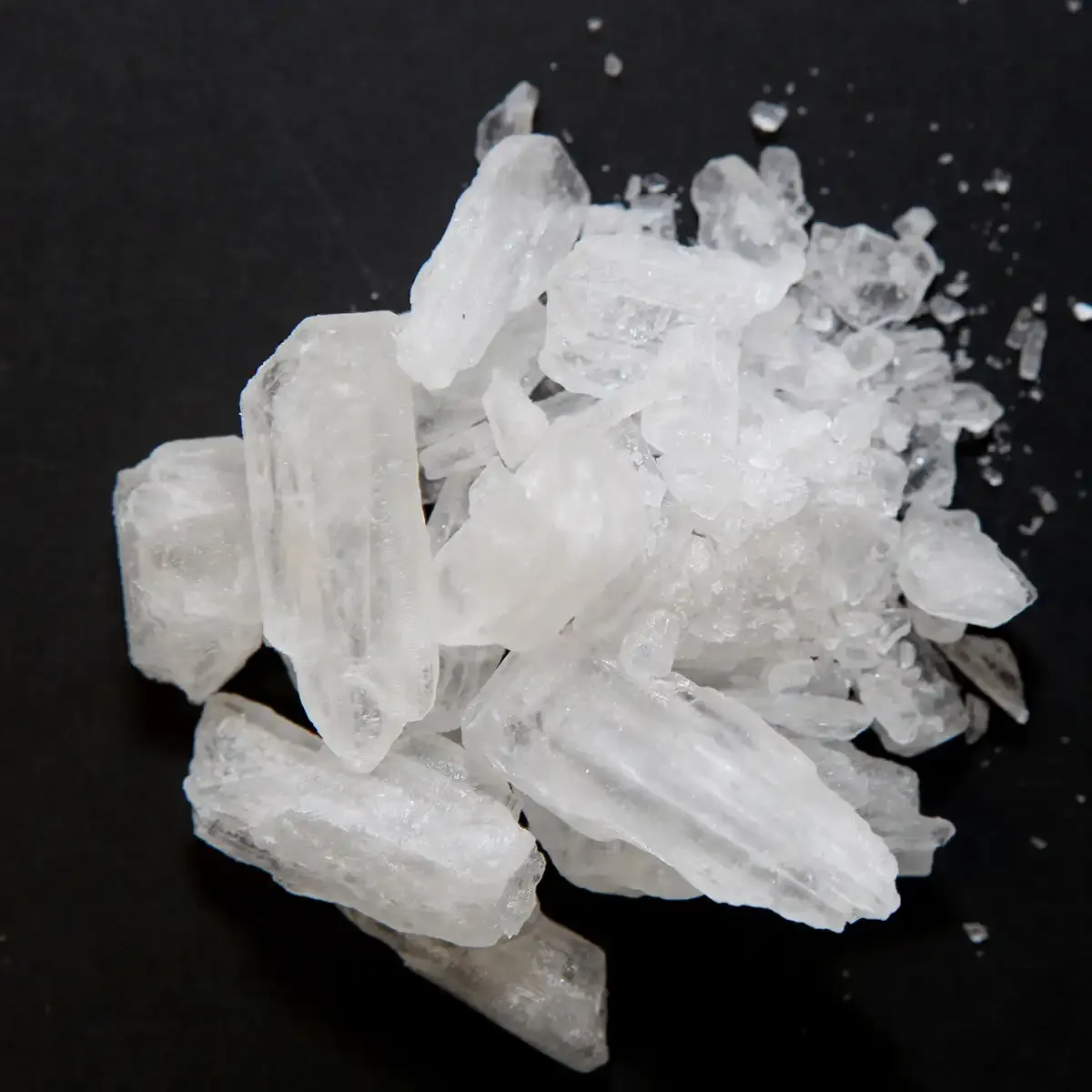
The “hidden costs” of the illicit ice economy extend far beyond direct financial transactions. These include the intangible yet profound erosion of social capital and trust within communities. When neighbourhoods become battlegrounds for drug-related crime, property values can decline, local businesses suffer, and community cohesion weakens. The fear of crime can reduce public participation in civic life, leading to a general sense of unease and a reluctance to invest in local amenities. There’s also the long-term cost of lost human potential, as addiction strips individuals of their ability to contribute to the economy, innovate, or raise stable families. The drain on social services, including child protection and welfare agencies, to deal with the fallout of addiction further burdens public coffers, representing an ongoing subsidy for the consequences of a lucrative illegal trade.
Investment in Prevention and Recovery
Addressing the financial implications of crystal methamphetamine addiction necessitates significant investment in both preventative measures and comprehensive recovery pathways. These investments, while substantial, are ultimately more cost-effective than managing the ongoing fallout.
Healthcare and Rehabilitation Expenses
The healthcare sector bears a substantial portion of the financial burden. Treating the myriad physical and mental health issues associated with ice addiction—ranging from cardiovascular problems and dental decay to severe psychosis and depression—requires extensive medical intervention. Emergency room visits, hospital admissions, and long-term psychiatric care all incur significant costs. Beyond acute care, the demand for rehabilitation services is immense. Residential treatment programs, outpatient counselling, and harm reduction initiatives like needle exchanges and safe injecting facilities are crucial components of a holistic response. These services require trained professionals, dedicated facilities, and ongoing funding. Investing in accessible and effective rehabilitation is not merely a social imperative; it is an economic necessity, as successful recovery reduces future healthcare costs, criminal justice involvement, and restores individuals to productive economic participation.
Law Enforcement and Justice System Costs
Australia’s law enforcement agencies and justice system dedicate considerable resources to combating the production, trafficking, and use of crystal methamphetamine. This includes funding for specialised drug squads, intelligence gathering, surveillance operations, and international cooperation. The costs associated with arrests, investigations, evidence collection, and forensic analysis are substantial. Once in the justice system, court proceedings, legal aid, and the incarceration of drug offenders represent a massive financial outlay. Prisons are expensive to run, and a significant proportion of inmates are incarcerated due to drug-related offences. Investing in diversionary programs and drug courts can offer a more cost-effective alternative to traditional incarceration for non-violent offenders, aiming to break the cycle of addiction and crime by addressing root causes rather than simply punitive measures. These initiatives, while requiring upfront investment, can yield significant long-term savings by reducing recidivism and enabling individuals to re-enter society as contributing members.
The Long-Term Economic Outlook
The long-term economic outlook regarding crystal methamphetamine addiction in Australia underscores the urgent need for sustained, strategic interventions to mitigate its far-reaching financial impact.
Impact on Workforce and Productivity
A healthy, productive workforce is the backbone of any thriving economy. Ice addiction directly undermines this by leading to absenteeism, presenteeism (being physically present but mentally disengaged), diminished cognitive function, and increased workplace accidents. Industries reliant on skilled labour face shortages, as addiction can sideline experienced workers and make it difficult to train new ones. The cumulative effect is a significant drag on national productivity and economic growth. Furthermore, the stigma associated with addiction, even after recovery, can create barriers to re-employment, perpetuating a cycle of underemployment or unemployment and ensuring that individuals remain a net cost to the economy rather than a contributor. Investing in vocational training and employment support for those in recovery is a critical financial strategy to reintegrate them into the labour market and reverse this trend.

The Cost of Community Disruption
The pervasive presence of crystal methamphetamine can fundamentally alter the economic and social fabric of communities. Increased crime rates, public disorder, and the visible signs of addiction can deter investment, drive away tourism, and reduce consumer confidence. Businesses, particularly small enterprises, in affected areas may struggle to attract and retain staff, and often bear the brunt of petty crime and vandalism. The social capital—the networks of relationships among people who live and work in a particular society—is eroded, making collective action and community development more challenging. The cost here is not just financial in direct terms, but also a loss of future potential economic activity that might have flourished in a healthier, safer environment. Strategic investments in community development, social support programs, and local economic revitalization are essential to counteract this disruption and restore the conditions necessary for sustainable financial growth and well-being.
In conclusion, “what is ice in Australia” from a financial lens reveals a multi-billion dollar problem that drains resources from individuals, businesses, and government institutions. Addressing this crisis requires a coordinated, multi-faceted approach, underpinned by substantial and sustained financial investment in prevention, treatment, law enforcement, and community support. The economic dividends of such investment, in terms of reduced healthcare costs, increased productivity, lower crime rates, and stronger communities, far outweigh the costs of inaction.
aViewFromTheCave is a participant in the Amazon Services LLC Associates Program, an affiliate advertising program designed to provide a means for sites to earn advertising fees by advertising and linking to Amazon.com. Amazon, the Amazon logo, AmazonSupply, and the AmazonSupply logo are trademarks of Amazon.com, Inc. or its affiliates. As an Amazon Associate we earn affiliate commissions from qualifying purchases.