
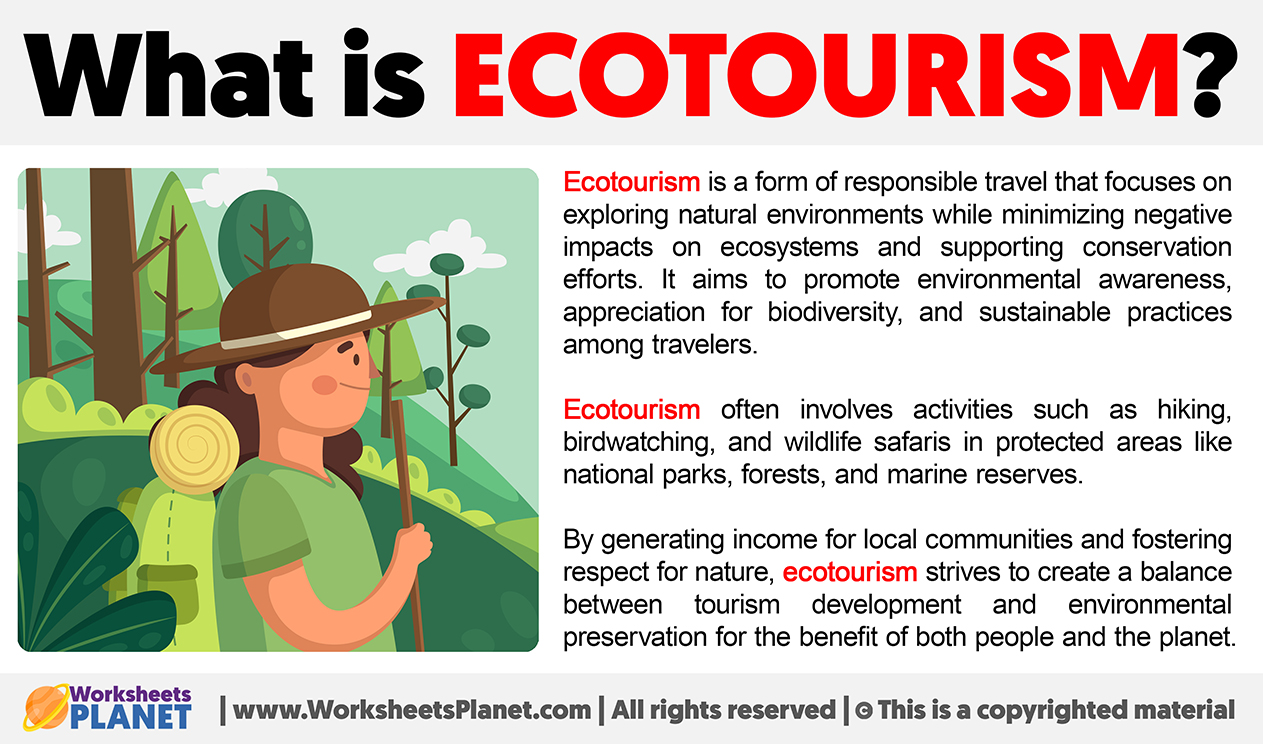
Ecotourism, often hailed as the “tourism of the future,” represents a specialized segment within the travel industry that marries environmental conservation with economic viability. From a financial perspective, understanding ecotourism goes beyond its popular image of responsible travel; it delves into a complex ecosystem of sustainable business models, investment opportunities, and the deliberate redirection of financial flows to support ecological preservation and community empowerment. At its core, ecotourism is about generating economic value through experiences that connect visitors with nature and local cultures, all while ensuring that the financial benefits contribute directly to the long-term sustainability of the destination and its inhabitants.
The Economic Imperative of Ecotourism
The concept of ecotourism is intrinsically linked to an economic imperative: demonstrating that conservation and sustainable practices can be financially rewarding. Unlike mass tourism, which often externalizes environmental and social costs, ecotourism internalizes these factors, building them into its operational and financial models. This necessitates a fundamental shift in how value is perceived and generated within the travel sector.
Defining Ecotourism Through a Financial Lens
From a financial standpoint, ecotourism can be defined as purposeful travel to natural areas that minimizes impact, builds environmental awareness, provides direct financial benefits for conservation, and offers financial benefits and empowerment for local people, while fostering respect for local culture. Each of these elements has a distinct financial implication. Minimizing impact, for instance, translates to lower long-term environmental remediation costs and higher destination appeal. Providing direct financial benefits for conservation means a portion of tourist expenditure is earmarked for protected areas or specific species preservation, creating a direct economic incentive for safeguarding natural capital. Empowering local people involves creating employment opportunities, ensuring fair wages, and developing local supply chains, thereby distributing economic gains more equitably within the community.
The Double Bottom Line: Profit and Preservation
Ecotourism ventures operate under a “double bottom line” philosophy, striving for both financial profitability and positive environmental and social impact. This dual objective requires innovative financial strategies. Investors in ecotourism are often seeking not just a return on investment (ROI) but also a “return on impact” (ROI squared). This means evaluating ventures not only on their revenue generation and profit margins but also on their measurable contributions to biodiversity protection, carbon sequestration, waste reduction, and community economic development. Financial models within ecotourism must account for these non-traditional metrics, often integrating costs associated with environmental management, community engagement, and cultural preservation as essential operational expenses rather than optional add-ons. This approach allows for a more holistic valuation of the business, appealing to socially responsible investors and a growing segment of environmentally conscious consumers.
Market Demand and Consumer Spending Trends
The financial viability of ecotourism is heavily influenced by evolving market demand. A significant and growing segment of travelers is actively seeking sustainable and responsible travel options, demonstrating a willingness to pay a premium for experiences that align with their values. Research consistently shows that consumers are increasingly conscious of their travel footprint and prefer operators that demonstrate genuine commitment to sustainability. This trend translates into robust financial opportunities for businesses that can authentically deliver on ecotourism principles. From boutique eco-lodges to nature-based tour operators, companies that effectively market their sustainable practices and transparently show how tourist dollars contribute to local economies and conservation efforts often command greater customer loyalty and higher booking rates, securing a competitive edge in a crowded travel market. This growing market segment provides a strong financial incentive for the expansion and maturation of the ecotourism industry.
Ecotourism as a Sustainable Business Model
The core of ecotourism’s financial strength lies in its capacity to operate as a sustainable business model, one that generates revenue without depleting the very natural and cultural assets it relies upon. This requires a meticulous approach to resource management, operational efficiency, and community integration.
Operational Costs and Revenue Streams
Ecotourism businesses typically have unique operational cost structures. While they may invest more upfront in sustainable infrastructure (e.g., renewable energy systems, waste treatment facilities, locally sourced materials), these investments often lead to long-term operational savings. For instance, solar power reduces electricity bills, and water conservation measures decrease utility costs. Revenue streams are diverse, encompassing accommodation, guided tours, local craft sales, and educational programs. A key financial strategy is diversification of revenue sources to mitigate seasonality risks and enhance financial resilience. Moreover, many ecotourism operations engage in “value-added” services, such as specialized workshops or conservation experiences, which command higher prices and differentiate them from conventional tourism offerings. The emphasis on local sourcing for food, labor, and services also keeps a greater portion of tourist spending circulating within the local economy, enhancing regional financial health.
Financing Sustainable Practices
Financing sustainable practices within ecotourism goes beyond initial infrastructure investment. It includes ongoing costs for environmental monitoring, ecological restoration projects, community training programs, and fair wages. Access to specialized financing, such as green loans, impact investment funds, and grants from conservation organizations, is crucial for many ecotourism ventures. These financial instruments often offer more favorable terms than traditional lending, recognizing the long-term societal and environmental benefits generated by such businesses. Furthermore, several ecotourism operators implement innovative internal funding mechanisms, such as earmarking a percentage of profits directly for conservation efforts or establishing community development funds, ensuring that economic success directly fuels their sustainability mission.
The Role of Certification and Standards in Market Value
For ecotourism businesses, adhering to recognized sustainability certifications (e.g., Global Sustainable Tourism Council, Green Globe, LEED) plays a significant role in enhancing market value and financial performance. These certifications act as third-party assurances, validating a business’s commitment to environmental and social responsibility. From a financial perspective, certification can lead to increased bookings due to enhanced consumer trust and improved marketability. It can also open doors to preferential partnerships with environmentally conscious tour operators and travel agencies. Moreover, the process of achieving certification often encourages businesses to adopt more efficient practices, leading to cost savings and improved operational performance, thereby directly contributing to the financial health of the enterprise.
Investment Opportunities in Responsible Travel
The growth of ecotourism presents a compelling landscape for investors interested in both financial returns and positive societal impact. Responsible travel is no longer a niche but a significant segment attracting capital, particularly from impact investors.
Direct Investments in Ecotourism Infrastructure
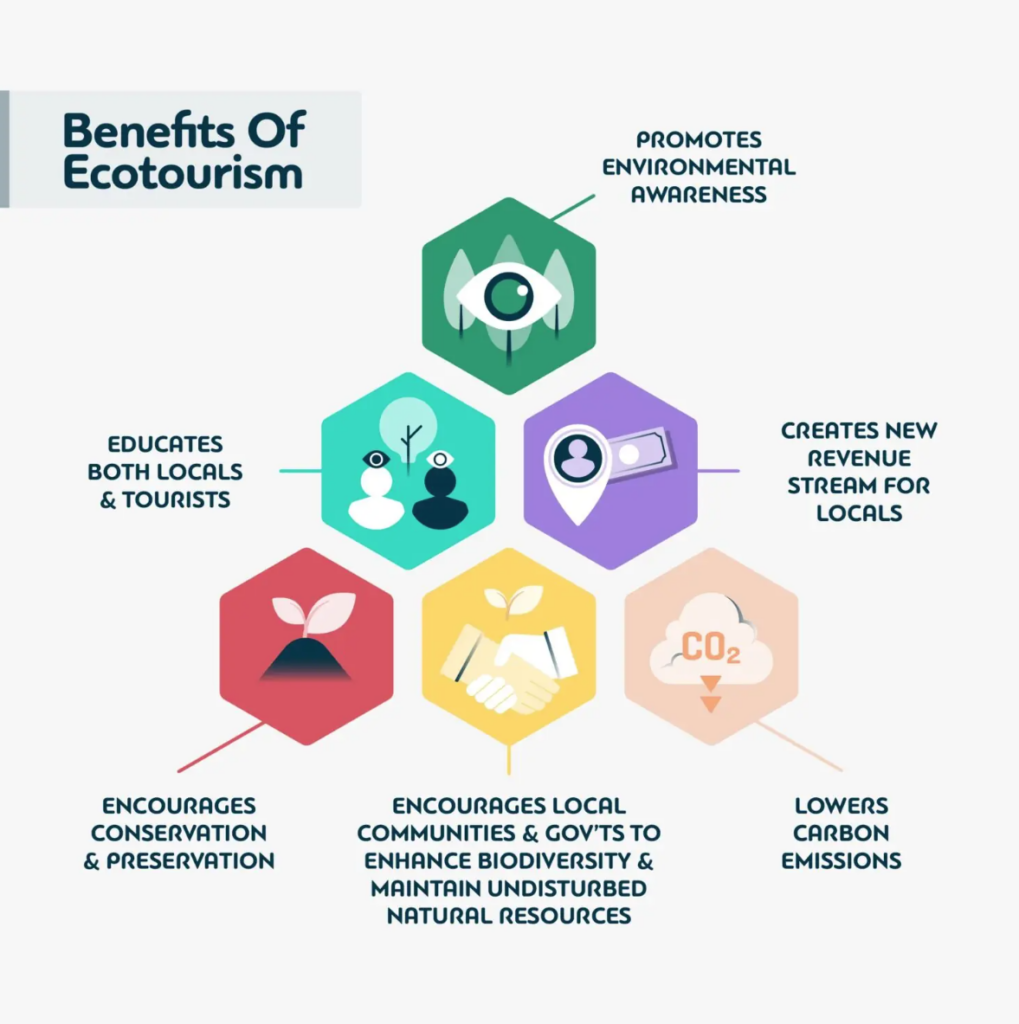
Direct investment opportunities abound in the development of ecotourism infrastructure, including eco-lodges, sustainable transportation services, and interpretive centers. These investments are often characterized by a long-term horizon and the potential for stable, recurring revenue streams. Investors can focus on projects that prioritize local materials, renewable energy, water conservation, and waste management systems, which not only align with ecotourism principles but can also lead to operational cost efficiencies over time. Emerging markets, particularly those with rich biodiversity and untapped natural beauty, are often prime locations for such investments, offering significant growth potential as sustainable travel gains traction globally.
Supporting Local Enterprises and Start-ups
Investing in local ecotourism enterprises and start-ups is a powerful way to foster sustainable economic development within host communities. This can involve providing seed funding for local tour operators, artisan cooperatives, community-based homestays, or businesses providing eco-friendly products and services. Microfinance institutions and angel investors often play a critical role in this space, providing capital that might be inaccessible through traditional banking channels. Such investments not only generate financial returns but also strengthen the local economy, create jobs, and ensure that the benefits of tourism are broadly distributed among residents, reducing leakage of tourist dollars.
Impact Investing and Conservation Finance
Impact investing has found a natural fit within the ecotourism sector. Investors actively seek to generate measurable social and environmental impact alongside a financial return. This includes investments in ventures that protect endangered species, restore degraded ecosystems, or support indigenous communities through ecotourism initiatives. Conservation finance, a specific subset of impact investing, directly channels capital towards conservation outcomes. This might involve investments in conservation concessions, payment for ecosystem services schemes linked to ecotourism, or debt-for-nature swaps that leverage tourism revenues to fund environmental protection. These financial mechanisms demonstrate how ecotourism can serve as a powerful engine for funding critical conservation efforts, proving that economic development and environmental stewardship are not mutually exclusive but mutually reinforcing.
Financial Empowerment of Local Communities
A cornerstone of ecotourism, and a key differentiator from conventional tourism, is its explicit commitment to the financial empowerment of local communities. This commitment ensures that the economic benefits generated by tourism are retained locally and contribute to the well-being and self-determination of residents.
Job Creation and Economic Diversification
Ecotourism is a significant creator of local jobs, often in areas where traditional employment opportunities are scarce. These jobs range from tour guides and park rangers to hospitality staff, artisans, and farmers supplying local produce to eco-lodges. Critically, ecotourism tends to create jobs that are directly linked to the natural environment and local culture, fostering a sense of pride and ownership. Beyond direct employment, ecotourism stimulates economic diversification by encouraging the growth of ancillary businesses, such as transport services, local craft markets, and small-scale food production. This reduces reliance on single industries, making local economies more resilient to external shocks and creating a more stable financial environment for residents.
Fair Wages and Equitable Benefit Sharing
Unlike some forms of tourism that may exploit local labor, ecotourism emphasizes fair wages and ethical employment practices. This includes providing living wages, safe working conditions, and opportunities for professional development. Furthermore, ecotourism often implements explicit mechanisms for equitable benefit sharing, ensuring that a portion of tourism revenues directly flows back to the community. This can take various forms, such as community-owned enterprises, revenue-sharing agreements with local governments or indigenous groups, and direct contributions to community development funds used for education, healthcare, or infrastructure projects. These financial practices are not merely ethical; they are essential for garnering local support for conservation efforts and ensuring the long-term social license to operate for ecotourism ventures.
Funding Community Development and Conservation Projects
Ecotourism can serve as a consistent and significant funding source for local community development and conservation projects. Many ecotourism operators contribute a percentage of their profits or implement a voluntary tourist levy that is directly channeled into these initiatives. These funds can support vital local services, improve infrastructure, or finance specific environmental conservation programs, such as reforestation, wildlife monitoring, or waste management. By providing a tangible, recurring financial benefit, ecotourism fosters a strong connection between economic prosperity and environmental protection in the minds of local residents, creating a virtuous cycle where conservation efforts are incentivized by economic returns.
Personal Finance and the Ecotourist
For the individual traveler, engaging with ecotourism also has personal financial implications, ranging from conscious spending choices to potential income generation opportunities. The ecotourist’s financial decisions can collectively exert significant influence on the industry’s trajectory.
Conscious Consumer Spending Decisions
The ecotourist makes conscious consumer spending decisions, often choosing to allocate their travel budget to businesses that demonstrably adhere to sustainable practices. This means prioritizing eco-certified accommodations, supporting local guides and artisans, purchasing locally produced goods, and opting for operators with transparent financial models that show contributions to conservation and community development. While some ecotourism options might appear more expensive upfront due to higher operational costs associated with sustainability, many travelers view this as an investment in ethical consumption and a contribution to a better world. Moreover, by choosing local, travelers can often find authentic experiences that offer good value for money, while ensuring their expenditures directly benefit the destination’s economy rather than being siphoned off by large, international corporations.
Budgeting for Sustainable Travel Experiences
Budgeting for sustainable travel involves more than just booking flights and accommodation. It includes allocating funds for activities that have a positive impact, such as supporting local conservation projects through direct donations or participating in citizen science programs that might have an associated fee. It also means budgeting for responsible choices, like offsetting carbon emissions (though direct avoidance is preferable), or paying a fair price for local services and products. Travelers can research and plan their trips to identify hidden costs (like potential taxes or fees that benefit local communities) and ensure their spending aligns with their values, making every dollar count towards a more sustainable journey. Effective budgeting ensures that the desire for responsible travel is financially feasible and enjoyable.

Potential for Side Hustles and Digital Nomadism in Ecotourism
For individuals seeking alternative income streams or a digital nomad lifestyle, ecotourism offers unique opportunities. Remote work has enabled many to base themselves in or near ecotourism destinations, contributing to the local economy while pursuing online careers. Beyond that, individuals can develop side hustles directly within the ecotourism sphere: offering specialized guiding services (e.g., birdwatching, photography tours), creating content for ecotourism operators (blogs, social media, videography), or developing sustainable local products and crafts for tourists. The growing demand for authentic experiences and sustainable products creates a fertile ground for entrepreneurial individuals to generate income, either as a primary livelihood or a supplemental side hustle, by aligning their skills with the values and needs of the ecotourism market. This blend of remote work and local engagement represents a modern approach to financial independence within a responsible travel framework.
aViewFromTheCave is a participant in the Amazon Services LLC Associates Program, an affiliate advertising program designed to provide a means for sites to earn advertising fees by advertising and linking to Amazon.com. Amazon, the Amazon logo, AmazonSupply, and the AmazonSupply logo are trademarks of Amazon.com, Inc. or its affiliates. As an Amazon Associate we earn affiliate commissions from qualifying purchases.