
Dolce & Gabbana stands as a colossal figure in the pantheon of global luxury fashion, more than just a label; it is a meticulously crafted brand identity embodying a distinct vision of sensuality, tradition, and opulent Italian craftsmanship. From its vibrant beginnings, the brand has strategically positioned itself as an arbiter of Mediterranean glamour, leveraging a potent blend of cultural heritage, distinctive design, and astute marketing to cultivate an indelible presence in the minds of luxury consumers worldwide. Understanding Dolce & Gabbana is to delve into the intricate layers of its brand strategy, corporate identity, and the compelling narrative it weaves.

The Genesis of a Global Fashion House
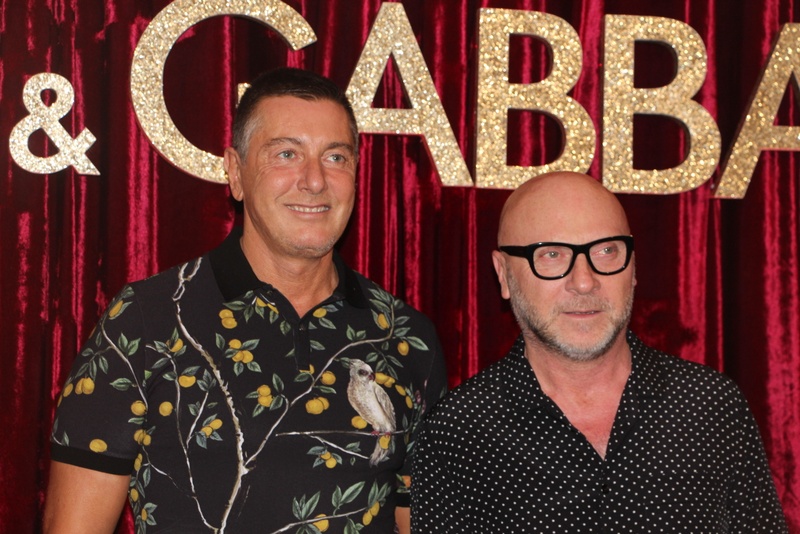
The story of Dolce & Gabbana began not with an ancient lineage but with the ambitious vision of two creative minds, Domenico Dolce and Stefano Gabbana, who fused their individual talents to forge a singular, powerful brand. Their journey from a small design studio in Milan to a global powerhouse is a testament to unwavering creative conviction and a keen understanding of market positioning.
Founders and Vision
Domenico Dolce, hailing from Sicily, brought a deep appreciation for tailoring, traditional craftsmanship, and the rich cultural tapestry of Southern Italy. Stefano Gabbana, from Milan, contributed a flair for glamour, theatricality, and contemporary trends. This complementary dynamic formed the core of their creative synergy. They didn’t merely want to create clothes; they sought to create a lifestyle, an aspirational identity rooted in a romanticized, powerful image of Italian womanhood and manhood. Their initial vision was clear: to challenge the minimalist trends of the 1980s by reintroducing exuberance, overt sexuality, and a celebration of the human form, all infused with a distinctive Italian character.
Early Brand Identity and Market Entry
Launching their first collection in 1985, Dolce & Gabbana immediately began to carve out a unique niche. Their early designs rejected the prevailing austerity, instead embracing corsetry, lace, opulent embellishments, and bold prints. This audacious aesthetic was underpinned by a narrative of “real women”—strong, confident, and unapologetically sensual, often drawing inspiration from iconic Italian actresses like Sophia Loren and Anna Magnani. Their strategic use of black lace, provocative silhouettes, and religious iconography quickly became identifiable brand markers. They didn’t just sell garments; they sold an identity, a sense of belonging to a world of extravagant romance and unbridled passion, setting the stage for a corporate identity built on strong, recognizable pillars.
Crafting a Distinctive Corporate Identity
The corporate identity of Dolce & Gabbana is not merely its logo or visual elements; it’s a holistic expression of its values, aesthetics, and strategic positioning. This identity is meticulously constructed through every design choice, every campaign, and every brand extension, projecting an unmistakable image of luxury and Italian heritage.
The Allure of Mediterranean Glamour
At the heart of Dolce & Gabbana’s corporate identity lies the powerful evocation of Mediterranean glamour. This is more than just a geographical reference; it’s a sensory experience the brand meticulously cultivates. Think sun-drenched landscapes, vibrant colors, opulent textiles, and an inherent sense of joy and passion. Sicilian Baroque architecture, the island’s traditional costumes, and its folklore are constant wellsprings of inspiration, translated into intricate embroidery, vibrant floral prints, and dramatic silhouettes. This specific cultural anchoring allows the brand to offer an escape, a fantasy rooted in a rich and ancient history, making its products highly desirable for those seeking an authentic and luxurious experience. This consistent narrative reinforces a strong emotional connection with its target audience.
Signature Aesthetics and Design Philosophy
Dolce & Gabbana’s design philosophy is characterized by a maximalist approach, celebrating abundance and ornate beauty. Key aesthetic elements include:
- Sensuality and Femininity: Designs frequently feature corsetry, figure-hugging silhouettes, and revealing cuts that empower rather than diminish the wearer.
- Baroque Opulence: Intricate embellishments, gold accents, crystal details, and luxurious fabrics like lace, silk, and velvet are hallmarks, reflecting a rich, often ecclesiastical, grandeur.
- Sicilian Heritage: The recurrent use of specific motifs such as ceramic tiles, prickly pears, citrus fruits, and religious iconography like sacred hearts deeply roots the brand in its founders’ cultural origins, particularly Domenico Dolce’s Sicilian background.
- Master Craftsmanship: A commitment to “Made in Italy” quality and artisanal techniques is central. The Alta Moda and Alta Sartoria collections, custom-made haute couture, exemplify this dedication to unparalleled craftsmanship, offering an exclusive, personalized experience that reinforces the brand’s luxury status.
Logos, Typography, and Visual Language
The visual language of Dolce & Gabbana is instantly recognizable. The simple yet elegant “Dolce & Gabbana” logotype, often rendered in a classic serif font, communicates sophistication and heritage. However, the brand also frequently employs more ornate, often handwritten-style typography in its campaigns and product branding, adding a personal, artistic touch that contrasts with the formality of the main logo. Beyond typography, the brand’s visual identity is heavily reliant on its advertising campaigns. These campaigns are cinematic, often shot in picturesque Italian settings, featuring large ensembles of models, families, and local characters, all embodying the brand’s romanticized vision of Italian life. The consistent use of black and white photography alongside vivid, saturated color imagery further defines a visual identity that is both classic and dramatically impactful.

Brand Strategy and Market Positioning
Dolce & Gabbana’s enduring success is inextricably linked to a sophisticated brand strategy that targets a specific consumer demographic and employs multi-faceted marketing approaches to maintain its allure and market dominance in the competitive luxury landscape.
Targeting the Luxury Consumer
The brand’s primary target audience is the affluent consumer who values exclusivity, heritage, and expressive style over quiet minimalism. This demographic is often culturally aware, appreciates artisanal quality, and is willing to invest in pieces that communicate status, individuality, and a sense of occasion. Dolce & Gabbana strategically caters to both established wealth and aspirational buyers, offering entry-level luxury items like accessories and beauty products alongside its high-fashion apparel and bespoke couture. The brand’s messaging consistently appeals to those who embrace a bold, glamorous lifestyle and seek to make a statement through their fashion choices, reinforcing a strong sense of brand community and aspiration.
Marketing Campaigns and Storytelling
Marketing for Dolce & Gabbana is a masterclass in brand storytelling. Campaigns are rarely just about the clothes; they are immersive narratives that transport the viewer into the brand’s universe.
- Cultural Immersion: Campaigns frequently celebrate Italian culture, family values, and traditions. Multi-generational casts, often featuring real families alongside supermodels, underscore themes of heritage and community, resonating deeply with cultural values that extend beyond fashion.
- Celebrity Endorsements & Muse Strategy: The brand has a history of cultivating relationships with influential figures, from Madonna in the 90s to modern-day celebrities and digital influencers. These associations lend significant credibility and aspirational power, linking the brand to figures synonymous with glamour and success.
- Experiential Marketing: Dolce & Gabbana excels in creating grand, theatrical fashion shows and exclusive Alta Moda events held in breathtaking Italian locales. These events are not just presentations; they are immersive experiences designed to generate awe, press coverage, and unparalleled brand desirability, offering unique touchpoints that reinforce the brand’s luxury status.
- Digital Presence: While rooted in tradition, the brand maintains a robust digital presence, leveraging social media platforms to disseminate its narratives, showcase collections, and engage with a global audience, adapting its storytelling to contemporary media consumption habits.
Product Diversification and Brand Extensions
To expand its market reach and solidify its brand equity, Dolce & Gabbana has strategically diversified beyond its core ready-to-wear offerings.
- Accessories: Handbags, shoes, and eyewear are crucial categories, providing more accessible entry points into the luxury market while consistently reflecting the brand’s signature aesthetic.
- Beauty and Fragrance: Through licensing agreements, Dolce & Gabbana has established a strong presence in the beauty sector with iconic fragrances and make-up lines that extend the brand’s sensory experience to a wider consumer base.
- Watches and Jewelry: These high-value segments further cement the brand’s position in the ultimate luxury sphere, demonstrating its capability for exquisite craftsmanship beyond textiles.
- Home & Lifestyle: Recent forays into home décor, furniture, and even food products like pasta and panettone underscore a strategic move towards a holistic lifestyle brand, allowing consumers to fully immerse themselves in the Dolce & Gabbana aesthetic beyond personal adornment. This comprehensive approach ensures that the brand’s identity permeates multiple aspects of the luxury consumer’s life.
Navigating Brand Challenges and Evolution
Like any prominent luxury brand, Dolce & Gabbana has faced its share of public scrutiny and evolving market demands. Its strategic response and adaptability are crucial elements of its ongoing brand management and evolution within the dynamic global fashion landscape.
Public Relations and Crisis Management
In an era of instant global communication, luxury brands are increasingly under the microscope. Dolce & Gabbana has, on occasion, encountered significant public relations challenges stemming from advertising campaigns or public statements. Navigating these requires robust crisis management, including clear communication, acknowledgment of concerns, and often, a re-evaluation of marketing strategies to better align with evolving global sensitivities and cultural norms. For a brand deeply entrenched in traditional values and a strong, sometimes provocative, identity, balancing creative freedom with global inclusivity and responsibility becomes a continuous, delicate act of brand stewardship, impacting consumer perception and brand equity.
Adapting to Changing Consumer Landscapes
The luxury consumer of today is more informed, ethically conscious, and digitally savvy than ever before. Dolce & Gabbana has demonstrated an awareness of these shifts, albeit with its unique brand character.
- Sustainability: While luxury fashion faces pressure to adopt more sustainable practices, the brand has begun to explore ways to incorporate more environmentally conscious materials and production methods, acknowledging the growing importance of ethical consumption.
- Inclusivity: The brand has broadened its casting in campaigns and shows to reflect a more diverse range of body types, ethnicities, and ages, gradually adapting its messaging to resonate with a wider audience that demands more authentic representation.
- Digital Transformation: Beyond social media, the brand is exploring new digital frontiers, including e-commerce enhancements, virtual experiences, and even ventures into NFTs, demonstrating a willingness to innovate and connect with younger, digitally native luxury buyers without compromising its core identity.
The Enduring Legacy and Future Trajectory of the Brand
Dolce & Gabbana’s legacy is firmly cemented in its unwavering commitment to a distinct vision of Italian glamour and craftsmanship. It has built a brand that evokes strong emotions, a sense of belonging, and an undeniable aesthetic signature. As the brand looks to the future, its trajectory will likely involve a continued dance between upholding its iconic heritage and adapting to the demands of a rapidly changing world. By strategically evolving its messaging, embracing new technologies, and refining its product offerings, Dolce & Gabbana aims to ensure its opulent vision of Italian luxury continues to captivate and inspire new generations of consumers, maintaining its influential position as a global arbiter of style and an enduring symbol of brand power.
aViewFromTheCave is a participant in the Amazon Services LLC Associates Program, an affiliate advertising program designed to provide a means for sites to earn advertising fees by advertising and linking to Amazon.com. Amazon, the Amazon logo, AmazonSupply, and the AmazonSupply logo are trademarks of Amazon.com, Inc. or its affiliates. As an Amazon Associate we earn affiliate commissions from qualifying purchases.