
Dermarolling, at its core, represents a sophisticated application of micro-needling technology, engineered for at-home cosmetic enhancement. Far from a simple beauty tool, the dermaroller is a precisely designed personal care gadget that leverages mechanical stimulation to initiate specific physiological responses within the skin. This technology, while seemingly straightforward, integrates principles of material science, ergonomic design, and bio-mechanics to deliver controlled micro-trauma, which in turn can optimize the efficacy of topical applications and stimulate cellular renewal. Understanding dermarolling from a technological perspective unveils its innovative design, operational nuances, and its place within the broader ecosystem of smart personal care devices.
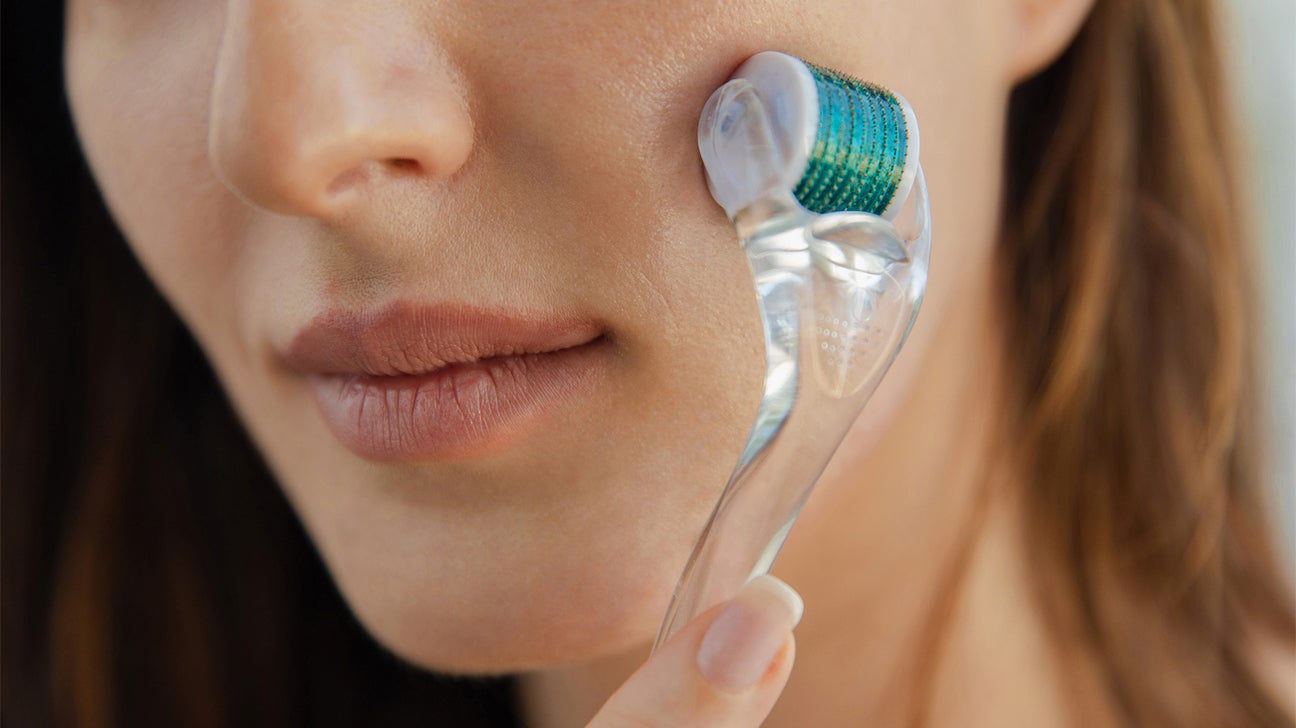
The Engineering Behind Micro-Needling Technology
The functionality of a dermaroller hinges entirely on its precise engineering and material selection. This isn’t merely a roller with spikes; it’s a meticulously crafted instrument designed to create uniform, microscopic channels in the stratum corneum without causing significant dermal injury when used correctly. The technological achievement lies in maintaining needle integrity, ensuring consistent penetration depth, and providing an ergonomic interface for the user.
Precision in Design: Needles and Materials
The most critical component of any dermaroller gadget is its array of micro-needles. These needles are typically manufactured from surgical-grade stainless steel or titanium, chosen for their biocompatibility, strength, and resistance to corrosion and dulling. The material directly impacts the device’s longevity and, crucially, its safety profile. Surgical stainless steel offers excellent sharpness retention and cost-effectiveness, while titanium, being more robust, is often favored for its durability and reduced risk of bending or breaking, particularly in larger needle sizes.
The arrangement and geometry of these needles are also subject to rigorous design. Needles are typically arranged in rows, with manufacturers optimizing patterns to ensure even distribution of punctures across the skin’s surface. The needle count can range from a few hundred to over a thousand, influencing the density of micro-channels created per pass. Equally important is the needle’s tip design – often tapered to minimize epidermal dragging and maximize clean penetration. The manufacturing process involves high-precision machining to ensure each needle is of uniform length and sharpness, guaranteeing consistent and predictable results with each application. Deviations in needle length or sharpness can lead to uneven treatment, localized irritation, or even epidermal damage, underscoring the critical role of manufacturing tolerances in this personal care tech.
Ergonomics and User Interface
Beyond the needles themselves, the dermaroller’s handle and rolling mechanism constitute a significant part of its technological design. Ergonomics play a vital role in user comfort and control, directly influencing the efficacy and safety of the at-home procedure. Handles are typically contoured to fit comfortably in the hand, providing a secure grip that minimizes slippage during use. Materials like medical-grade plastics or silicone are often employed for their tactile properties and ease of sterilization.
The rolling mechanism itself must ensure smooth, consistent rotation without snagging or undue friction. High-quality dermarollers incorporate robust axle designs and bearings to facilitate effortless gliding across the skin, preventing uneven pressure distribution that could compromise treatment uniformity. Furthermore, some advanced designs integrate features like detachable roller heads, allowing for easy replacement or sterilization, thereby extending the gadget’s lifespan and enhancing its hygienic utility. The “user interface” of a dermaroller, though tactile rather than digital, is meticulously designed to make the complex process of micro-needling accessible and manageable for the average consumer, transforming a professional procedure into a viable at-home tech solution.
Dermarolling Gadgets: A Spectrum of Devices
The market for dermarolling technology has diversified, moving beyond the traditional manual roller to include more advanced, often automated, devices. This evolution reflects a broader trend in personal care technology towards enhanced precision, user convenience, and specialized functionality. Understanding the differences between these gadgets is key to appreciating the technological advancements in this field.
Manual Rollers vs. Automated Pens: A Tech Comparison
The classic dermaroller remains a popular entry point, characterized by its simplicity and mechanical operation. Its technology is purely analog: a cylindrical head studded with needles, attached to a handle. The user manually applies pressure and rolls the device across the skin. Its advantages lie in its robustness, lack of reliance on power sources, and straightforward mechanics, which generally make it more affordable. However, achieving consistent pressure and speed requires user skill, and the angle of needle penetration can vary depending on the user’s technique.
In contrast, automated micro-needling pens represent a significant technological leap. These devices are typically battery-powered and feature a disposable cartridge of needles that move rapidly up and down. The primary technological advantage of micro-needling pens is their ability to precisely control needle depth and speed. Users can often adjust these parameters via digital interfaces, allowing for highly customized treatments. The vertical stamping motion of the needles in a pen minimizes epidermal dragging and scratching, which can be a concern with manual rolling, leading to a more consistent and potentially safer application. Furthermore, the automated oscillation ensures a perpendicular entry and exit of the needles, optimizing the creation of micro-channels. These pens often come with varying speed settings, allowing users to adapt the treatment intensity based on the target area and desired outcome, akin to software settings on a digital device.
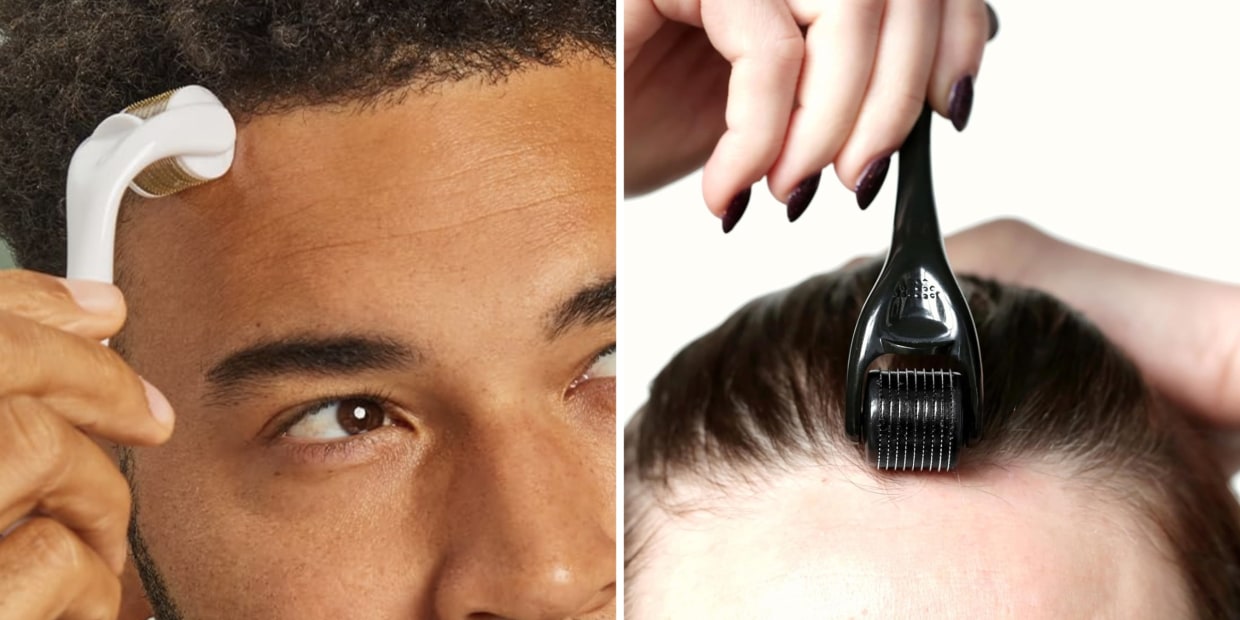
Advanced Features: LED Integration and Vibration
Beyond the core micro-needling mechanism, some dermarolling devices incorporate additional technologies to augment their function. One notable advancement is the integration of LED (Light Emitting Diode) therapy. These devices combine the micro-needling process with specific wavelengths of light, such as red or blue light, emitted directly onto the treated skin area. Red light, for instance, is often associated with cellular regeneration and collagen stimulation, while blue light targets acne-causing bacteria. The integration of LED technology transforms the dermaroller from a purely mechanical device into a multi-modal therapeutic gadget, leveraging distinct physical principles for enhanced effects. The power supply for these LEDs is typically internal, managed by micro-circuitry within the handle.
Another advanced feature found in some dermarolling gadgets is vibrational technology. These devices incorporate small motors that induce a gentle vibration during use. The purported benefit of this feature is two-fold: it can enhance comfort by subtly distracting from the sensation of the needles, and it may also aid in the penetration of topical serums by creating a gentle massage effect that further disperses products into the freshly opened micro-channels. This subtle haptic feedback is another example of how manufacturers are leveraging peripheral technologies to improve the user experience and potential efficacy of dermarolling devices, solidifying their status as sophisticated personal care tools.
Optimizing Your Dermarolling Protocol: A Tech-Savvy Approach
Effective dermarolling extends beyond merely possessing the right gadget; it demands adherence to a precise protocol, often guided by digital resources and systematic methodologies. In the realm of personal care tech, successful outcomes are frequently a synthesis of advanced hardware and intelligent usage. Optimizing a dermarolling regimen involves treating it as a systematic process, much like operating specialized software or following a detailed technical manual.
Software for Skincare? Tracking and Personalization
While there isn’t “software” in the traditional sense that directly controls a manual dermaroller, the principles of data tracking and personalization, common in digital tech, are increasingly relevant to optimizing dermarolling protocols. Many advanced users and professionals advocate for systematic record-keeping of their dermarolling sessions. This can involve simple digital logs or dedicated skincare apps that track:
- Device Used: Type of dermaroller (manual, automated pen), needle material, and size.
- Session Date and Time: Crucial for adhering to recommended frequency and allowing adequate recovery.
- Areas Treated: Detailed mapping of facial or body areas to ensure comprehensive and even application.
- Topical Products Applied: Recording serums, creams, or post-treatment solutions used, noting their active ingredients.
- Skin Response: Documenting immediate post-treatment redness, swelling, or sensitivity, as well as longer-term observations on skin texture, tone, and specific concerns (e.g., fine lines, pigmentation).
This data, while manually entered, acts as a personal “skincare software” database. Analyzing these entries over time allows users to identify patterns, evaluate the efficacy of different needle sizes or topical combinations, and personalize their future protocols. This iterative process of data collection and adjustment reflects a tech-driven approach to self-care, moving beyond anecdotal experience to data-informed decision-making. Future iterations of smart dermarolling devices might even integrate Bluetooth connectivity to dedicated apps, offering automated tracking, personalized recommendations based on AI analysis of user input, and reminders for optimal session timing, akin to fitness trackers or smart scales.
Digital Guides and Safety Protocols
The successful and safe operation of a dermaroller, like any specialized gadget, relies heavily on adhering to strict digital guides and safety protocols. Manufacturers often provide comprehensive digital manuals, video tutorials, and online resources that outline critical steps:
- Pre-treatment Device Preparation: Detailed instructions on sterilizing the dermaroller before and after each use, specifying disinfectant types (e.g., isopropyl alcohol 70%) and immersion times. This is analogous to preparing any sensitive electronic equipment for operation.
- Skin Preparation: Guidelines for cleansing and potentially anesthetizing the skin, ensuring a sterile treatment environment to minimize infection risk, which is paramount when creating micro-channels.
- Application Technique: Precise instructions on how to roll (direction, pressure, number of passes) for various areas, often accompanied by visual aids and recommended patterns. This is akin to a technical instruction manual for operating machinery.
- Post-treatment Care: Protocols for applying specific soothing or active ingredients, and advice on avoiding sun exposure or certain irritating skincare products immediately after treatment.
- Device Maintenance and Storage: Recommendations for cleaning, drying, and safely storing the dermaroller to maintain its integrity and prolong its lifespan.
These digital guides are crucial for mitigating risks associated with improper use. Misinterpreting or neglecting these protocols can lead to adverse effects, underscoring that even with sophisticated personal care tech, user education and adherence to operational guidelines are indispensable. The availability of high-quality, accessible digital information transforms the complex procedure of micro-needling into a manageable, reproducible process for the at-home user.

The Evolution of At-Home Skin Tech: Beyond the Roller
The dermaroller is more than just a current trend; it’s a testament to the ongoing evolution of personal care technology, pushing professional-grade treatments into the domestic sphere. Its development trajectory mirrors other advancements in consumer tech: starting with simple, mechanical devices and progressively integrating sophisticated features, smart functionalities, and multi-modal capabilities. The future of dermarolling and similar micro-needling devices will likely see further innovation driven by advancements in material science, miniaturization of electronics, and the integration of artificial intelligence and machine learning.
We can anticipate the emergence of dermarolling gadgets that incorporate real-time feedback mechanisms, potentially using micro-sensors to assess skin impedance or hydration levels during treatment, then adjusting needle depth or vibration intensity dynamically. Integration with augmented reality (AR) applications could provide guided rolling patterns directly onto the user’s skin via smartphone cameras, enhancing precision and consistency. The development of biodegradable or dissolvable needles infused with active ingredients, offering a “single-use, zero-waste” approach, represents another frontier. Furthermore, as data privacy and digital security become increasingly central to personal tech, future dermarolling devices connected to personal health apps will need to incorporate robust encryption and user data protection protocols.
In essence, “what is dermarolling” transcends a mere definition of a cosmetic tool. It signifies an accessible entry point into the advanced world of at-home skin tech, where mechanical precision, material innovation, and user-centric design converge to empower individuals with professional-grade capabilities within the comfort and convenience of their homes. As technology continues to advance, the dermaroller will undoubtedly evolve, becoming an even more intelligent, integrated, and indispensable component of future personal care ecosystems.
aViewFromTheCave is a participant in the Amazon Services LLC Associates Program, an affiliate advertising program designed to provide a means for sites to earn advertising fees by advertising and linking to Amazon.com. Amazon, the Amazon logo, AmazonSupply, and the AmazonSupply logo are trademarks of Amazon.com, Inc. or its affiliates. As an Amazon Associate we earn affiliate commissions from qualifying purchases.