
The inquiry into the official designation of the Chinese government, “What is Chinese government called?”, might appear to be a straightforward factual query. However, from a branding and corporate identity perspective, the name itself is a profoundly strategic declaration, encapsulating ideological principles, historical legacies, and a carefully constructed public image both domestically and on the global stage. Understanding this nomenclature is not merely about reciting a title, but about dissecting a fundamental aspect of national identity and strategic communication.
The Official Designation: A Cornerstone of National Identity
The official name of the Chinese government is the Government of the People’s Republic of China. This full title, often abbreviated to the People’s Republic of China (PRC), is far more than a simple label; it is a meticulously crafted identifier that communicates core tenets of its political system, its historical narrative, and its aspirations. In the realm of nation branding, this name functions as the primary “corporate identity” for the state, influencing everything from diplomatic relations to economic perceptions.
The “People’s Republic of China”: Unpacking Its Strategic Semantics
Each component of the name “People’s Republic of China” carries significant weight, serving to define the state’s self-perception and project a specific image globally:
- “People’s”: This prefix is ideologically charged, signaling a commitment to the masses and implying a government that derives its legitimacy from and serves the common citizen. In the context of communist and socialist thought, “people’s” distinguishes the state from earlier feudal or capitalist systems, positioning it as a vanguard for the working class and peasantry. From a branding perspective, it aims to foster an image of inclusivity, social justice, and collective ownership, resonating with a narrative of liberation and popular sovereignty. It attempts to frame the government not as an elite structure, but as an embodiment of the collective will.
- “Republic”: The term “Republic” signifies a state where supreme power is held by the people and their elected representatives, rather than by a monarch or emperor. This element of the name firmly places China within a modern political framework, distancing it from its imperial past and aligning it with contemporary state structures. It communicates a degree of democratic aspiration, even if the practical implementation of “republicanism” within China’s one-party system differs significantly from Western liberal democracies. For its brand identity, “Republic” aims to convey modernity, legitimacy based on a social contract, and a departure from dynastic rule.
- “China”: This is the geographical and civilizational identifier, grounding the political entity in a millennia-old cultural and historical continuity. It provides the foundational recognition and cultural resonance. The inclusion of “China” connects the modern state with a powerful historical legacy, allowing it to leverage centuries of cultural capital and a sense of enduring national spirit in its global branding efforts. It reinforces the notion of a unified territory and a singular civilization.
Together, these elements construct a deliberate brand identity that seeks to blend revolutionary ideals with historical continuity and modern statehood. It is a name designed to resonate with domestic pride and command international respect, articulating the state’s fundamental character in a concise, authoritative manner.
Identity Through Nomenclature: A Branding Perspective
In the world of nation branding, a country’s official name is its most fundamental identifier. It is the primary “logo” or “corporate name” that encapsulates its values, political structure, and global positioning. The choice of “People’s Republic of China” reflects a sophisticated understanding of how nomenclature shapes perception and defines identity.
Crafting a National Brand Identity
The naming of the People’s Republic of China was a pivotal act of brand creation, marking a radical break from previous iterations of the Chinese state (such as the Republic of China, which retreated to Taiwan). This new name was not just a label but a programmatic statement, designed to:
- Establish a New Order: It declared the birth of a new political system rooted in specific ideological principles, distinct from its predecessors. This re-branding was essential for internal unity and external recognition of the new regime.
- Communicate Core Values: As analyzed above, “People’s” and “Republic” communicate foundational values of popular sovereignty and modern governance, even if interpreted through a unique lens. These values form the ideological backbone of the PRC’s national brand.
- Differentiate and Distinguish: The name clearly differentiates the PRC from the Nationalist government (Republic of China), emphasizing a new era and a distinct political philosophy. This clear differentiation was crucial for securing international recognition and establishing its unique identity on the world stage.
Global Perception and Diplomatic Branding
The name “People’s Republic of China” is the first point of contact for diplomatic engagement, international trade, and cultural exchange. Its consistent use and recognition are vital for the PRC’s global brand strategy:
- Consistency and Authority: The unwavering use of the full official name, particularly in formal contexts, reinforces the PRC’s authoritative presence and its claim as the sole legitimate government of China. This consistency is a hallmark of strong branding, ensuring clear communication and avoiding ambiguity.
- Projecting Stability and Sovereignty: In an international system that values state sovereignty, having a clear, recognized official name is paramount. It projects an image of stability, legitimacy, and singular authority over its territory and people. Any deviation or refusal to use the official name by other states is often seen as a diplomatic affront, challenging its brand integrity.
- Soft Power and Cultural Influence: Beyond hard politics, the name anchors the PRC’s broader cultural and economic brand. When companies invest in “China” or tourists visit “China,” they are engaging with the entity known officially as the People’s Republic of China. The name thus becomes inextricably linked to all facets of its soft power projection, from economic prowess to cultural heritage.
Consistency and Recognition in the International Arena
For any brand, consistency and recognition are key to success. For a nation-state, this means ensuring that its official name is universally accepted and used. The PRC has historically invested significant diplomatic capital in ensuring that “People’s Republic of China” is the recognized designation, particularly in forums like the United Nations, where its representation signifies its global standing. The “One-China policy,” for instance, is a direct assertion of this brand identity, demanding that other states acknowledge the PRC as the sole legitimate government of China, thereby reinforcing its chosen nomenclature and exclusive claim.
Historical Context and Ideological Roots of the Name
The journey to the current official name is steeped in China’s tumultuous 20th-century history, reflecting a profound ideological and political transformation. Understanding this evolution is critical to appreciating the layers of meaning embedded in the PRC’s identity.
From Dynasties to Republics
For millennia, China was governed by a succession of imperial dynasties, with the ruler known as the Emperor. The last imperial dynasty, the Qing, collapsed in 1911, ushering in the Republic of China. This marked a monumental shift from imperial rule to a modern republican form of government, albeit one plagued by instability, warlordism, and foreign encroachment. The Republic of China, established by Sun Yat-sen, sought to modernize China and bring it into the family of nations as an equal, emphasizing concepts like nationalism, democracy, and the people’s livelihood. Its brand identity was about shedding the feudal past and embracing a new, democratic future.
The Communist Revolution and Name Formulation
The establishment of the People’s Republic of China on October 1, 1949, by Mao Zedong and the Communist Party of China (CPC) represented a second, even more profound, ideological break. Having emerged victorious from a protracted civil war against the Kuomintang (Nationalist Party) of the Republic of China, the CPC deliberately chose a name that would clearly signal its revolutionary character and its commitment to Marxist-Leninist principles adapted to the Chinese context.
The name “People’s Republic of China” was not arbitrary. It was a conscious choice designed to:
- Legitimize the Revolution: By emphasizing “People’s,” the new government positioned itself as the true representative of the masses, fulfilling the aspirations for liberation and social justice that the Republic of China, in the Communist view, had failed to achieve.
- Establish a New Socialist State: The name declared the establishment of a socialist state, distinct from capitalist republics. It was a brand statement for a new socio-economic and political model.
- Claim Continuity with Chinese Civilization: Retaining “China” ensured that the new state, despite its revolutionary ideology, was still deeply rooted in the long and illustrious history of the Chinese nation, thus preventing a complete break in cultural and historical identity. This blend of radical ideology and historical continuity forms a complex and powerful brand narrative.
The Party’s Role in National Identity and Governance
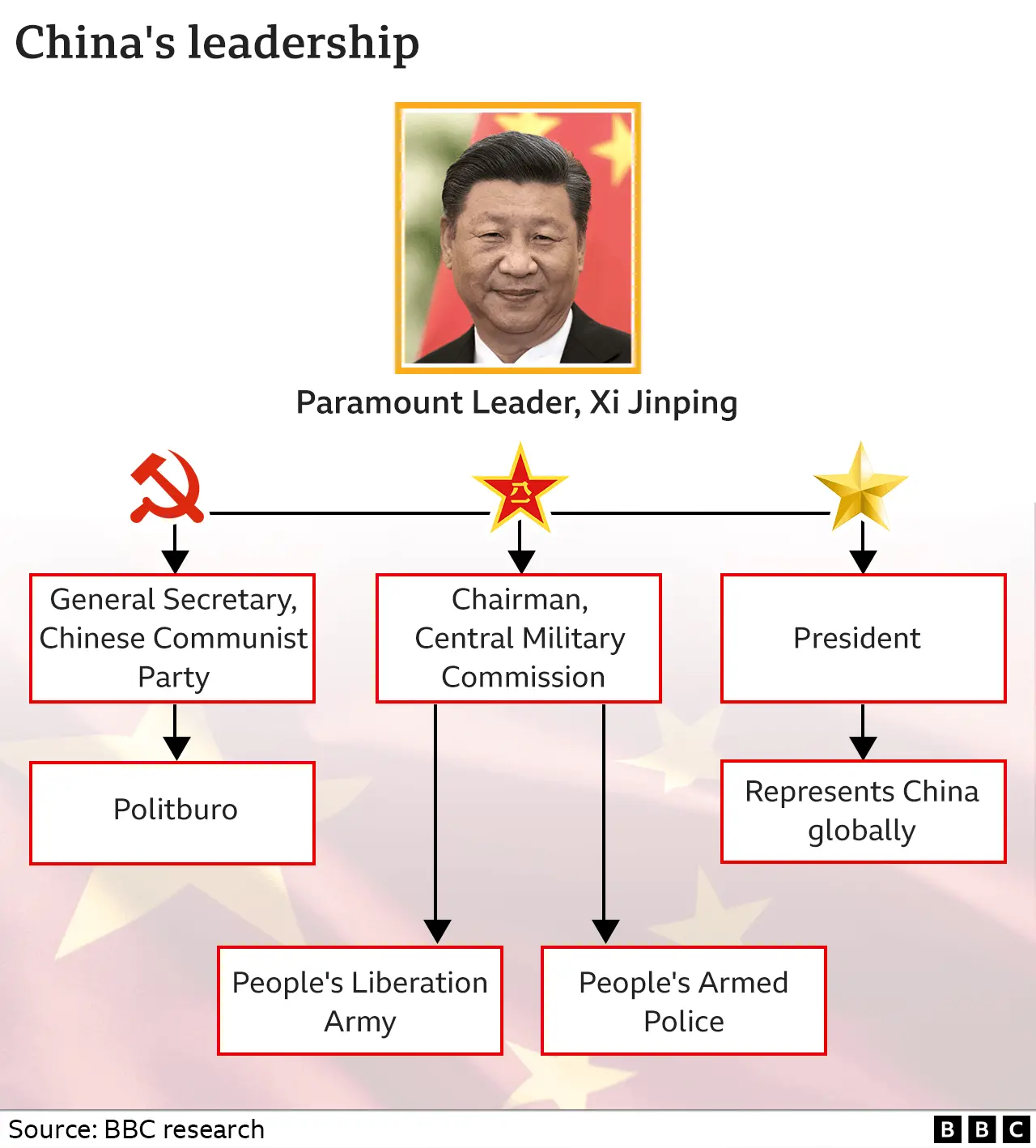
While the official government is the “Government of the People’s Republic of China,” the ultimate guiding force and the most powerful entity within the state is the Communist Party of China (CPC). From a branding perspective, the CPC is the “parent company” or the “master brand” that directs the “product” which is the state itself.
The Communist Party of China: The Guiding Force
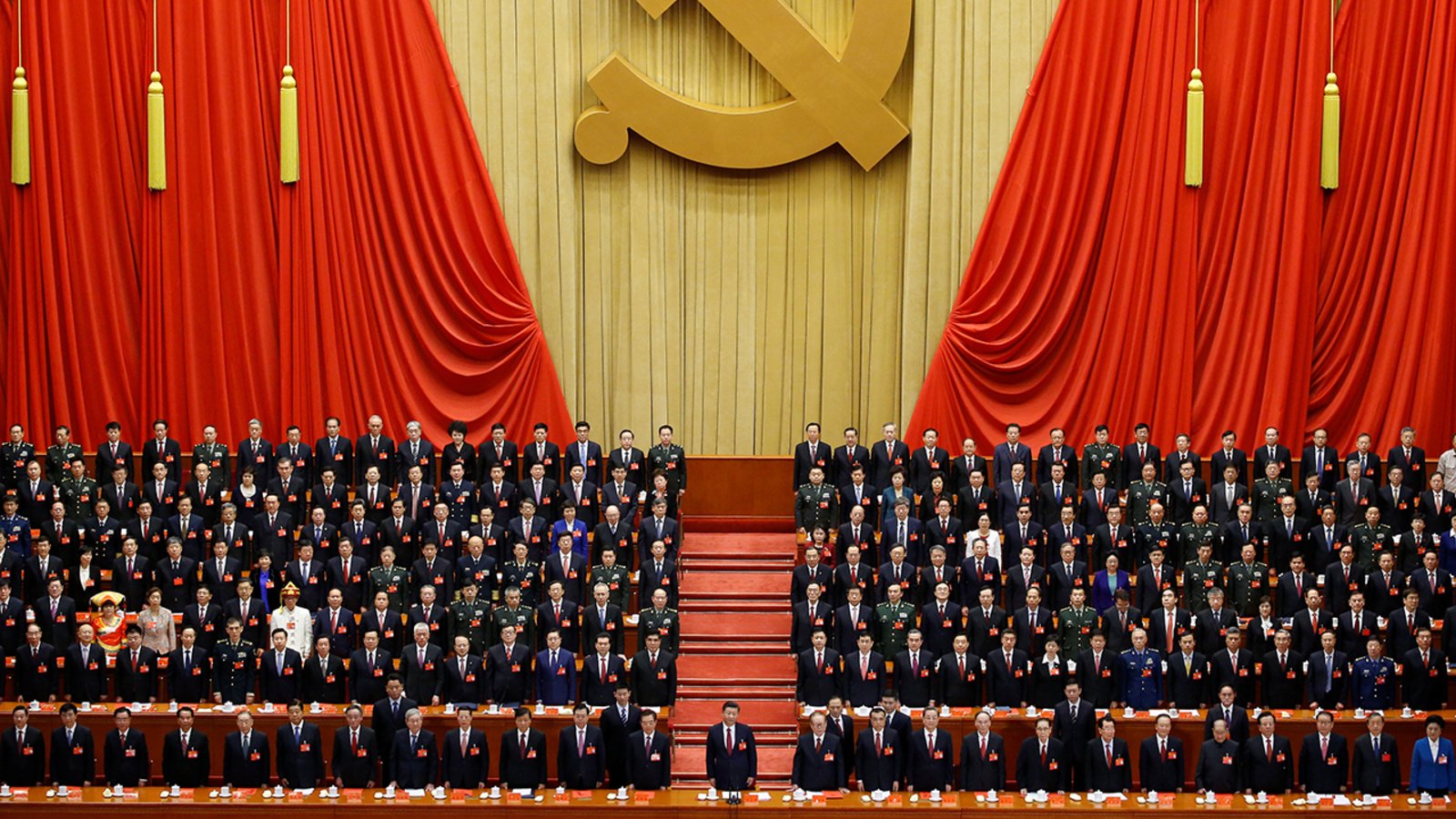
The CPC is enshrined in the Constitution as the leading political party, and its ideology, particularly “Socialism with Chinese Characteristics,” forms the guiding principles for all state organs. The Party exercises comprehensive control over the military, media, education, and the judiciary, ensuring that the state apparatus executes its policies and vision. The Party’s brand is one of strong, centralized leadership, stability, and a long-term vision for national rejuvenation.
The Interplay Between Party and State Identity
For the casual observer, the distinction between the “Government of the People’s Republic of China” and the “Communist Party of China” can be blurred, and often deliberately so. This intertwined identity is a critical aspect of China’s political branding:
- Unified Messaging: The Party ensures a unified message and a consistent national brand is projected, minimizing internal dissonance that could weaken its image.
- Centralized Control: The Party’s overarching authority ensures that the state’s actions and policies are aligned with its long-term strategic objectives, reinforcing its brand as a cohesive and disciplined entity.
- Legitimacy and Authority: The Party’s historical role in establishing the PRC and its continuous leadership are central to its claim of legitimacy, reinforcing its brand as the guardian of the nation’s interests.
In conclusion, the question “What is Chinese government called?” leads to a profound exploration of identity, ideology, and strategic branding. The official name, “Government of the People’s Republic of China,” is a carefully constructed artifact that blends revolutionary aspirations with historical legacy, designed to project an image of popular sovereignty, modern statehood, and national continuity, all under the guiding hand of the Communist Party of China. Its nomenclature is a powerful tool in shaping both domestic perceptions and its influential role on the global stage.
aViewFromTheCave is a participant in the Amazon Services LLC Associates Program, an affiliate advertising program designed to provide a means for sites to earn advertising fees by advertising and linking to Amazon.com. Amazon, the Amazon logo, AmazonSupply, and the AmazonSupply logo are trademarks of Amazon.com, Inc. or its affiliates. As an Amazon Associate we earn affiliate commissions from qualifying purchases.