
The Narrative Shift as Brand Re-definition: Global Espionage Meets Small-Town Charm
The narrative heart of Cars 2 represents a pivotal moment in the evolution of the Cars franchise as a brand. Moving far beyond the nostalgic, Americana-infused charm of Radiator Springs, the sequel thrusts its beloved characters, Lightning McQueen and Mater, into a high-stakes, international espionage thriller. This radical thematic departure, rather than a mere plot progression, served as a deliberate brand strategy to expand the universe, diversify its appeal, and inject new energy into an already successful intellectual property. Understanding what Cars 2 is about from a brand perspective requires analyzing this significant shift in storytelling and its implications for brand perception, audience engagement, and long-term franchise viability.

Expanding the “Cars” Universe: Risk and Reward in World-Building
The decision to transition from a localized racing drama to a global spy adventure was a bold move in brand world-building. It enabled the introduction of a vast array of new international characters, exotic locations, and complex plotlines that extended the brand’s narrative scope beyond its initial, well-defined parameters. This expansion offered both significant opportunities and inherent risks. On the opportunity side, it allowed for broader cultural representation, tapping into new markets and appealing to a more diverse global audience. The inclusion of characters like Finn McMissile, an impeccably British secret agent, and Holley Shiftwell, a technologically advanced spy, broadened the character roster and offered new archetypes for merchandising and future storytelling.
However, the risk lay in potentially alienating the core audience who resonated with the simple, heartfelt themes and small-town ethos of the original Cars. The brand identity built around community, friendship, and the purity of racing was suddenly overlaid with conspiracies, advanced weaponry, and global stakes. This move challenged the established brand promise, compelling audiences to re-evaluate their expectations for the Cars universe. From a brand management standpoint, it was an attempt to prove the versatility and enduring appeal of the Cars concept, demonstrating that its characters could thrive in varied genres and settings, thus enhancing the brand’s perceived elasticity and longevity.
Mater’s Centrality: Testing Brand Perceptions and Audience Loyalty
A defining element of Cars 2‘s narrative is the elevation of Tow Mater, the rusty, good-natured tow truck, from comedic sidekick to accidental secret agent protagonist. This move had profound implications for the Cars brand identity. Mater had become an immensely popular character, a fan favorite known for his humorous antics, loyal friendship, and endearing naiveté. Placing him at the center of a complex spy plot was a calculated risk aimed at leveraging his existing brand equity.
From a branding perspective, this decision aimed to deepen Mater’s character brand, positioning him not just as a supporting player but as a central figure capable of carrying a main narrative. It sought to capitalize on his broad appeal, particularly among younger audiences, who found his slapstick humor and earnestness irresistible. However, making Mater the primary lens through which the global adventure unfolds also altered the tonal balance of the franchise. The initial Cars film balanced comedy with poignant themes of self-discovery and community. Cars 2, with Mater’s exaggerated antics driving much of the plot, shifted the brand’s tone towards a more overtly comedic and action-oriented experience. This pivot tested audience loyalty, particularly those who appreciated the more grounded storytelling of the first film, and arguably diluted the brand’s original emotional resonance in favor of broader entertainment value. The brand message became less about “finding your way” and more about “embracing who you are, no matter the circumstances,” even if those circumstances are battling international villains.
Character Branding: Leveraging Existing Equity and Introducing New Assets
The effectiveness of any long-running franchise brand hinges significantly on its characters. Cars 2 navigated the complex terrain of character branding by attempting to balance the established appeal of its protagonists with the introduction of new, strategically designed assets. This approach aimed to invigorate the brand, offer fresh merchandising opportunities, and maintain audience engagement in an increasingly competitive entertainment landscape.
Lightning McQueen’s Enduring Appeal vs. Mater’s Protagonist Role
Lightning McQueen and Mater represent distinct facets of the Cars brand’s character equity. Lightning McQueen embodies speed, aspiration, and the journey of a champion, carrying the aspirational brand image. Mater, conversely, represents humor, loyalty, and the everyman appeal, forming the accessible, relatable core of the brand. In Cars 2, the brand strategy shifted Mater into the protagonist role, effectively pushing Lightning McQueen into a secondary, albeit still significant, supporting character.
This reordering of prominence was a bold rebranding move for the characters. It allowed the franchise to explore new narrative avenues through Mater’s perspective, highlighting themes of misunderstanding and self-acceptance in a global context. However, it also diluted Lightning McQueen’s traditional role as the brand’s central hero, potentially challenging the expectations of an audience accustomed to his leadership. The character branding here illustrates an attempt to diversify the brand’s appeal by showcasing the versatility of its ensemble, demonstrating that the “Cars” brand is not solely reliant on one character but a dynamic interplay of personalities. This decision also strategically aimed to enhance Mater’s individual brand value, making him a more central and marketable figure for spin-offs and additional media.
The New Global Cast: Reinforcing Themes of Diversity and Connection
The introduction of a diverse array of international characters was a deliberate brand expansion strategy. From the sophisticated British spy duo Finn McMissile and Holley Shiftwell to the numerous World Grand Prix racers from different nations (such as Francesco Bernoulli from Italy, Carla Veloso from Brazil, and Raoul ÇaRoule from France), these new characters served multiple branding purposes. Firstly, they instantly broadened the Cars universe, visually and culturally, reinforcing a theme of global interconnectedness. This was crucial for a brand with international box office ambitions and extensive global merchandising reach.
Secondly, these characters provided fresh archetypes and visual designs, offering new avenues for toy lines, video games, and other brand extensions. Each new car was meticulously designed with cultural nuances, from their paint jobs to their accents and personalities, making them instantly recognizable and marketable. This enriched the overall brand tapestry, providing new points of entry for different audience segments and allowing the brand to speak to a wider global audience by reflecting their own cultures within the Cars world. Their integration into the narrative underscored the brand’s message about embracing differences and finding common ground, even in a high-stakes competitive environment.
Design Language and Visual Identity: Consistency Amidst Expansion
Despite the dramatic shift in setting and plot, Cars 2 maintained a strong visual consistency in its design language, which is paramount for brand recognition. The animation style, character models, and environmental details retained the distinctive Pixar aesthetic established in the first film. This consistency in visual identity ensured that while the brand’s narrative content evolved, its core visual recognizability remained intact. The sleek, anthropomorphic car designs, the vibrant color palettes, and the detailed environments were all instantly identifiable as part of the Cars brand.
The challenge was to integrate the new spy genre elements and global locales without disrupting this established visual brand. This was achieved by cleverly adapting the existing design language. For instance, the spy gadgets were integrated seamlessly into the car designs, becoming extensions of their bodies rather than clunky add-ons. The various international settings, while new, were rendered with the same attention to detail and charming anthropomorphism as Radiator Springs, ensuring they felt like natural extensions of the Cars world. This commitment to a consistent visual brand, even amidst significant expansion, was critical in ensuring that new content felt familiar and belonged to the established franchise.
Marketing “Cars 2”: Crafting a Global Brand Narrative
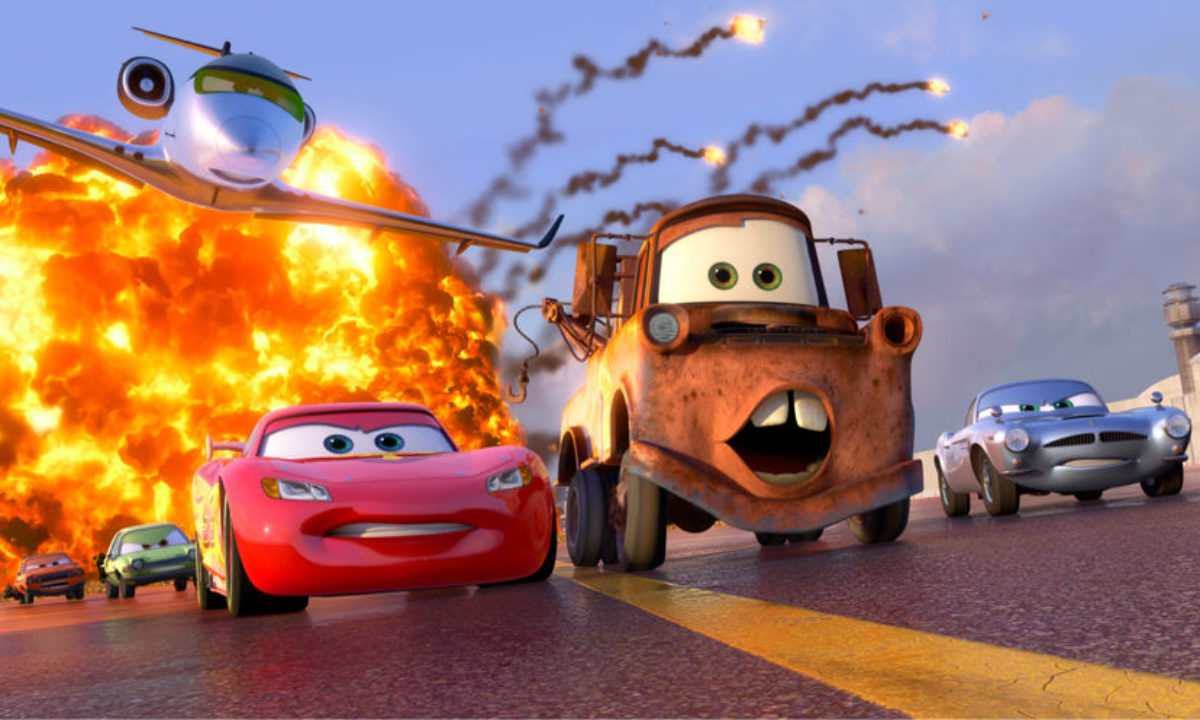
The marketing campaign for Cars 2 was a masterclass in adapting brand messaging to a new narrative direction while leveraging the established equity of a beloved franchise. It strategically positioned the film not merely as a sequel but as an elevated, more expansive adventure, crafting a global brand narrative designed to appeal to both loyal fans and new audiences worldwide.
Positioning the Film: From Adventure to International Intrigue
The core challenge for the Cars 2 marketing team was to pivot the brand’s perception from a charming, character-driven story to an action-packed, international spy thriller. Trailers and promotional materials heavily emphasized the new elements: exotic locations like Tokyo, Paris, and London; high-tech gadgets; thrilling chase sequences; and the introduction of new, intriguing characters like Finn McMissile. Mater, while still presented as a source of comedic relief, was also central to the spy plot, underscoring his elevated role.
This strategic positioning aimed to differentiate Cars 2 from its predecessor and signal a bolder, more dynamic cinematic experience. The messaging highlighted themes of global competition, secret missions, and unexpected heroism, appealing to a broader demographic interested in action and adventure, beyond just racing enthusiasts. The visual identity of the marketing campaign—sleek, vibrant, and dynamic—reinforced this shift, utilizing stylized graphics and fast-paced editing to convey the excitement of the new genre. It was a conscious effort to broaden the Cars brand’s narrative repertoire and demonstrate its adaptability, indicating that the franchise was capable of delivering diverse entertainment experiences.
Cross-Promotional Synergy: Disney’s Ecosystem and Brand Amplification
As a Pixar film under the Disney umbrella, Cars 2 benefited immensely from Disney’s powerful ecosystem for brand amplification. The marketing campaign was not limited to traditional film promotion but extended across various Disney properties and partnerships. This included integration into Disney theme parks (e.g., Cars Land at Disneyland Resort, which heavily features characters and themes from the films), Disney Channel promotions, merchandise tie-ins with major retailers, and synergistic campaigns with automotive brands.
This cross-promotional strategy ensured omnipresence for the Cars 2 brand, reaching consumers through multiple touchpoints. Toys, video games, clothing, and even food products were branded with Cars 2 imagery and characters, creating a consistent and pervasive brand experience. The synergy between the film and its associated products reinforced the narrative, making the characters and their new adventures a tangible part of children’s lives. This approach is fundamental to Disney’s corporate identity, leveraging every asset to maximize brand engagement and commercial success. It illustrates how the content of a film, even with its narrative shifts, becomes the foundation for a much larger, interconnected brand universe.
The Role of Merchandise and Licensing: Brand Omnipresence
Perhaps more than any other Pixar franchise, Cars excels in the realm of merchandise and licensing. Cars 2 significantly expanded these opportunities due to its introduction of a vast array of new characters and vehicles from around the world. Each new race car, spy car, and villain became a potential toy, contributing to a colossal line of products that generated billions in revenue. The film’s narrative, with its emphasis on global competition and varied vehicle designs, directly fed this merchandising engine.
The branding strategy here was to capitalize on the collectible nature of the Cars universe. The detailed designs of the international racers, combined with the exciting spy gadgets of Finn McMissile and Holley Shiftwell, provided fresh, compelling reasons for consumers to engage with the brand through product purchases. This merchandising deluge ensured brand omnipresence in retail environments, keeping Cars 2 top-of-mind for its target demographic long after its theatrical run. It highlights how the creative content of the film directly serves as a blueprint for extending the brand’s reach and commercial footprint, solidifying its place as a powerhouse in the entertainment and toy industries.
“Cars 2” as a Pixar Brand Case Study: Innovation, Expectation, and Legacy
Cars 2 serves as a fascinating case study in how a major studio navigates the complexities of brand management, balancing creative ambition with commercial pressures and audience expectations. It challenged the established brand image of Pixar itself, known for its consistent critical acclaim and innovative storytelling.
Pixar’s Brand Promise: Storytelling Prowess and Creative Integrity
Pixar Animation Studios has cultivated a brand identity synonymous with groundbreaking animation, emotionally resonant storytelling, and creative integrity. Their brand promise is built on delivering films that appeal to all ages, often through universal themes wrapped in innovative narratives. Cars 2, with its significant genre shift and emphasis on action and comedy over the deeper emotional arcs typical of Pixar, tested this brand promise. The question, what is Cars 2 about, for many, wasn’t just about the plot, but about how this film fit into the revered canon of Pixar.
From a corporate identity perspective, Cars 2 demonstrated Pixar’s willingness to experiment and take risks with its established properties. It was an attempt to prove that the studio could expand its narrative range, even if it meant venturing into a more overtly commercial and less critically acclaimed territory. This strategic decision reflected a broader understanding that the Pixar brand, while rooted in artistic excellence, also had to consider the commercial longevity and diversification of its intellectual properties within the larger Disney conglomerate. It highlighted the tension between maintaining a specific creative brand identity and the pressures of franchise management.
Audience Reception and Brand Perception: Navigating Criticism
The reception to Cars 2 was notably mixed, marking a rare instance where a Pixar film did not achieve universal critical acclaim. While commercially successful, the film faced criticism for its perceived shift in tone, plot complexity, and the prominence of Mater’s character. This critical reception directly impacted the Cars brand’s perception, and to some extent, even Pixar’s overall brand reputation.
From a brand management viewpoint, the criticism offered valuable insights into audience expectations for both the Cars franchise and Pixar as a studio. It highlighted that while brand expansion and narrative diversification can offer new opportunities, they must be carefully balanced with the core values and emotional connections that audiences have formed with the brand. The mixed reception prompted a re-evaluation of the Cars brand strategy, ultimately influencing the creative direction of subsequent installments like Cars 3, which returned to a more character-driven, emotionally resonant narrative closer to the original film’s spirit. This feedback loop is crucial for any brand seeking to maintain relevance and loyalty.
Long-Term Franchise Value: Securing the “Cars” Brand Future
Despite the polarized critical reception, Cars 2 undeniably played a role in securing the long-term franchise value of the Cars brand. Its global scope, introduction of new characters, and robust merchandising success significantly expanded the brand’s footprint and commercial viability. The film cemented Cars as a pillar of the Pixar/Disney portfolio, generating substantial revenue not just from the box office but from an extensive array of licensed products, theme park attractions, and subsequent media.
In essence, Cars 2 was about more than just a spy story; it was about the strategic re-invigoration and global expansion of a powerful brand. By exploring new genres and character dynamics, it tested the limits of the Cars universe, ultimately demonstrating the brand’s adaptability and commercial power. It underscored that a brand’s narrative content, even when controversial, can be a potent tool for extending its reach, diversifying its offerings, and securing its future in a highly competitive market, providing rich lessons in corporate identity, marketing, and the enduring power of intellectual property.
aViewFromTheCave is a participant in the Amazon Services LLC Associates Program, an affiliate advertising program designed to provide a means for sites to earn advertising fees by advertising and linking to Amazon.com. Amazon, the Amazon logo, AmazonSupply, and the AmazonSupply logo are trademarks of Amazon.com, Inc. or its affiliates. As an Amazon Associate we earn affiliate commissions from qualifying purchases.