
The journey of pregnancy is often accompanied by a myriad of new sensations, some reassuring, others less so. Among these, uterine contractions are a common experience, leading to a natural concern for expectant parents: are these “real” labor contractions or something else? This is precisely where Braxton Hicks contractions enter the narrative, often referred to as “practice contractions.” In an increasingly digital world, the understanding, differentiation, and management of these physiological events are being profoundly influenced by advancements in technology, transforming how expectant parents interact with their own bodies and healthcare providers.

The Digital Imperative in Expectant Parenthood: Understanding Contractions
For centuries, distinguishing Braxton Hicks from true labor contractions relied solely on subjective interpretation and medical examination. Today, technology has emerged as a crucial enabler, providing objective data and actionable insights that empower expectant parents to navigate this common pregnancy phenomenon with greater confidence and reduced anxiety.
Demystifying “Practice Contractions”: A Technical Challenge
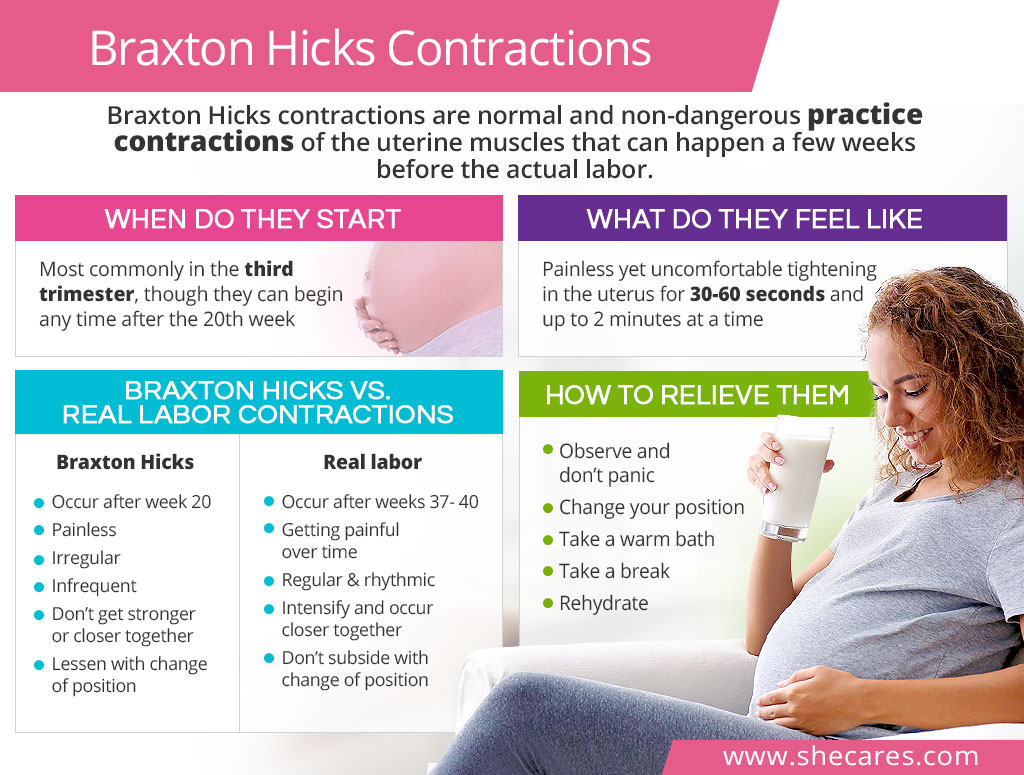
Braxton Hicks contractions are the body’s way of preparing the uterus for labor. They are typically irregular, sporadic, and do not increase in intensity, frequency, or duration over time. Unlike true labor, which causes cervical changes and follows a progressive pattern, Braxton Hicks contractions are primarily muscular tightening without significant physiological progression towards birth. However, for an expectant parent, particularly a first-timer, the subjective feeling can be unsettling. The key challenge lies in accurately distinguishing these “practice” contractions from the initial stages of actual labor, a distinction often fraught with anxiety and leading to unnecessary calls or visits to healthcare facilities.
This information gap creates a critical need for tools that can move beyond anecdotal experience. Technology offers the potential to quantify subjective sensations, providing a data-driven approach to differentiate these contractions. By recording the timing, duration, and frequency, digital tools help to objectify the experience, enabling a clearer understanding of patterns, or lack thereof, characteristic of Braxton Hicks.
The Role of Digital Tools in Early Differentiation
The advent of digital health applications and smart wearables has revolutionized the way expectant parents monitor their pregnancy symptoms. These tools transform the subjective experience of contractions into measurable data points, offering a systematic approach to identifying the characteristics of Braxton Hicks. Instead of relying solely on memory or guesswork, individuals can now record real-time information, which then becomes a valuable resource for self-assessment and communication with medical professionals. This early differentiation, facilitated by technology, not only reduces stress but also optimizes resource allocation for both the individual and the healthcare system.
Pregnancy Tech Innovations: Tracking and Analysis Tools
The market for pregnancy-related technology has expanded rapidly, offering a diverse array of tools designed to support expectant parents through every stage, including the nuanced experience of Braxton Hicks contractions. These innovations provide unprecedented levels of self-monitoring and data analysis capabilities.
Contraction Tracking Apps: Your Personal Digital Logbook
Dedicated contraction tracking applications represent a cornerstone of digital pregnancy support. Available on smartphones and tablets, these apps serve as sophisticated digital logbooks, allowing users to precisely record the onset and end of each contraction. Popular examples include apps from major pregnancy platforms like Ovia, What to Expect, and BabyCenter, as well as standalone contraction timers.
Key features often include:
- Start/Stop Timers: Intuitive interfaces allow users to tap a button at the beginning and end of a contraction, automatically calculating its duration.
- Frequency and Interval Calculation: The app automatically calculates the time between contractions, providing data on their frequency.
- Intensity Logging: Users can often rate the intensity of a contraction (e.g., mild, moderate, strong) to track subjective progression.
- Historical Graphs and Data Visualization: The recorded data is often presented in easy-to-understand graphs and charts, illustrating patterns or the lack thereof. This visual representation is crucial for identifying the irregular and non-progressive nature of Braxton Hicks.
- Note-Taking Features: Users can add contextual notes, such as activity prior to contractions (e.g., after exercise, dehydration), which can often be triggers for Braxton Hicks.
- Exportable Data: Many apps allow users to export their contraction data, making it easy to share precise information with healthcare providers during consultations.
The benefits of these apps extend beyond simple data collection. They empower expectant parents with objective information, fostering a sense of control and reducing the anxiety associated with ambiguous symptoms. By consistently logging data, individuals can often identify their personal patterns for Braxton Hicks – perhaps they occur more frequently in the evening, after physical activity, or when dehydrated – providing reassurance that these are indeed practice contractions and not true labor.
Wearable Technology: Passive Monitoring for Proactive Insights
Beyond active logging, the frontier of pregnancy tech is moving towards passive monitoring through wearable devices. While still an evolving area, smart wearables hold the promise of offering continuous, unobtrusive data collection related to uterine activity. Though direct uterine pressure measurement in consumer wearables is not yet mainstream, advancements are exploring how various physiological parameters can offer insights.
Emerging wearable concepts include:
- Specialized Belly Bands with Sensors: Prototypes and early products integrate sensors into comfortable abdominal bands that could potentially detect subtle uterine movements or electrical activity (electromyography of the uterine muscle). These devices aim to provide a more objective, continuous stream of data than manual logging.
- Smartwatches and Fitness Trackers: While not specifically designed for contractions, advanced smartwatches with capabilities to track heart rate variability, sleep patterns, and activity levels could, in the future, integrate algorithms that look for correlations or anomalies suggestive of uterine activity when combined with other data.
- Smart Patches: Disposable or reusable adhesive patches worn on the abdomen are another area of research, potentially offering non-invasive monitoring of various physiological signals that could be indicative of uterine contractions.
The vision for these wearables is to provide proactive insights, potentially alerting users to sustained patterns that warrant medical attention, or conversely, reassuring them that irregular activity falls within the scope of normal Braxton Hicks. The challenge remains in developing devices that are both accurate enough for medical relevance and comfortable/convenient enough for everyday use by expectant parents.
Telehealth, AI, and Big Data: Enhancing Pregnancy Support
The integration of advanced technologies like telehealth, artificial intelligence (AI), and big data analytics is further refining the support ecosystem for expectant parents, especially concerning the nuanced aspects of contractions.
Virtual Care Platforms: Bridging the Information-Action Gap
Telehealth services have become indispensable, offering convenient and accessible avenues for medical consultation. For concerns regarding Braxton Hicks contractions, virtual care platforms allow expectant parents to connect with obstetricians, midwives, or nurses from the comfort of their homes. This is particularly valuable for individuals who might be hesitant to make an unnecessary trip to the hospital or clinic.
Through video calls or secure messaging, individuals can describe their symptoms, share the precise contraction data logged in their tracking apps, and receive immediate professional guidance. This interaction helps bridge the gap between self-monitoring and professional medical advice, reducing anxiety and ensuring appropriate action is taken—whether it’s reassurance that the contractions are indeed Braxton Hicks or advice to seek in-person evaluation if a concerning pattern emerges. The ability to share objective data directly from an app during a virtual consultation significantly enhances the quality of remote assessment.
AI-Powered Analytics for Predictive Understanding
The vast amounts of data collected by pregnancy apps and wearables present a unique opportunity for AI and machine learning. Anonymized and aggregated data from millions of users can be analyzed by AI algorithms to identify broader patterns, correlations, and predictive insights that are not discernible through individual observation alone.
Potential applications of AI include:
- Personalized Risk Assessment: AI could analyze a user’s contraction patterns, lifestyle factors, and medical history to offer a personalized assessment of the likelihood that contractions are Braxton Hicks versus early labor, suggesting when professional medical consultation is advisable.
- Enhanced Educational Content: AI-powered platforms can deliver highly personalized educational content about Braxton Hicks, adapting information based on the user’s logged data, questions, and learning style.
- Early Anomaly Detection: In the future, AI models could potentially identify subtle deviations from typical Braxton Hicks patterns that might indicate other underlying issues, prompting earlier medical intervention.
It is crucial to emphasize that AI in this context serves as a support tool, providing intelligent insights and recommendations, but it is not a diagnostic replacement for human medical professionals. The ethical implications of data privacy and algorithmic bias also remain key considerations in the development and deployment of these AI tools.
Data Security and Privacy in Digital Pregnancy Care
As pregnancy-related technology becomes more sophisticated and collects increasingly sensitive health data, the imperative for robust data security and privacy measures intensifies. Expectant parents share intimate details about their health and their developing baby, making the protection of this information paramount.
Key considerations include:
- Strong Encryption: All data, both in transit and at rest, must be encrypted to prevent unauthorized access.
- Compliance with Regulations: Apps and platforms should adhere to relevant data protection regulations such as GDPR (General Data Protection Regulation) in Europe and HIPAA (Health Insurance Portability and Accountability Act) in the United States, which govern the handling of sensitive health information.
- Transparent Privacy Policies: Users must be provided with clear, easy-to-understand privacy policies that outline exactly what data is collected, how it is used, with whom it is shared, and how it is protected.
- User Control: Expectant parents should have control over their data, including the ability to access, correct, and delete their information.
The trustworthiness of pregnancy tech depends heavily on its commitment to protecting user privacy. Reputable developers invest heavily in cybersecurity to safeguard this highly personal and sensitive information.
The Future Landscape: Integrated Ecosystems and Personalized Monitoring
The trajectory of technology in pregnancy care points towards an increasingly integrated and personalized experience. The future envisions a seamless ecosystem where various tech tools work in concert to provide a holistic view of maternal health, with a particular focus on ambiguous symptoms like Braxton Hicks contractions.
Towards a Unified Digital Pregnancy Experience
Imagine a future where a smart wearable passively monitors subtle physiological changes, feeding data directly into a personalized pregnancy app. This app not only logs contractions but also integrates with other health metrics, offering comprehensive insights. This integrated data could then be securely shared with a healthcare provider via a telehealth platform, enabling truly proactive and preventative care. This unified digital experience aims to reduce fragmentation in care, improve communication, and provide a more complete picture of an expectant parent’s health journey.

Empowering Expectant Parents with Intelligent Insights
Ultimately, the goal of these technological advancements is to empower expectant parents with intelligent, actionable insights. By demystifying phenomena like Braxton Hicks contractions through data, analysis, and expert connectivity, technology reduces anxiety, fosters informed decision-making, and enhances the overall pregnancy experience. As these tools continue to evolve, they promise to make the journey of bringing a new life into the world safer, more transparent, and more connected than ever before.
aViewFromTheCave is a participant in the Amazon Services LLC Associates Program, an affiliate advertising program designed to provide a means for sites to earn advertising fees by advertising and linking to Amazon.com. Amazon, the Amazon logo, AmazonSupply, and the AmazonSupply logo are trademarks of Amazon.com, Inc. or its affiliates. As an Amazon Associate we earn affiliate commissions from qualifying purchases.