
The humble can of baked beans, a staple in countless kitchens worldwide, might seem like a simple concoction. Yet, beneath its unassuming exterior lies a carefully curated blend of ingredients that form the very foundation of its brand identity, market positioning, and consumer appeal. Understanding “what baked beans are made of” extends far beyond a mere recipe; it delves into strategic decisions concerning sourcing, formulation, and communication, all critical elements that define a brand in the competitive food landscape.
The Core Ingredients: Beyond the Recipe, A Brand Foundation
Every ingredient in baked beans contributes to its overall flavor, texture, and nutritional profile, which in turn dictates its brand narrative and target audience. For food brands, these components are not just raw materials; they are promises to the consumer, integral to both product integrity and market differentiation.

Beans: The Hero Ingredient and Its Brand Implications
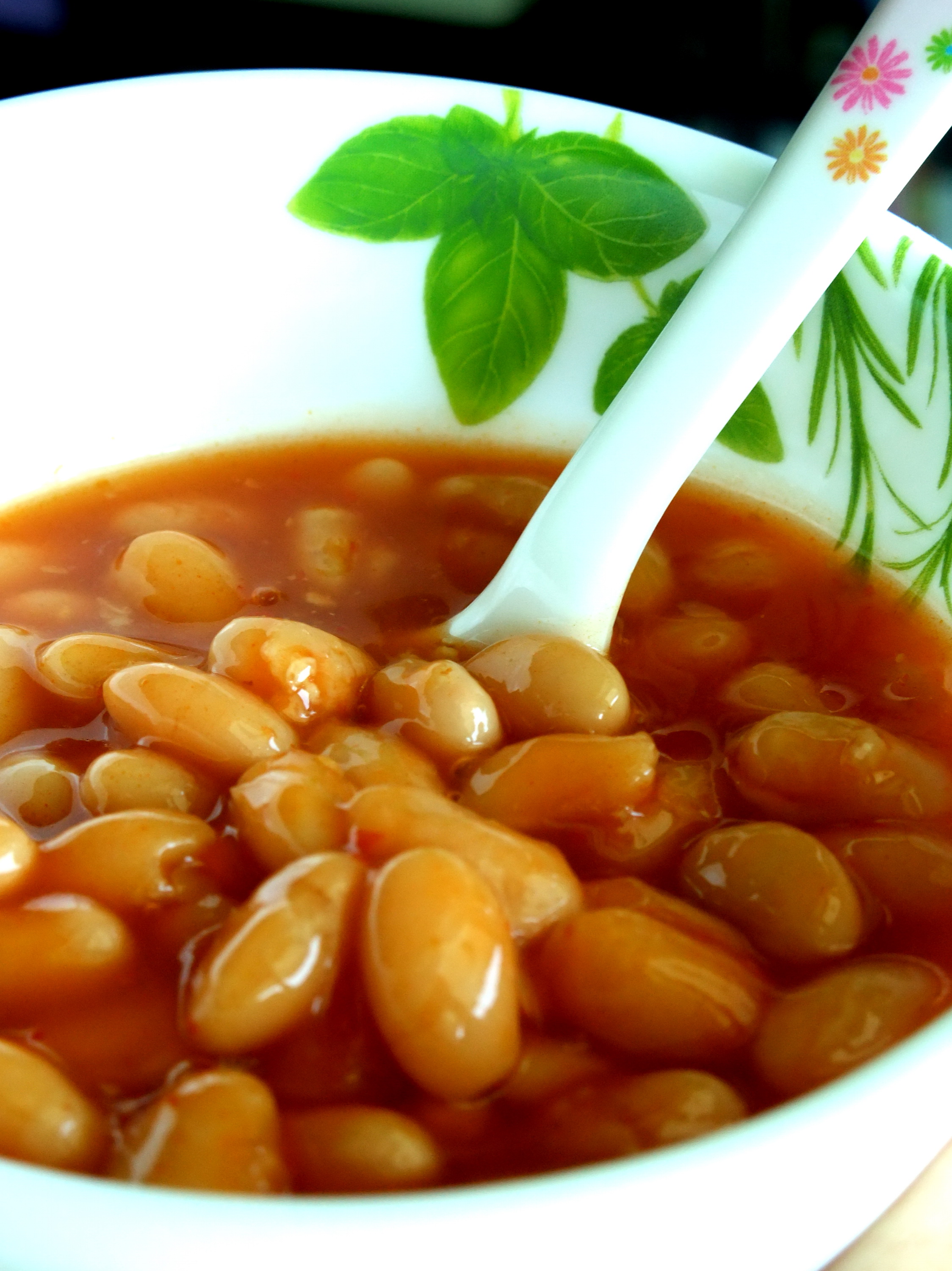
At the heart of baked beans are, naturally, the beans themselves. Most commonly, Phaseolus vulgaris varieties such as Haricot (Navy) beans are used due to their creamy texture and ability to absorb flavors. However, brands may also opt for Great Northern, Cannellini, or even a blend to achieve a specific mouthfeel or aesthetic.
- Variety as Differentiation: A brand might highlight its use of “premium Haricot beans” or “slow-cooked Cannellini” to suggest a higher quality or gourmet offering. This choice influences texture, how well the beans hold their shape, and the overall perception of the product’s richness.
- Sourcing and Sustainability: Increasingly, brands leverage their bean sourcing as a point of ethical and environmental differentiation. Narratives around local farmers, sustainable agriculture practices, or specific geographical origins can build trust and resonate with conscious consumers, forming a key part of the brand’s corporate identity.
- Consistency and Quality: The quality and consistency of the beans—their size, tenderness, and freedom from blemishes—are paramount. Brands build reputations on delivering a consistent product, and variability in the core ingredient can quickly erode consumer loyalty. Quality assurance in bean selection is thus a brand promise.
The Sauce: Flavor Profile as a Brand Differentiator
While beans provide the body, the sauce delivers the soul of baked beans, dictating its characteristic flavor profile. This blend of sweeteners, tomatoes, and spices is where brands truly distinguish themselves, crafting unique selling propositions that cater to diverse palates.
- Sweeteners: Traditional baked beans often feature a significant amount of sugar, molasses, or corn syrup, contributing to their distinctive sweet and savory balance. Brands have strategically used these choices:
- Molasses: Conveys a sense of tradition, depth, and a hearty, old-fashioned taste, often appealing to nostalgia and heritage branding.
- Sugar/Corn Syrup: Provides a clean sweetness, which can be adjusted for “reduced sugar” or “no added sugar” versions, appealing to health-conscious segments and expanding market reach.
- Tomato Base: Tomato paste or puree forms the acidic backbone of the sauce, influencing its color, thickness, and tang. A robust, rich tomato base might signify a more savory or Italian-inspired brand, while a lighter touch could signal a milder, more traditional American style. The quality and concentration of the tomato product directly impact the sauce’s mouthfeel and overall richness, contributing to the brand’s perceived premiumness.
- Spices and Seasonings: This is often where “secret recipes” and proprietary blends come into play. Ingredients like mustard, onion powder, garlic powder, and various proprietary spice mixes are carefully balanced to create a unique flavor signature. A brand known for a “tangy mustard kick” or a “smoky BBQ essence” develops its identity through these subtle yet impactful flavor notes.
- Additives and the Clean Label Trend: Thickeners (like modified corn starch), preservatives, and stabilizers are sometimes used to ensure consistency and shelf life. However, the burgeoning “clean label” movement has driven many brands to reformulate, eliminating artificial additives and focusing on natural, recognizable ingredients. This shift is a direct response to consumer demand for transparency and health, becoming a significant part of a brand’s marketing and trust-building efforts.
Brand Strategy For Baked Beans: Crafting Identity Through Composition
The ingredient list of baked beans is not merely a legal requirement; it’s a strategic document that underpins market positioning, brand differentiation, and consumer engagement. How a brand chooses and presents its ingredients directly shapes its identity in the consumer’s mind.
Market Positioning: Traditional vs. Innovative Recipes
Brands strategically use their ingredient choices to carve out specific niches in the market.
- “Classic” Formulation Brands: Many established brands emphasize their “original” or “traditional” recipes, leveraging nostalgia and a long-standing reputation for consistency. Their ingredient choices often reflect time-honored methods, appealing to consumers seeking comfort and familiarity. This forms a core part of their heritage branding.
- “Modern” Interpretations: Other brands innovate, reformulating classic recipes to cater to evolving tastes and dietary preferences. This includes reduced-sugar options, plant-based or vegan varieties, gourmet flavors (e.g., with maple syrup or exotic spices), or even convenience-focused versions. These innovations attract new demographics and position the brand as forward-thinking and responsive.
- Niche Markets: Ingredient selection is crucial for targeting niche markets. Brands offering organic, gluten-free, low-sodium, or high-fiber baked beans make specific ingredient promises that resonate with particular health-conscious groups, directly impacting their brand messaging and perceived value.
The ‘Clean Label’ Movement and Ingredient Transparency
The push for “clean labels”—products with fewer, simpler, and more recognizable ingredients—has profoundly impacted baked beans brands. Consumers are increasingly scrutinizing ingredient lists, demanding transparency and rejecting artificial additives.
- Impact on Brand Trust: Brands that reformulate to remove artificial colors, flavors, or preservatives often experience a boost in consumer trust and perceived authenticity. This aligns with a broader trend where ingredient integrity directly correlates with brand integrity.
- Marketing Benefits: Highlighting “no artificial ingredients” or “made with natural flavors” becomes a powerful marketing tool, communicated prominently on packaging and in advertising campaigns. It positions the brand as caring about consumer health and preferences.
Differentiating Through Sourcing and Ethics
The origin and ethical procurement of ingredients are no longer just supply chain considerations; they are critical brand differentiators that speak to a company’s values and corporate identity.
- Sustainable Sourcing Narratives: Brands that invest in sustainably sourced beans or other ingredients can build compelling narratives around environmental responsibility. This resonates with eco-conscious consumers and enhances the brand’s reputation as a good corporate citizen.
- Fair Trade Certifications: Opting for fair trade ingredients, where applicable, provides a strong ethical component to the brand story, appealing to consumers who prioritize social justice and fair labor practices.
- Local vs. Global Ingredients: Some brands emphasize locally sourced ingredients to support regional economies and reduce carbon footprints, while others highlight globally sourced premium ingredients for specific flavor profiles. Both approaches contribute distinct brand stories and values.
Marketing and Communication: Translating Ingredients into Brand Value
Once the ideal ingredient composition is achieved, the next critical step for any brand is to effectively communicate its value to the consumer. For baked beans, this means translating the inherent qualities of its ingredients into compelling marketing messages and an attractive brand image.
Crafting the Brand Story Around Ingredients
Ingredients are fertile ground for storytelling, allowing brands to forge emotional connections with their audience.
- Highlighting Ingredient Quality: Advertising campaigns frequently showcase lush imagery of plump beans, ripe tomatoes, or natural sweeteners, emphasizing the quality and freshness of the raw materials. Slogans often focus on “wholesome ingredients” or “finest beans.”
- Narratives of Heritage and Craftsmanship: Brands often delve into their history, detailing how traditional recipes or slow-cooking methods preserve the integrity of their ingredients. This craftsmanship narrative fosters a sense of authenticity and timeless appeal.
- Visual Representation: Packaging and digital media visually represent ingredients, often through clear windows, illustrations, or photography that evoke naturalness, health, or a gourmet experience. This visual language instantly communicates key brand attributes derived from the product’s makeup.
Packaging Design: Reflecting Ingredient Purity and Promise
Packaging is the silent salesperson, and for baked beans, its design is instrumental in conveying the quality and ethos derived from its ingredients.
- Strategic Labeling: Beyond mandatory nutritional information, brands use labels to prominently feature key ingredient callouts like “No Artificial Preservatives,” “High in Fiber,” “Gluten-Free,” or “Organic.” These statements are not just facts; they are brand promises.
- Visual Cues: Design elements such as earthy tones, rustic fonts, or images of natural ingredients (e.g., a hand scooping beans, a fresh tomato vine) signal purity, wholesomeness, or traditional values, reinforcing the brand’s positioning based on its composition.
- Premiumization: For gourmet or specialty baked beans, packaging might include sophisticated graphics, metallic accents, or unique can shapes to convey a premium product, justifying a higher price point often tied to specialized ingredients or preparation methods.
Consumer Perception and Brand Loyalty
Ultimately, the combination of carefully chosen ingredients and effective communication shapes consumer perception and fosters brand loyalty.
- Taste and Quality Drivers: The sensory experience derived from ingredients (taste, texture, aroma) is the most direct driver of repeat purchases. If a brand’s beans are consistently tender and its sauce perfectly balanced, consumers develop a loyal preference.
- Managing Reformulations: Changing ingredients can be risky for established brands. While reformulations for health reasons (e.g., sugar reduction) can attract new customers, they must be carefully managed to avoid alienating existing loyalists who cherish the original taste profile. Transparent communication about such changes is vital for maintaining brand trust.
- Leveraging Ingredient-Driven Reviews: Positive reviews often highlight specific aspects of the ingredients – “love how tender the beans are!” or “finally, a baked bean without high fructose corn syrup!” Brands can leverage these testimonials in their marketing to further validate their ingredient choices and brand promises.
Corporate Identity and The Future of Baked Beans Brands
The fundamental composition of baked beans is not static; it evolves with consumer demands, technological advancements, and a brand’s overarching corporate identity. Ingredient strategy is a core pillar of a brand’s long-term viability and ethical standing.
Innovation in Ingredients: Responding to Health and Dietary Trends
For baked beans brands, innovation often begins with ingredients, directly shaping future product lines and market relevance.
- Plant-Based and Protein Trends: As vegetarian and vegan diets become more prevalent, brands are exploring ways to enhance the plant-based protein content of their beans or develop entirely new plant-based sauce alternatives that maintain flavor and texture without animal products. This responds to a key dietary trend and broadens brand appeal.
- Sugar Reduction Strategies: With increasing awareness of sugar’s impact on health, brands are actively researching and implementing sugar reduction techniques, using natural sugar alternatives or innovative processing to maintain sweetness without excessive added sugars. This shows corporate responsibility and adaptability.
- Functional Ingredients: The future might see baked beans incorporating functional ingredients that offer additional health benefits, such as prebiotics or specific micronutrients, further differentiating brands in a competitive market.

Regulatory Compliance and Brand Responsibility
Navigating the complex landscape of food regulations is an integral part of maintaining a strong corporate identity and ensuring consumer trust.
- Ingredient Labeling Laws: Strict regulatory requirements for ingredient lists, allergen declarations, and nutritional information necessitate meticulous attention from brands. Transparency and accuracy in labeling are not just legal obligations but fundamental to building consumer confidence.
- Navigating Claims: Brands must carefully substantiate any claims made about their ingredients (e.g., “all-natural,” “healthy choice,” “source of fiber”). Misleading claims can lead to severe reputational damage and legal repercussions, underscoring the importance of integrity in branding.
- Ethical Sourcing as a Cornerstone: Beyond legal compliance, many brands integrate ethical sourcing practices (e.g., ensuring fair labor, environmental stewardship in ingredient supply chains) into their core corporate identity. This commitment reflects a broader responsibility to stakeholders and strengthens the brand’s long-term equity.
In conclusion, “what is baked beans made of” is a question that, when viewed through a branding lens, reveals a sophisticated interplay of product development, market strategy, and ethical considerations. Every bean, every spice, and every drop of sauce contributes not just to the flavor on a plate, but to the very essence of a brand’s identity, its promise to the consumer, and its trajectory in the dynamic food industry.
aViewFromTheCave is a participant in the Amazon Services LLC Associates Program, an affiliate advertising program designed to provide a means for sites to earn advertising fees by advertising and linking to Amazon.com. Amazon, the Amazon logo, AmazonSupply, and the AmazonSupply logo are trademarks of Amazon.com, Inc. or its affiliates. As an Amazon Associate we earn affiliate commissions from qualifying purchases.