
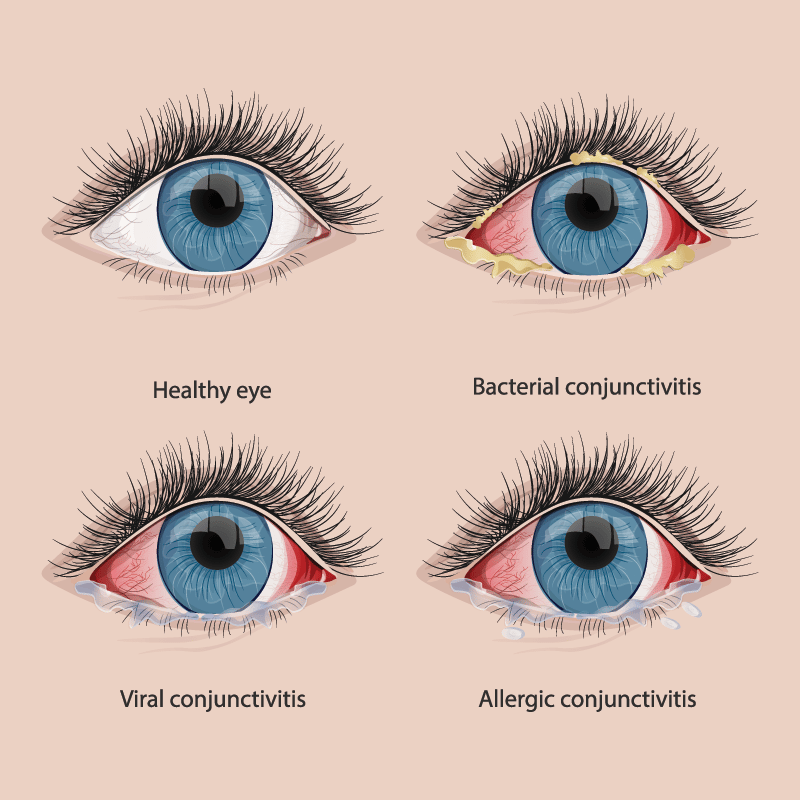
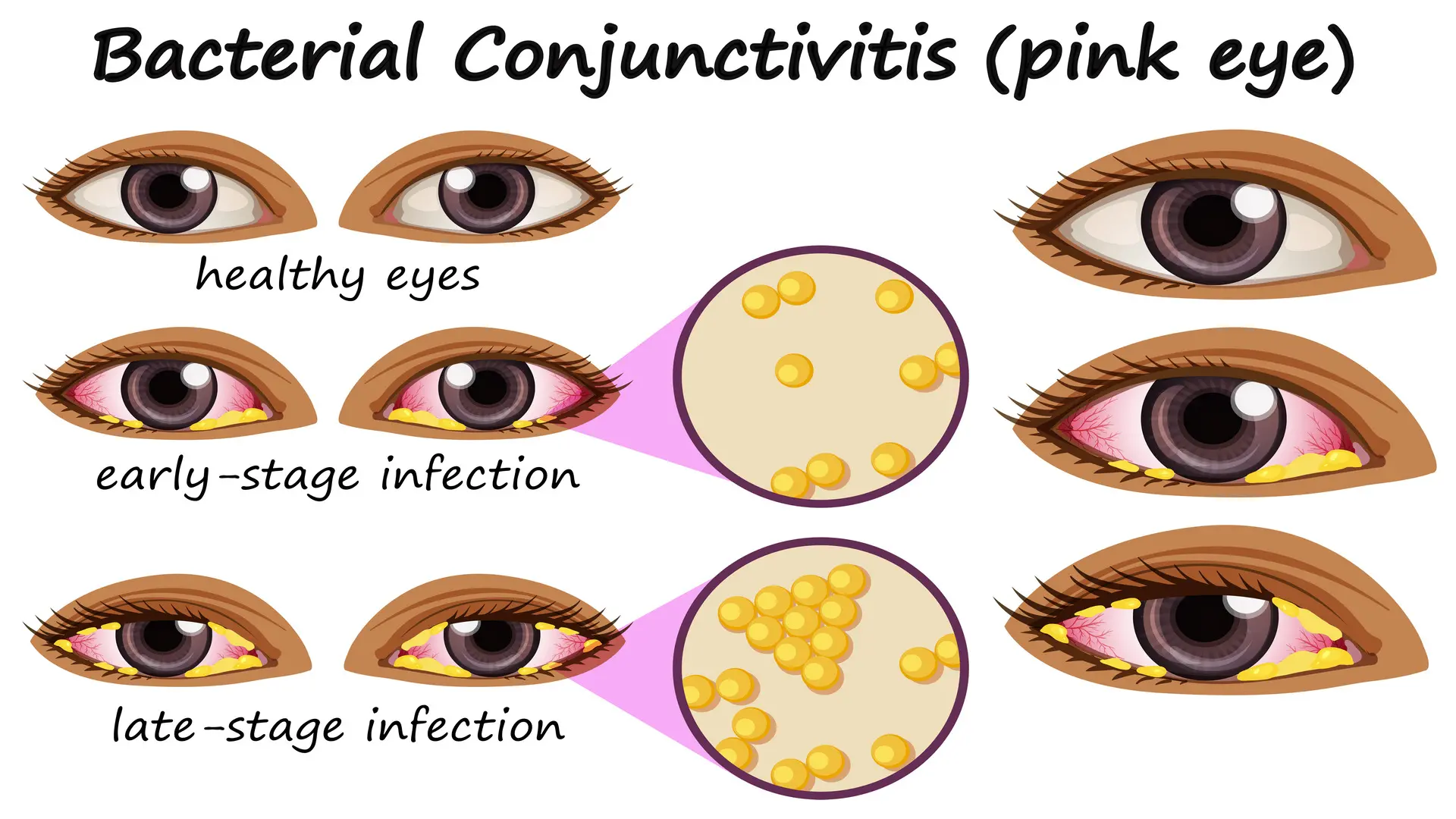
Bacterial conjunctivitis, an inflammation of the conjunctiva (the clear membrane that covers the white part of the eye and the inside of the eyelids), is primarily understood as a medical condition requiring prompt diagnosis and treatment. However, beyond the immediate physical discomfort and health implications, understanding bacterial conjunctivitis also necessitates a deep dive into its often-overlooked financial repercussions. For individuals, families, and even businesses, an episode of bacterial conjunctivitis can trigger a cascade of economic challenges, ranging from direct healthcare costs to indirect impacts on productivity and long-term financial stability. Examining this common ailment through a financial lens reveals crucial insights for personal finance, business continuity, and strategic resource allocation in healthcare.
The Economic Footprint of Ocular Infections
While seemingly minor, the financial footprint of bacterial conjunctivitis extends far beyond a single doctor’s visit or a prescription. For many, especially those with limited health insurance or who face recurrent infections, these costs can accumulate quickly, placing unexpected strain on budgets. Understanding these economic layers is crucial for effective financial planning and risk management.
Direct Medical Expenses
The most immediate and obvious financial costs associated with bacterial conjunctivitis are direct medical expenses. These include:
- Consultation Fees: Visiting a general practitioner, optometrist, or ophthalmologist to diagnose the condition incurs consultation fees, which can vary significantly depending on the healthcare provider, geographical location, and insurance status. For those without insurance, these out-of-pocket costs can be substantial.
- Prescription Medications: Treatment typically involves antibiotic eye drops or ointments. The cost of these medications can range from affordable generics to more expensive brand-name drugs, especially if specific formulations are required due to allergies or resistance. Co-pays under insurance plans can still add up, particularly for multiple prescriptions or if a follow-up prescription is needed.
- Over-the-Counter Remedies: While not a cure for bacterial conjunctivitis, individuals often purchase over-the-counter pain relievers, artificial tears, or warm compresses to manage symptoms. These ancillary purchases, though individually small, contribute to the overall financial burden.
- Follow-Up Appointments: In some cases, a follow-up appointment is necessary to ensure the infection has cleared and to address any persistent symptoms or complications. Each additional visit incurs further consultation fees and potentially more medication costs.
- Emergency Room Visits: If symptoms are severe, rapid, or if there’s significant pain or vision changes, individuals might opt for an emergency room visit. ER care is notoriously expensive, often costing hundreds to thousands of dollars, making it a significant financial hit for an otherwise manageable condition.
Indirect Financial Burdens
Beyond direct medical bills, bacterial conjunctivitis can impose a range of indirect financial burdens that are often underestimated. These include:
- Transportation Costs: Getting to and from medical appointments involves fuel costs, public transportation fares, or ride-share expenses. For individuals in rural areas or those without personal transportation, these costs can be higher.
- Childcare or Elder Care Costs: If an individual needs to attend an appointment or recuperate, they might incur costs for childcare or elder care, especially if they are the primary caregiver.
- Lost Productivity at Home: Even if an individual doesn’t miss work, the discomfort and blurred vision associated with conjunctivitis can reduce effectiveness at home, impacting household chores, personal projects, and overall well-being, which has an unquantifiable but real economic value.
- Reputational Costs (Personal Branding): For professionals whose work involves extensive public interaction or a pristine appearance, an eye infection can lead to missed opportunities, perceived unreliability, or damage to personal branding, especially in client-facing roles.
Impact on Productivity and Income
One of the most significant financial impacts of bacterial conjunctivitis, especially for working individuals and businesses, is the disruption to productivity and the potential for lost income. This extends beyond simple absenteeism, touching upon broader economic implications.
Workforce Absence and Lost Wages
The highly contagious nature of bacterial conjunctivitis often necessitates time off from work or school. Children with the infection are typically excluded from school or daycare to prevent outbreaks, requiring a parent or guardian to take time off work.
- Lost Wages for Employees: For hourly wage earners or those without generous paid time off (PTO) policies, missing even a few days of work due to illness or to care for an infected child can lead to a direct reduction in income. This can be particularly devastating for low-income households living paycheck to paycheck.
- Reduced Productivity While Present: Even if an individual reports to work or school with the infection (which is generally ill-advised due to contagiousness), symptoms like eye irritation, discharge, light sensitivity, and blurred vision can severely impair focus and efficiency, leading to reduced output and an increased likelihood of errors.
- Impact on Gig Economy Workers: Freelancers, gig workers, and small business owners often lack traditional benefits like PTO or sick leave. For them, every day off directly translates to lost income and potential setbacks in project timelines, which can have ripple effects on client relationships and future contracts.
Business Implications
For businesses, the cumulative effect of employee absences due to bacterial conjunctivitis can lead to significant financial strains.
- Decreased Operational Efficiency: Multiple employees being absent or working at reduced capacity can disrupt workflows, delay projects, and decrease overall operational efficiency. This is particularly acute in smaller businesses where each employee’s contribution is critical.
- Increased Overtime Costs: To compensate for absent staff, other employees might need to work overtime, leading to increased labor costs for the business.
- Temporary Staffing Costs: In some cases, businesses might need to hire temporary staff to fill critical roles, incurring additional recruitment and training expenses, as well as their wages.
- Loss of Revenue: If a business relies on customer-facing roles, and staff are unable to work, it can lead to missed sales opportunities and a direct loss of revenue. For service-based businesses, cancelled appointments or projects translate directly to financial losses.
- Negative Impact on Team Morale: When a contagious illness spreads through a workplace, it can increase stress among employees, create anxieties about health, and potentially lower team morale, impacting long-term productivity and employee retention.
Insurance, Prevention, and Financial Preparedness
Mitigating the financial impact of bacterial conjunctivitis and similar health issues hinges on robust insurance coverage, proactive prevention strategies, and a solid financial preparedness plan. These elements form the bedrock of financial resilience against unexpected health challenges.
Navigating Healthcare Coverage
Understanding and leveraging health insurance is paramount to minimizing out-of-pocket expenses.
- Choosing the Right Plan: Individuals should carefully evaluate different health insurance plans, considering deductibles, co-pays, out-of-pocket maximums, and prescription drug coverage. A plan with lower premiums might have higher out-of-pocket costs for common conditions, while a higher-premium plan might offer better coverage for frequent medical needs.
- Health Savings Accounts (HSAs) and Flexible Spending Accounts (FSAs): These tax-advantaged accounts are powerful tools for managing healthcare costs. HSAs, available with high-deductible health plans, allow individuals to save and invest money tax-free for medical expenses. FSAs offer similar tax benefits but are “use-it-or-lose-it” within a plan year. Both can significantly reduce the net cost of medical treatments, including those for conjunctivitis.
- Understanding Network Providers: Sticking to in-network doctors and pharmacies can drastically reduce costs. Out-of-network care often results in higher co-pays, deductibles, or no coverage at all, making it a critical financial consideration.
The Economics of Prevention
Preventing bacterial conjunctivitis is not just about health; it’s a sound financial strategy. The cost of prevention is almost invariably lower than the cost of treatment and recovery, both in terms of direct expenses and lost productivity.
- Hygiene Practices: Simple, consistent handwashing, avoiding touching eyes, and not sharing personal items like towels, makeup, or eye drops are highly effective preventive measures. These cost virtually nothing but yield significant financial returns by preventing illness.
- Environmental Factors: Maintaining clean personal spaces and workplaces, regularly sanitizing common surfaces, and ensuring proper ventilation can reduce the spread of bacteria. These practices represent minor operational costs for businesses but prevent potentially larger costs associated with staff illness.
- Early Intervention: Recognizing early symptoms and seeking prompt, appropriate medical attention can prevent the infection from worsening, potentially reducing the duration of illness, the severity of symptoms, and thus the total cost of treatment and lost time.
- Investing in Public Health: From a broader economic perspective, investments in public health initiatives, educational campaigns on hygiene, and access to basic healthcare can significantly reduce the prevalence of easily preventable diseases like bacterial conjunctivitis, leading to healthier, more productive workforces and reduced strain on healthcare systems.
Building a Health-Oriented Financial Safety Net
Beyond insurance, a comprehensive financial strategy should include safeguards specifically for health-related disruptions.
- Emergency Fund: A robust emergency fund, ideally covering three to six months of living expenses, is crucial. This fund acts as a buffer against unexpected medical bills, lost income, or the need to take time off work for recovery or caregiving without derailing an individual’s financial plan.
- Short-Term Disability Insurance: For those whose employers offer it or who can afford private plans, short-term disability insurance can provide income replacement during periods of illness that prevent work. While bacterial conjunctivitis may not typically trigger this, more severe or prolonged infections could, and it’s a valuable part of a broader health safety net.
- Budgeting for Healthcare: Proactively including a line item in personal or business budgets for anticipated (and unexpected) healthcare costs allows for better financial preparedness. This can include contributions to an HSA/FSA, allocations for annual check-ups, and a contingency for minor illnesses.
Long-Term Financial Considerations of Recurrent Conditions
While an isolated case of bacterial conjunctivitis is usually not a major long-term financial threat, recurrent infections or susceptibility can lead to significant cumulative costs and persistent financial strain, necessitating a more strategic approach to financial management.
Chronic Health and Financial Strain
Some individuals may be prone to recurrent bacterial conjunctivitis due to underlying conditions, environmental exposures, or compromised immune systems. For them, the cycle of diagnosis, treatment, and recovery becomes a regular drain on resources.
- Accumulated Healthcare Costs: Multiple doctor visits, prescriptions, and over-the-counter remedies over time can accumulate into substantial expenses, even with insurance. The aggregate cost of co-pays and deductibles can easily exceed initial expectations.
- Persistent Productivity Losses: Repeated absences from work or school, or sustained periods of reduced efficiency, can impact career progression, academic performance, and overall earning potential. For businesses, dealing with an employee’s recurrent health issue requires careful management of resources and continuity planning.
- Mental and Emotional Toll: The stress of managing a chronic or recurrent health condition, coupled with the associated financial burden, can impact mental well-being. This can, in turn, affect decision-making, job performance, and overall financial stability, creating a vicious cycle.

Proactive Financial Planning for Health Challenges
For those facing chronic or recurrent health issues, a proactive and aggressive approach to financial planning is essential.
- Specialized Insurance Review: It may be beneficial to consult with a financial advisor or insurance broker to review health insurance options that provide more comprehensive coverage for chronic conditions or high-frequency medical needs, even if it means higher premiums.
- Long-Term Care Planning: While typically associated with aging, thinking about long-term care for potential future health challenges can include considering the financial resources needed for managing chronic conditions that might limit work capacity or require specialized care over many years.
- Diversified Income Streams: For individuals prone to illness that impacts work, developing diversified income streams (e.g., side hustles that are less physically demanding or can be done remotely during recovery) can provide a financial buffer when primary income is disrupted.
- Advocacy and Resources: Exploring patient advocacy programs or financial assistance resources offered by pharmaceutical companies, non-profits, or government agencies can help alleviate the burden of ongoing treatment costs.
In conclusion, while bacterial conjunctivitis is a common and often treatable eye infection, its financial implications are multifaceted and substantial. From direct medical expenses and lost wages to broader business impacts and the cumulative strain of recurrent infections, understanding these economic dimensions is crucial for individuals and organizations alike. Proactive financial planning, robust insurance coverage, and diligent preventive measures are not merely health strategies; they are indispensable components of sound financial management in the face of life’s inevitable health challenges.
aViewFromTheCave is a participant in the Amazon Services LLC Associates Program, an affiliate advertising program designed to provide a means for sites to earn advertising fees by advertising and linking to Amazon.com. Amazon, the Amazon logo, AmazonSupply, and the AmazonSupply logo are trademarks of Amazon.com, Inc. or its affiliates. As an Amazon Associate we earn affiliate commissions from qualifying purchases.