
The journey of buying or selling a home is often punctuated by a series of statuses that can feel like a foreign language to those unfamiliar with the real estate world. One of the most common and often confusing terms is “pending.” When you’re browsing properties on Realtor.com, encountering a listing marked as “pending” can spark a myriad of questions. Does it mean the deal is done? Is it still open for offers? What exactly does this status imply for both buyers and sellers?
This article will delve into the multifaceted meaning of “pending” as it appears on Realtor.com, drawing on insights from the broader realms of technology, brand perception, and financial transactions – all crucial elements in today’s real estate landscape. We’ll unpack what this status signifies, why it’s important, and how it impacts the decision-making process for everyone involved.
The Technical Underpinnings of Real Estate Statuses: Beyond the Buzzwords
While Realtor.com presents these statuses in a user-friendly interface, the backend operations and the speed at which information is updated are heavily reliant on technology. Understanding the technological mechanisms behind these statuses can shed light on their meaning and reliability.
Understanding the “Pending” State: A Technical Breakdown
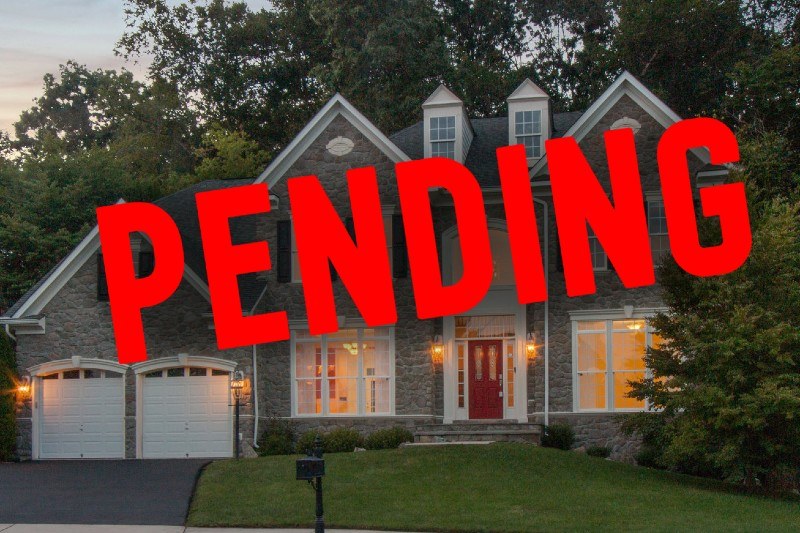
At its core, a “pending” status on Realtor.com signifies that a property has received an offer that has been accepted by the seller. However, this acceptance is not the final nail in the coffin. The transaction is still in a state of flux, with several critical steps that need to be completed before the sale can be officially finalized.
From a technological perspective, the MLS (Multiple Listing Service) is the primary source of listing data that Realtor.com and other real estate portals utilize. When an agent updates a listing status to “pending” in the MLS, this information is then disseminated to these portals. This process, while often rapid, isn’t always instantaneous. A slight delay can occur, meaning you might see a property still listed as “active” on one platform while it’s already “pending” on another. This highlights the importance of relying on reputable sources and understanding that technology, while advanced, isn’t infallible.
The “pending” status itself is a digital flag indicating a specific stage in the transaction lifecycle. It’s a signal that the property is no longer widely available for new showings or offers in the same way an “active” listing is. However, the exact implications can vary depending on local customs and the specific contingencies included in the accepted offer.
Contingencies: The Critical Junctures in a Pending Sale
The “pending” status typically arises because the accepted offer includes one or more contingencies. These are conditions that must be met for the sale to proceed. From a technical and financial standpoint, these contingencies represent potential points of failure or renegotiation.
- Financing Contingency: This is one of the most common contingencies. It means the buyer must secure a mortgage loan for the purchase. The buyer will work with their lender to get an appraisal of the property and finalize the loan approval. If the appraisal comes in significantly lower than the offer price, or if the buyer is unable to secure financing, the deal could fall through, and the property might return to “active” status.
- Inspection Contingency: Buyers typically have a period to conduct professional home inspections. This is a crucial step where potential issues with the property’s structure, systems (plumbing, electrical, HVAC), or other components are identified. If major problems are discovered, the buyer might negotiate with the seller for repairs, a price reduction, or, if an agreement cannot be reached, they may withdraw from the contract, again returning the property to active status.
- Appraisal Contingency: While often tied to financing, this contingency specifically focuses on the property’s valuation by an independent appraiser. If the appraised value is less than the agreed-upon purchase price, the buyer may need to bring additional cash to closing, the seller may need to lower the price, or the deal could be terminated.
- Sale of Buyer’s Current Home Contingency: In some cases, buyers may include a contingency that their current home must sell before they can close on the new property. This adds another layer of complexity and potential delay.
The existence of these contingencies is what keeps a “pending” deal in limbo. Until all these conditions are satisfied, the sale is not guaranteed. This is where the technology of real estate portals plays a role in keeping buyers informed, though the granular details of each contingency are usually handled offline between the agents and their clients.
Brand Perception and the “Pending” Status: Managing Expectations and Reputation
The way a property is marketed and the information it conveys directly impacts its brand perception. The “pending” status plays a significant role in shaping how buyers and sellers view a property and the agents involved.
What “Pending” Communicates to Buyers and Sellers

For buyers, seeing a “pending” status on a property they are interested in can be a mixed bag of emotions. On one hand, it signifies that others have also recognized the property’s value and have made an offer. This can create a sense of urgency and a desire to understand if there’s still a chance to get involved. On the other hand, it generally means the property is off-limits for immediate consideration.
For sellers, reaching the “pending” stage is a significant milestone. It means their efforts in marketing the property, pricing it correctly, and negotiating have paid off. This status brings a sense of accomplishment and anticipation for the final closing. However, it also introduces a period of uncertainty, as the deal isn’t finalized until all contingencies are removed and the transaction closes.
The Realtor.com platform, by clearly displaying the “pending” status, manages expectations. It tells potential buyers that the property is likely on its way to being sold but that it’s not yet a done deal. This transparency is crucial for maintaining a positive brand reputation for the listing agent and the brokerage. If a property remains “pending” for an unusually long time without clear communication, it can negatively impact its perceived desirability.
Navigating “Pending” Offers: The Art of Negotiation and Communication
While a property is “pending,” it’s important to understand the nuances of whether further offers can still be submitted. This often depends on the specific language of the accepted offer and local real estate regulations.
- “Pending with Showings” or “Backup Offers”: In some markets, a seller might accept an offer but continue to allow showings. This is typically done to generate “backup offers.” If the primary “pending” deal falls through, the seller then has a second, ready-to-go offer. Realtor.com may or may not explicitly distinguish this status. This highlights the importance of direct communication with the listing agent to understand the current situation.
- Communication is Key: The listing agent’s role in managing the “pending” status is critical. They are responsible for keeping potential buyers informed if the status changes and for managing the expectations of both buyers and sellers. A proactive and transparent approach from the agent enhances their personal brand and the overall professionalism of the transaction.
The clarity of information provided by Realtor.com and the communication strategies employed by real estate professionals directly influence the brand perception of the entire real estate ecosystem. A smooth and transparent process builds trust and encourages future engagement.
The Financial Implications of “Pending”: Dollars and Cents on the Line
The “pending” status is intrinsically linked to the financial aspects of a real estate transaction. It represents a significant financial commitment from the buyer and a critical step towards realizing a financial gain for the seller.
The Financial Dance of a Pending Transaction
When a property enters the “pending” status, a substantial amount of money is already involved, even though the final sale hasn’t occurred.
- Earnest Money Deposit (EMD): Buyers typically provide an Earnest Money Deposit shortly after their offer is accepted. This is a good-faith deposit, held in escrow, that demonstrates the buyer’s commitment to the purchase. The amount varies but is often a percentage of the purchase price. This EMD is a tangible financial stake that is at risk if the buyer backs out of the deal without a valid contingency.
- Loan Underwriting and Appraisals: For buyers relying on financing, the “pending” period is when the lender conducts a rigorous underwriting process. This involves verifying the buyer’s financial information, including income, assets, and credit history. The property appraisal is also a critical financial assessment. If the appraisal is lower than the purchase price, it can necessitate renegotiation or additional cash from the buyer, impacting their overall financial outlay.
- Closing Costs: While not directly related to the “pending” status itself, buyers and sellers begin to accrue and prepare for closing costs during this period. These can include appraisal fees, loan origination fees, title insurance, escrow fees, recording fees, and more.

Financial Tools and the “Pending” Stage
The efficiency and transparency of financial transactions are increasingly reliant on sophisticated digital tools.
- Escrow Services: Escrow companies play a vital role in holding funds (like the EMD) and ensuring that all conditions of the sale are met before releasing funds and property titles. Their secure digital platforms streamline the process.
- Online Mortgage Portals: Lenders now offer robust online portals where buyers can upload documents, track their loan progress, and communicate with their loan officers. This technological advancement significantly speeds up the financing contingency process during the “pending” stage.
- Comparative Market Analysis (CMA) Tools: Real estate agents use sophisticated software to generate CMAs, which help in pricing properties accurately to attract offers and reach the “pending” stage more efficiently.
The “pending” status is a critical juncture where financial commitments are solidified, and the intricate dance of securing funds and validating the property’s value takes place. Success during this phase is paramount to a successful sale, and technology plays an increasingly vital role in facilitating these complex financial movements.
In conclusion, the “pending” status on Realtor.com is more than just a simple label. It signifies a crucial stage in the real estate transaction where an offer has been accepted, but the deal is not yet final. Understanding the technological underpinnings, the impact on brand perception, and the significant financial implications associated with this status empowers both buyers and sellers to navigate the real estate market with greater confidence and clarity.
aViewFromTheCave is a participant in the Amazon Services LLC Associates Program, an affiliate advertising program designed to provide a means for sites to earn advertising fees by advertising and linking to Amazon.com. Amazon, the Amazon logo, AmazonSupply, and the AmazonSupply logo are trademarks of Amazon.com, Inc. or its affiliates. As an Amazon Associate we earn affiliate commissions from qualifying purchases.