
The landscape of modern healthcare is increasingly intertwined with technological innovation. While some medical procedures remain fundamentally manual in their execution, the surrounding infrastructure—from patient education and diagnostic support to data management and future predictive analytics—is rapidly being digitized. A rectal exam, a common and critical component of preventative care and diagnostic processes for various conditions, stands as an excellent case study in how even long-established medical practices are being recontextualized within the burgeoning field of health technology.
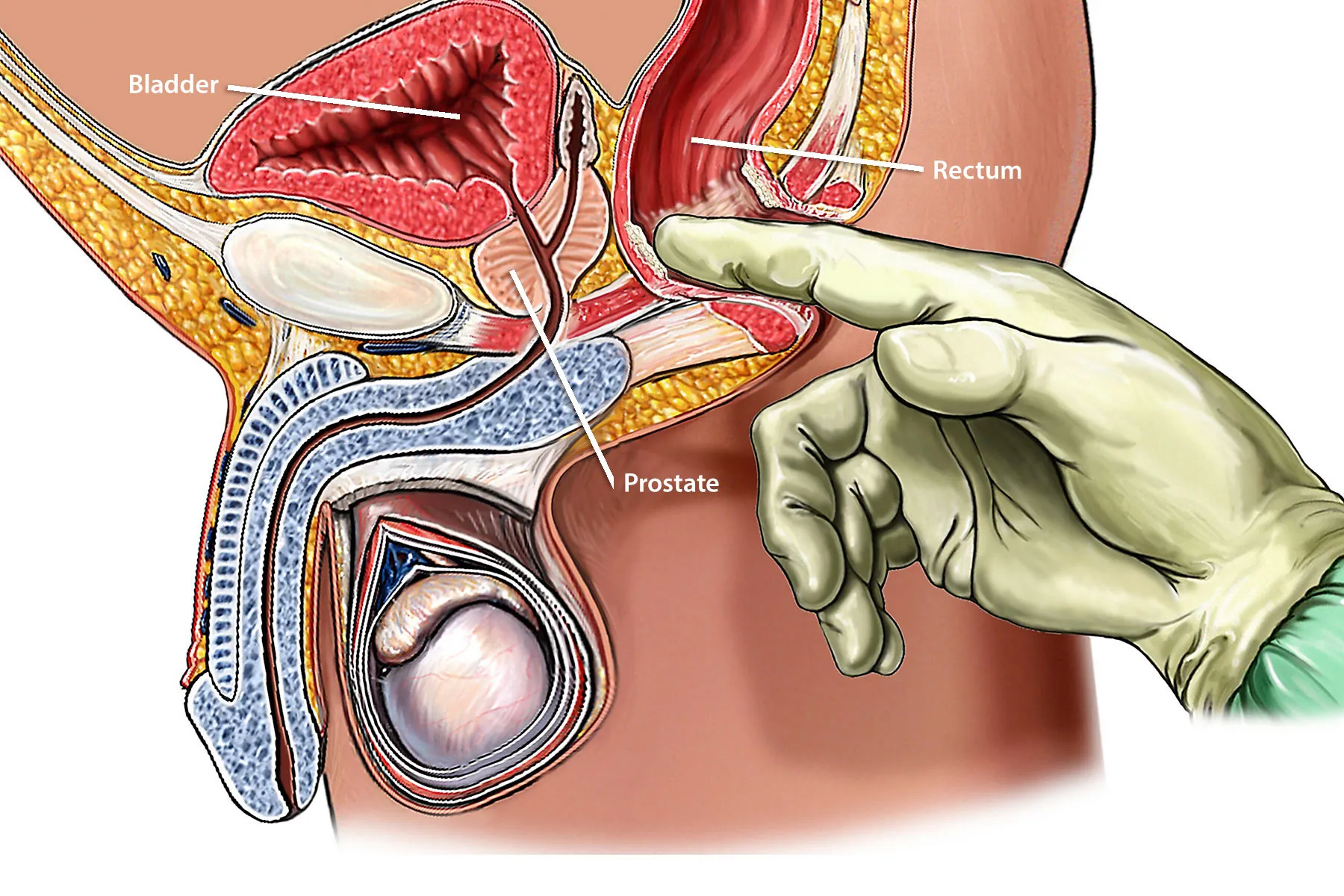
At its core, a rectal exam (or Digital Rectal Exam, DRE) is a physical examination where a healthcare professional manually examines the rectum and surrounding organs. This procedure is vital for screening conditions such as prostate cancer in men, colorectal cancer in both men and women, and identifying issues like hemorrhoids, fissures, or other abnormalities. Despite its manual nature, the contemporary understanding, preparation, and follow-up associated with a DRE are increasingly influenced by digital advancements.

Digital Health’s Role in Preventative Screenings
The preparatory and post-examination phases of any medical procedure, including a rectal exam, have been significantly transformed by digital health technologies. These tools aim to improve patient understanding, streamline communication, and enhance overall healthcare delivery.
Patient Education Platforms and Interactive Tools
One of the most immediate impacts of technology on procedures like the DRE is in patient education. Traditional methods often involved brochures or verbal explanations, which could be inconsistent or easily misunderstood. Digital health platforms now offer a wealth of interactive resources designed to demystify complex medical topics and reduce patient anxiety. These include:
- Multimedia Content: Websites, dedicated apps, and patient portals provide video tutorials, 3D animated explanations, and infographics that visually describe the purpose, procedure, and potential outcomes of a rectal exam. This visual approach can be far more effective than text-based information alone, allowing patients to process information at their own pace and revisit it as needed.
- Interactive Q&A Modules: AI-powered chatbots and interactive FAQ sections can address common patient concerns instantly, providing personalized answers and guiding individuals to relevant information. This reduces the burden on clinical staff for routine inquiries and empowers patients with immediate access to information.
- Personalized Health Dashboards: Secure patient portals integrate information about upcoming appointments, pre-exam instructions, and post-exam follow-up care. These dashboards can send automated reminders, provide tailored dietary advice if applicable, and track adherence to preparation protocols, ensuring patients are well-informed and prepared.
Telemedicine for Pre-Screening and Post-Exam Consultations
Telemedicine has revolutionized access to healthcare, extending its utility to the stages surrounding physical examinations. While a DRE itself cannot be performed remotely, technology facilitates crucial interactions before and after the procedure.
- Virtual Pre-Consultations: Patients can connect with healthcare providers via secure video calls to discuss their medical history, risk factors, and the necessity of a DRE. This initial virtual consultation allows patients to voice concerns in a comfortable environment, clarifies the purpose of the exam, and helps physicians assess the appropriateness of an in-person visit. It optimizes clinic time by addressing administrative and informational aspects remotely.
- Remote Follow-Up: After a physical exam, results and subsequent care plans can often be discussed through telemedicine. This is particularly beneficial for sharing benign results, explaining complex findings, or scheduling further diagnostic tests. It saves patients travel time and costs, improving adherence to follow-up recommendations and fostering continuous patient engagement.
- Digital Prescriptions and Referrals: Should additional medication or specialist referrals be required post-exam, telemedicine platforms seamlessly integrate with digital prescribing systems and electronic referral networks, ensuring swift and efficient continuation of care.
Technological Advancements in Complementary Diagnostics
While the DRE remains a fundamental manual assessment, its diagnostic power is significantly amplified when integrated with advanced technological tools. These technologies provide deeper insights, confirm initial findings, and offer non-invasive alternatives or complements.
Imaging Technologies Enhancing Detection
Following an abnormal DRE finding, or as part of a comprehensive screening protocol, various imaging technologies are employed to further investigate. These tools offer detailed anatomical views and functional insights that a manual exam cannot provide.
- Magnetic Resonance Imaging (MRI): High-resolution MRI scans, particularly multiparametric MRI (mpMRI) for prostate imaging, are pivotal. They use powerful magnetic fields and radio waves to create detailed images of soft tissues, helping to identify and localize suspicious lesions that might be missed by manual examination or conventional ultrasound. Advanced algorithms process these images to highlight areas of concern, aiding in targeted biopsies.
- Computed Tomography (CT) Scans: CT scans utilize X-rays from multiple angles to generate cross-sectional images of the body. They are often used to stage colorectal cancers or assess the spread of prostate cancer to surrounding structures and lymph nodes, providing crucial information for treatment planning.
- Ultrasound Technology: Transrectal Ultrasound (TRUS) can provide real-time images of the prostate gland, guiding biopsies if a suspicious area is detected during a DRE or by other screening methods. Beyond visual imaging, advancements in elastography (a type of ultrasound) measure tissue stiffness, which can differentiate between benign and malignant lesions.
AI-Powered Analytics for Risk Assessment
Artificial intelligence and machine learning are rapidly transforming diagnostic pathways by enhancing risk assessment and predictive capabilities. For conditions screened by a DRE, AI plays a growing role in analyzing vast datasets to identify patterns indicative of disease.
- Predictive Algorithms for Disease Risk: AI models can analyze a combination of patient demographics, genetic markers, lifestyle factors, historical DRE results, PSA levels (for prostate health), and other digital health data to predict an individual’s risk of developing certain conditions. This allows for more personalized screening recommendations and earlier intervention strategies.
- Image Analysis and Pattern Recognition: AI algorithms are trained on massive datasets of medical images (MRI, CT, ultrasound) to identify subtle patterns and anomalies that might be overlooked by the human eye. In prostate cancer detection, for instance, AI can assist radiologists in flagging suspicious regions on mpMRI scans, improving diagnostic accuracy and efficiency.
- Data Aggregation and Clinical Decision Support: AI platforms aggregate data from various sources—electronic health records (EHRs), lab results, imaging—to provide clinicians with comprehensive patient profiles and evidence-based recommendations. This supports more informed decision-making regarding the necessity of a DRE, the interpretation of its findings, and subsequent management plans.
Securing Sensitive Medical Data
The increasing digitization of health information, including sensitive data derived from procedures like rectal exams, necessitates robust cybersecurity measures. Protecting patient privacy and ensuring data integrity are paramount concerns within the tech healthcare ecosystem.
Blockchain and Encrypted Health Records

Innovative technologies like blockchain are being explored to enhance the security and immutability of medical records. By distributing data across a decentralized network, blockchain can create a tamper-proof ledger of health information.
- Immutable Records: Each entry (e.g., DRE results, imaging reports) is time-stamped and encrypted, forming a block in the chain that cannot be altered retroactively. This ensures the integrity and authenticity of patient data.
- Enhanced Data Sharing with Consent: Blockchain can facilitate secure and controlled sharing of medical data between authorized healthcare providers, laboratories, and patients themselves, based on explicit consent. This allows for seamless transitions of care while maintaining strict privacy controls, crucial for sensitive diagnostic information.
- Encryption Protocols: Beyond blockchain, advanced encryption standards (e.g., end-to-end encryption) are fundamental to protecting health data both in transit and at rest. These protocols ensure that only authorized individuals can access sensitive information, safeguarding patient confidentiality throughout the digital healthcare journey.
Compliance and Regulatory Frameworks
The technological handling of medical data is governed by stringent regulatory frameworks designed to protect patient privacy and data security. Compliance with these regulations is a critical aspect of health tech development and implementation.
- HIPAA (Health Insurance Portability and Accountability Act): In the United States, HIPAA mandates strict rules for protecting sensitive patient health information (PHI). Any digital platform or system handling DRE results or related medical data must adhere to HIPAA’s security and privacy rules, including administrative, physical, and technical safeguards.
- GDPR (General Data Protection Regulation): In Europe, GDPR imposes similar, often even more rigorous, requirements for the processing of personal data, including health information. Compliance involves transparent data handling practices, explicit consent mechanisms, and robust data breach notification procedures.
- Regular Audits and Penetration Testing: Healthcare organizations leveraging digital tools for patient data management are subject to regular security audits and penetration testing. These proactive measures identify vulnerabilities in digital systems and ensure continuous improvement in cybersecurity defenses, protecting against unauthorized access or data breaches related to sensitive medical procedures.
The Evolution of Medical Device Interface
Even for a procedure that largely relies on human touch, technology is influencing the tools and training involved. This evolution focuses on enhancing precision, standardizing practice, and improving practitioner readiness.
Smart Tools for Enhanced Precision and Data Collection
While the primary instrument for a DRE is the clinician’s finger, future iterations of related medical devices or complementary tools could integrate sensing technologies.
- Haptic Feedback Devices: Research is exploring devices that provide haptic feedback during exams, potentially allowing for more objective measurement of tissue stiffness or the detection of subtle abnormalities, complementing the clinician’s tactile sense.
- Data Logging Integration: Smart gloves or other wearables for clinicians could potentially log procedural details, duration, and specific findings into EHRs automatically via voice commands or integrated sensors, reducing manual data entry and ensuring consistency.
- Augmented Reality (AR) for Procedural Guidance: AR overlays could provide real-time anatomical references or highlight areas of interest based on prior imaging during related minor procedures or even during training simulations, enhancing accuracy.
Virtual Reality and Training Simulations for Practitioners
Technology plays a crucial role in training the next generation of healthcare professionals in performing DREs and other sensitive examinations. VR and AR offer immersive and standardized learning experiences.
- Realistic VR Simulators: Medical schools and training programs utilize virtual reality environments to allow students to practice DREs on realistic virtual patients. These simulators provide haptic feedback, mimicking the feel of various tissues and abnormalities, and offer immediate performance feedback, allowing students to refine their technique in a safe, repeatable, and ethical manner.
- Standardized Training Modules: VR platforms ensure that every trainee receives consistent instruction and practice, overcoming variations inherent in traditional bedside teaching. This leads to a higher standard of competency and confidence among practitioners.
- Scenario-Based Learning: VR simulations can present a wide array of clinical scenarios, from routine check-ups to identifying specific pathological findings, preparing clinicians for diverse real-world situations they might encounter during a DRE.
The Future Landscape of Integrated Care
The trajectory of health technology points towards a future where data from various sources is seamlessly integrated to create comprehensive, personalized health profiles. Procedures like the DRE will exist within this intelligent, interconnected ecosystem.
Wearable Tech and Continuous Monitoring
Wearable devices are becoming increasingly sophisticated, gathering a continuous stream of physiological data that can inform preventative health strategies, potentially influencing the frequency or necessity of certain screenings.
- Proactive Health Monitoring: Smartwatches and other wearables can track vital signs, sleep patterns, activity levels, and even some biochemical markers. Anomalies detected by these devices could trigger early warnings, prompting discussions with healthcare providers that might include a DRE or other diagnostic tests.
- Personalized Risk Stratification: Data from wearables, combined with genetic information and lifestyle surveys, can feed into AI algorithms to provide a highly personalized risk profile, guiding preventative care recommendations for colorectal or prostate health.
Personalized Digital Health Pathways
The future of healthcare envisions dynamic, personalized pathways for each individual, guided by AI and supported by integrated digital platforms.
- Intelligent Scheduling: AI-driven systems will analyze an individual’s risk factors, health history, and current data from wearables to recommend and schedule appropriate screenings, including DREs, at optimal intervals.
- Holistic Data Integration: All health data, from personal genomics and wearable telemetry to comprehensive EHRs and DRE results, will be integrated into a unified digital profile. This holistic view will empower healthcare providers with unparalleled insight, enabling truly personalized prevention, diagnosis, and treatment plans.
- Patient Empowerment through Data: Individuals will have secure, convenient access to their complete digital health record, fostering greater engagement and shared decision-making in their healthcare journey, including understanding the role and importance of procedures like the DRE within their overall health strategy.
In conclusion, while the core action of a rectal exam remains a direct interaction between patient and clinician, the entire ecosystem surrounding it is being profoundly shaped by technology. From how patients learn about the exam to how results are interpreted and secured, digital innovations are enhancing efficiency, accuracy, and patient experience, firmly placing this fundamental medical procedure within the expanding domain of digital health.
aViewFromTheCave is a participant in the Amazon Services LLC Associates Program, an affiliate advertising program designed to provide a means for sites to earn advertising fees by advertising and linking to Amazon.com. Amazon, the Amazon logo, AmazonSupply, and the AmazonSupply logo are trademarks of Amazon.com, Inc. or its affiliates. As an Amazon Associate we earn affiliate commissions from qualifying purchases.