
Gram-negative bacteria represent a significant domain in microbiology, characterized by specific structural features that dictate their interaction with technology, particularly in areas of diagnostics, therapeutics, and digital health security. Understanding what defines a gram-negative organism is not merely a biological exercise; it is fundamental to the development of cutting-edge software, AI tools, advanced medical devices, and robust digital security protocols within healthcare and biotechnology sectors.
The Digital Lens on Bacterial Classification: Beyond the Microscope
The foundational classification of bacteria into Gram-positive and Gram-negative categories stems from the Gram stain procedure, a century-old technique developed by Hans Christian Gram. For technology, this process, traditionally manual and visual, has become a prime candidate for automation and AI integration, transforming it from a simple lab test into a data-rich diagnostic step.

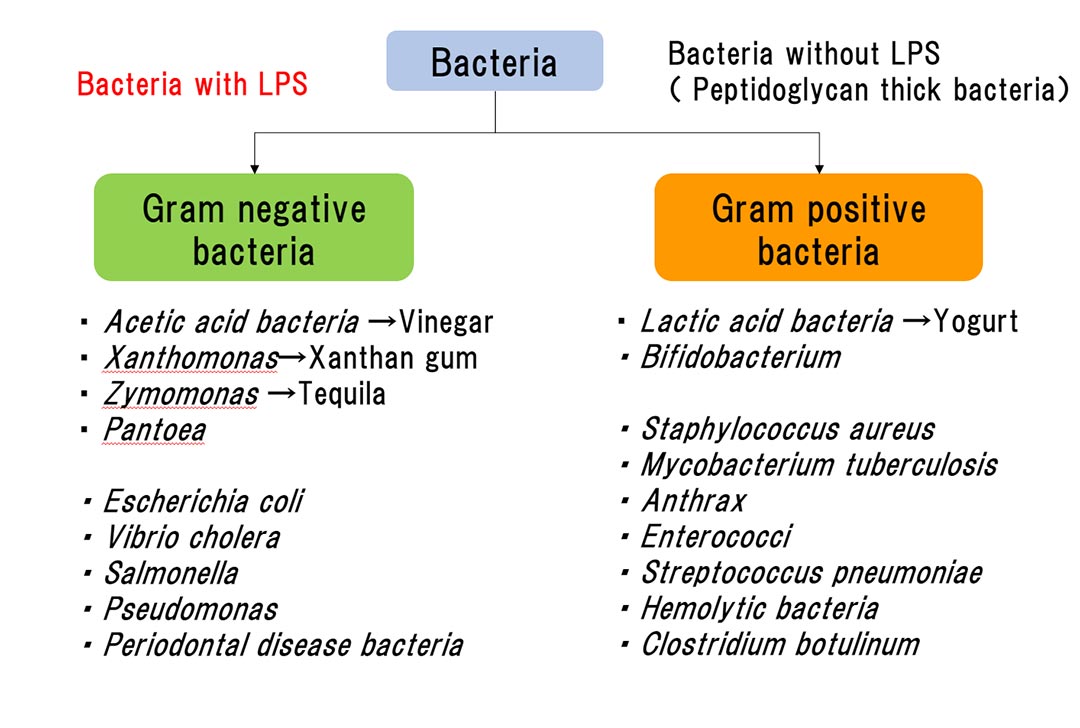
At its core, a gram-negative bacterium is distinguished by its cell wall structure, which differs significantly from its gram-positive counterparts. During the Gram stain, gram-negative cells do not retain the primary crystal violet stain due to their unique cell wall composition. Instead, they are counterstained pink or red by safranin, revealing their characteristic morphology under a microscope. This differential staining is a critical visual cue, but its interpretation is increasingly mediated and enhanced by technological advancements.
Automated Staining and Imaging Systems
Modern laboratories are moving away from purely manual microscopy, embracing automated Gram staining and digital imaging systems. These sophisticated “gadgets” not only standardize the staining process, reducing human error, but also capture high-resolution images of bacterial samples. This automation is crucial for high-throughput screening, where large volumes of samples need to be processed efficiently. Software interfaces manage the entire workflow, from sample loading to image acquisition, ensuring consistency and traceability—a cornerstone of digital security in laboratory data management. These systems represent a significant advancement in lab technology, minimizing hands-on time and maximizing diagnostic output.
AI in Microscopic Analysis
The captured digital images of Gram-stained bacteria are fertile ground for artificial intelligence (AI) tools. Machine learning algorithms are now being trained on vast datasets of bacterial images to identify and classify gram-negative bacteria with remarkable accuracy, often surpassing human capabilities in speed and consistency. These AI-powered diagnostic software solutions can:
- Automate Identification: Instantly distinguish between gram-positive and gram-negative bacteria, and even identify specific morphologies (e.g., cocci, bacilli) crucial for initial diagnosis.
- Quantify Bacterial Load: Accurately count bacterial cells, providing critical data for infection severity assessment.
- Detect Anomalies: Flag unusual bacterial formations or characteristics that might indicate drug resistance or novel strains, prompting further investigation.
- Integrate with EHRs: Seamlessly upload diagnostic results directly into electronic health records (EHRs), streamlining patient data management and enhancing digital security by reducing manual data entry errors and potential for data breaches during transfer.
These AI tools revolutionize microbiology, making diagnostics faster, more reliable, and directly integrable into comprehensive digital health platforms, representing a key technology trend in healthcare.
Unpacking the Gram-Negative Cell Wall: A Challenge for Tech Solutions
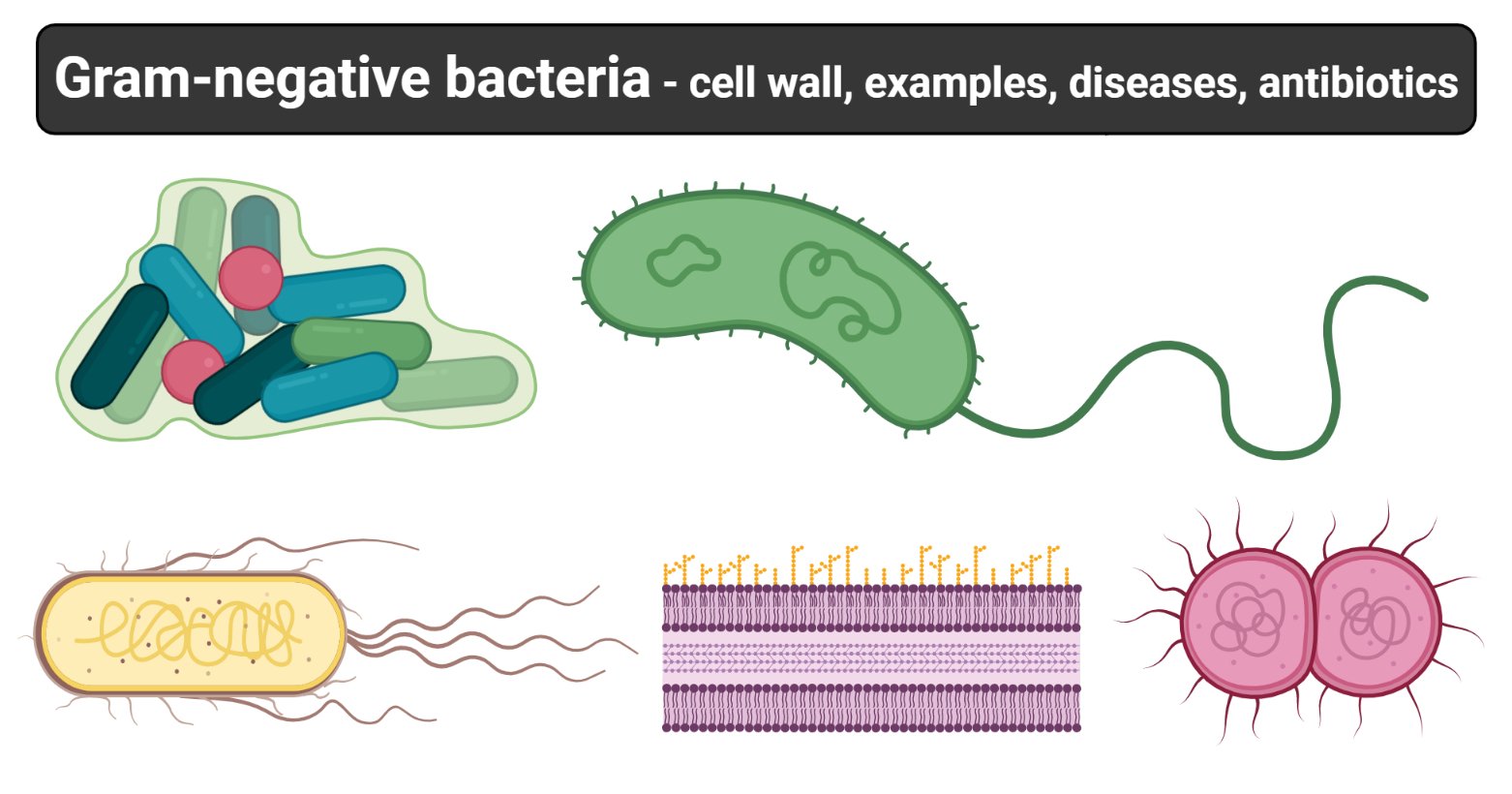
The structural complexity of the gram-negative cell wall is perhaps its most defining characteristic and the primary reason it poses significant challenges for drug development and antimicrobial interventions. Unlike gram-positive bacteria, which have a thick peptidoglycan layer, gram-negative bacteria possess an outer membrane that acts as an additional formidable barrier. This unique architecture is a central focus for technological innovation in pharmacology and materials science.
The Outer Membrane and Drug Development Software
The outer membrane of a gram-negative bacterium is a phospholipid bilayer containing lipopolysaccharide (LPS), also known as endotoxin. This LPS layer is highly impermeable, effectively blocking the entry of many antibiotics and antimicrobial agents that readily penetrate gram-positive cells. This inherent resistance mechanism makes treating gram-negative infections particularly challenging and necessitates specialized drug development strategies.
Software platforms are indispensable in addressing this challenge:
- In Silico Drug Discovery: Advanced bioinformatics software and AI tools are used to model the interactions between potential drug candidates and bacterial cell wall components, particularly the outer membrane proteins and LPS. These tools simulate molecular dynamics, predicting drug permeability and binding affinities before costly laboratory synthesis.
- Target Identification Software: AI algorithms analyze vast genomic and proteomic datasets to identify novel drug targets within gram-negative bacteria, especially those involved in outer membrane synthesis or transport, which could be exploited by new therapeutic agents.
- Resistance Prediction Models: Machine learning models are trained on genomic sequences of drug-resistant gram-negative strains to predict resistance patterns, guiding clinicians in selecting effective treatments and informing the development of new drug classes.
These digital tools significantly accelerate the drug discovery pipeline, transforming the iterative process of trial and error into a data-driven, predictive science, a prime example of AI’s impact on pharmaceutical technology.
Biofilm Formation and Smart Material Design
Many gram-negative bacteria, such as Pseudomonas aeruginosa, are notorious for forming biofilms—complex communities of bacteria encased in an extracellular polymeric substance. Biofilms provide enhanced protection against antibiotics and host immune responses, making infections notoriously difficult to eradicate. This phenomenon is a critical area for innovation in materials science and medical device technology.
- Antimicrobial Coatings for Gadgets: Researchers are developing smart materials and antimicrobial coatings using nanotechnology to prevent biofilm formation on medical devices (catheters, implants, ventilators), which are frequent sources of gram-negative infections. These coatings, often integrated into the device manufacturing process, utilize embedded silver nanoparticles, antimicrobial peptides, or drug-eluting polymers.
- Sensor Technology for Biofilm Detection: Miniature biosensors and “smart” diagnostic gadgets are being engineered to detect early biofilm formation in industrial settings or medical contexts, allowing for timely intervention before infections become intractable. These sensors often use electrochemical, optical, or acoustic methods, feeding data into monitoring software for predictive maintenance and infection control.
- Robotics in Biofilm Removal: Micro-robots and sophisticated fluidic systems are being explored for their potential to physically disrupt and remove biofilms from hard-to-reach surfaces, an innovative application of robotics and automation in environmental and medical sanitation.
These technological advances aim to combat the persistent threat posed by gram-negative biofilms, ensuring the longevity and safety of medical gadgets and infrastructure.
Gram-Negative Pathogens: Digital Security and Diagnostic Innovations
Gram-negative bacteria encompass many clinically significant pathogens responsible for a wide range of infections, including pneumonia, bloodstream infections, urinary tract infections, and meningitis. Examples include Escherichia coli, Klebsiella pneumoniae, Salmonella, and Pseudomonas aeruginosa. The rise of multidrug-resistant (MDR) gram-negative strains poses a global health crisis, demanding sophisticated digital security measures for health data and rapid diagnostic innovations.
AI-Powered Diagnostics and Predictive Analytics
The rapid and accurate identification of gram-negative pathogens, especially MDR strains, is paramount for effective treatment and infection control. Traditional culture-based methods can take days, a critical delay in life-threatening situations. Technological solutions are addressing this urgency:
- Point-of-Care (PoC) Diagnostic Apps: Mobile-connected diagnostic gadgets and accompanying apps are emerging, enabling rapid detection of specific bacterial DNA or antigens directly at the patient’s bedside or in remote clinics. These apps often leverage microfluidics and real-time PCR technologies, instantly transmitting results to healthcare providers via secure cloud platforms.
- Predictive Analytics for Outbreak Management: AI and machine learning models analyze epidemiological data, patient demographics, travel history, and environmental factors to predict the spread of resistant gram-negative infections. This predictive analytics software helps public health officials anticipate outbreaks, allocate resources effectively, and implement targeted interventions, bolstering overall digital security by preemptively protecting populations.
- Smart Surveillance Systems: Integrated digital surveillance systems use network analysis to track the emergence and dissemination of new resistance genes among gram-negative bacteria, providing early warnings to global health networks. These systems rely on robust digital security protocols to protect sensitive patient and epidemiological data.
Genomic Sequencing and Big Data in Epidemiology
Whole-genome sequencing (WGS) of gram-negative bacteria has become a powerful tool, generating vast amounts of data that require sophisticated bioinformatics software for analysis. This is a prime example of how big data and digital security converge in healthcare.
- Bioinformatics Software for Resistance Gene Identification: Specialized software pipelines analyze WGS data to rapidly identify antibiotic resistance genes and virulence factors in gram-negative pathogens. This information is crucial for understanding the mechanisms of resistance and designing effective therapies.
- Cloud-Based Genomic Databases: Secure, cloud-based genomic databases store and share WGS data globally, enabling collaborative research and rapid response to emerging threats. Ensuring the digital security and privacy of this sensitive genetic information is paramount, requiring advanced encryption, access controls, and compliance with data protection regulations.
- Blockchain for Data Integrity: Blockchain technology is being explored to create immutable records of genomic sequences and associated metadata, ensuring data integrity and traceability in epidemiological studies and clinical trials, thereby enhancing digital security in health data management.
Future Tech Frontiers in Battling Gram-Negative Threats
The ongoing battle against gram-negative bacteria will increasingly rely on advanced technological integration, pushing the boundaries of AI, software development, and material science.
CRISPR-Based Gene Editing Software
CRISPR (Clustered Regularly Interspaced Short Palindromic Repeats) technology offers unprecedented precision in bacterial genome editing. Software tools are essential for designing guide RNAs that target specific bacterial genes, whether to disrupt virulence factors, eliminate resistance genes, or even engineer bacteriophages to specifically kill gram-negative pathogens. This software is not just for academic research but is moving towards therapeutic applications, offering a revolutionary approach to antimicrobial therapy.
Nanotechnology and Smart Drug Delivery Systems
Nanotechnology is poised to transform the delivery of antimicrobial agents against gram-negative bacteria. Nanoparticles can be engineered to bypass the outer membrane, directly delivering drugs to their targets.
- Targeted Nanocarriers: Researchers are developing smart nanoparticles programmed to recognize specific markers on gram-negative bacteria, enhancing drug concentration at the infection site while minimizing systemic side effects. These “gadgets” are designed for precision medicine.
- Responsive Drug Release Systems: Intelligent drug delivery systems, often involving biodegradable polymers or stimuli-responsive materials, are being designed to release antimicrobials only in the presence of bacterial metabolites or specific environmental cues associated with infection. This smart delivery mechanism is a sophisticated application of material science and chemical engineering.
In conclusion, understanding what constitutes a gram-negative bacterium is an essential starting point for harnessing the power of technology. From AI-driven diagnostics and bioinformatics software to smart medical devices and robust digital security protocols, the tech industry is at the forefront of developing innovative solutions to mitigate the significant health challenges posed by these resilient microbes. The future of combating gram-negative infections lies in the continuous advancement and integration of these diverse technological frontiers.
aViewFromTheCave is a participant in the Amazon Services LLC Associates Program, an affiliate advertising program designed to provide a means for sites to earn advertising fees by advertising and linking to Amazon.com. Amazon, the Amazon logo, AmazonSupply, and the AmazonSupply logo are trademarks of Amazon.com, Inc. or its affiliates. As an Amazon Associate we earn affiliate commissions from qualifying purchases.