
A dental checkup, at its core, represents a crucial financial investment in personal health. Far from being a mere routine, it serves as the cornerstone of preventative oral care, directly impacting an individual’s long-term financial well-being by mitigating the risk of expensive future treatments. Understanding what a dental checkup entails from a financial perspective – its costs, insurance implications, and the return on investment it offers – is essential for anyone managing their personal finances and aiming for sustainable health.
The Financial Imperative of Preventative Dental Care
Many view dental checkups as an optional expense, overlooking their profound financial significance. In the realm of personal finance, preventative measures are consistently more cost-effective than reactive solutions, and oral health is a prime example. Regular dental checkups embody this principle, offering a protective financial shield against potentially crippling costs.
The Cost of Neglect: Reactive vs. Proactive Spending
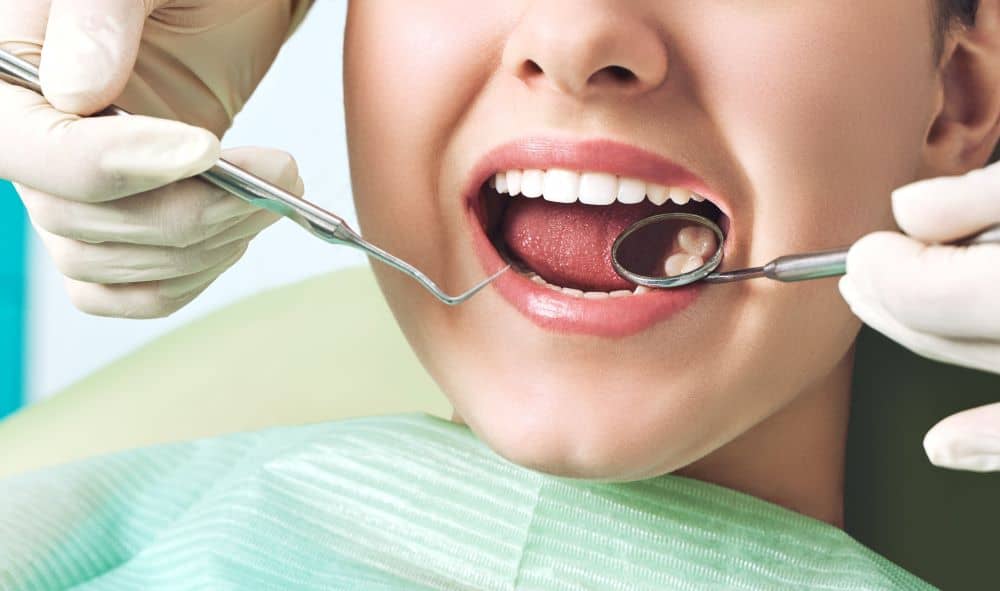
Skipping routine dental checkups might seem like a way to save money in the short term, but it almost invariably leads to significantly higher expenditures down the line. Undetected and untreated issues, such as small cavities, can rapidly escalate into severe problems like extensive decay requiring root canals, extractions, or even costly dental implants.
Consider the financial trajectory: a routine checkup and cleaning, typically costing between $100-$250 without insurance, aims to identify and address minor concerns before they become major. If a small cavity is found, a filling might cost $150-$400. However, if that cavity is left unchecked, it can progress to infect the tooth’s pulp, necessitating a root canal procedure that can range from $700-$2,000, often followed by a crown costing an additional $800-$3,000. Should the tooth be lost, a dental implant could cost anywhere from $3,000-$6,000 per tooth. This exponential increase in cost underscores the fundamental financial wisdom of preventative care.
Moreover, emergency dental visits – often triggered by pain from neglected issues – typically incur higher fees than scheduled appointments due to their urgent nature and specialized procedures required. The financial burden is not only in the treatment itself but also in lost workdays and productivity, adding another layer to the true cost of neglect.
Maximizing Your Health Investment
From a personal finance standpoint, consistent dental care should be viewed as an integral part of an individual’s overall health investment strategy. Just as one maintains a car to prevent catastrophic breakdowns, regular dental checkups are essential maintenance for oral health, protecting a vital asset.
The financial benefits extend beyond direct dental costs. Poor oral health has been linked to systemic diseases such as heart disease, diabetes complications, and respiratory infections. Managing these conditions involves substantial medical expenses, hospitalizations, and long-term medication, all of which can severely strain personal finances. By maintaining excellent oral health through regular checkups, individuals reduce their risk of developing or exacerbating these other health issues, thereby avoiding related medical costs. This makes dental checkups a fiscally responsible decision that impacts the entire health spectrum and corresponding financial outlay.
Deconstructing the Costs: What a Standard Checkup Entails Financially
To effectively budget and plan for dental care, it’s crucial to understand the components of a standard dental checkup and their associated costs. While exact figures vary, breaking down the services helps in anticipating expenses and evaluating the value received.
Itemized Services and Their Typical Costs
A comprehensive dental checkup typically includes several key services, each contributing to the overall cost:
- Clinical Examination: This involves the dentist’s visual inspection of your teeth, gums, and mouth tissues, checking for signs of decay, gum disease, oral cancer, and other potential issues. The fee for the dentist’s time, expertise, and diagnostic tools forms a significant part of the checkup cost, generally ranging from $50-$150. This diagnostic fee is critical for identifying problems early when they are less expensive to treat.
- X-rays: Dental X-rays are a vital diagnostic tool that allow the dentist to see what’s invisible to the naked eye – decay between teeth, bone loss, impacted teeth, and other structural issues. Different types of X-rays exist:
- Bitewing X-rays (typically 2-4 images) are common for routine checkups, focusing on back teeth to detect decay. They might cost $30-$80.
- Panoramic X-rays provide a broader view of the entire mouth, jaw, and nasal area, often used for new patients or specific concerns, potentially costing $75-$150.
These are a financially necessary step to avoid costly surprises later.
- Professional Cleaning (Prophylaxis): Performed by a dental hygienist, this involves scaling (removing plaque and tartar buildup from teeth surfaces and below the gumline) and polishing. This service is paramount for preventing gum disease and cavities. The cost for a professional cleaning typically ranges from $75-$150, reflecting the hygienist’s skill, specialized equipment, and time.
- Fluoride Treatments/Sealants: For children and sometimes adults at high risk for cavities, fluoride treatments ($20-$50) strengthen enamel, while dental sealants ($30-$60 per tooth) create a protective barrier on molars. These are excellent examples of small, upfront financial investments that prevent much larger cavity treatment costs later.
Factors Influencing Checkup Costs
The exact cost of a dental checkup is not uniform across all practices or regions. Several factors play a role in determining the final bill:
- Geographic Location: Dental costs vary significantly by region, often correlating with the cost of living and local market demand. Urban centers typically have higher prices than rural areas.
- Dentist’s Experience and Specialization: Highly experienced dentists or practices that offer specialized services might charge higher fees. However, this can sometimes translate to a higher quality of care and potentially fewer complications requiring additional financial outlay.
- Practice Overhead: The cost of running a dental office, including staff salaries, equipment, technology, and facility rent, is factored into service pricing. Practices investing in advanced technology might have higher fees but can also offer more efficient and effective treatments, potentially saving money in the long run.
- In-network vs. Out-of-network Providers: For individuals with dental insurance, choosing an “in-network” provider typically results in lower out-of-pocket costs due to negotiated rates. “Out-of-network” providers may charge more, with the patient responsible for the difference.

Navigating Dental Insurance and Payment Options
Understanding how dental insurance works and exploring various payment options are critical components of managing the financial aspects of dental care. Leveraging these tools effectively can significantly reduce out-of-pocket expenses for dental checkups and other treatments.
Understanding Your Dental Benefits
Dental insurance plans are designed to help offset the costs of dental care, making preventative services like checkups more accessible and affordable.
- PPO vs. HMO Plans:
- Preferred Provider Organization (PPO) plans offer more flexibility, allowing you to choose any dentist, though you’ll pay less for in-network providers. They typically cover a percentage of services after a deductible.
- Health Maintenance Organization (HMO) plans require you to choose a dentist from a specific network. These plans often have lower premiums and co-pays, but less choice. Understanding these structures is crucial for predicting your financial responsibility.
- Deductibles, Co-pays, Co-insurance:
- A deductible is the amount you must pay out-of-pocket before your insurance begins to cover costs. Preventative care like checkups are often exempt from deductibles or have low deductibles.
- A co-pay is a fixed amount you pay at the time of service. Many plans have low or no co-pays for preventative visits.
- Co-insurance is the percentage of the cost you pay after your deductible is met. For example, if your plan covers 80% of a service, you pay the remaining 20%. Preventative services are often covered at 80-100%, making them highly advantageous financially.
- Annual Maximums: Most dental insurance plans have an annual maximum, the most the insurer will pay for your dental care in a plan year. Importantly, preventative services like checkups and cleanings are often covered at 100% and may not count towards this annual maximum, making them essentially a “free” benefit once your premium is paid. This is a significant financial incentive to utilize these services.
- Waiting Periods: Some dental insurance plans impose waiting periods for certain procedures (e.g., major restorative work). However, preventative services usually have no waiting period, meaning you can often utilize your checkup benefits immediately upon enrollment.
Alternative Funding and Payment Strategies
For those without traditional dental insurance or for expenses not fully covered, several alternative financial solutions exist:
- Health Savings Accounts (HSAs) and Flexible Spending Accounts (FSAs): These tax-advantaged savings accounts allow individuals to set aside pre-tax money for qualified medical and dental expenses. Utilizing an HSA or FSA for dental checkups and treatments can result in substantial savings by reducing your taxable income.
- Dental Discount Plans: These are not insurance but membership plans where you pay an annual fee for discounted rates on dental services from participating providers. They can be a cost-effective alternative for individuals or families with predictable dental needs.
- Payment Plans and Dental Financing: For extensive treatments, many dental offices offer in-house payment plans or work with third-party medical financing companies. While helpful for managing large expenses, it’s crucial to understand interest rates and terms to avoid accumulating debt.
- University Dental Schools/Community Clinics: These institutions often provide dental services at reduced costs, as procedures are performed by students under the supervision of experienced faculty. They can be an excellent option for quality care at a lower price point.
Budgeting for Optimal Oral Health: A Personal Finance Perspective
Integrating dental care into your personal finance strategy is not just about reacting to immediate needs but proactively planning for long-term health and financial stability. A well-structured budget recognizes dental checkups as a non-negotiable health-related expenditure with a high return on investment.
Integrating Dental Care into Your Household Budget
Financial planning for oral health requires a dedicated approach:
- Allocate a Specific Line Item: Create a specific category in your household budget for dental expenses. This should include monthly insurance premiums (if applicable), anticipated co-pays, deductibles, and a small buffer for unexpected minor issues. Treat this as a fixed cost for essential maintenance.
- Emergency Fund Allocation: While preventative care reduces emergencies, they can still happen. Ensure your general emergency fund is robust enough to cover unexpected, high-cost dental treatments that might arise, preventing reliance on high-interest credit or delaying necessary care.
Strategic Choice of Providers for Financial Prudence
Being a savvy consumer in the dental market can lead to significant savings without compromising care quality:
- Comparing Fee Schedules: Don’t hesitate to call multiple dental offices and inquire about their fee schedules for common services like checkups, X-rays, and cleanings. Some practices are more cost-effective than others.
- Maximizing In-Network Benefits: If you have dental insurance, prioritizing in-network providers will almost always result in lower out-of-pocket expenses due to pre-negotiated rates.
- Asking About Bundled Services or Preventative Packages: Some dental practices offer package deals for preventative care, potentially including checkups, cleanings, and X-rays at a slightly reduced rate compared to paying for each service individually.

The Long-Term ROI of Consistent Dental Checkups
The most compelling financial argument for regular dental checkups lies in their long-term Return on Investment (ROI). The modest, consistent expenditure on preventative care effectively prevents far greater, often unforeseen, financial burdens from extensive treatments. This proactive approach minimizes the chances of facing large, sudden bills that can derail a personal budget.
Beyond the direct financial savings, consistent dental checkups contribute to an individual’s overall quality of life, which has an intangible, yet profound, financial value. Good oral health means less pain, fewer interruptions to work or daily activities due to dental emergencies, and enhanced self-confidence. This stability and peace of mind, free from chronic dental concerns and their associated financial stress, represent the ultimate, enduring ROI of what might initially seem like a simple dental checkup.
aViewFromTheCave is a participant in the Amazon Services LLC Associates Program, an affiliate advertising program designed to provide a means for sites to earn advertising fees by advertising and linking to Amazon.com. Amazon, the Amazon logo, AmazonSupply, and the AmazonSupply logo are trademarks of Amazon.com, Inc. or its affiliates. As an Amazon Associate we earn affiliate commissions from qualifying purchases.