
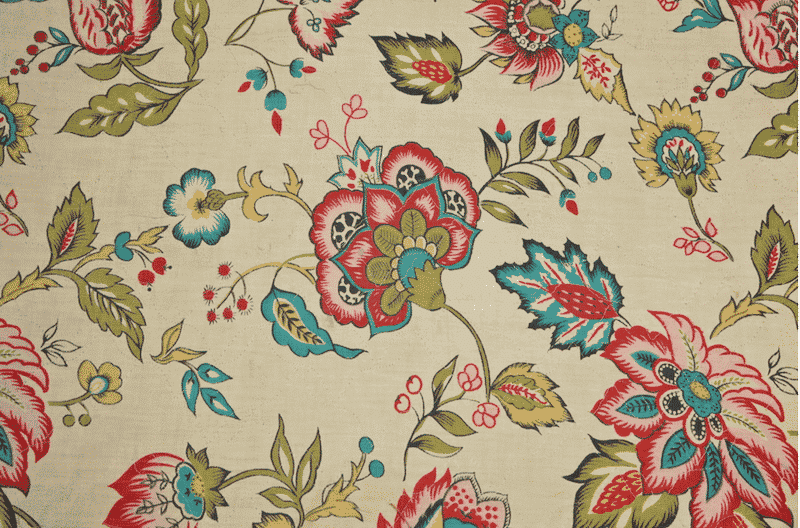
Chintz, a term often evoking images of floral patterns and traditional interiors, is far more than just a fabric; it represents a distinct aesthetic with a rich history that continues to influence design and branding today. Originating in India in the 17th century, chintz is characterized by its glazed, printed cotton, typically featuring vibrant, often exotic, floral and botanical motifs on a light background. Its initial appeal lay in its washability, durability, and the intricate hand-painted or block-printed designs that quickly captured the European imagination, sparking a global trade and inspiring countless imitations. For brands, understanding chintz is not merely about appreciating a textile; it’s about recognizing a powerful design language that can be strategically employed to convey heritage, luxury, comfort, or a rebellious reimagining of tradition.
The Enduring Allure and Historical Context of Chintz
The journey of chintz from Indian artisans to European aristocracy, and eventually to mass markets, is a testament to its compelling visual appeal and practical qualities. Initially imported by the East India Company, chintz quickly became a sensation in England and France, prized for its exotic patterns and vibrant, colorfast dyes that were superior to anything produced in Europe at the time. Its popularity was so immense that it led to bans in some countries, as local textile manufacturers struggled to compete, highlighting its disruptive market impact even centuries ago.
From Exotic Import to Domestic Staple
Early chintz designs often depicted a fanciful blend of flora and fauna, influenced by Indian and Persian artistic traditions. These patterns were revolutionary, offering a burst of color and narrative detail that contrasted sharply with the more muted or geometric designs prevalent in European textiles. As manufacturing techniques evolved, particularly with the advent of roller printing in the late 18th century, chintz became more accessible, moving beyond the confines of aristocratic homes to adorn middle-class interiors and fashion. This democratization broadened its appeal and embedded it deeply within the cultural fabric of Western design.
The Defining Characteristics of Chintz
Beyond its floral motifs, several key characteristics define authentic chintz and its stylistic descendants. The “glazed” finish, achieved through calendering (pressing the fabric between rollers), gives chintz its distinctive sheen and contributes to its durability and resistance to dirt. The patterns themselves are typically intricate, often featuring sprawling, asymmetrical arrangements of flowers, leaves, birds, and sometimes insects, creating a sense of natural abundance and whimsy. The background is usually light, allowing the vibrant colors of the motifs to pop. These elements combine to create a visually rich and tactile experience that brands can leverage for specific aesthetic and emotional connections.
Chintz as a Strategic Element in Brand Identity and Design
In the realm of branding, design elements are critical communicators. Chintz, with its distinct visual vocabulary, offers a unique opportunity for brands to differentiate themselves, convey specific values, and target particular demographics. Its historical weight and aesthetic characteristics can be harnessed to evoke feelings of nostalgia, luxury, tradition, or even an ironic modernism.
Evoking Heritage and Craftsmanship
For brands aiming to establish a sense of heritage, timelessness, or artisanal quality, incorporating chintz patterns or its underlying aesthetic can be incredibly effective. A luxury home furnishings brand, for instance, might use authentic chintz fabrics for upholstery or drapery to signal a commitment to classic design and enduring elegance. The intricate details of chintz inherently suggest a meticulous hand and a respect for traditional craft, values that resonate deeply with consumers seeking quality and authenticity. This application positions the brand as a curator of enduring style, appealing to an audience that values legacy over transient trends.
Modern Reinterpretation and Niche Positioning
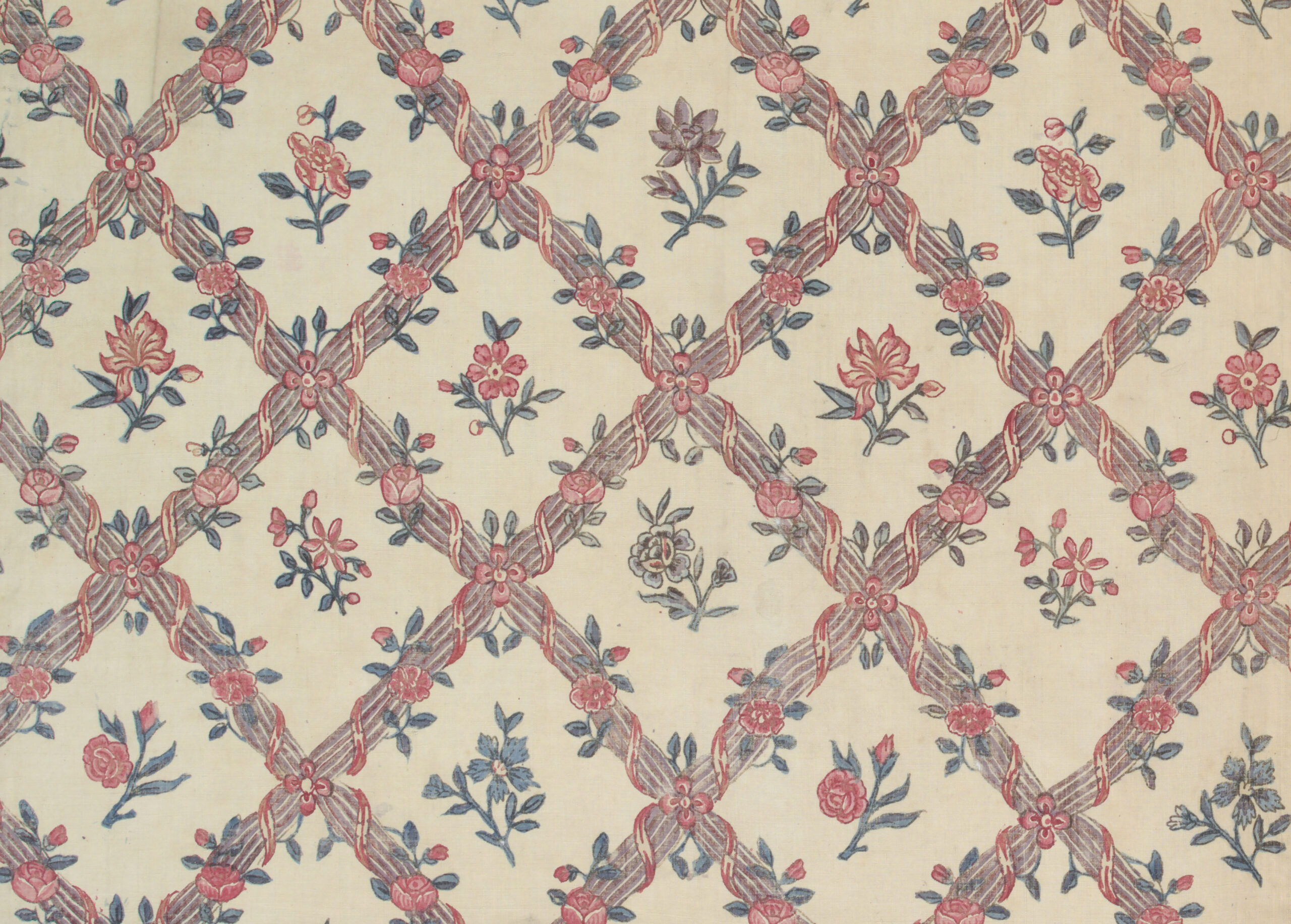
While traditionally associated with a somewhat maximalist, “grandma chic” aesthetic, chintz has also seen numerous modern reinterpretations. Contemporary brands might strip away the glaze for a matte finish, simplify the patterns, or even use unexpected color palettes to give chintz a fresh, updated look. A fashion brand might feature a single, oversized chintz motif on a minimalist garment, creating a striking contrast that speaks to a sophisticated yet playful sensibility. This strategic reinterpretation allows brands to tap into the recognition of chintz while shedding its potentially dated connotations, appealing to younger, design-savvy audiences who appreciate ironic twists on classic themes. By deconstructing and rebuilding the chintz aesthetic, brands can carve out unique niche positions that bridge tradition and innovation.
Emotional Resonance and Consumer Connection
The visual language of chintz often elicits strong emotional responses. Its floral motifs can symbolize natural beauty, growth, and domestic comfort. For lifestyle brands, incorporating chintz elements can help cultivate an atmosphere of warmth, coziness, and idyllic living. A brand of artisanal teas or handcrafted ceramics, for example, might use chintz-inspired packaging or branding imagery to evoke a sense of quiet luxury, relaxation, and a connection to nature. This emotional connection can foster brand loyalty by aligning the product with desirable lifestyle aspirations and values.
Leveraging Chintz in Marketing and Corporate Identity
Beyond product design, the chintz aesthetic can extend into a brand’s broader marketing and corporate identity strategies, influencing everything from advertising campaigns to retail environments.
Visual Storytelling and Advertising
Chintz provides a rich backdrop for visual storytelling. In advertising, using chintz patterns can instantly set a scene, whether it’s a cozy English country home for a bedding brand or a whimsical garden party for a perfume. The patterns themselves can become narrative elements, suggesting stories of leisure, elegance, or escape. A brand could use chintz strategically in digital campaigns, social media visuals, or print advertisements to create a distinctive and memorable brand world that stands out in a crowded market. This is particularly effective for brands looking to cultivate a specific mood or era, distinguishing them from competitors who might opt for more generic or minimalist aesthetics.
Retail Experience and Environmental Branding
For brick-and-mortar brands, the application of chintz can transform a retail space into an immersive brand experience. High-end boutiques might use chintz wallpaper or upholstery to create an atmosphere of curated luxury and comfort, encouraging customers to linger and explore. A cafe or restaurant could incorporate chintz into its interior design to foster a sense of quaint charm or sophisticated eccentricity. This environmental branding reinforces the brand’s identity and values, making the physical space an extension of its story. It appeals to senses beyond just sight, engaging visitors in a holistic brand encounter.

Branding Beyond the Fabric: Chintz as an Archetype
Ultimately, “chintz” in a branding context isn’t limited to the literal fabric itself. It can serve as an archetype, representing a broader set of values: classic beauty, intricate detail, a touch of romanticism, or even a deliberate rejection of stark modernism. Brands can borrow these conceptual elements without necessarily using the fabric. A tech company, surprisingly, might adopt a chintz-inspired user interface design to soften its aesthetic and appeal to an older demographic, or to ironically subvert expectations with a playful, unexpected visual. This demonstrates the versatility of design archetypes in communicating brand personality and strategic positioning.
By carefully considering the historical weight, aesthetic characteristics, and emotional resonance of chintz, brands can strategically employ this enduring design legacy to craft unique identities, connect with target audiences, and differentiate themselves in an increasingly complex marketplace. Whether embracing its traditional charm or reinterpreting it for a contemporary audience, chintz offers a powerful tool for brand expression and consumer engagement.
aViewFromTheCave is a participant in the Amazon Services LLC Associates Program, an affiliate advertising program designed to provide a means for sites to earn advertising fees by advertising and linking to Amazon.com. Amazon, the Amazon logo, AmazonSupply, and the AmazonSupply logo are trademarks of Amazon.com, Inc. or its affiliates. As an Amazon Associate we earn affiliate commissions from qualifying purchases.