
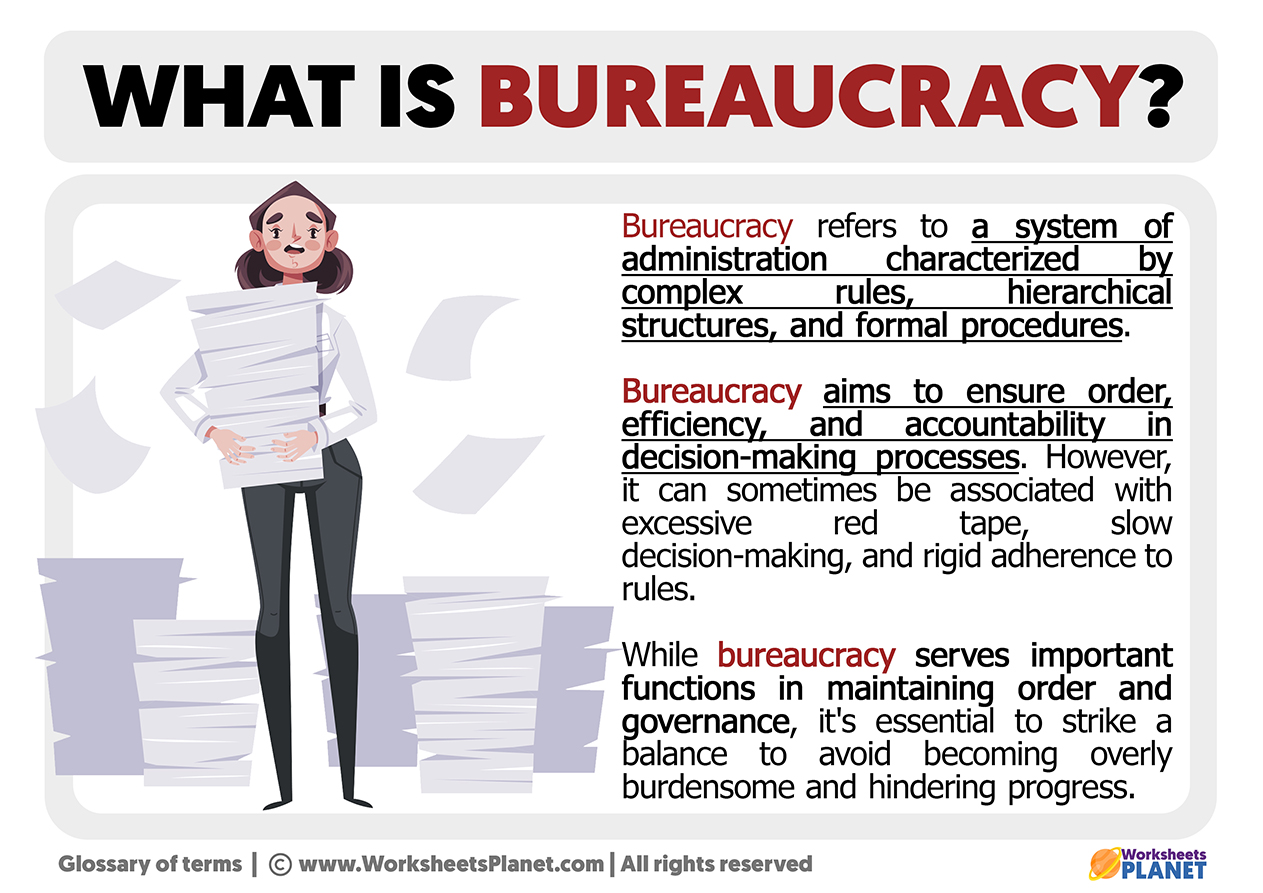
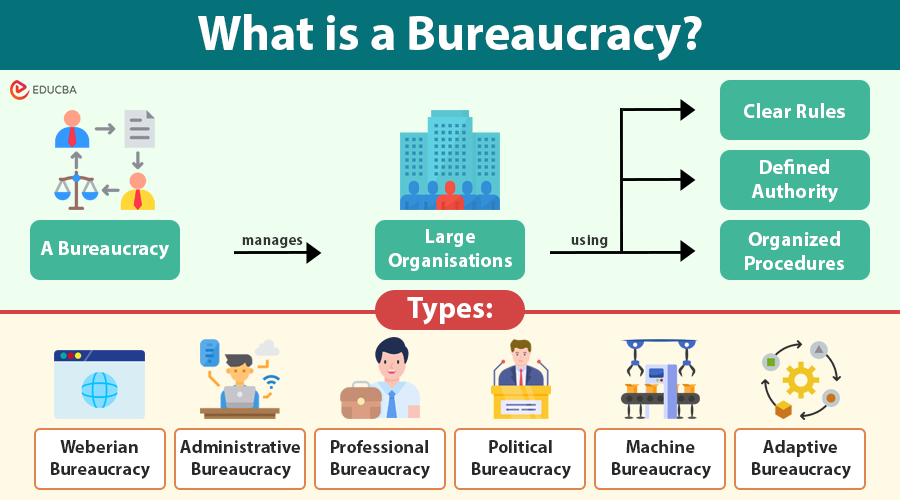
At its core, a bureaucracy is an organizational structure characterized by a set of rules, procedures, and hierarchies designed to standardize operations and maintain control. While often associated with government agencies, bureaucratic principles permeate large corporations, non-profits, and educational institutions, significantly impacting their financial health, operational efficiency, and long-term sustainability. Understanding the intricate mechanics of bureaucracy is paramount for business leaders, investors, and finance professionals who seek to optimize performance and navigate the complexities of modern enterprise. From an organizational finance perspective, bureaucracy isn’t merely an administrative concept; it’s a framework that dictates cost structures, revenue generation potential, and the agility with which an entity can respond to market shifts.
The Foundational Principles of Bureaucracy in Business Finance
Max Weber, the sociologist who extensively studied bureaucracy, identified several key characteristics that, when viewed through a financial lens, reveal profound implications for business operations and profitability. These principles, while designed for order and predictability, also establish the financial parameters within which an organization operates.
Hierarchy and Authority: Impact on Decision-Making Costs
Bureaucratic structures are inherently hierarchical, meaning clear lines of authority extend from the top down. Each layer possesses defined responsibilities and decision-making power. Financially, this hierarchy can be a double-edged sword. On one hand, it ensures accountability, as specific individuals or departments are responsible for budgetary allocations, expenditure approvals, and financial reporting. This clarity can prevent financial mismanagement and foster a controlled environment for capital deployment. On the other hand, multi-layered approval processes can introduce significant delays, increasing the cost of decision-making. Slow approvals for investments, new projects, or even urgent operational expenditures can lead to missed market opportunities, increased carrying costs, or penalties, directly eroding potential profits or inflating operational expenses. The cost of delay, often hidden, is a critical financial consequence of rigid hierarchies.
Rules and Procedures: Standardizing Operations and Financial Controls
A defining feature of bureaucracy is its reliance on written rules, regulations, and standardized procedures. These protocols dictate how tasks are performed, how resources are allocated, and how financial transactions are processed. From a business finance standpoint, these standards are vital for consistency, internal control, and compliance. Standardized accounting procedures, procurement policies, and expense reporting rules ensure transparency, reduce fraud risk, and facilitate accurate financial forecasting and auditing. This predictability reduces financial uncertainty and compliance costs. However, overly rigid or complex procedures can stifle innovation, slow down responses to dynamic market conditions, and increase administrative overhead. The cost of adherence, including the labor hours spent on paperwork and compliance, must be carefully balanced against the benefits of control and risk mitigation.
Impersonality: Fairness, Consistency, and Risk Mitigation
Bureaucratic organizations emphasize impersonal detachment in their operations. Decisions are made based on established rules and objective criteria, rather than personal relationships or subjective judgments. Financially, this principle promotes fairness and consistency in dealings with employees, suppliers, and customers, which can mitigate legal and reputational risks that carry substantial financial penalties. For instance, standardized hiring and promotion processes based on merit reduce the risk of discrimination lawsuits, while uniform supplier selection criteria ensure competitive pricing and prevent favoritism. This impersonality can lead to more predictable financial outcomes and reduce the likelihood of costly disputes. However, it can also lead to a lack of flexibility, making it difficult to tailor financial solutions or adapt strategies for unique situations, potentially missing out on specific, high-value opportunities that require a personalized approach.
Technical Competence: Specialization and Efficiency Gains
Bureaucracies often organize work based on specialized functions, with employees hired and promoted based on their technical qualifications and expertise. In a business finance context, this specialization can lead to significant efficiency gains. Dedicated finance departments, specialized audit teams, and treasury functions ensure that complex financial tasks are handled by experts, reducing errors and optimizing processes. This division of labor can lead to economies of scale in operational costs and better management of financial resources. Specialized roles can also drive higher quality outputs, from accurate financial statements to sophisticated risk models. However, excessive specialization can lead to departmental silos, hindering cross-functional collaboration and creating information bottlenecks that slow down financial reporting or strategic planning. The cost of coordination between highly specialized units can sometimes outweigh the benefits of individual expertise.
Financial Implications of Bureaucratic Structures
The inherent characteristics of bureaucracy have profound and direct financial implications, influencing every facet of an organization’s economic performance.
Operational Efficiency and Cost Management
Bureaucracy’s emphasis on rules and procedures aims to create predictable and efficient operational workflows. When executed well, this leads to economies of scale, reduced waste through standardized processes, and lower per-unit costs for goods and services. For example, a standardized inventory management system, a hallmark of bureaucracy, can minimize stockouts and overstock, directly impacting working capital and storage costs. However, excessive bureaucracy—often referred to as “red tape”—can lead to significant inefficiencies. Overly complex approval processes, redundant reporting requirements, and a lack of flexibility can slow down production, increase administrative overhead, and delay market entry for new products, all of which translate into higher costs and reduced profitability. The constant tension between control and agility is a critical financial balancing act.
Resource Allocation and Budgeting Control
Bureaucratic structures are typically accompanied by rigid budgeting processes and centralized control over resource allocation. This ensures that capital is deployed according to strategic priorities and approved plans, minimizing wasteful spending and aligning expenditures with organizational goals. Departments often receive fixed budgets, and deviations require formal approval, providing strong financial discipline. This centralized control is vital for large organizations with complex funding needs, such as capital expenditure projects or multi-departmental initiatives. However, this rigidity can also be a detriment. If market conditions change rapidly, a slow, bureaucratic budget reallocation process can hinder an organization’s ability to pivot, potentially leading to misallocated resources or missed investment opportunities. The cost of inflexibility in resource allocation can be substantial in dynamic environments.

Risk Management and Compliance Costs
The structured nature of bureaucracy is inherently designed to mitigate risk. Standardized procedures, clear lines of accountability, and extensive documentation are crucial for ensuring compliance with legal, regulatory, and industry standards. For finance, this translates into reduced exposure to fines, penalties, and legal challenges. Robust internal controls, a hallmark of bureaucratic finance departments, safeguard assets, ensure accurate financial reporting, and prevent fraud. While these compliance efforts are essential, they come with significant costs, including specialized personnel, auditing expenses, and investment in compliance software. Over-regulation or overly complex internal compliance structures can sometimes generate prohibitive costs that outweigh the perceived benefits, especially for organizations operating in less regulated sectors or those with high-risk tolerance.
Impact on Innovation and Market Responsiveness
While bureaucracy offers stability, its structured nature can often impede innovation and slow market responsiveness. New ideas or unconventional approaches, which are often crucial for competitive advantage and revenue growth, can face numerous hurdles through multiple layers of approval and rigid protocols. The emphasis on following established rules rather than exploring new avenues can result in a significant “opportunity cost.” Organizations become less agile, struggling to adapt to changing consumer preferences, technological advancements, or new competitive threats. Financially, this manifests as declining market share, reduced revenue from new products, and an inability to capitalize on emerging trends, ultimately impacting long-term profitability and shareholder value.
The Dual Edge: Advantages and Disadvantages from a Financial Standpoint
Bureaucracy, when managed effectively, offers distinct financial benefits. However, its downsides can severely impact an organization’s economic vitality.
Advantages: Stability, Predictability, and Scalability for Financial Growth
From a financial perspective, a well-implemented bureaucratic system offers undeniable advantages. It provides stability and predictability in operations, which are critical for accurate financial forecasting and investor confidence. Standardized processes allow for efficient scaling of operations without a proportional increase in administrative costs, enabling organic financial growth. Risk mitigation strategies embedded in bureaucratic controls protect financial assets and reduce exposure to costly errors or fraud. The clear chain of command ensures accountability for financial results, making performance management more transparent. These elements contribute to a robust financial infrastructure capable of sustained operation and managed expansion.
Disadvantages: Inflexibility, Stagnation, and Hidden Costs
The drawbacks of bureaucracy, particularly when it becomes excessive, are largely financial. Its inherent inflexibility can lead to stagnation, as organizations struggle to adapt to economic shifts, technological disruptions, or competitive pressures. This lack of agility translates into missed revenue opportunities and increasing operational costs as outdated methods persist. A significant disadvantage is the accumulation of hidden costs: the cost of delay in decision-making, the opportunity cost of foregone innovations, the cost of excessive administrative overhead (paperwork, multiple approvals), and the cost of employee disengagement due to rigid structures. These “bureaucratic drag” expenses can silently erode profit margins and reduce the overall return on investment.
Optimizing Bureaucratic Elements for Financial Performance
To thrive in today’s dynamic economic landscape, organizations must strategically manage bureaucratic elements, harnessing their strengths while mitigating their weaknesses to enhance financial performance.
Streamlining Processes to Reduce Waste
A critical step in optimizing bureaucracy is a rigorous review and streamlining of existing processes. This involves identifying redundant steps, unnecessary approvals, and outdated procedures that add cost without commensurate value. Lean methodologies, process automation, and digital transformation initiatives can significantly reduce administrative waste, lower operational costs, and accelerate workflows. By simplifying procurement, expense reporting, or customer onboarding processes, organizations can free up capital, reduce labor hours, and improve efficiency, directly impacting the bottom line.
Balancing Control with Agility in Financial Strategy
Effective financial management within a bureaucratic framework requires a delicate balance between control and agility. While robust financial controls are essential to prevent fraud and ensure compliance, they should not paralyze rapid decision-making. Empowering lower levels of management with limited financial autonomy for specific projects, establishing clear escalation paths for urgent matters, and implementing flexible budgeting models can foster agility. The goal is to maintain financial integrity while enabling the organization to seize opportunities and respond swiftly to market changes without being bogged down by excessive red tape.
Leveraging Technology for Bureaucratic Efficiency
Technology plays a pivotal role in modernizing and enhancing bureaucratic efficiency. Enterprise Resource Planning (ERP) systems, Robotic Process Automation (RPA), AI-powered analytics, and digital collaboration platforms can automate routine tasks, improve data accuracy, enhance financial reporting, and accelerate decision-making processes. By digitizing documents, automating approval workflows, and providing real-time financial insights, technology can significantly reduce the administrative burden of bureaucracy, lower operational costs, and free up financial personnel to focus on strategic analysis rather than manual processing.
Fostering Accountability within Hierarchical Structures
While hierarchies are a hallmark of bureaucracy, fostering a culture of accountability within these structures is crucial for financial health. Clearly defined roles and responsibilities, coupled with performance metrics tied to financial outcomes, ensure that individuals and departments are responsible for their budgetary allocations and operational efficiency. Regular financial reviews, transparent reporting, and incentive structures aligned with organizational financial goals can motivate employees to contribute positively to the company’s economic success, turning bureaucratic oversight into a mechanism for value creation rather than just control.
aViewFromTheCave is a participant in the Amazon Services LLC Associates Program, an affiliate advertising program designed to provide a means for sites to earn advertising fees by advertising and linking to Amazon.com. Amazon, the Amazon logo, AmazonSupply, and the AmazonSupply logo are trademarks of Amazon.com, Inc. or its affiliates. As an Amazon Associate we earn affiliate commissions from qualifying purchases.