
The concept of a “breast mass” in the modern medical landscape is increasingly defined and understood through the lens of technology. Far from being a mere anatomical anomaly, a breast mass represents a complex data challenge, a target for sophisticated imaging algorithms, and a focal point for an array of digital tools designed for detection, characterization, and management. From artificial intelligence analyzing vast datasets to advanced imaging modalities and secure data platforms, technology plays a pivotal role in transforming our understanding and approach to breast masses.
Leveraging AI and Machine Learning for Early Detection
Artificial intelligence (AI) and machine learning (ML) are revolutionizing the early detection and risk assessment of breast masses. These computational tools excel at identifying subtle patterns and anomalies that might elude the human eye or conventional analysis, significantly enhancing diagnostic accuracy and efficiency.
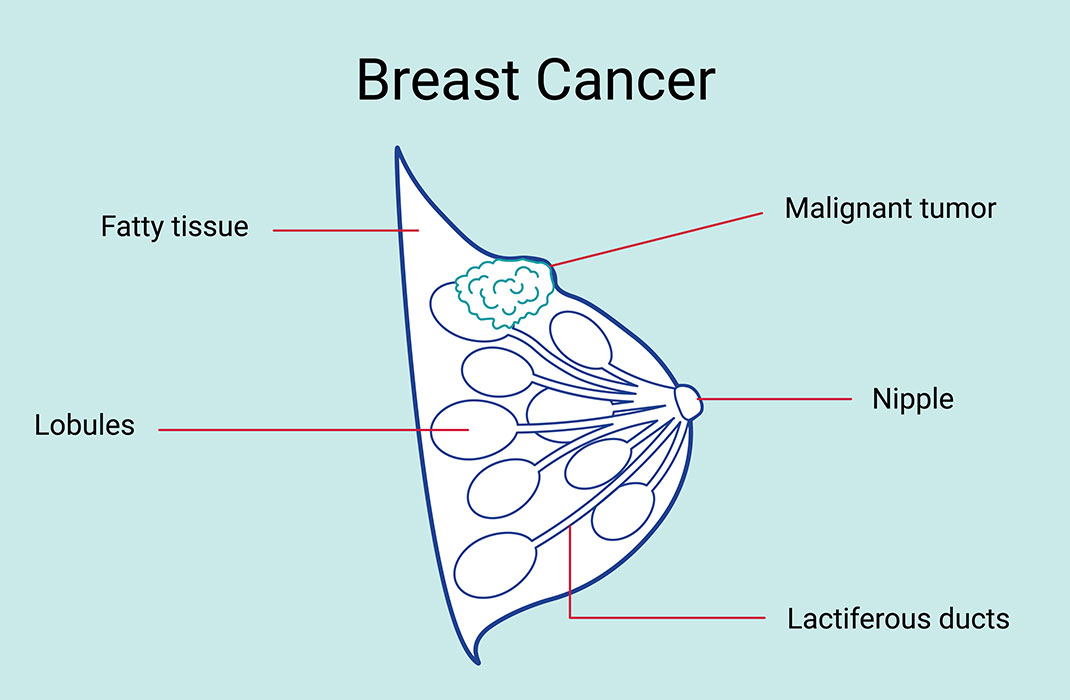
Predictive Analytics in Risk Assessment
AI-driven predictive analytics platforms are transforming how clinicians assess an individual’s risk for developing a breast mass. By integrating diverse datasets—including genetic predispositions, lifestyle factors, family history, and prior imaging results—these algorithms can calculate personalized risk scores. Machine learning models analyze these complex interdependencies, flagging individuals who may benefit from more aggressive screening protocols or prophylactic measures. This proactive approach, powered by sophisticated algorithms, shifts the paradigm from reactive diagnosis to predictive intervention, optimizing resource allocation and potentially averting later-stage discoveries. The models continuously learn and refine their predictions as new data becomes available, making them increasingly precise over time.
Deep Learning in Image Interpretation
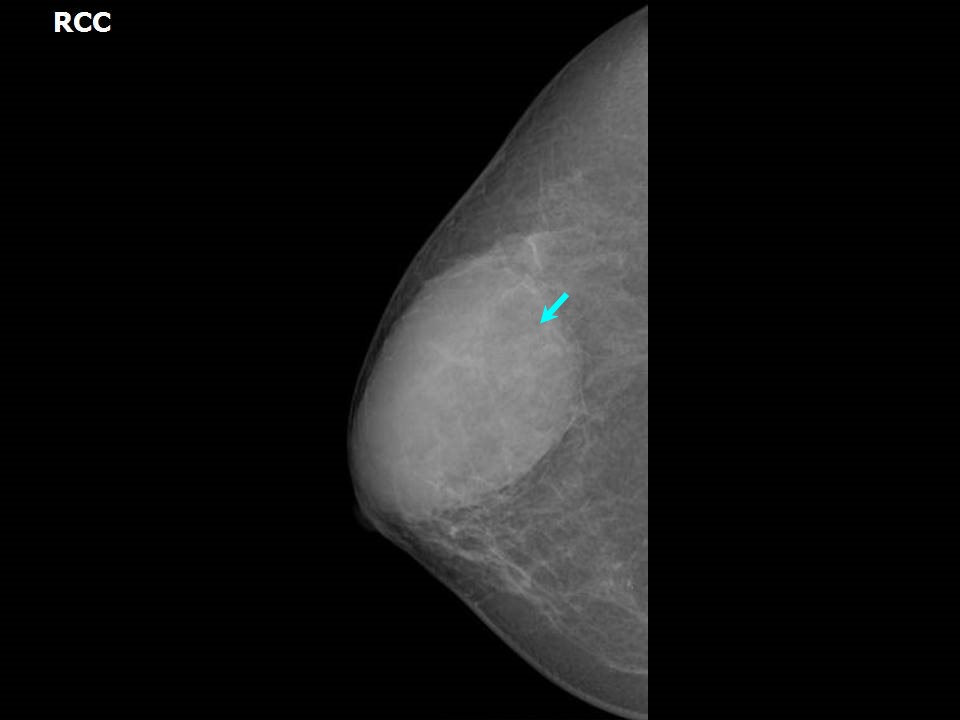
The interpretation of medical images, such as mammograms, ultrasounds, and MRIs, is a prime application for deep learning. Convolutional Neural Networks (CNNs), a type of deep learning architecture, are trained on enormous libraries of annotated images to recognize characteristic features of both benign and malignant breast masses. These AI systems can identify subtle calcifications, architectural distortions, and irregular mass margins with remarkable accuracy, often comparable to or exceeding that of experienced radiologists. Furthermore, AI tools can assist in triaging cases, highlighting suspicious areas for immediate review, thereby reducing workload and improving turnaround times. The integration of AI into imaging workflows allows for a more consistent and objective analysis, minimizing inter-observer variability and improving diagnostic confidence.
Advanced Imaging Technologies: Beyond Traditional Modalities
The evolution of imaging technology provides increasingly detailed and non-invasive methods to visualize and characterize breast masses. These advancements move beyond simple two-dimensional views, offering multi-dimensional insights into tissue structure and biological activity.
High-Resolution Digital Mammography and Tomosynthesis
Digital mammography, already a significant leap from film-based imaging, provides higher resolution and easier image manipulation. Building on this, digital breast tomosynthesis (DBT), or 3D mammography, creates a series of thin-slice images of the breast. This innovative technique reconstructs these slices into a three-dimensional volume, allowing radiologists to virtually “scroll” through breast tissue. This capability significantly reduces the obscuring effects of overlapping tissue, a common challenge in dense breasts, making it easier to detect subtle masses and reducing recall rates for false positives. The digital nature of these images also facilitates their integration with AI analysis tools for enhanced detection.
AI-Enhanced Ultrasound and MRI
Ultrasound, traditionally operator-dependent, is gaining new levels of precision with AI integration. AI algorithms can assist in standardizing image acquisition, reducing artifacts, and objectively classifying masses based on their echogenicity, shape, and vascularity. Automated breast ultrasound systems (ABUS) offer a standardized, comprehensive scan, generating vast datasets that are ideal for AI processing. Similarly, Magnetic Resonance Imaging (MRI) sequences are being optimized with AI to reduce scan times, improve image quality, and automatically highlight areas of concern. AI can analyze dynamic contrast-enhanced MRI data to assess perfusion patterns within a mass, providing valuable information about its vascularity and potential malignancy more efficiently than manual review.
Emerging Bio-sensing and Molecular Imaging Innovations
Beyond anatomical imaging, nascent technologies are exploring the molecular and functional characteristics of breast masses. Bio-sensing technologies, such as electrical impedance tomography or specialized optical coherence tomography, aim to detect changes in tissue properties that might indicate the presence of a mass at a cellular level. Molecular imaging techniques, like Positron Emission Tomography (PET) with novel tracers, are evolving to provide earlier detection of metabolic changes characteristic of cancerous growth, often before structural changes are visible. These cutting-edge methods offer the promise of even earlier, more precise, and non-invasive characterization of breast masses, moving closer to truly personalized medicine.
Software Tools for Data Integration and Management
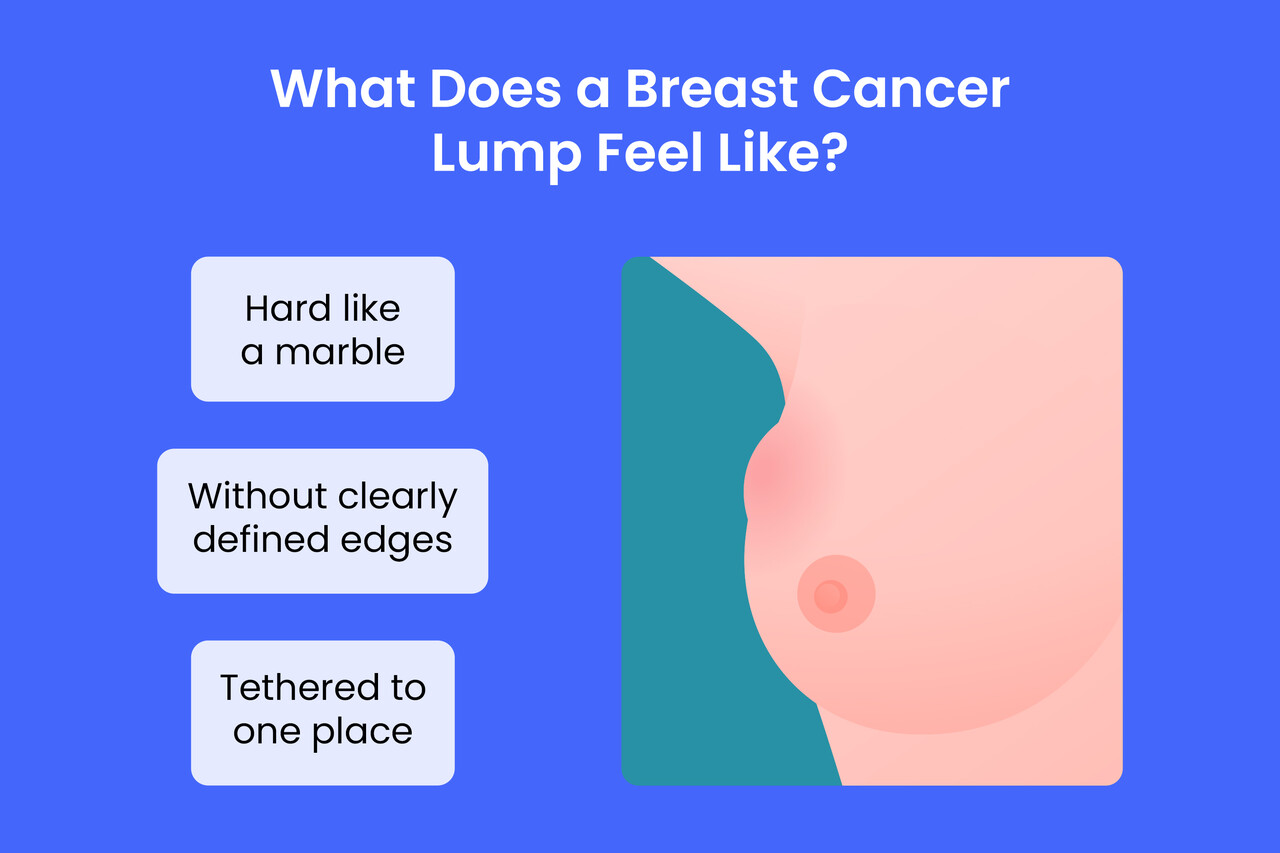
The sheer volume of data generated by advanced imaging and AI diagnostics necessitates robust software tools for seamless integration, efficient management, and secure sharing across healthcare ecosystems.
Electronic Health Records (EHR) and Data Lakes
Modern EHR systems serve as the central repository for patient health information, including imaging reports, biopsy results, and treatment plans related to breast masses. The interoperability of these systems is crucial for a holistic patient view. Furthermore, the concept of “data lakes” in healthcare involves aggregating vast quantities of raw and structured data from various sources—EHRs, imaging archives (PACS), genetic databases, and even wearable devices. These data lakes provide a rich resource for AI research and development, enabling the training of more robust algorithms for breast mass detection and prognosis, while adhering to strict anonymization protocols to protect patient privacy.
Telemedicine Platforms for Remote Consultation and Second Opinions
Telemedicine platforms have emerged as vital software tools, extending access to specialized breast health expertise regardless of geographical location. These platforms facilitate secure video consultations, allowing patients to discuss findings related to breast masses with specialists remotely. Critically, they enable the secure transfer of high-resolution images and reports, permitting remote radiologists and oncologists to provide expert second opinions. This not only enhances diagnostic accuracy by bringing diverse perspectives to complex cases but also empowers patients in underserved areas to access top-tier care, democratizing access to breast health expertise.
Gadgets and Wearables for Proactive Health Monitoring
The realm of consumer technology is also contributing to breast health awareness and proactive monitoring, though these devices are generally complementary to, rather than substitutes for, clinical diagnostics.
Smart Devices for Self-Assessment
Emerging smart devices offer individuals tools for regular, at-home self-assessment. These might include handheld ultrasound-like devices that provide basic imagery for personal record-keeping, or specialized sensors designed to detect subtle changes in breast tissue composition. While not diagnostic tools, these gadgets aim to empower users to become more familiar with their breast health, potentially prompting earlier consultation with medical professionals if changes are noted. The data collected by such devices, often through connected apps, can also contribute to personal health logs.
Biosensors for Physiological Data Collection
Wearable biosensors, while not directly detecting breast masses, contribute to a broader understanding of an individual’s overall health profile, which can indirectly relate to risk factors. These devices monitor physiological parameters like heart rate variability, sleep patterns, and activity levels. In the future, more advanced biosensors might incorporate capabilities to detect specific biomarkers in sweat or interstitial fluid that could be associated with cellular changes or inflammation potentially linked to breast health. The continuous data streams from these wearables, when integrated securely, could provide valuable longitudinal insights that supplement clinical data.
Digital Security and Privacy in Breast Health Data
As technology permeates every aspect of breast mass detection and management, the imperative for robust digital security and stringent privacy protocols becomes paramount. The sensitivity of health data demands uncompromising protection.
Protecting Sensitive Patient Information
The electronic nature of breast health data, encompassing everything from imaging scans to genetic profiles and personal risk assessments, makes it a prime target for cyber threats. Implementing state-of-the-art encryption, multi-factor authentication, and intrusion detection systems is non-negotiable. Healthcare organizations and technology providers must adhere to rigorous cybersecurity frameworks to prevent unauthorized access, data breaches, and malicious manipulation of patient records. Regular security audits and employee training are also critical components of a comprehensive defense strategy.
Regulatory Compliance in Health Tech
Navigating the complex landscape of health data involves strict adherence to numerous national and international regulations, such as HIPAA in the United States, GDPR in Europe, and similar frameworks globally. For technologies involved in breast mass detection and management, ensuring compliance is crucial. This includes obtaining proper consents for data collection and use, implementing robust anonymization and pseudonymization techniques for research data, and maintaining transparent data governance policies. Ethical AI development also falls under this umbrella, ensuring that algorithms are unbiased, fair, and do not perpetuate or amplify existing health disparities, particularly in areas as critical as breast health.
aViewFromTheCave is a participant in the Amazon Services LLC Associates Program, an affiliate advertising program designed to provide a means for sites to earn advertising fees by advertising and linking to Amazon.com. Amazon, the Amazon logo, AmazonSupply, and the AmazonSupply logo are trademarks of Amazon.com, Inc. or its affiliates. As an Amazon Associate we earn affiliate commissions from qualifying purchases.